As the festive season approaches, many of us find comfort in familiar traditions: sparkling lights, heartwarming carols, and, of course, delicious holiday treats. While classic cider and rich hot chocolate often take center stage, a world of extraordinary beverages awaits to infuse your celebrations with unparalleled warmth and cheer. Imagine a journey spanning continents, uncovering unique traditions and tantalizing tastes that promise to elevate your holiday gatherings. From creamy, spiced concoctions to vibrant, fruity punches, prepare to discover an international array of festive drinks that will transport your taste buds and inspire new cherished traditions.
Explore Festive Holiday Drinks from Across the Globe
The holiday season is a culinary wonderland, brimming with an abundance of delectable dishes and sweet indulgences, from flaky pies to intricately decorated cookies. This time of year offers a limitless canvas for culinary creativity, reflecting the diverse ways cultures worldwide embrace their festivities.
Beyond the well-known Christmas coffee drinks that grace the menus of popular coffee shops, countless delightful beverages are savored in homes and markets globally. These drinks are often more than just refreshments; they are woven into the fabric of holiday customs, carrying stories, history, and the spirit of celebration.
Laura Sampson from Little House Big Alaska shares her personal tradition: “Every year for Christmas, I try making a new holiday drink. One year, it was mulled wine. Another, it was Irish coffee, and this year it’s coquito. It’s a fun way for my husband and I to spend a little time researching drinks to make and perfecting them to enjoy together.” This sentiment perfectly captures the joy of exploring new flavors and traditions during the most wonderful time of the year.
Chile: Cola de Mono – The Monkey’s Tail Elixir
In Chile, the holiday season wouldn’t be complete without a glass of “cola de mono,” an alcoholic holiday punch whose name intriguingly translates to “monkey’s tail.” This rich and creamy drink is a delightful blend of milk, sugar, coffee, and cloves, elevated by the distinctive anise-flavored liquor known as aguardiente, often referred to as “fire water.” The exact origin of its unusual name remains a mystery, though popular theories suggest it might allude to its potent kick, perhaps playfully reminiscent of a monkey’s agility or mischievousness.
Cola de mono is typically served chilled, often accompanying traditional Christmas breads and desserts. Its smooth texture and warming spices make it an ideal festive treat, enjoyed with family and friends during Christmas Eve celebrations and throughout the summer holiday season in the Southern Hemisphere.
Ecuador: Canelazo – A Warming Cinnamon Embrace
From the highlands of Ecuador comes Canelazo, a deeply comforting hot, spiced cinnamon drink that promises to warm you from the inside out. Its base is typically made from a rich brown sugar cane, known as panela, and infused with the potent sugar cane alcohol called “punta” or aguardiente liquor. The aromatic blend of cinnamon with the sweetness of panela creates an inviting fragrance that fills the air during festive evenings. A popular variation, particularly refreshing and vibrant, is “naranjillazo,” which incorporates the tangy and unique flavor of naranjilla fruit juice, adding a tropical twist to this traditional warmer.
Canelazo is more than just a drink; it’s a social ritual, often shared at high-altitude gatherings, street festivals, and family celebrations, offering a cozy respite from the cool mountain air.
Across Europe: Mulled Wine – A Timeless Winter Classic
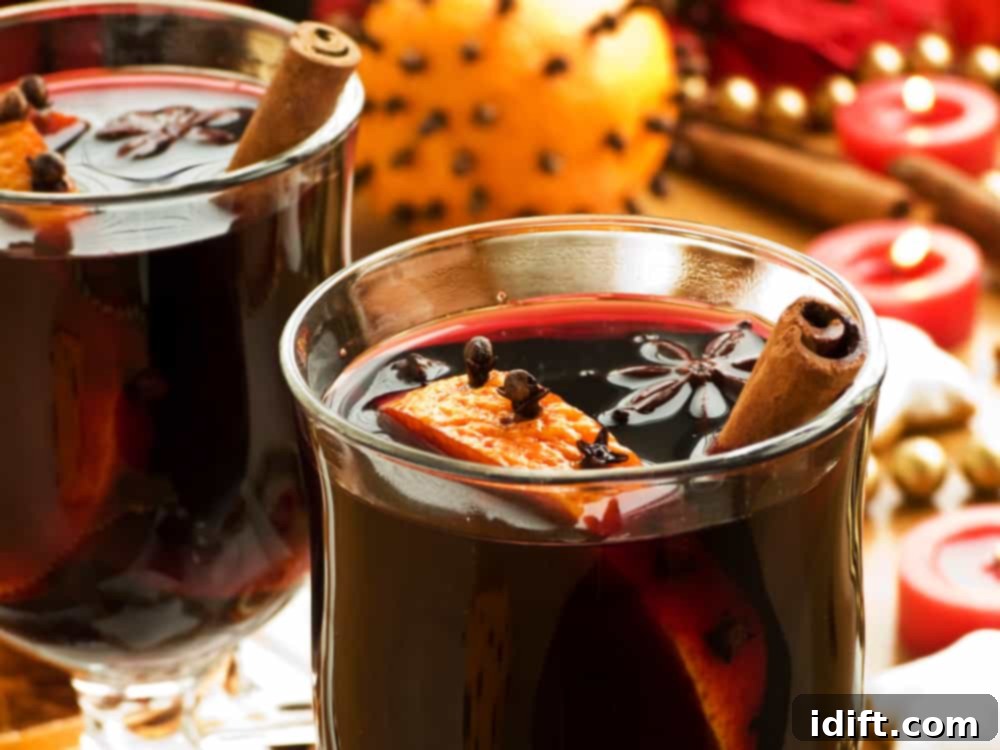
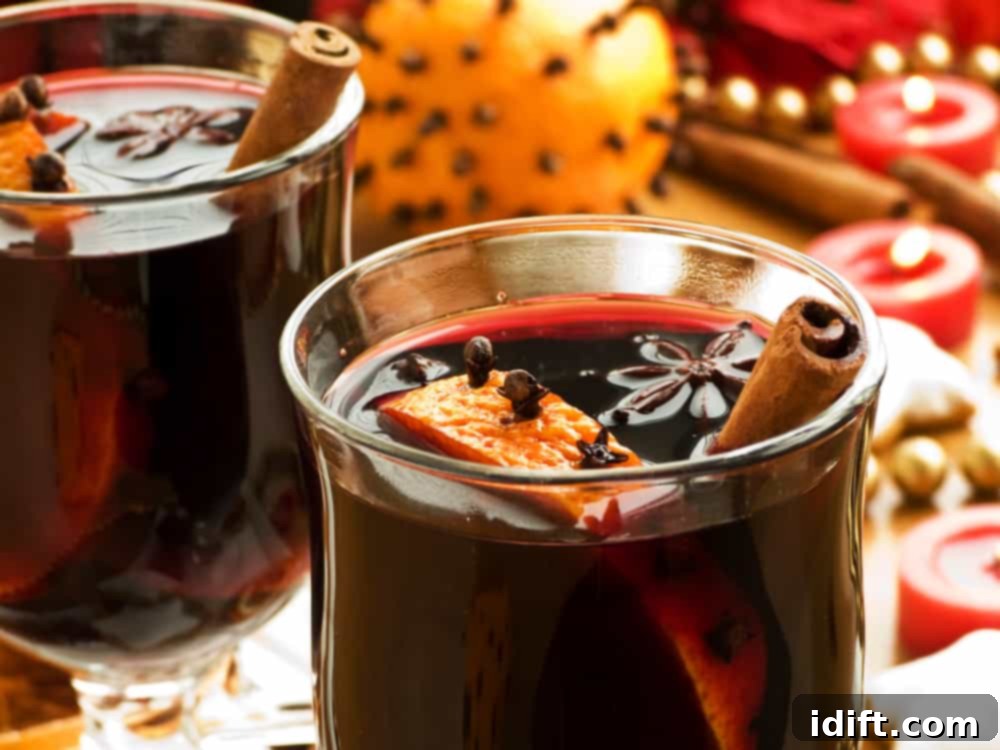
Mulled wine, a fragrant concoction of red wine steeped with an array of spices and citrus, stands as a quintessential holiday drink throughout countless European countries. Its rich aroma and comforting warmth are synonymous with festive markets and cozy evenings by the fire. Serving it in a double-walled tumbler is a clever trick to keep the drink warm while protecting your hands from the heat, allowing for prolonged enjoyment.
Preparing mulled wine at home is surprisingly simple. A good dry red wine, a selection of mulling spices (cinnamon sticks, star anise, cloves), and fresh orange slices are all you need to create this aromatic masterpiece. It’s a wonderful way to infuse your home with the scents of the season, making any gathering feel more festive.
Michelle Price from Honest and Truly recounts, “I first tried glühwein at the‘Christkindlmarkt’ in Chicago because it was warm and I was freezing. I learned how to make it at home, and I do it every year for holiday parties, where it’s always a hit.” This personal endorsement speaks volumes about the universal appeal of this delightful beverage.
Throughout Europe, mulled wine goes by a variety of enchanting names, each reflecting local linguistic charm. In Germany and Austria, it is affectionately known as “glühwein,” a beloved fixture at the enchanting Christmas markets. Other notable names include:
- “Bisschopswijn” in the Netherlands, meaning “bishop’s wine.”
- “Glögg” in Scandinavian countries, often served with raisins and almonds.
- “Vin chaud” in France, literally translating to “hot wine.”
- “Vin brulé” in Italy, meaning “burnt wine,” referring to the gentle heating process.
Each variation carries a subtle difference in its spice blend or serving tradition, but all share the comforting essence of a warm, spiced wine perfect for winter celebrations.
England: Wassail – A Toast to Good Health and Abundance
Wassail is a quintessential cozy holiday drink from England, steeped in ancient traditions and rich history. This festive concoction is typically crafted from a comforting blend of apple cider, mulled ale, and a fragrant array of warming spices. The very name “wassail” itself is a nod to its deep roots, deriving from the Anglo-Saxon phrase “waes hael,” which beautifully translates to “good health.”
The history of wassailing dates back to Anglo-Saxon traditions, where it was integral to rituals performed on Twelfth Night. These customs involved parading through orchards to bless the apple trees and ensure a bountiful harvest, often accompanied by singing and feasting. A large bowl of wassail, typically made from cider, ale, mead, spices, and roasted apples, would be shared among the community, symbolizing unity and good fortune for the coming year. Today, modern wassail recipes evoke this same spirit of conviviality and well-being, making it a perfect drink for festive gatherings.
France: Chocolat Chaud – The Parisian Indulgence
In France, particularly in Paris, the concept of hot chocolate transcends a mere beverage; it is an art form, a luxurious experience known as “chocolat chaud.” The fundamental distinction between ordinary hot cocoa and this exquisite Parisian hot chocolate lies in its preparation: while hot cocoa is typically made with cocoa powder, chocolat chaud is crafted using real, high-quality melted dark chocolate combined with hot milk. This results in a drink that is intensely rich, thick, and velvety smooth, offering a depth of flavor that is truly unparalleled.
Often served in delicate cups alongside traditional French Christmas treats like the iconic “Bûche de Noël” (Yule log cake), or crispy churros, chocolat chaud provides a moment of pure indulgence. Its opulent nature makes it a cherished part of winter festivities, a sophisticated treat enjoyed by all ages.
Ireland: Irish Coffee – A Spirited After-Dinner Delight
The iconic Irish coffee, or “caife gaelach” in the Irish language, stands as a testament to the comforting power of a perfectly balanced spirited drink. At its heart lies Irish whiskey, a key ingredient that transforms a simple after-dinner coffee into a warming, invigorating cocktail. This classic beverage is prepared with hot, strong coffee, a touch of sugar to sweeten, and a generous splash of authentic Irish whiskey.
The crowning glory of an Irish coffee is its opulent topping: a thick dollop of freshly whipped cream or a careful float of heavy cream, gently poured over the back of a spoon to rest on the coffee’s surface. This creates a beautiful visual contrast and a delightful creamy texture that perfectly complements the coffee and whiskey. Traditionally, Irish coffee is served in a specially designed Irish coffee mug, which not only enhances the presentation but also helps retain the drink’s warmth. These versatile mugs are also excellent for serving other hot beverages like hot chocolate, making them a practical addition to any kitchen.
Italy: Bombardino – The Alpine Eggnog
Venture to the picturesque Italian ski resorts during the winter months, and you are sure to encounter “bombardino.” This invigorating and aptly named drink, translating to “little bomb,” is a warm, eggnog-like beverage that is immensely popular among skiers and winter sports enthusiasts. Served in mugs to provide comforting warmth, Bombardino is crafted with a delightful combination of brandy and advocaat, a rich and creamy egg liqueur. The blend of spirits and eggs creates a thick, custardy consistency with a subtly sweet and boozy flavor profile, perfect for warding off the alpine chill.
Traditionally, it is often served in a small, heat-proof glass, similar to an espresso glass, sometimes topped with whipped cream and a sprinkle of cocoa powder, making it an irresistible treat after a day on the slopes.
Germany: Glühbier – A Mulled Beer Revelation
While Germans are celebrated worldwide for their beloved “glühwein” (mulled wine), a lesser-known but equally popular winter warmer is “glühbier,” or mulled beer. This unique take on a festive drink offers a fascinating alternative for those who appreciate the malty complexities of beer. Neighboring Poland also embraces a similar tradition with its “grzane piwo,” showcasing a shared love for warmed, spiced beer.
Glühbier is typically made with a dark, rich, and malty beer, which provides a robust base for the added flavors. This intriguing winter cocktail features hot beer gently simmered with a medley of aromatic spices, often including cinnamon, cloves, and star anise, brightened with citrus peels, and sometimes enhanced with the tart sweetness of cherries. Serving it in a fun beer-tasting kit alongside festive Christmas cookies creates a delightful and unexpected pairing, inviting guests to explore a different facet of holiday beverage traditions.
Jamaica: Sorrel – A Hibiscus Holiday Star
In Jamaica, the holiday season shines brightly with the vibrant and distinct flavor of sorrel. This botanical and bright pink Caribbean drink is a true highlight of Jamaican festivities, traditionally enjoyed throughout the festive period, especially around Christmas and New Year’s. Sorrel is made from the dried petals of the hibiscus flower, which impart its characteristic tartness and stunning ruby-red hue. It’s infused with a harmonious blend of aromatic spices like ginger, cinnamon, and allspice, often finished with a spirited kick of white rum.
The result is a refreshingly tart yet subtly sweet drink that perfectly captures the lively spirit of Jamaican holidays. It’s often prepared in large batches, symbolizing hospitality and celebration, and is enjoyed both chilled and at room temperature, making it a versatile and cherished part of the island’s festive culinary landscape.
Korea: Sujeonggwa – A Digestive Winter Tea
In Korea, “sujeonggwa,” a fragrant ginger cinnamon tea, holds a cherished place during major festive holidays such as Lunar New Year (Seollal) and Chuseok, often referred to as Korean Thanksgiving. This traditional non-alcoholic punch is renowned not only for its comforting flavor but also for its purported digestive benefits, making it an ideal beverage to enjoy after a hearty celebratory meal. Crafted by simmering ginger, cinnamon sticks, dried jujube fruits, and dried persimmons, sujeonggwa offers a unique balance of spicy, sweet, and fruity notes.
The persimmons, in particular, lend a subtle sweetness and a distinct aroma to the tea. It is believed to aid digestion, soothe the stomach, and warm the body, especially during colder months. Sujeonggwa is versatile, often served either hot or refreshingly cold, garnished with a pine nut or two, making it a beloved staple in Korean households.
Lithuania: Krupnikas – A Golden Honey Liqueur
From the Baltic nation of Lithuania and extending into other Eastern European countries comes Krupnikas, a wonderfully aromatic spiced honey liqueur. This treasured spirit is a testament to the region’s rich distilling traditions and its appreciation for natural, warming flavors. Krupnikas is meticulously crafted by combining high-quality grain alcohol with a thoughtfully mulled mixture of spices, which typically includes cloves, cinnamon, and nutmeg, along with the fragrant sweetness of vanilla and, most importantly, pure honey.
The honey provides a natural sweetness and a luxurious texture, while the spices infuse the liqueur with complex, warming notes. Krupnikas can be enjoyed neat, either at room temperature or gently warmed, allowing its intricate flavors to truly shine. It’s often shared during festive occasions and cold winter evenings, offering a comforting and flavorful embrace. This golden elixir is a symbol of hospitality and tradition, perfect for toasting to good health and happiness.
Mexico: Ponche – The Ultimate Fruit Punch
In Mexico, the holiday season is synonymous with “Ponche,” a warm, aromatic fruit punch that is as visually appealing as it is delicious. This vibrant beverage forms the heart of many festive gatherings, particularly during Las Posadas. The base of Ponche is a rich medley of seasonal fruits, typically including apples, pears, oranges, and guavas, all simmered with “panela,” a solid form of unrefined cane sugar that imparts a deep, caramel-like sweetness. To this fruity foundation, an array of spices is added – cinnamon sticks, cloves, hibiscus flowers (flor de Jamaica), and tamarind pods – creating a complex and fragrant profile that is both sweet and subtly tart.
Ponche is often served in beautiful ceramic jarrito mugs, which not only keep the drink warm but also add to the festive ambiance. The visual appeal of the simmering fruits and the inviting aroma make it an irresistible centerpiece for holiday celebrations. It can be enjoyed in its traditional non-alcoholic form or enhanced with a splash of rum or tequila for an adult twist, making it a truly versatile and cherished holiday drink.
Puerto Rico: Coquito – The Tropical Eggnog
Puerto Rico’s holiday season is gloriously celebrated with “Coquito,” a decadent and creamy drink often described as the tropical cousin to traditional eggnog. This beloved beverage is a cornerstone of Puerto Rican festivities, offering a rich and exotic flavor profile that sets it apart. Coquito is characteristically made with dark rum, a blend of warming spices such as cinnamon and nutmeg, and the star ingredient: coconut milk or cream, which gives it its signature tropical twist and velvety texture. Some variations might also include condensed milk, evaporated milk, or even a touch of egg yolks for extra richness.
The drink is typically prepared in large batches and chilled, then served cold in small glasses, often garnished with a sprinkle of ground cinnamon. Coquito is enjoyed throughout the entire holiday season, a period of joyous celebration that traditionally culminates in mid-January with the lively Fiestas de la Calle San Sebastián street festival, making it a drink deeply woven into the fabric of Puerto Rican culture.
Russia: Kompot – A Versatile Fruit Brew
Across Russia, Ukraine, and various other Slavic countries, “Kompot” is a ubiquitous and cherished fruit drink, enjoyed year-round but particularly comforting during the colder holiday months. This simple yet delightful beverage is created by boiling a selection of fresh or dried fruits – often berries, apples, pears, or plums – with sugar in water. The process extracts the natural sweetness and flavors from the fruits, resulting in a light, fruity infusion.
After simmering, the fruit is typically strained out, leaving behind a clear or lightly colored fruit brew. However, the remnants of the fruit are often too delicious to discard; they can be artfully transformed into “kissel,” a thick, hot or cold fruit soup that offers another layer of enjoyment. Kompot is incredibly versatile, served either warm to provide a cozy comfort or chilled as a refreshing drink, making it a staple in Slavic households for everyday enjoyment and special occasions alike.
Spain: Hot Spiced Sangria – A Winter Twist on a Classic
Sangria, with its vibrant infusion of red wine, spices, and fresh fruit, is famously enjoyed cold as a refreshing drink throughout the year in Spain. However, when the holiday season arrives and the temperatures drop, this Spanish classic undergoes a delightful transformation into “hot spiced sangria.” This festive variation embraces the comforting warmth of mulled wine while retaining the signature fruitiness of sangria.
Instead of being served chilled, hot spiced sangria is gently warmed and often incorporates apple cider as a base, alongside the red wine. It’s then infused with traditional mulling spices like cinnamon sticks, star anise, and cloves, and brightened with citrus slices. Essentially, it serves as the Spanish answer to mulled wine, often referred to as “vino caliente” (hot wine). This warming version provides a wonderful alternative to traditional holiday drinks, bringing a touch of Spanish flair and warmth to any winter gathering.
Sweden: Lingonberry Punch – A Nordic Berry Delight
In Sweden, the humble lingonberry, a small, tart, and subtly sweet Scandinavian berry, is a culinary hero, commonly used in jams, sauces, and, notably, festive beverages. Swedish lingonberry punch offers a delightful taste of Nordic holiday traditions, combining the distinctive flavor of these berries with other comforting ingredients.
This invigorating punch is prepared by cooking lingonberries with apple juice, a blend of warming spices, plump raisins, and crunchy almonds. This creates a sweet-tart base with complex aromatic notes. The mixture is then traditionally spiked with aquavit, an herbal, potato-based spirit similar to vodka, famously infused with caraway and other botanicals. The aquavit adds a sophisticated and warming kick, making the lingonberry punch a uniquely Scandinavian holiday treat. It’s perfect for festive gatherings, offering a taste of the forest and a spirited toast to the season.
Ukraine: Uzvar – A Sweet and Fragrant Dried Fruit Nectar
On Christmas Eve, as part of the traditional Sviata Vecheria (Holy Supper), Ukrainians cherish “uzvar,” a beautifully fragrant drink made from dried fruits and berries. This non-alcoholic beverage is deeply symbolic, representing the bounty of nature and the sweetness of life. Uzvar is prepared by simmering a variety of dried fruits, such as apples, pears, plums, and cherries, with water, honey, and a hint of vanilla.
The slow simmering process allows the dried fruits to rehydrate and release their natural sugars and aromatic essences into the water, creating a rich, sweet, and comforting nectar. Afterward, the fruits are typically strained out, though they are often enjoyed on their own as a sweet snack or dessert. The addition of high-quality vanilla beans provides an exquisite depth of flavor, making uzvar an incredibly aromatic and warming drink for the holidays. These excellent vanilla beans can also be used to make your own delicious vanilla extract, adding a gourmet touch to all your festive baking.
United States: Eggnog – The Iconic American Milk Punch
Among the most widely recognized and enjoyed holiday beverages in the United States is eggnog, a creamy milk punch whose origins trace back to the colonial era. This iconic drink has firmly established itself as a cornerstone of American Christmas traditions, with consumers spending approximately $185 million on it annually, according to Nielsen data, highlighting its enduring popularity.
Eggnog is traditionally made with a rich blend of milk, heavy cream, sugar, and an aromatic mix of spices, most notably nutmeg, and, of course, eggs, which contribute to its signature frothy and custardy texture. While non-alcoholic versions are available, most classic recipes embrace the festive spirit by incorporating alcohol – typically brandy, rum, or whiskey – which adds depth and a warming kick to the creamy concoction. Whether homemade or store-bought, eggnog remains a cherished symbol of holiday indulgence and cheer across American households.
This article originally appeared on Food Drink Life.