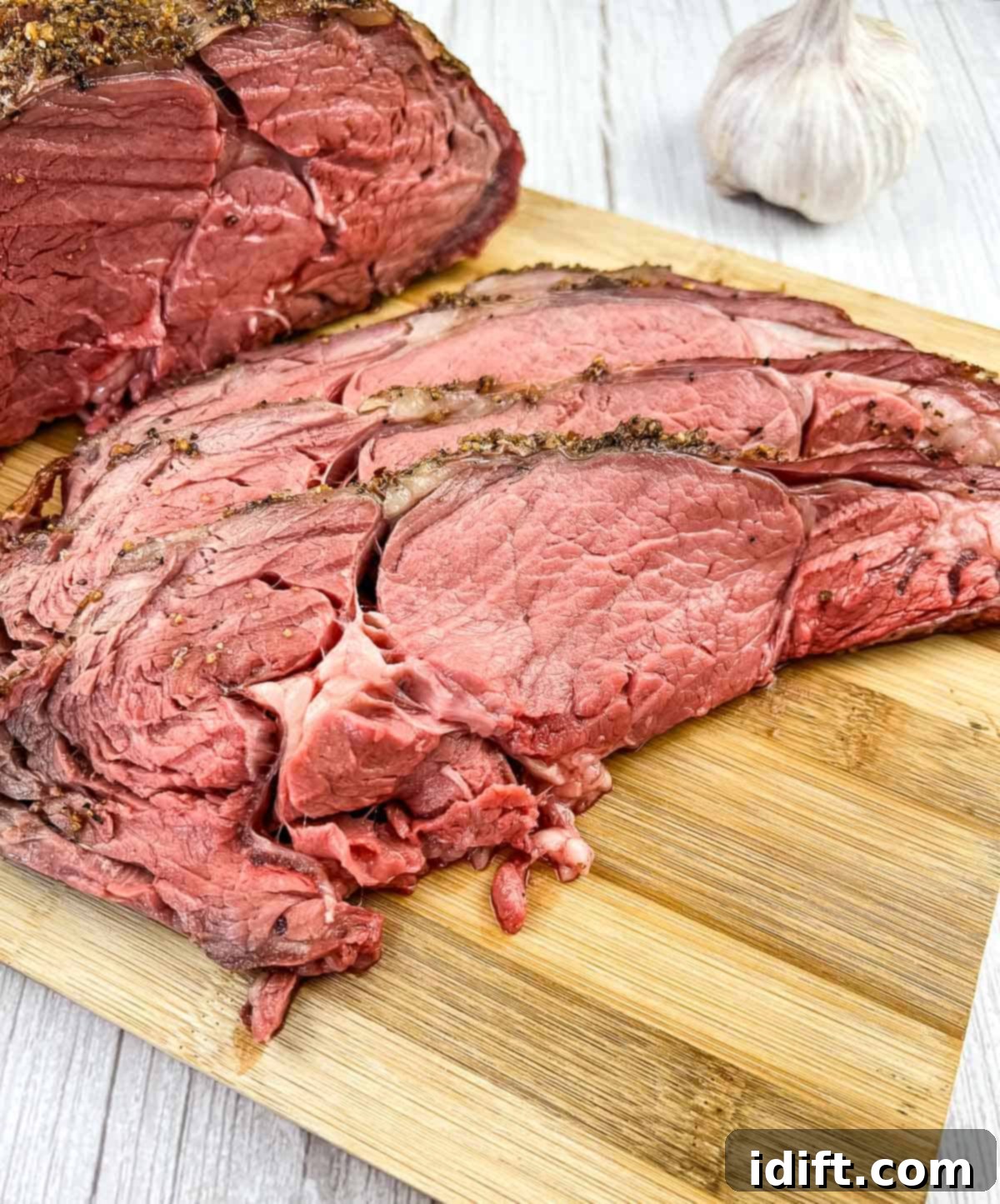
Say goodbye to the oven and elevate your next special meal by cooking a magnificent ribeye roast on the smoker! Prepare yourself for a culinary experience featuring melt-in-your-mouth tender, intensely beefy, and unbelievably flavorful results. Once you try this Smoked Ribeye Roast, you’ll discover a new favorite method that leaves all other preparations behind.
This post may contain affiliate link(s). As an Amazon Associate, I earn from qualifying purchases. See Disclosure.
As an avid smoker, I’ve had the pleasure of transforming countless cuts of meat into smoky masterpieces. But if I had to choose just one, the undisputed champion would be the ribeye roast. This isn’t just a preference; it’s a profound appreciation for a cut that truly shines under the influence of low and slow smoke. The ribeye is inherently rich, possessing a robust beef flavor that deepens beautifully on the smoker. Its generous marbling—those intricate veins of fat woven throughout the muscle—melts slowly during cooking, basting the meat from within and ensuring unparalleled tenderness and juiciness. The result is nothing short of sensational; a smoked ribeye roast is truly an unforgettable culinary delight.
There’s a genuine sadness that comes with witnessing a prized rib roast emerge from the oven, appearing gray, lacking flavor, and disappointingly dry. Such an expensive and magnificent cut of meat deserves far better treatment. Forget the conventional oven methods that often lead to overcooked exteriors and unevenly done interiors. Instead, embrace the transformative power of your smoker. By applying a patient, low and slow cooking technique infused with ample smoke, you unlock the full potential of the ribeye. The gentle heat allows the collagen to break down gradually, rendering the meat incredibly tender, while the smoke imparts a complex, aromatic depth that the oven simply cannot replicate. Once you savor this version, you’ll understand why it becomes the only way you’ll ever want to prepare it.
What You’ll Love About This Smoked Ribeye Roast
- Effortless Preparation: Smoking a ribeye roast might sound intimidating, but it’s surprisingly simple, especially with a pellet smoker. Our recipe guides you through each step, making it accessible even for novice pitmasters.
- Unmatched Tenderness and Flavor: The low and slow cooking process allows the connective tissues to break down beautifully, resulting in a roast that is incredibly tender and juicy. The smoky essence permeates the meat, adding a depth of flavor that’s truly irresistible.
- “Set It and Forget It” Convenience: Modern pellet smokers make smoking incredibly hands-off. Once you’ve set your temperature and placed the roast, you can relax while the smoker does most of the work, only needing to monitor the internal temperature.
- Impressive Presentation: A perfectly smoked ribeye roast, with its beautiful smoke ring and caramelized crust, makes for a stunning centerpiece at any gathering, guaranteed to impress your guests.
What Is A Ribeye Roast?
The ribeye roast, a true jewel in the crown of beef cuts, is known by several impressive names: rib roast, standing rib roast, prime rib roast (though “prime” refers to a USDA grade, not necessarily the cut itself, which can be Prime, Choice, or Select), and, of course, ribeye roast. Regardless of its moniker, it always refers to the same spectacular cut of meat sourced from the primal rib section of the cow, typically from ribs six through twelve. This area is characterized by muscles that do relatively little work, resulting in exceptionally tender meat. The ribeye roast is renowned for its rich marbling – those delicate streaks of intramuscular fat – which renders during cooking, infusing the meat with incredible flavor and keeping it moist and succulent. It’s most commonly butchered with the bones still attached, which further contributes to its flavor and provides a natural roasting rack, helping to insulate the meat during the smoking process.
How To Buy The Perfect Ribeye Roast
When investing in a premium cut like a ribeye roast, quality is paramount. This isn’t just any piece of beef; it’s the centerpiece of a memorable meal, so choosing wisely will make all the difference. Here’s how to ensure you select the best:
- Grading Matters: In the United States, look for USDA Prime or Choice grade beef. Prime is the highest grade, indicating abundant marbling and superior tenderness, often found in high-end butcher shops or specialty grocery stores. Choice is also excellent, with good marbling and flavor. If you’re in Canada, seek out AA or AAA grade beef for comparable quality. Avoid anything labeled “Select” if possible, as it will have less marbling and flavor.
- Marbling is Key: Inspect the roast closely for visible lines and flecks of fat running through the muscle. This intramuscular fat, known as marbling, is what melts during the low and slow smoking process, keeping the meat incredibly moist, tender, and flavorful. The more consistent and abundant the marbling, the better the eating experience will be.
- Bone-In or Boneless: While this recipe can accommodate both, a bone-in roast often offers a richer flavor due to the marrow and connective tissues near the bone. The bones also act as a natural insulator, promoting more even cooking.
- The “Cheffy Tip” – Smaller Bones, More Meat: When selecting a bone-in roast, pay attention to the size of the bones. Rib roasts are cut from different sections of the ribcage, meaning some can have longer, heavier bones than others. Since you often pay by weight, choosing a roast with shorter bones means you’re getting more actual meat for your money. Furthermore, I’ve observed that roasts with smaller bones tend to be more tender. If you’re at a butcher shop, don’t hesitate to ask for a roast with smaller bones. In a grocery store, you might need to “paw around” the packages a bit to find one that fits the bill.
- Consider the Size: A good rule of thumb is to calculate about 8 ounces of pre-cooked weight per person, which accounts for the bone weight. A 3-bone roast typically weighs around 4-5 pounds and can comfortably serve 6-8 people.
Ribeye Roast: Cap On vs. Cap Off Explained
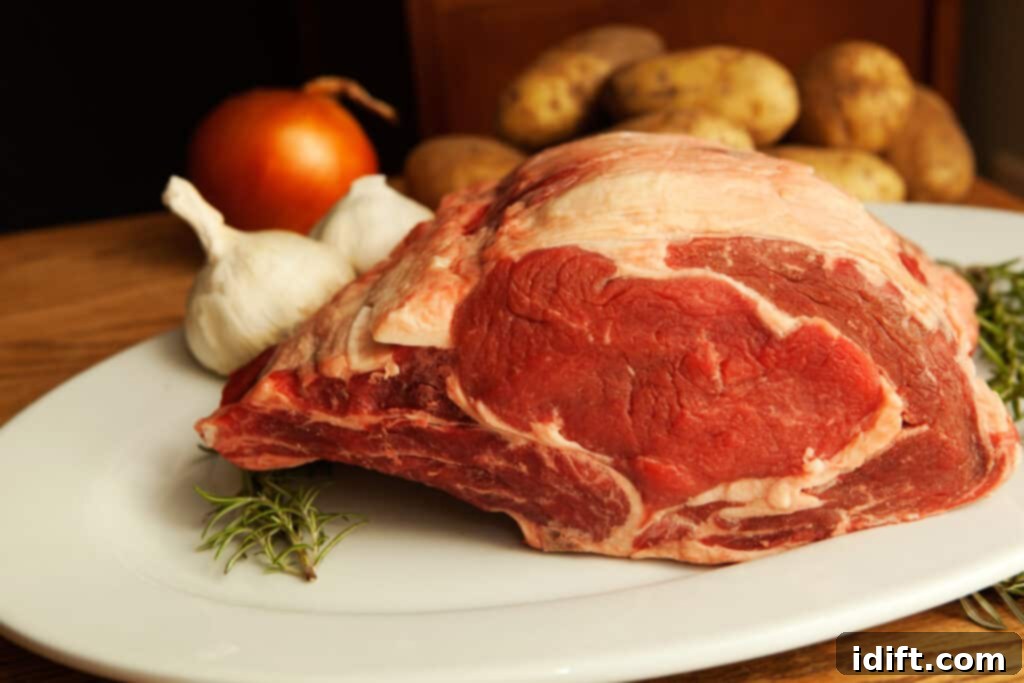
Understanding the distinction between a “cap on” and “cap off” ribeye roast is crucial for making an informed purchase, especially given that the cap is often considered one of the most desirable parts of the roast. The cap, scientifically known as the Spinalis Dorsi, is a distinct flap of muscle located on the top side of the main ribeye muscle (Longissimus Dorsi). It’s heavily marbled, incredibly tender, and bursting with flavor, often prized by chefs and connoisseurs alike for its luxurious texture.
When a standing rib roast is sold “cap off,” it means this fatty, tender cap muscle has been meticulously removed. What remains is primarily the central eye of the ribeye and the attached bones. The reason for its removal is often economic: the ribeye cap is so highly sought after that it’s frequently cut away and sold separately as individual “ribeye cap steaks” or “spinalis steaks,” which command a premium price due to their exceptional quality and limited availability.
A Sneaky Shopping Tip: Be vigilant when shopping. If you notice roasts packaged with the bone side facing upwards, there’s a good chance the cap has been discreetly removed. Some retailers use this packaging trick to obscure the absence of the cap without explicitly disclosing it. Always check the entire roast if you’re looking for the cap-on variety.
However, there’s absolutely nothing inherently wrong with a cap-off ribeye roast. In fact, they are often more readily available and can be a more budget-friendly option. While you might miss the unique texture and richness of the spinalis muscle, the remaining ribeye eye is still an incredibly flavorful and tender cut of beef. This Smoked Ribeye Roast recipe is specifically designed to deliver an amazing culinary experience, even with a cap-off roast, ensuring that the meat you have will be transformed into a delicious, smoky feast.
For more great ideas on smoking various meats, consider exploring a comprehensive guide like “50 Smoker Recipes” to expand your repertoire and master the art of BBQ. Discover more smoker recipes here.
Recommended Smoking Adventures
If you love the idea of smoking delicious cuts of meat, here are a few other fantastic recipes to try on your smoker:
Simple Ingredients for an Extraordinary Roast
Creating a truly exceptional smoked ribeye roast requires surprisingly few ingredients, allowing the incredible natural flavor of the beef to shine through. Quality is key, so choose the best you can find.
- Ribeye Roast: Whether you opt for cap-on or cap-off, select a roast with excellent marbling. A good guideline is to plan for approximately 8 ounces (pre-cooked weight) per person. Remember, this accounts for the weight of the bones as well, so don’t be alarmed if it seems like a lot!
- Olive Oil: A light coating of olive oil serves two primary purposes. First, it helps to hydrate the exterior of the roast, especially if it’s cap-off and has less natural fat on the surface. Second, and crucially, it acts as a binder, helping your chosen seasoning stick evenly and create that delicious crust.
- Montreal Steak Seasoning: This classic blend is my absolute favorite for beef roasts, and for good reason! It’s a perfect combination of coarse salt, robust black pepper, and fragrant garlic, along with other spices that complement beef beautifully. The coarse grind creates an amazing crust and delivers a burst of flavor with every bite. If you prefer, you can certainly create your own rub with similar ingredients, but this blend offers consistent, delicious results.
Essential Equipment for Smoking Success
To achieve that perfectly smoked ribeye roast, having the right tools is just as important as the quality of your ingredients. Here’s what you’ll need to set yourself up for success:
- Traeger Pellet Grill/Smoker (or equivalent): While I often use a Traeger, any reliable pellet smoker or offset smoker that can maintain a consistent low temperature (ideally between 180-250°F / 82-121°C) will work. Consistency is key for achieving that sought-after smoke ring and tender texture.
- High-Quality Wood Pellets: The type of wood you choose significantly impacts the final flavor. For beef, hardwood varieties like hickory, mesquite, or oak are fantastic choices, imparting a strong, robust smoky flavor that stands up well to the richness of the ribeye. A blend designed for beef also works wonderfully. Ensure you have enough pellets for the entire cook.
- Reliable Digital Meat Thermometer: This is arguably the most critical piece of equipment. Nailing the internal temperature is the secret to a perfectly cooked roast, especially a ribeye. An instant-read thermometer for quick checks and a probe thermometer that stays in the meat throughout the cook are both highly recommended. Avoid guessing; precise temperature monitoring ensures your roast is never over or undercooked.
How To Smoke A Cap-Off Ribeye Roast: A Simple Guide
Smoking a ribeye roast to perfection is a rewarding process that yields incredible flavor and tenderness. Even with a cap-off roast, the results will be spectacular if you follow these simple steps. This section provides a concise overview; for a comprehensive list of ingredients and detailed instructions, please refer to the complete recipe card at the bottom of this page.
- Bring to Room Temperature: Approximately one hour before you plan to put the roast on the smoker, remove it from the refrigerator. Allowing the roast to warm up slightly helps it cook more evenly and reduces the overall smoking time.
- Prepare the Roast: Give the roast a quick rinse under cold running water to remove any potential bone chips from butchering, then thoroughly pat it dry with paper towels. A dry surface is crucial for achieving a good crust and allowing the smoke to adhere effectively.
- Apply Olive Oil: Since a cap-off roast has less surface fat, rub the entire exterior liberally with olive oil. This not only adds a touch of moisture but also acts as a fantastic binder for your seasoning, ensuring it sticks beautifully to the meat.
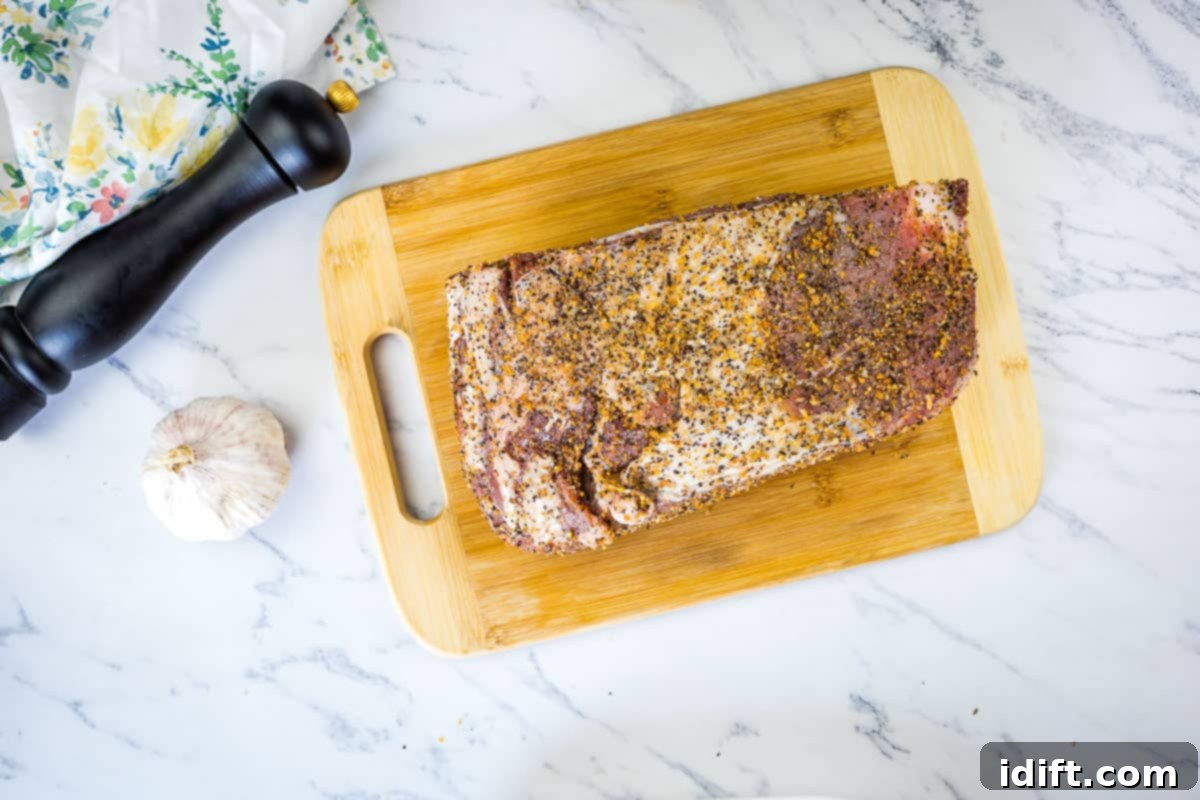
- Season Generously: Sprinkle the roast liberally with your chosen seasoning, like Montreal Steak Seasoning. Don’t be shy; beef benefits from bold seasoning, and some of it will naturally fall off during the smoking process.
- Preheat Your Smoker: Following your manufacturer’s instructions (whether it’s a Traeger or another model), preheat your smoker to the initial temperature.
- Smoke Low and Slow: Place the seasoned roast directly on the smoker grate. Start at a lower temperature, around 180-F (or use a “Super Smoke” setting if available) for about 30 minutes to maximize smoke absorption. Then, increase the smoker temperature to 225F and continue cooking. Monitor the internal temperature closely using a digital meat thermometer. For a perfect medium-rare, aim to pull the roast when it reaches an internal temperature of 125-F.
- Rest the Roast: Once the desired internal temperature is achieved, remove the roast from the smoker. This resting period is critical! Allow it to rest for at least 15-20 minutes, loosely tented with foil, before slicing. This allows the juices to redistribute throughout the meat, resulting in a more tender and juicy final product.
Expert Carving Techniques for Your Ribeye Roast
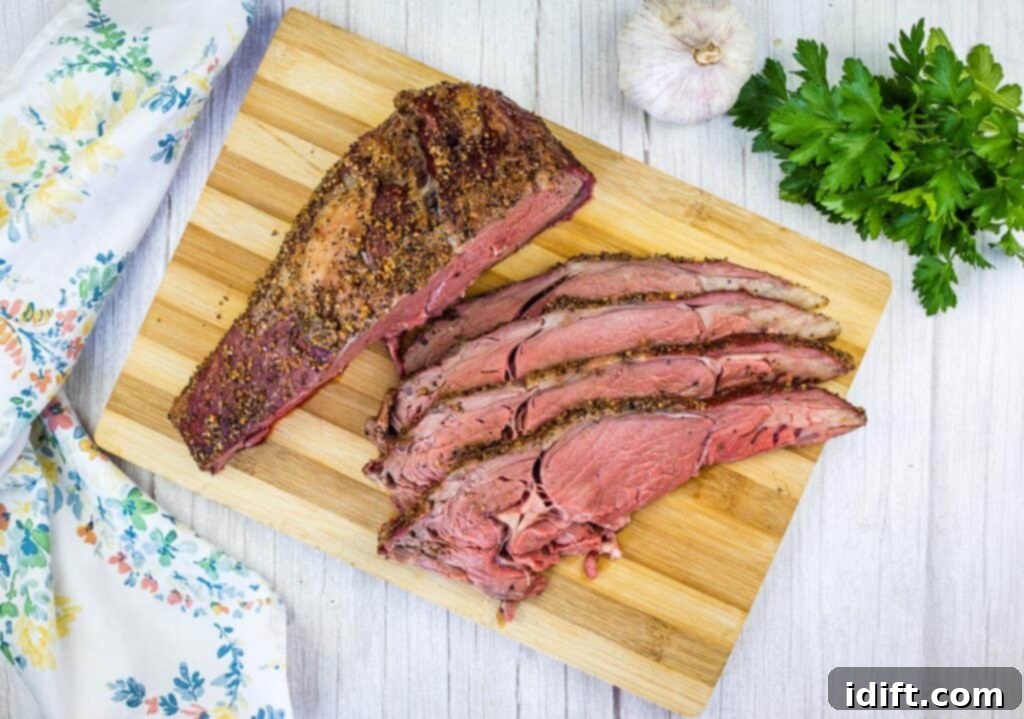
Carving a bone-in ribeye roast can seem daunting due to the presence of those delightful bones, but with a sharp knife and a bit of technique, you’ll be serving perfect slices in no time. The goal is to maximize tenderness and presentation.
- Separate the Bones: Position the roast on a sturdy cutting board, ideally with a well for catching juices. Using a long, very sharp slicing knife (a carving knife with a thin blade is ideal), carefully cut along the curvature of the bones, separating the entire slab of meat from the rib bones. Try to cut as close to the bones as possible to leave as much meat as you can on the main roast.
- Slice Against the Grain: Once the meat is detached from the bones, turn it so that you can clearly identify the grain (the direction of the muscle fibers). For maximum tenderness, it is crucial to slice the meat AGAINST the grain. Using smooth, even strokes, cut the roast into desired thickness, typically ½ to ¾ inch slices.
- Serve the Bones: Don’t discard those bones! There’s often delicious, tender meat still clinging to them. You can cut between each bone to separate them and offer them to your guests – many consider them a special treat.
Chef Jenn’s Essential Tips for a Flawless Smoked Ribeye Roast
Achieving a truly stellar smoked ribeye roast is about more than just following steps; it’s about understanding the nuances that elevate a good meal to a great one. Here are my top tips to ensure your roast is nothing short of perfect:
- Master Cooking Time Variability: Remember that actual cooking time is highly variable and depends on several factors: the exact size and shape of your roast, its starting temperature, and the specific consistency of your smoker. For instance, a 3-bone roast typically takes about 2.5-3 hours at 225°F on a Traeger. Always cook to temperature, not just time. Use a reliable digital thermometer as your guide.
- Seasoning is Your Best Friend: Don’t underestimate the power of liberal seasoning. Beef, especially a robust cut like a ribeye, loves to be well-seasoned. Apply a generous layer of your chosen rub, such as Montreal Steak Seasoning, all over the roast. Be aware that some seasoning will inevitably fall off during the smoking process, so a heavy initial application ensures sufficient flavor penetration and a delicious crust.
- The Critical Art of Resting: This step is non-negotiable! Once your roast reaches its target internal temperature, remove it from the smoker and let it rest, loosely tented with foil, for at least 15-20 minutes (longer for larger roasts). This resting period allows the muscle fibers to relax and the internal juices, which have been pushed to the center during cooking, to redistribute throughout the entire roast. Skipping this step will result in a dry, less flavorful roast with all the delicious juices running out onto your cutting board.
- Maximize Your Leftovers: A smoked ribeye roast is fantastic on its own, but the leftovers are equally versatile and delicious. Don’t let anything go to waste! Save the bones to make a rich, flavorful homemade beef broth or soup. Transform any remaining sliced roast into a hearty roast beef stew, use it for gourmet sandwiches, or even create decadent sliders.
Make It A Meal: Perfect Pairings for Smoked Ribeye Roast
A show-stopping Smoked Ribeye Roast deserves equally impressive accompaniments. Here are some of my favorite suggestions to create a truly memorable meal, offering a balance of flavors and textures:
- Smoked Mashed Potatoes: Creamy mashed potatoes infused with a subtle smoky flavor complement the rich beef perfectly, adding an extra layer of complexity.
- Griddled Asparagus: Lightly charred and tender-crisp asparagus provides a vibrant green, slightly bitter counterpoint to the richness of the meat.
- Smoked Biscuits: Flaky, buttery biscuits with a hint of smoke are ideal for soaking up any delicious juices from the roast.
- Smoked Cauliflower: A whole smoked cauliflower offers a hearty, savory vegetable option that carries the smoky flavor beautifully.
- Blackstone Fried Potatoes: Crispy, flavorful potatoes cooked on a griddle add a satisfying crunch and rustic charm to the meal.
- Potatoes with Sour Cream and Bacon: For a more indulgent side, these loaded potatoes provide a creamy, tangy, and savory element that pairs wonderfully with beef.
Frequently Asked Questions About Smoked Ribeye Roast
Absolutely! Smoked prime rib roast (or ribeye roast) is not just good, it’s outstanding. When cooked low and slow on a smoker, the meat achieves an unparalleled tenderness and juiciness that’s difficult to replicate with other methods. The gentle kiss of smoke infuses the beef with an aromatic depth, creating a flavor profile that’s rich, complex, and incredibly satisfying. Many consider it the superior way to prepare this premium cut of beef.
For optimal results and maximum smoke flavor, I recommend a two-stage smoking process. Start your smoker at a lower temperature, around 180-F (or use a “Super Smoke” setting if your smoker has one) for the initial 30 minutes. This allows the roast to absorb more smoky goodness. After this initial phase, increase the heat to a steady 225-F to finish the cooking process. You can go up to 250-F maximum if you need to speed things up slightly, but maintaining a lower temperature ensures a more tender and flavorful result.
The smoking time for a rib roast can vary significantly based on its size, shape, and initial temperature. As a general guide, a typical 3-bone roast (around 4-5 pounds) will take approximately 2.5 to 3 hours to reach medium-rare doneness at 225-F. However, the most critical factor is the internal temperature of the beef, not the clock. For perfect medium-rare, use a reliable digital meat thermometer and pull the roast off the smoker to rest when it hits 125-F. Remember that the temperature will rise a few degrees during resting.
Step-by-Step Visual Process
Print
Pin
Smoked Ribeye Roast (Cap-Off)
Equipment
- Traeger pellet smoker
- Wood pellets
- Digital meat thermometer
Ingredients
- 4 pound ribeye roast
- 2 tablespoons olive oil
- 1/4 cup Montreal Steak Seasoning
Instructions
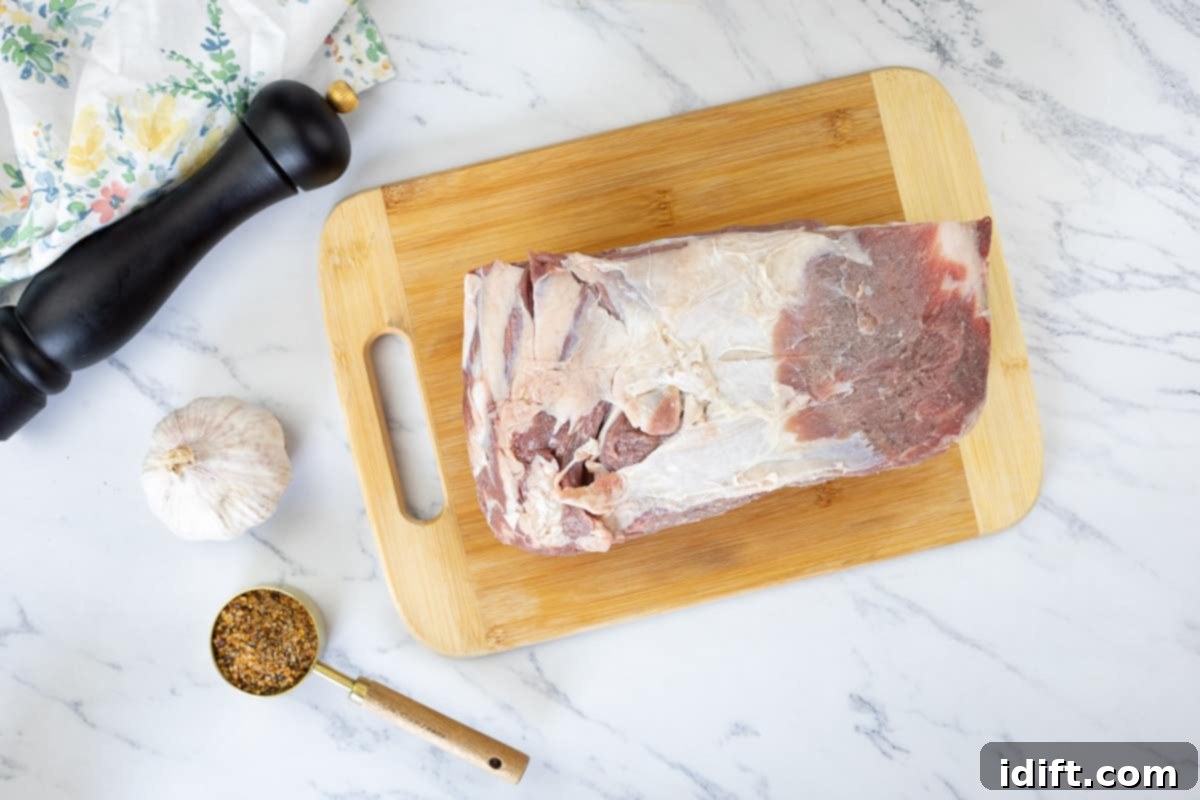
- Remove the roast from the fridge about an hour before putting it on the smoker. This will allow the roast to warm up a bit, reducing the time it needs on the smoker.
- Rinse the roast under running water to remove any bone chips, then pat it dry with paper towels.
- Rub the roast all over with olive oil. With the cap removed, the roast needs a bit more fat and the olive oil will also help the rub stick to the meat.
- Sprinkle the roast liberally with the Montreal Steak Seasoning.
- Preheat your Traeger smoker as per the manufacturer’s instructions (or whatever smoker you’ll be using).
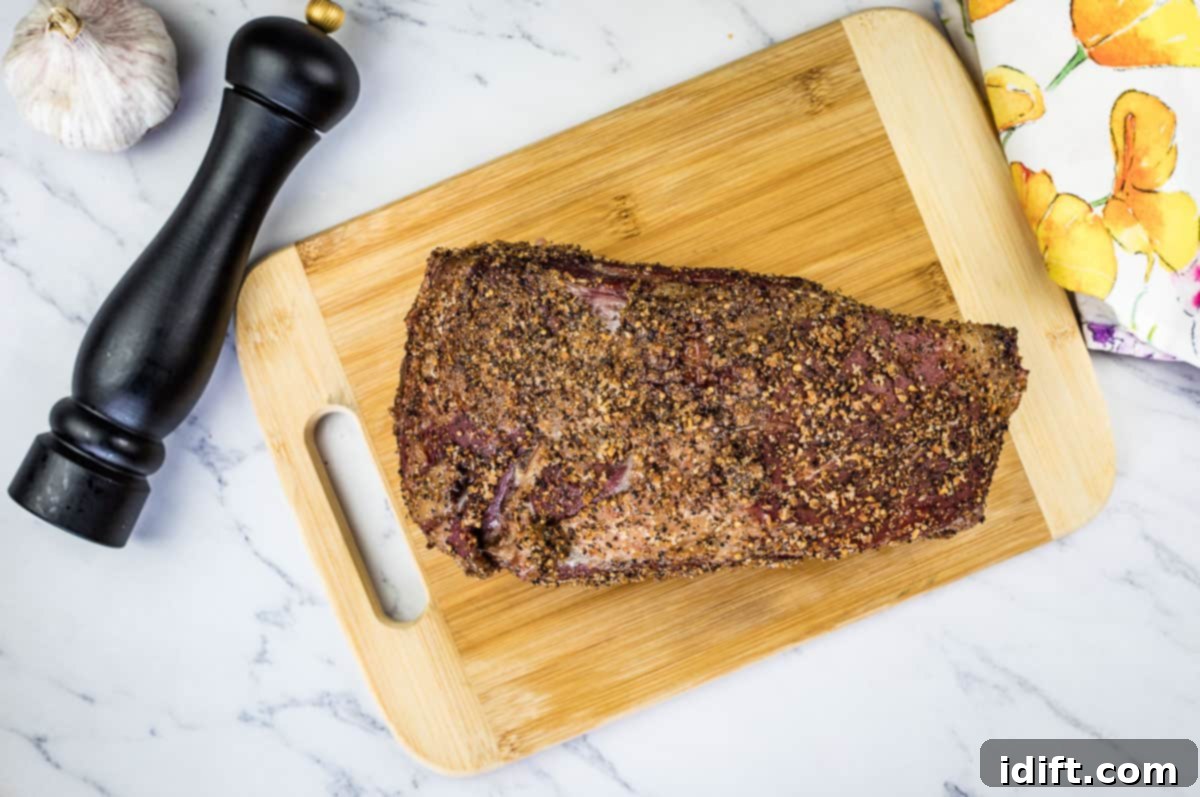
- Place the well-seasoned roast onto the smoker at 180-F (or supersmoke) for about 30 minutes, then turn the heat to 225F and continue cooking until the roast reaches an internal temperature of 125-F for medium rare.
- Remove the roast when the internal temp reaches 125-F and let it rest for at least 15 minutes before slicing.
Notes
Nutrition
A Note on Nutritional Information
Nutritional information for this recipe is provided as a courtesy and is calculated based on available online ingredient information. It is only an approximate value. The accuracy of the nutritional information for any recipe on this site cannot be guaranteed.
Want More Delicious and Easy Recipes?
- Steaks on the Blackstone
- Smoked Lamb Chops
- Leftover Roast Beef Stroganoff
- Smoked Asparagus
- Smoked Shotgun Shells