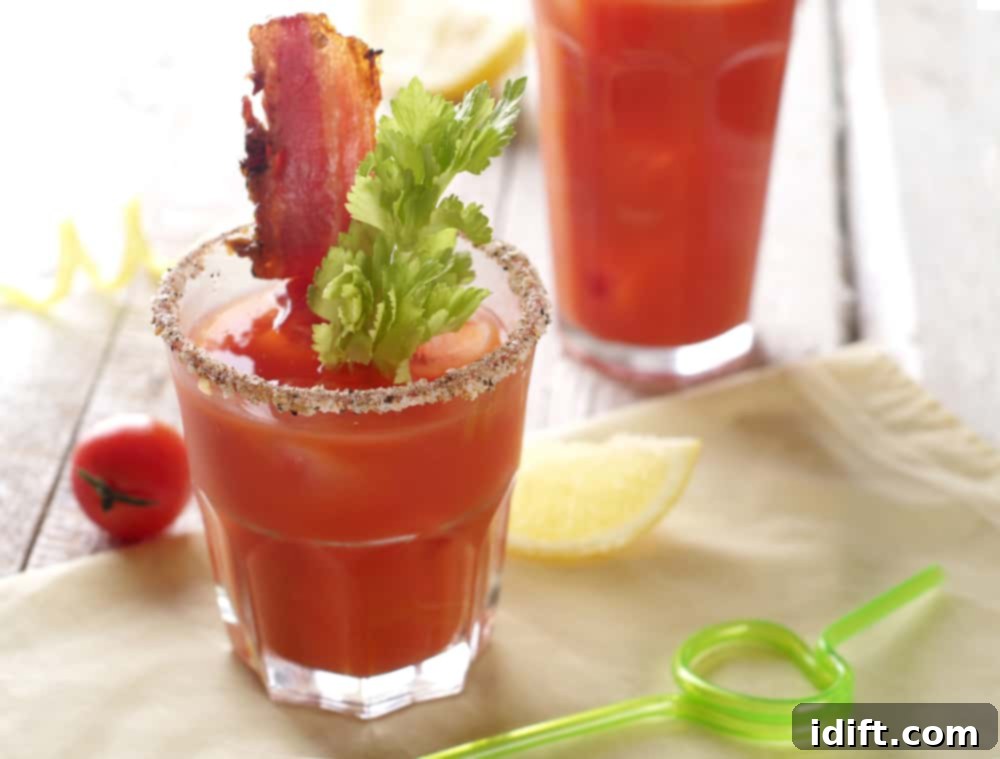
For generations, the sophisticated allure of the martini and the invigorating kick of the Bloody Mary have cemented their status as indispensable mainstays on bar and restaurant menus globally. Yet, the landscape of libations is evolving. Beyond their traditional strongholds, savory cocktails are no longer niche curiosities but are confidently claiming their rightful place alongside their sweeter counterparts, reflecting a broader shift in our collective culinary palate.
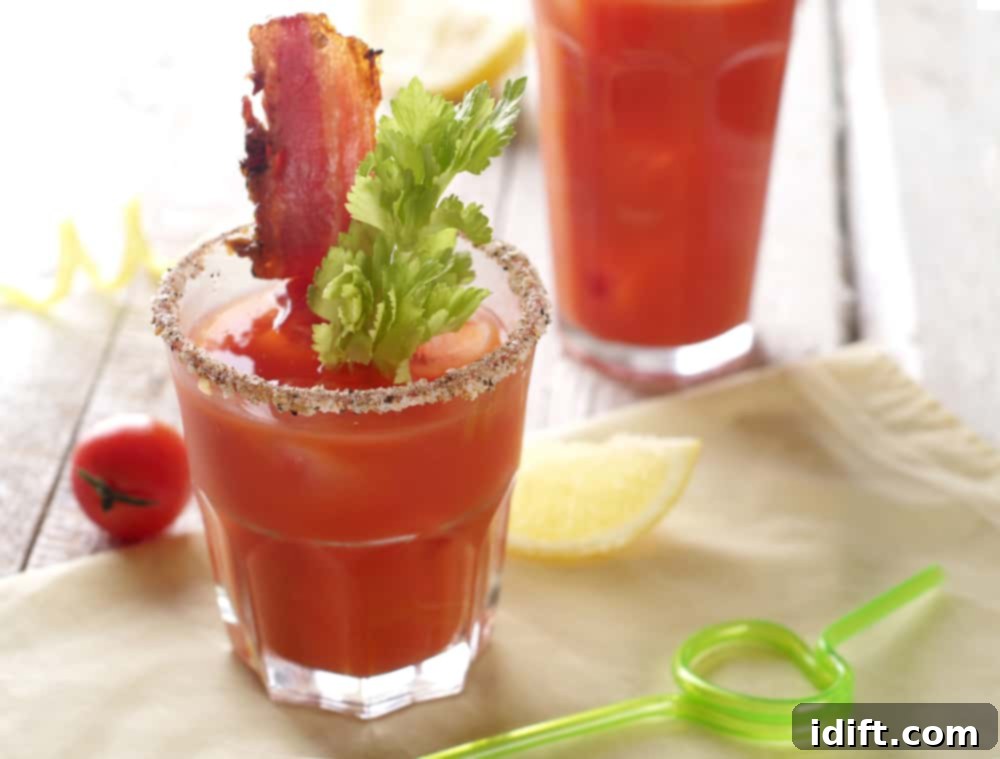
These intriguing beverages offer a complex tapestry of flavors—salty, smoky, briny, spicy, and the elusive umami—that are just as gratifying and immensely enjoyable as any dessert-like concoction. For those yet to venture into this captivating realm, preparing for a delightful surprise. Savory drinks are seamlessly integrating into diverse dining experiences, gracing menus from invigorating breakfast and brunch services with classics like the Bloody Mary to innovative, experimental offerings during happy hour and elegant evening dinners. This trend signifies a mature appreciation for depth and balance in mixology, moving beyond the simple sugar rush to explore a more sophisticated spectrum of taste.
What Defines a Savory Cocktail?
At its core, a savory cocktail is an alcoholic beverage characterized by its prominent display of flavors typically associated with meals rather than desserts. These are drinks that prioritize salty, briny, smoky, and often spicy or herbaceous notes. Unlike many popular sweet cocktails that rely on fruit juices, liqueurs, or simple syrup for their primary flavor profile, savory cocktails consciously dial down the sweetness, sometimes eliminating it entirely. Instead, they champion ingredients like tomato juice, olives, capers, jalapeños, fresh herbs, or various bitter liqueurs and tinctures to construct their unique taste.
A significant characteristic of many savory cocktails is their “spirit-forward” nature. This means the base alcohol—be it gin, vodka, tequila, or mezcal—is intended to be the star of the show, its nuanced flavors and aromas taking precedence over the mixers. The iconic martini exemplifies this perfectly, where the crisp botanical notes of gin or the clean character of vodka are subtly enhanced by dry vermouth and a hint of olive brine, allowing the spirit to truly shine through. This approach appeals to those who appreciate the craft and complexity of the spirits themselves, seeking a drink where the alcohol contributes significantly to the overall flavor experience rather than merely serving as a vehicle for sugary additions.
The rise of savory cocktails is a testament to the evolving palate of drinkers, mirroring a broader culinary trend towards umami-rich and less overtly sweet dishes. Gen La Rocca, a respected voice from Two Cloves Kitchen, passionately articulates this preference: “My favorite cocktails are savory cocktails, particularly Bloody Marys and martinis. I prefer a Bloody Mary as a brunch drink and a martini at dinner.” This sentiment underscores the versatility of these drinks, proving they can complement any meal, at any time of day, with their distinctive and gratifying flavors.
The Enduring Appeal of Bloody Marys
Among the pantheon of savory cocktails, the Bloody Mary reigns supreme as perhaps the most universally recognized and beloved. This iconic vodka-based cocktail is celebrated for its robust tomato juice base, expertly seasoned with a dynamic blend of horseradish, garlic, lemon juice, a dash of hot sauce, and the unmistakable depth of Worcestershire sauce. Its flavor profile is incredibly versatile, ranging from a mild and refreshing zest to an intensely spicy kick, tailored to individual preference. Beyond its taste, the Bloody Mary’s vibrant color and often elaborate garnishes make it an instant eye-catcher.
While this spirited tomato drink unequivocally plays a starring role at brunch tables, it rarely appears on evening menus, cementing its status as a daytime favorite. It famously earned the moniker “hangover cure,” a testament to its widespread enjoyment in the mornings or afternoons following a lively night out. Its rich, somewhat substantial texture, combined with the perceived restorative properties of tomato juice and spices, makes it a popular choice for those seeking a “hair-of-the-dog” remedy. The Bloody Mary is also a perennial favorite for travel, often ordered on airplanes, and is a staple at sporting events, tailgates, and watch parties, where its bold flavors perfectly complement the festive atmosphere.
La Rocca further emphasizes its perfect synergy with food, noting, “A Bloody Mary pairs well with savory breakfast foods, like eggs and potatoes.” Indeed, its complex, spicy, and tangy notes cut through the richness of morning meals, enhancing the overall dining experience.
The Bloody Mary’s true genius lies in its remarkable versatility and customizability. While vodka is the classic spirit, this adaptable concoction readily embraces other core spirits. Innovative bartenders and home mixologists frequently experiment with tequila (creating a “Bloody Maria”), gin (“Red Snapper”), rum, or even whiskey, each offering a unique twist on the original. Homemade Bloody Mary mixes allow for endless personalization, from selecting specific hot sauces to infusing spirits with various spices.
Another defining feature of the Bloody Mary is its legendary garnishes, which elevate it from a simple drink to an extravagant culinary statement. Bartenders frequently prepare the glass with a flavored salt rim—chili-lime, celery salt, or smoked salt are popular choices—before the drink is poured. Then comes the spectacle of the toppings. Classic garnishes include crisp celery stalks, zesty lemon wedges, plump olives, and tangy pickles. However, the modern Bloody Mary often transforms into a miniature meal, adorned with shrimp, crispy bacon, various herbs, and even skewered mini-sliders, hard-boiled eggs, or slices of pizza. These over-the-top presentations are not just for taste; they are designed to capture attention and ignite social media buzz, turning each Bloody Mary into an interactive, shareable experience.
The Timeless Elegance of Martinis
In stark contrast to the boisterous brunch appeal of the Bloody Mary, the martini embodies an understated elegance and sophistication, solidifying its status as the quintessential evening savory cocktail. Famously immortalized by James Bond, who invariably ordered his movie cocktail “shaken, not stirred,” the martini is a symbol of refinement. It’s the preferred choice for happy hour, a pre-dinner drink, or a refined accompaniment to a meal at a fine dining establishment.
As La Rocca perfectly encapsulates, “Martinis are the best for dinners out. They’re the classic accompaniment to a steakhouse meal.” Its crisp, clean profile beautifully complements rich, savory dishes without overwhelming the palate.
While Bond’s preference for “shaken” is iconic, the traditional method for preparing a martini is to stir it. Stirring gently chills and dilutes the ingredients to perfection, creating a silky texture and preventing the aeration that can occur with shaking, which might “bruise” the gin or vodka and cloudy the drink. A classic martini typically features gin (though vodka is a popular alternative), dry vermouth, which imparts a subtle herbaceousness and smooth texture, and often a dash of bitters. It’s garnished simply with a twist of lemon peel or a few green olives, hence its alternative name, the “dry martini.”
The martini’s simplicity belies its incredible versatility, leading to a rich tapestry of well-known variations, each offering a distinct experience:
- Vodka Martini: A popular contemporary take, this version substitutes gin with vodka, appealing to those who prefer a cleaner, less botanical spirit profile while maintaining the martini’s spirit-forward character.
- 50/50 Martini: Breaking from the gin-heavy classic, the 50/50 martini uses equal parts gin (or vodka) and dry vermouth. This amplifies the vermouth’s floral and herbaceous notes, resulting in a softer, more aromatic, and less alcoholic drink.
- Dirty Martini: For those who crave an extra layer of savory depth, the dirty martini is mixed with a splash of olive brine and typically garnished with extra olives. Ordering it “extra dirty” or “filthy” means a more generous pour of the salty brine, delivering an intense umami kick that many find utterly irresistible.
- Vesper Martini: A creation of Ian Fleming, the author of the James Bond series, the Vesper martini is named after the character Vesper Lynd. It’s a potent blend of gin, vodka, and Lillet Blanc (a French aperitif wine), garnished with a large lemon peel. It’s a testament to the versatility of the martini concept within the world of fiction and reality.
- Pickle Martini: Similar in concept to the dirty martini, the pickle martini replaces olive brine with pickle brine, offering a tangy, sour, and distinctly briny flavor profile. It is often garnished with pickle slices or cornichons, making it a unique savory option for pickle enthusiasts.
- Gibson: This variation adheres to the traditional martini proportions but stands out with its garnish: a pickled onion instead of olives or a lemon twist. The pearl onion adds a subtle sweetness and sharp, tangy counterpoint to the spirit, offering a different savory dimension.
Mandy Applegate from Splash of Taste eloquently captures the allure of a specific savory iteration: “For me, the dirty martini isn’t just another savory cocktail; it’s an experience. That salty kick from the olive brine just nails it. It wakes up your palate and says, ‘Hey, pay attention, something awesome is happening here.’ It’s the one drink that always keeps me coming back for another round.” This highlights the profound sensory impact savory cocktails can have, truly engaging the drinker’s palate.
Beyond the Classics: Exploring Modern Savory Mixology
While the Martini and Bloody Mary remain the undisputed champions of the savory cocktail world, contemporary mixologists are pushing boundaries, adding a thrilling array of unique savory concoctions to bar menus. This innovative spirit is transforming the cocktail landscape, encouraging exploration of ingredients traditionally confined to the kitchen.
A significant trend involves harnessing the natural sweetness and earthiness of various vegetable juices. Beyond tomato, juices made from beets, cucumbers, carrots, and celery are being expertly blended with a diverse range of spirits—from gin and vodka to tequila and mezcal—to create unexpectedly delicious and complex drink flavors. These vegetable-forward cocktails offer a refreshing, often nutrient-rich alternative to fruit-heavy options and can even be crafted without alcohol, creating sophisticated savory mocktails for all to enjoy.
Spice is another dimension being thoroughly explored. Many contemporary drinks embrace a fiery profile, incorporating elements like jalapeño-infused tequila, a generous dash of artisanal hot sauce, or even muddled chili peppers. Others delve into the realm of smoke, featuring smoky spirits such as mezcal, or employing techniques like serving cocktails in smoked glasses, using smoked ice, or incorporating liquid smoke for a rich, aromatic depth. Then there are the truly innovative umami-laden drinks, which might feature ingredients like miso paste for its fermented richness, or even subtle mushroom essences, adding an unparalleled depth and earthiness to the beverage.
Salty rims, much like those found on a classic margarita, are not merely decorative but serve as a crucial flavor enhancer and an integral part of the drinking experience. Beyond traditional salt, bartenders experiment with flavored salts like chili-lime seasoning, a mix of salt and pepper, smoked salt, or even dehydrated vegetable powders, adding another layer of complexity and an enticing visual appeal. These rims prepare the palate for the drink itself, creating a harmonious interplay of flavors from the very first sip.
Michelle Price of Honest and Truly shares her personal favorite, illustrating this modern approach: “My favorite is an Oaxaca cooler with a smoky mezcal, cucumber, lemon, and chili salt. It is a great balance of smoky, sour, and spicy at the same time, without being overpowering in any dimension. It’s a strong cocktail, but it’s perfect for sipping during dinner.” This sentiment perfectly encapsulates the sophisticated balance and nuanced flavors that define the best of modern savory mixology.
Pairing Savory Cocktails with Food: A Culinary Symphony
One of the most compelling advantages of savory cocktails lies in their exceptional ability to complement a wide array of foods, elevating the dining experience in a way that sweet drinks often cannot. Unlike sugary concoctions that can clash with or overwhelm the flavors of a meal, savory drinks act as a sophisticated bridge, enhancing and harmonizing with the dishes they accompany.
At brunch, a Bloody Mary is the undisputed champion. Its robust, spicy, and tangy profile stands up beautifully to hearty breakfast foods such as eggs Benedict, crispy bacon, savory sausages, potato hashes, and even breakfast burritos or quiches. The acidity helps to cut through richness, while the spice awakens the palate.
As the day progresses to happy hour or dinner, martinis and other spirit-forward savory drinks truly shine. Their crisp, clean, or umami-rich notes pair exquisitely with cheesy, salty appetizers like charcuterie boards, gourmet nuts, olives, bruschetta, or artisanal cheeses. For main courses, they are a superb accompaniment to a variety of cuisines. Think of the classic martini alongside a perfectly cooked steak, roasted chicken, or rich pasta dishes with robust sauces. A smoky mezcal cocktail might perfectly complement grilled meats or spicy tacos, while a vegetable-infused drink could enhance a vibrant salad or a delicate seafood dish. The bitterness and complexity often found in savory cocktails can cleanse the palate between bites, allowing each flavor of the food to be fully appreciated.
Price highlights this key distinction: “I enjoy savory cocktails because they tend to go better with meals and food. While I enjoy a good sweet cocktail, they don’t tend to pair well with whatever I am eating at the time.” This observation underscores the functional elegance of savory drinks, positioning them as an integral part of a balanced culinary experience rather than a standalone indulgence.
It is generally advisable to savor your savory cocktail before dessert. Should you desire a drink to accompany your sweet finale, consider ordering a dedicated dessert martini, crafted with sweet liqueurs and creamy elements designed specifically for that purpose. While savory cocktails are indeed a far cry from overtly sweet drinks like the refreshing mojito, their versatility, depth, and sophisticated flavor profiles make them incredibly worthwhile drinks to sip and savor throughout the entire day—from a lively brunch to an elegant happy hour, and through a sophisticated dinner. The next time you encounter one on a menu, don’t hesitate; give a savory cocktail a shot. Your taste buds are in for a truly delightful and unexpected journey.
This article originally appeared on Food Drink Life.