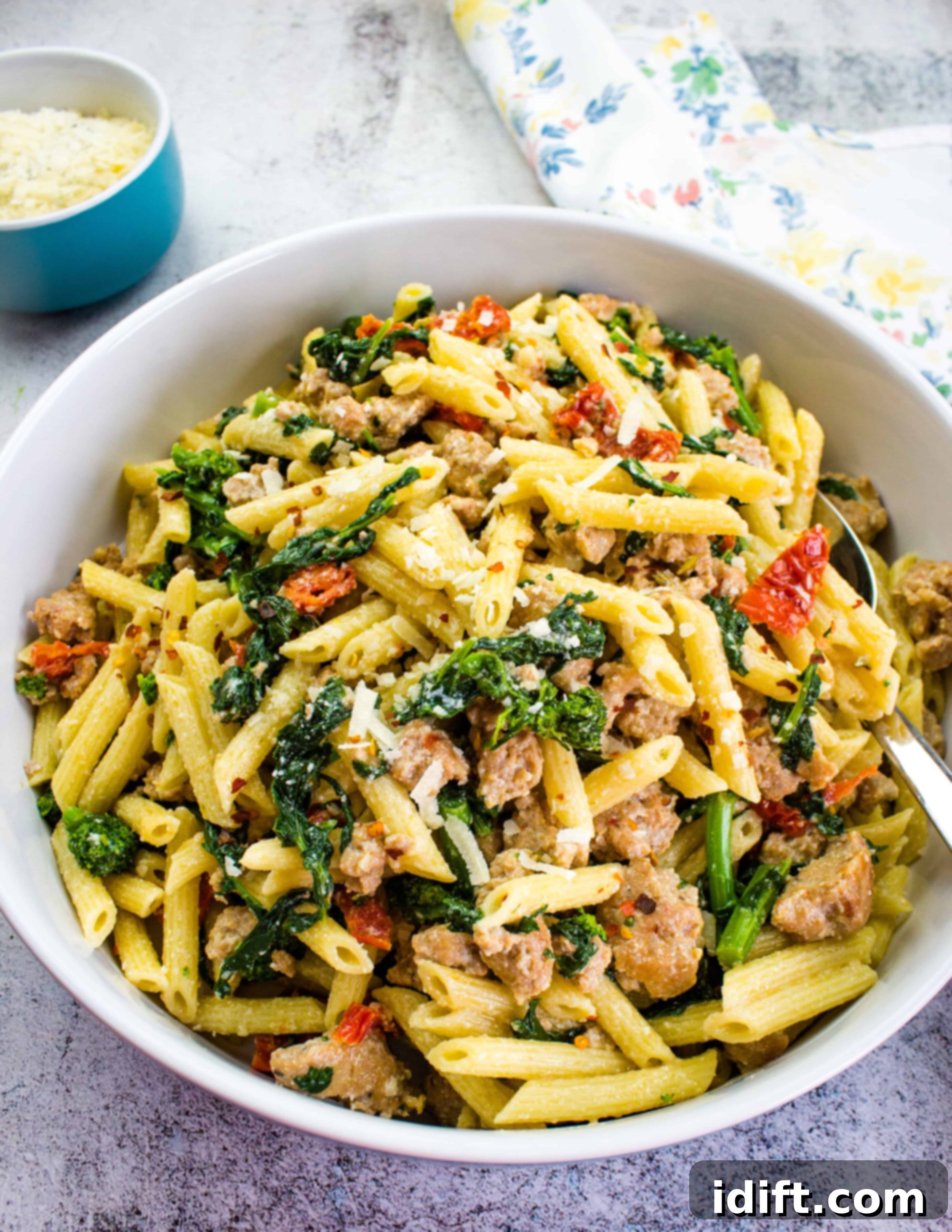
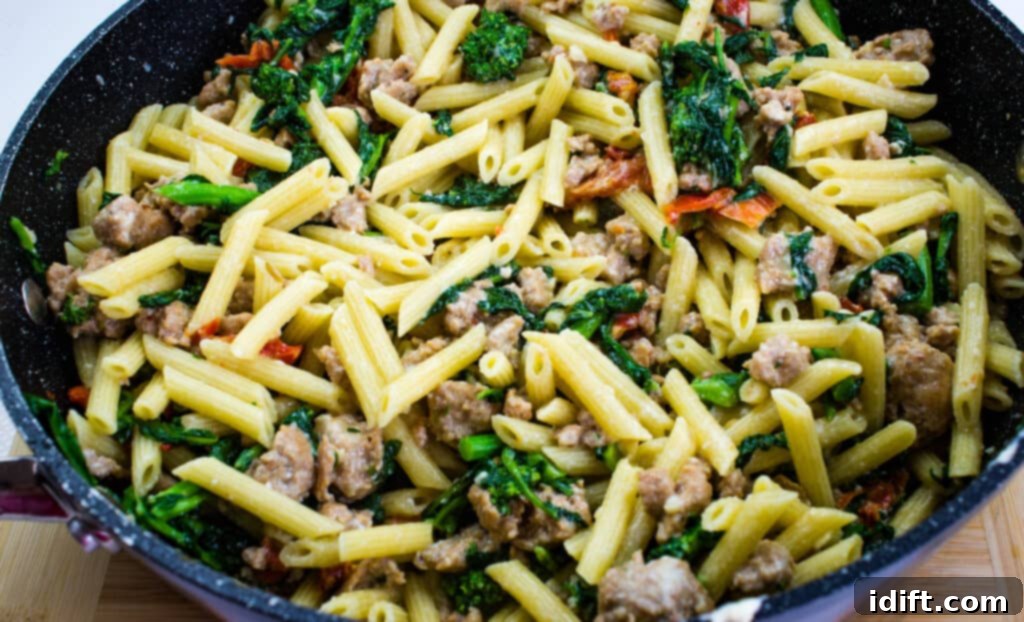
Prepare to indulge in a truly satisfying Italian-inspired culinary experience! This stunning Sausage & Broccoli Rabe Pasta dish is a testament to the idea that sophisticated flavors can be achieved with simplicity and speed. Imagine succulent chunks of savory Italian sausage, perfectly balanced by the vibrant, slightly bitter crunch of fresh broccoli rabe, all lovingly coated in a rich, harmonious sauce that ties every ingredient together. This isn’t just dinner; it’s a celebration of robust, authentic flavors that will make it a winner at your table every single time. Get ready to discover the secrets to perfecting this incredible pasta dish, transforming your weeknight meal into a gourmet delight!
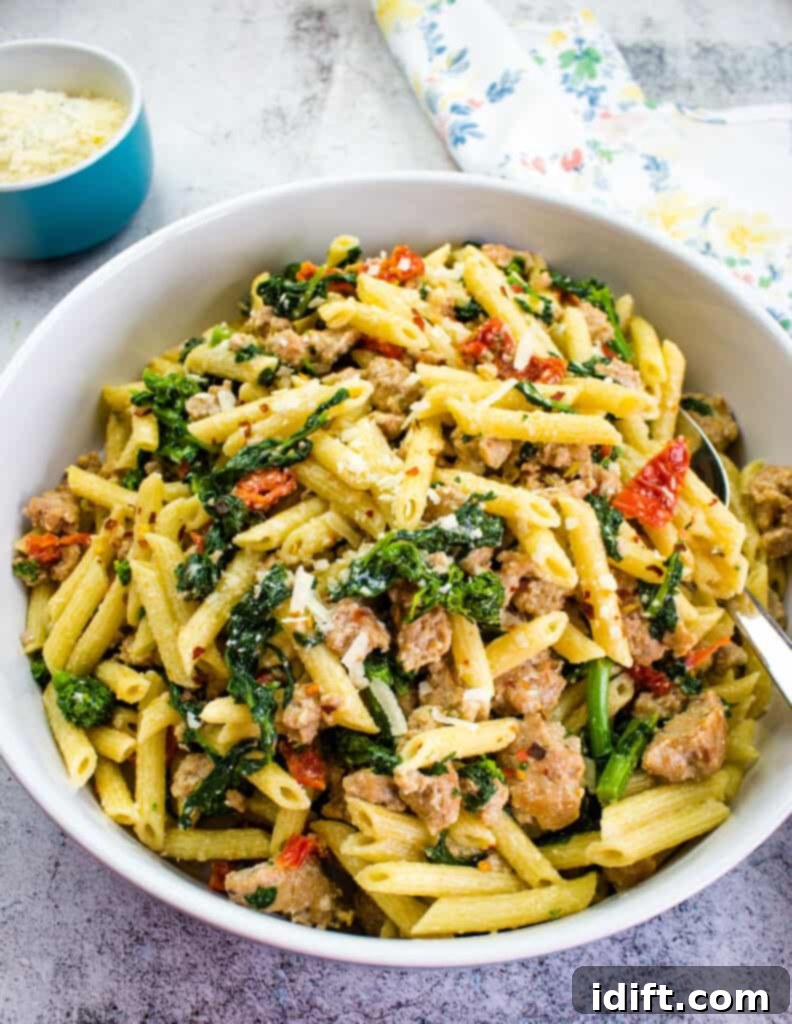
Why This Sausage & Broccoli Rabe Pasta Will Be Your New Favorite
This dish masterfully combines meaty richness, bright greens, and an incredibly flavorful, nuanced sauce that’s far greater than the sum of its parts. It’s a truly hearty pasta creation that delivers on both taste and convenience. What makes it even more appealing is its surprising ease of preparation. You can have this exquisite meal ready and on the table in about the same time it takes to boil your pasta, making it perfect for busy weeknights or when you simply crave something delicious without a fuss. We’re talking about fresh, wholesome ingredients coming together to create a symphony of flavors and textures that will impress both family and guests alike. Let’s delve into what makes this recipe an absolute must-try!
Key Ingredients for an Authentic Italian Experience
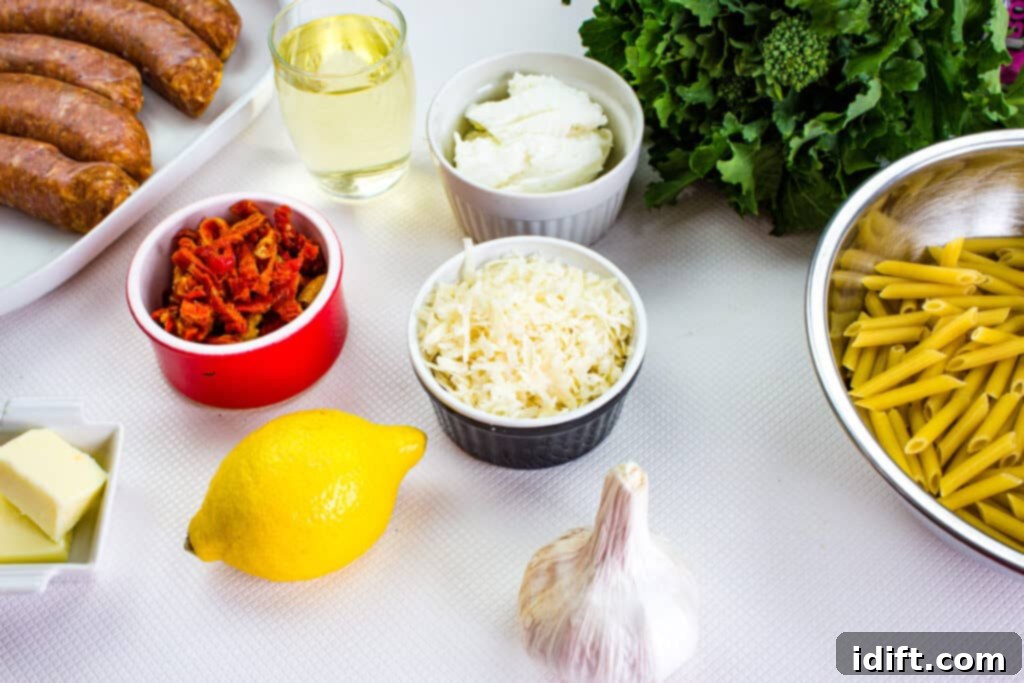
Crafting the perfect Sausage & Broccoli Rabe Pasta starts with selecting high-quality ingredients. Each component plays a crucial role in building the dish’s distinct flavor profile. Here’s what you’ll need, along with some insights to help you make the best choices:
- Pasta: While I’ve used penne for its ability to perfectly cradle the sauce and small pieces of sausage and broccoli rabe, feel free to experiment with other short pasta shapes like orecchiette, cavatappi, or rigatoni. These shapes are ideal because they hold up well to the robust sauce and ensure every bite is packed with flavor. Avoid long, thin noodles like spaghetti, as they tend to get tangled and don’t integrate as well with the chunky ingredients.
- Sausage: The choice of sausage significantly impacts the dish’s character. Hot Italian sausage will add a delightful kick, while sweet Italian sausage offers a milder, more aromatic profile with notes of fennel. You can also mix both for a balanced heat. High-quality pork sausage is traditional, but lean turkey or chicken sausage can be used for a lighter option.
- Broccoli Rabe (Rapini): This unique cruciferous vegetable is the star green of our dish. Always choose fresh broccoli rabe with firm stems and vibrant green leaves and florets. A thorough wash is essential before cooking to remove any grit.
- White Wine: A dry, drinkable white wine is recommended. Varieties like Pinot Grigio, Sauvignon Blanc, or a dry Vermouth work wonderfully to deglaze the pan and add depth, brightness, and a subtle acidity to the sauce. Avoid sweet wines, as they will alter the intended flavor. If you prefer to cook without alcohol, a good quality chicken or vegetable broth can be substituted, though the flavor profile will be slightly different.
- Sundried Tomatoes: These concentrated bursts of umami and sweetness are indispensable. Whether packed in oil or dry, sundried tomatoes add a rich, intense tomato flavor. If using oil-packed, drain them well. If using dry, I’ll share a tip below on how to rehydrate them perfectly for this recipe.
- Garlic: Fresh garlic is paramount. Minced finely, it provides the aromatic backbone of the sauce. Avoid pre-minced jarred garlic for the best flavor.
- Ricotta Cheese: This creamy, mild Italian cheese lends a luxurious texture and subtle sweetness to the sauce, balancing the bitterness of the broccoli rabe and the spice of the sausage. Opt for a good quality whole milk ricotta for optimal creaminess.
- Parmesan Cheese: Freshly shredded Parmesan (Parmigiano-Reggiano) is key for garnish and for stirring into the sauce. Its salty, nutty notes are crucial for finishing the dish.
- Butter: A touch of salted or unsalted butter at the end adds richness and helps emulsify the sauce, giving it a silky finish.
- Lemon Juice & Zest: Fresh lemon juice and zest provide a bright, zesty counterpoint to the savory sausage and rich sauce. The acidity cuts through the richness, while the zest adds an aromatic lift that awakens the palate.
- Olive Oil: A good quality extra virgin olive oil is used for browning the sausage (if needed) and forms the foundation of the sauce.
Unveiling Broccoli Rabe: A Unique Italian Green
Broccoli rabe, often referred to as rapini, is a fascinating and flavorful vegetable that might not be as common as traditional broccoli in North America, but holds a revered place in Italian cuisine. Despite its name, it’s not a true broccoli but rather a relative of the turnip, belonging to the brassica family. It boasts a distinctive appearance, often described as a cross between spinach and slender broccoli, with leafy greens, small florets resembling miniature broccoli heads, and crisp, edible stems.
What sets broccoli rabe apart is its wonderfully complex flavor profile. It’s known for a pleasant, slightly bitter edge that is beautifully tempered when cooked, especially when paired with rich ingredients like Italian sausage. This bitterness is a hallmark of many Mediterranean greens and is often what connoisseurs seek. Unlike some vegetables where only the florets are used, you can enjoy the entire bunch of broccoli rabe—stems, leaves, and florets—after simply trimming off the very ends of the fibrous stems. A good rinse under cold water is all that’s needed to prepare this versatile green for your culinary adventures, ensuring it’s free from any lingering garden soil.
More Delicious Pasta & Seafood Inspirations
The Art of Crafting Your Sausage & Broccoli Rabe Pasta: A Step-by-Step Guide
This recipe for broccoli rabe and sausage pasta is designed for both ease and maximum flavor. Follow these detailed steps to create a dish that’s rich, creamy, and utterly irresistible. For a precise list of ingredients and their measurements, please refer to the comprehensive recipe card at the end of this page.
- Cook the Pasta to Perfection: Begin by boiling your chosen pasta shape in generously salted water according to the package directions. It’s crucial to cook the pasta until it’s al dente – meaning it still has a slight bite to it. Before draining, make sure to reserve about one cup of the starchy pasta cooking water. This liquid is a chef’s secret weapon, as it will be used later to emulsify and enrich your sauce. Once drained, set the pasta aside.
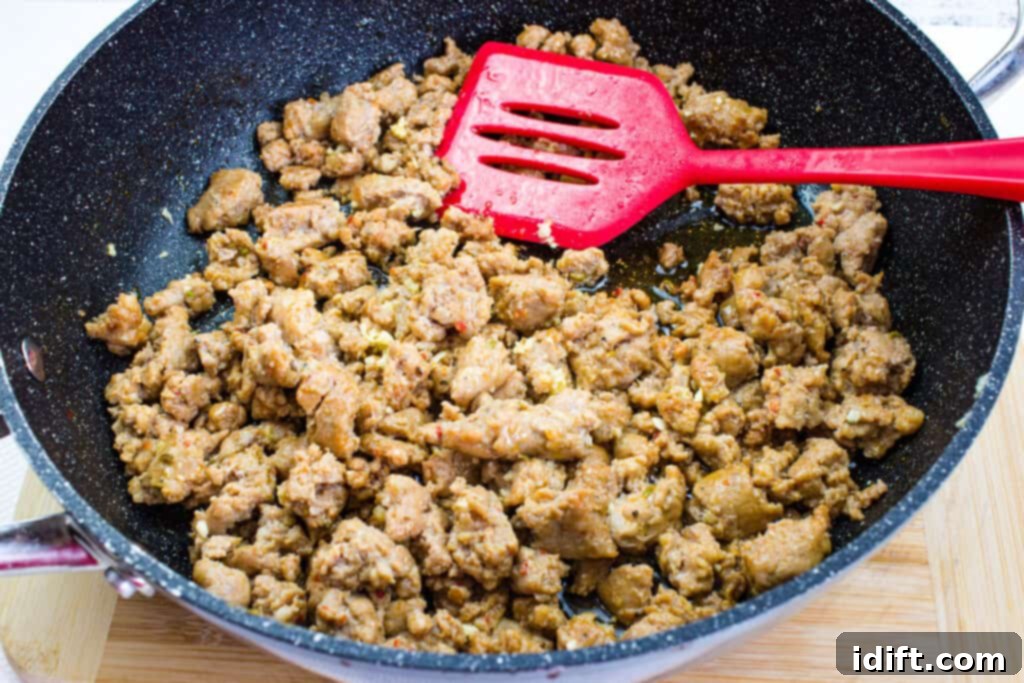
- Brown the Sausage: While your pasta is cooking, heat a large skillet over medium-high heat. This skillet will be where you build your entire sauce, so ensure it’s spacious enough to accommodate all the ingredients. Add the Italian sausage (hot or sweet, as preferred), breaking it up with a spoon as it cooks. Allow it to brown thoroughly, developing a beautiful caramelized crust. If your sausage is lean, a tablespoon of olive oil might be needed to prevent sticking. Once browned, carefully drain off any excess fat from the skillet, leaving just a thin layer for flavor.
- Infuse with Garlic: To the skillet with the browned sausage, add the minced fresh garlic. Cook for another one to two minutes, stirring constantly, until the garlic becomes fragrant and lightly golden. Be careful not to burn the garlic, as this can impart a bitter taste.
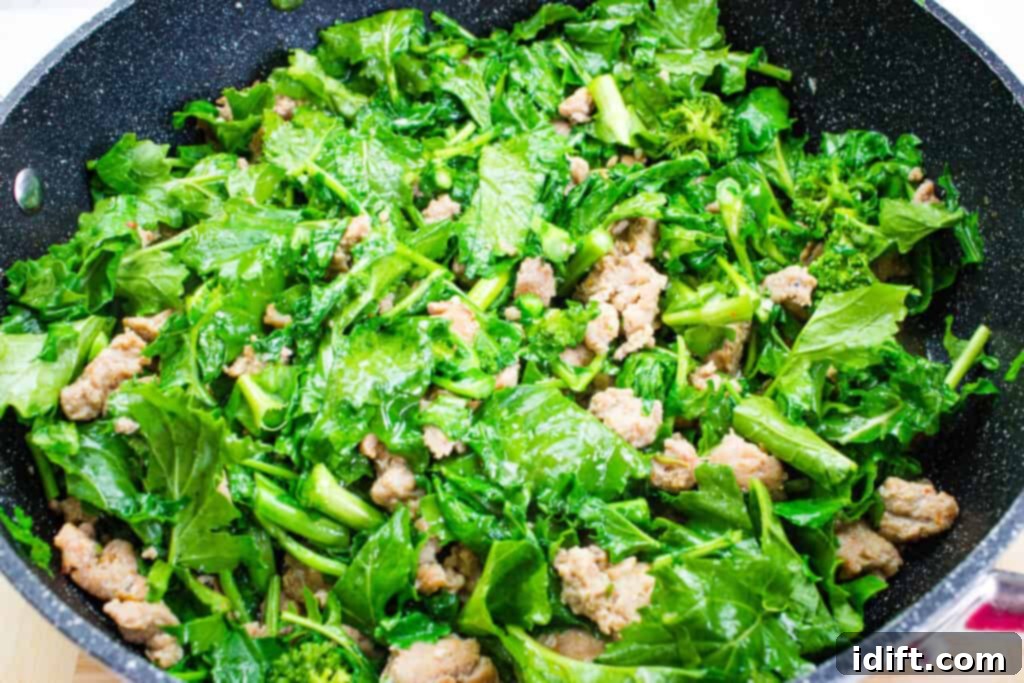
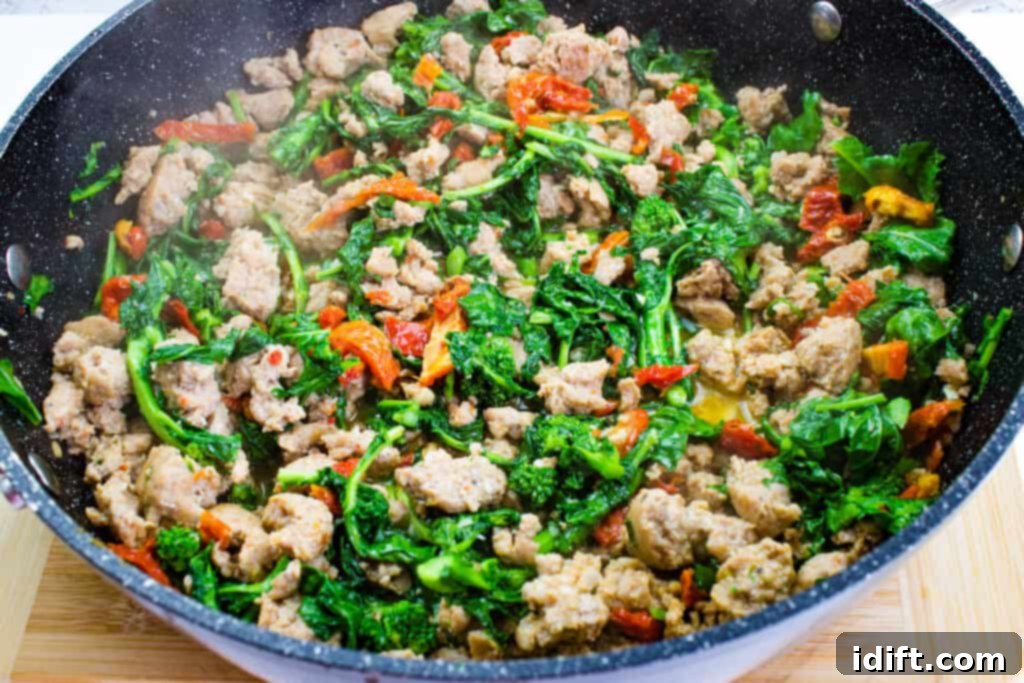
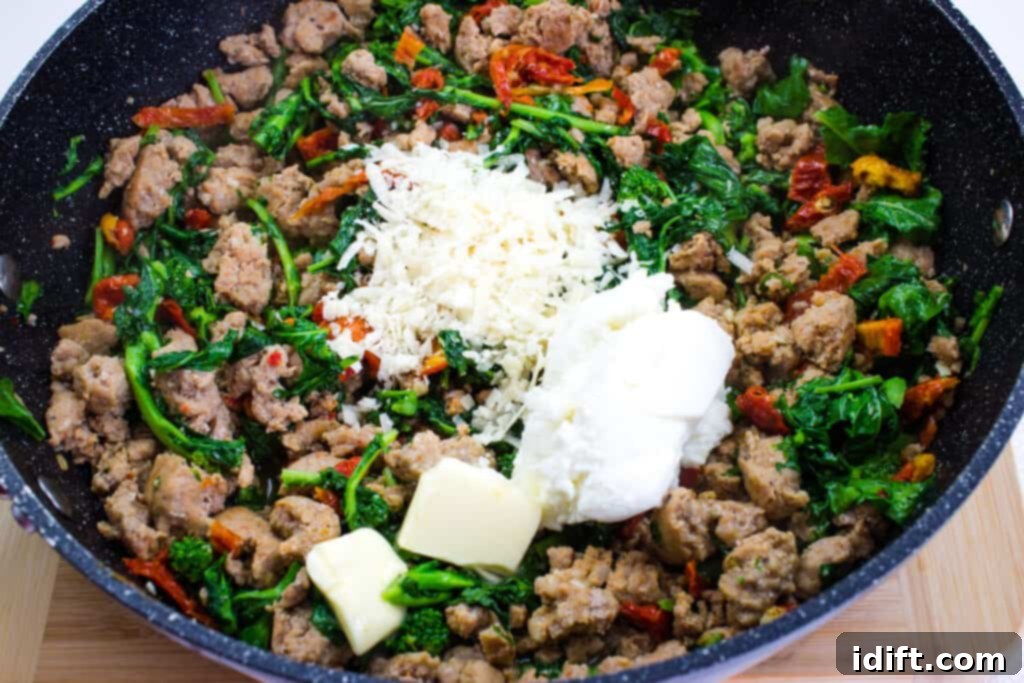
- Add the Greens and Deglaze: Pour in the white wine to deglaze the pan, scraping up any delicious browned bits from the bottom of the skillet. Immediately add the chopped broccoli rabe. Don’t be alarmed by the volume; it will quickly wilt down as it cooks. Continue to cook for 3-4 minutes, stirring occasionally, until most of the liquid has evaporated and the broccoli rabe is tender-crisp and bright green. Stir in the sundried tomatoes and ricotta cheese, heating the mixture through until it just begins to gently simmer.
- Combine and Create the Sauce: Now, add the cooked al dente pasta directly into the skillet with the sausage and broccoli rabe mixture. Toss everything together vigorously, ensuring the pasta is well coated. If the mixture appears too dry, gradually add some of the reserved pasta cooking water, a quarter cup at a time, until the sauce reaches your desired creamy consistency. The starch from the pasta water will help create a cohesive, silky sauce.
- Finish with Brightness and Richness: Remove the skillet from the heat. Stir in the fresh lemon juice, lemon zest, and butter. These final additions will brighten the flavors and add a luxurious finish to the sauce. Season generously with salt and freshly ground black pepper to taste. Give it one final toss and serve immediately!
Chef’s Insider Tips for Achieving Pasta Perfection
- Broccoli Rabe vs. Broccoli Rob: Don’t be confused by the spelling! If you see packages labeled “broccoli rob” at your grocery store, rest assured it’s the exact same delicious vegetable as broccoli rabe or rapini.
- The Magic of Pasta Water: Always reserve a cup of pasta cooking water. This starchy liquid is invaluable for creating a luscious, emulsified sauce. It not only helps to thin the sauce if it becomes too thick but also adds an extra layer of savory flavor that plain water simply cannot.
- Customize Your Heat: For those who love a bit of fiery zest, opt for hot Italian sausage. If you prefer a milder flavor, sweet Italian sausage is an excellent choice. You can even combine both to create a beautifully balanced medium heat.
- Wine’s Wonderful Contribution: While using white wine is technically optional, it is highly recommended. The wine deglazes the pan, lifting all those caramelized bits of flavor from the sausage, and its acidity adds incredible depth and complexity to the sauce that is difficult to replicate with broth alone.
- Working with Sundried Tomatoes: Sundried tomatoes come in two main forms: oil-packed or dry. If using oil-packed, simply drain them and chop. If you have dry sundried tomatoes, you can easily soften them by soaking them in about 1/4 cup of hot water for approximately 10 minutes. For an extra boost of flavor, don’t discard the soaking water; you can add it directly into your dish along with the softened tomatoes.
- Creamy Ricotta Choice: Ricotta cheese is what gives this dish its wonderful creaminess. To ensure a velvety smooth sauce without any grainy texture, choose an extra smooth or whipped ricotta. Whole milk ricotta will yield the richest results.
- Spicy Kick Enhancement: If you’re a fan of extra spice, a pinch (or more!) of red pepper flakes stirred in with the garlic or tomatoes will add a fantastic depth of heat.
- Sausage Variations: While traditional Italian pork sausage is my top recommendation for its rich flavor, feel free to adapt the recipe to your preferences. Turkey sausage or chicken sausage can be excellent leaner alternatives, providing a similar savory profile.
Elevate Your Meal: Serving & Pairing Suggestions
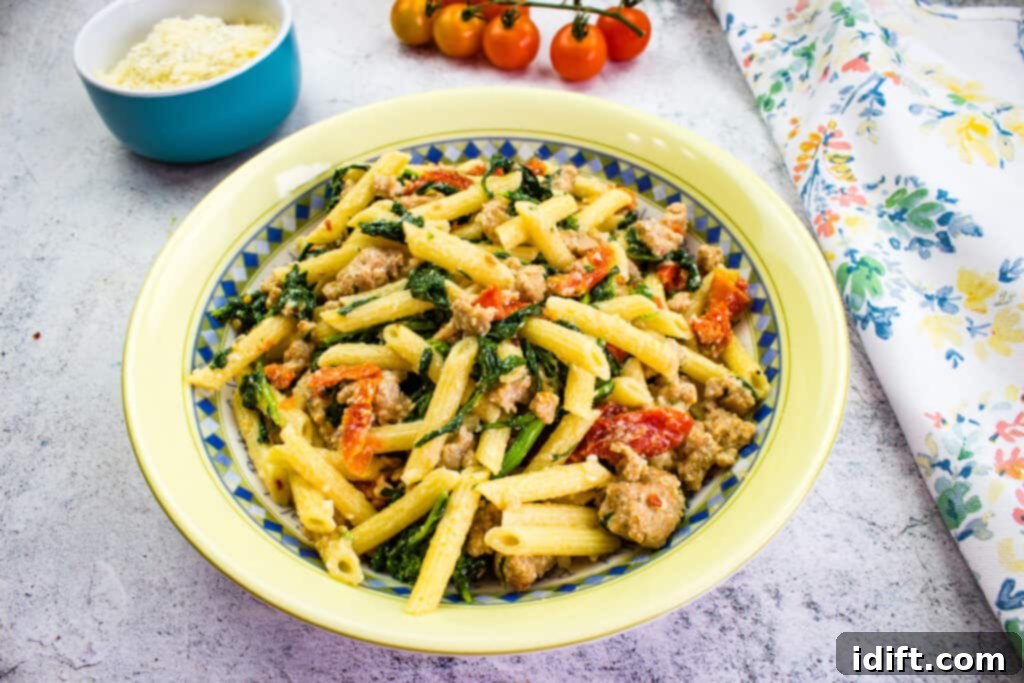
This Sausage & Broccoli Rabe Pasta is a complete and satisfying meal on its own, packed with protein, vegetables, and carbohydrates. However, a few carefully chosen accompaniments can truly enhance the dining experience. For a classic Italian touch, I highly recommend serving it alongside a crusty loaf of artisanal bread, perfect for soaking up every last bit of that delicious sauce, perhaps with a side of fresh, high-quality butter or a flavorful olive oil for dipping.
To add a refreshing contrast, a light, crisp green salad makes an excellent pairing. Consider a simple spinach, asparagus, and fennel salad dressed with a bright vinaigrette to cut through the richness of the pasta. Alternatively, if you’re looking to start with a comforting appetizer, a warm bowl of Instant Pot Tomato Gnocchi Soup would be a delightful prelude to this hearty main course. For beverages, a medium-bodied red wine like a Chianti or a dry white wine such as a crisp Pinot Grigio would complement the flavors beautifully.
Storage & Reheating: Enjoying Leftovers
One of the many benefits of this Italian sausage and broccoli rabe pasta is that it tastes just as wonderful, if not better, the next day. Proper storage is key to preserving its freshness and flavor. You can store any leftovers in an airtight container in the refrigerator for up to 3-4 days.
This dish also freezes beautifully, making it an excellent option for meal prepping. To freeze, allow the pasta to cool completely. Then, transfer it to freezer-safe airtight containers or heavy-duty freezer bags. It can be stored in the freezer for up to three months. When you’re ready to enjoy, thaw it overnight in the refrigerator. To reheat, gently warm the pasta in a skillet over medium-low heat or in the microwave. You may find that the sauce has thickened or dried out slightly, so don’t hesitate to add a splash of water, chicken broth, or even a little extra white wine to help moisten it up and restore its original creamy texture.
Frequently Asked Questions About Broccoli Rabe Pasta
The trick to maintaining broccoli rabe’s beautiful bright green color and tender-crisp texture is to avoid overcooking it. Since the stems are slightly thicker and take a bit longer to become tender, I recommend adding them to the skillet first. Cook them for a few minutes, then incorporate the more delicate leaves and florets during the last minute or two of cooking. This staggered approach ensures everything cooks evenly without any part becoming mushy or losing its vivid hue.
Absolutely! Broccoli rabe and rapini are indeed two names for the same versatile and flavorful green vegetable. It’s a common point of confusion, but they refer to the exact same plant. However, it’s important not to confuse it with broccolini, which is a hybrid of broccoli and Chinese kale, featuring longer, thinner stems and smaller florets than traditional broccoli.
Cleaning broccoli rabe is straightforward. First, trim about half an inch off the very bottom of the tough stem ends, as these can be a bit fibrous. Then, give the entire bunch a thorough rinse under cold, running water. You can even submerge it in a bowl of cold water for a few minutes to ensure any dirt or grit settles to the bottom, then lift it out and pat it dry before chopping.
Yes, absolutely! To make this dish vegetarian, simply omit the Italian sausage. You can replace it with plant-based sausage alternatives, chickpeas, white beans, or even a mix of mushrooms (like cremini or shiitake) for an earthy depth. Sauté your chosen vegetarian protein or vegetable until nicely browned before proceeding with the garlic and broccoli rabe steps. Ensure to adjust seasoning as needed.
While white wine adds a unique depth, you can substitute it with an equal amount of good quality chicken broth or vegetable broth. The flavor profile will be slightly different, but it will still provide moisture and help deglaze the pan. A splash of apple cider vinegar or lemon juice can be added to the broth for a hint of acidity if desired.
Step-by-Step Visual Guide
Print
Pin
Sausage & Broccoli Rabe Pasta
Course Pasta
Cuisine Italian
Keyword broccoli rabe, pasta, sausage, Italian pasta dish, rapini recipe
Prep Time 10 minutes
Cook Time 20 minutes
Total Time 30 minutes
Servings 6 servings
Calories 581kcal
Ingredients
- 12 ounces dried pasta
- 1 lb Italian sausage
- 1 bunch broccoli rabe about 1/2 pound, trimmed and chopped
- 5 cloves garlic minced
- 1/2 cup dry white wine
- 1/4 cup sundried tomatoes drained if oil-packed, or softened and chopped if dry
- 1/4 cup ricotta cheese
- 2 tbsp butter
- 2 tbsp fresh lemon juice
- 2 tbsp lemon zest
- 1/2 tsp salt
- 1/4 tsp black pepper
- 1/2 cup Parmesan cheese freshly shredded, plus more for garnish
- Optional: 1 tbsp olive oil (if sausage is lean), red pepper flakes for heat.
Instructions
- In a large pot, cook the pasta according to package directions in generously salted water until al dente. Before draining, reserve 1 cup of the starchy pasta cooking water. Drain the pasta and set aside.
- While the pasta cooks, heat a large skillet over medium-high heat. Add the Italian sausage (if using a very lean sausage, you may want to add a tablespoon of olive oil). Break up the sausage with a spoon and cook until it is well browned and cooked through. Drain off any excess fat from the skillet, leaving just a thin layer for flavor.
- Add the minced garlic to the skillet and cook for an additional 2 minutes, stirring constantly, until the garlic is fragrant and lightly golden. Be careful not to burn it.
- Pour in the white wine (or broth) to deglaze the pan, scraping up any browned bits. Add the chopped broccoli rabe. Cook for 3-4 minutes, stirring occasionally, until the broccoli rabe has wilted and is tender-crisp, and most of the liquid has evaporated.
- Stir in the sundried tomatoes and ricotta cheese. Heat the mixture through until it just barely simmers. Then, add the cooked pasta to the skillet. Toss everything together, adding up to about 1/2 cup of the reserved pasta cooking water, gradually, until the sauce coats the pasta beautifully and reaches your desired consistency.
- Remove the skillet from the heat. Stir in the fresh lemon juice, lemon zest, and butter. Season generously with salt and freshly ground black pepper to taste. Serve immediately, topped with extra freshly grated Parmesan cheese and a pinch of red pepper flakes if desired. Enjoy your homemade Italian masterpiece!
Nutrition
A Note on Nutritional Information
Nutritional information for this recipe is provided as a courtesy and is calculated based on available online ingredient information. It is only an approximate value. The accuracy of the nutritional information for any recipe on this site cannot be guaranteed.