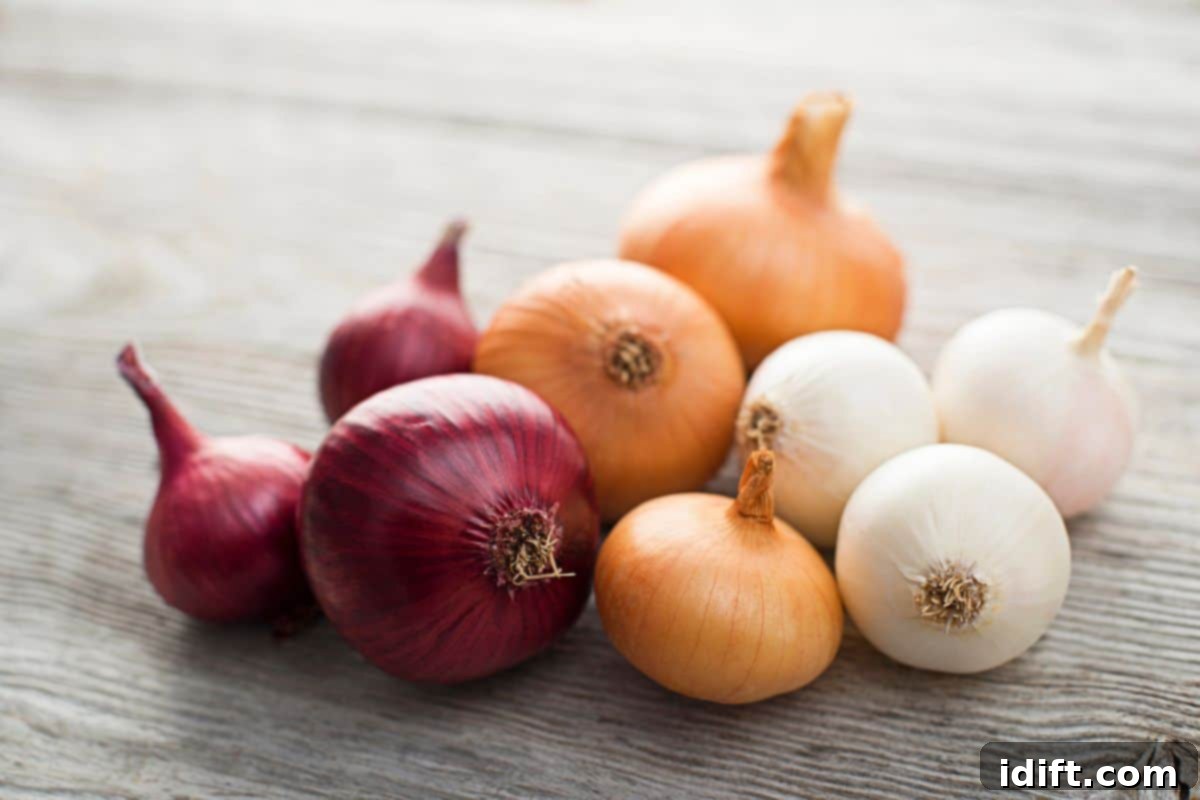
Knowing how to store onions correctly is a fundamental skill for any home cook, ensuring these versatile staples remain vibrant, fresh, and flavorful for as long as possible. There’s nothing more disappointing than reaching for an onion only to discover it’s become soft, sprouted, or moldy, rendering it unusable. Fortunately, with a few straightforward and effective storage techniques, you can significantly extend their shelf life, preserve their pungent character or delicate sweetness, and dramatically reduce unnecessary food waste in your kitchen. This comprehensive guide will walk you through the best practices, tailored for different onion varieties and storage durations, empowering you to keep your onions in prime condition.
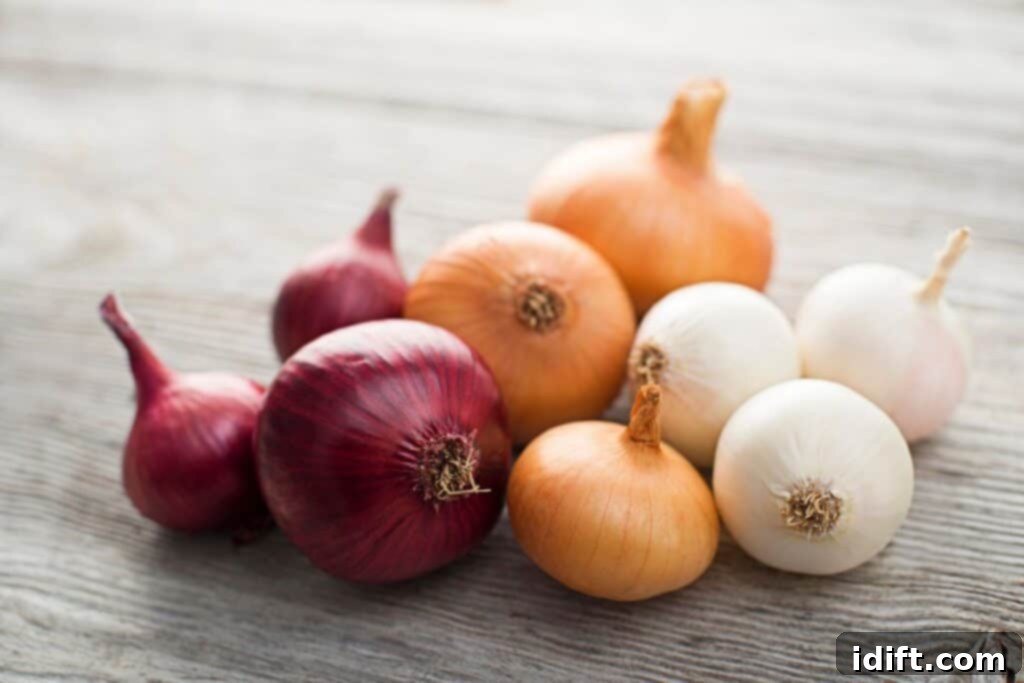
The method you choose for onion storage isn’t just a matter of convenience; it’s the key to unlocking their maximum shelf life and culinary potential. Different types of onions, from the robust yellow and red varieties to the more delicate sweet and green onions, have distinct requirements. Understanding these nuances is paramount. Whether you’re planning to use a mild sweet onion within days or need to keep pungent storage onions fresh for several months, selecting the optimal approach will make all the difference, preserving their texture, taste, and nutritional value. Improper storage can lead to rapid spoilage, sprouting, or a loss of flavor, diminishing their quality and your cooking experience. By adopting smart storage habits, you can extend the usability of your onions, reduce grocery bills, and always have a reliable supply of this essential ingredient.
Crucial Factors for Optimal Onion Storage
Successful onion storage hinges on creating the perfect environmental conditions – often referred to as the ‘Goldilocks zone.’ This means finding a spot that is neither too hot nor too cold, not excessively humid, and provides ample air circulation. By understanding and controlling these critical factors, you can significantly prolong the freshness of your onions, ensuring they remain firm, free of sprouts, and full of flavor for weeks or even months. Mastering these considerations is the first step towards a well-stocked and waste-free pantry, allowing you to enjoy your onions at their peak.
The Ideal Temperature and Humidity Levels
For most common bulb onions (yellow, red, white), the sweet spot for storage temperature falls between 45°F and 55°F (7°C and 13°C). This cool range helps to inhibit sprouting and slows down the decay process, keeping the onions dormant. Avoid storing onions in overly warm environments, such as near a stove or heating vent, as heat significantly accelerates sprouting and can lead to a softer, less desirable texture. Equally important is humidity; the ideal level should be between 65% and 70%. Too much humidity creates a damp environment conducive to mold growth and rot, particularly around the onion’s root and neck. Conversely, overly dry conditions can cause onions to shrivel, losing their crispness and juiciness. Strive for consistency, as dramatic fluctuations in temperature and humidity can cause condensation inside the onion, further contributing to premature spoilage. Think of a cool, dry basement or a well-ventilated pantry as ideal locations.
Importance of Light and Airflow
Direct sunlight is an onion’s enemy when it comes to long-term storage. Exposure to light, especially bright sunlight, can trigger photosynthesis within the onion bulb, leading to premature sprouting. Sprouting not only depletes the onion’s nutritional value but also often results in a bitter flavor and a soft, undesirable texture. Therefore, a dark location, such as a closed pantry or a storage bin, is highly recommended. Alongside darkness, excellent airflow is indispensable. Good ventilation helps to dissipate moisture that naturally emanates from the onions, preventing it from accumulating on their surface. This reduction in moisture buildup is critical for deterring the growth of mold and harmful bacteria that cause rot. When onions are deprived of air circulation, they essentially suffocate and create their own damp, stagnant environment, which is ripe for spoilage. Think of it as allowing your onions to breathe, which is vital for their longevity and overall quality.
Effective Storage Solutions for Whole Onions
When it comes to storing common whole bulb onions such as white, yellow, and red varieties, the goal is to replicate their ideal environmental conditions: cool, dark, and well-ventilated. These methods are designed to maximize their shelf life, keeping them firm and flavorful for extended periods, often for several months. It’s important to note that sweet onions and green onions have slightly different requirements due to their unique composition, which will be addressed in dedicated sections below. Choosing the right method based on the quantity of onions and available space is key to success.
Utilizing Bins and Boxes for Bulk Storage
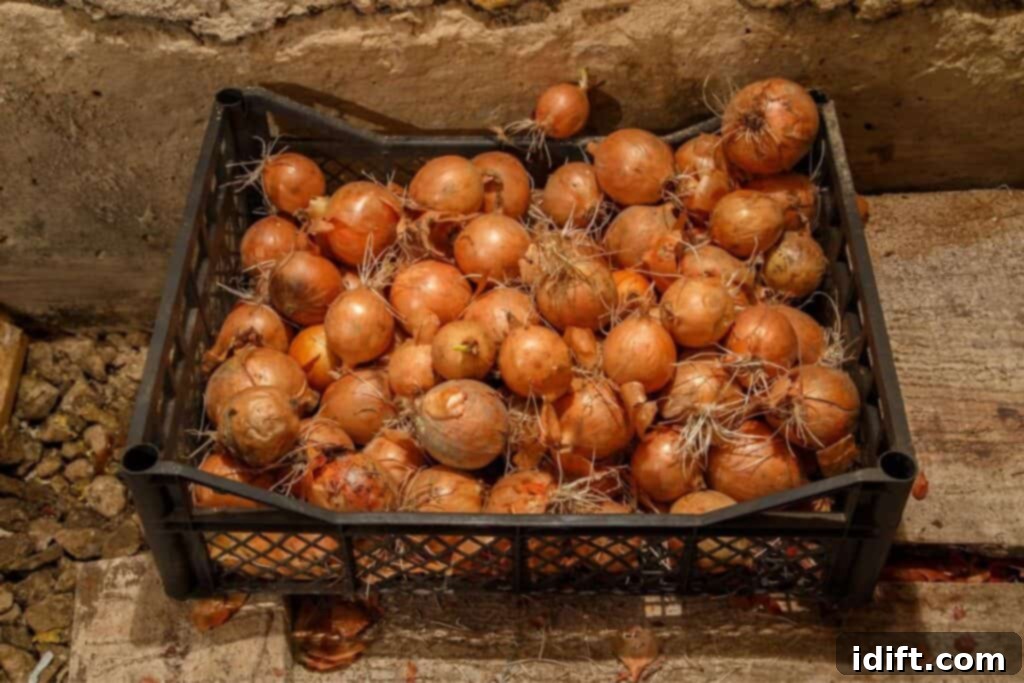
For individuals who purchase onions in large quantities, perhaps a 5-pound bag or more, or are fortunate enough to harvest them directly from their garden, storing them in sturdy containers like wooden bins, slatted crates, or even heavy-duty cardboard boxes equipped with ventilation holes offers an excellent and practical solution. These containers provide ample space, preventing the onions from being packed too tightly, which is crucial for promoting adequate air circulation around each bulb. The design of these bins and boxes, especially those with slatted sides or strategically placed holes, allows air to flow freely, continuously removing any moisture released by the onions.
This continuous airflow is vital for preventing the accumulation of moisture, which is the primary catalyst for mold growth and eventual rot. To optimize this method, always place these storage containers in a cool, dark place, safely away from any direct sunlight or heat sources. Ideal locations include cool, dry basements, unheated garages (provided they don’t freeze in winter), or dedicated cool pantries. When using multiple bins, avoid stacking them directly on top of each other without allowing air to circulate between the layers, as this negates the benefit of ventilation. Beyond their practical benefits, bins and boxes offer convenience in managing larger quantities, efficient space utilization, and the essential environmental control needed to maintain the freshness and quality of your bulk onion supply for several weeks or even months, often extending their life up to two to three months or longer if conditions are perfect.
The Traditional Art of Hanging Onions
Hanging onions is a time-honored and highly effective storage method that excels in promoting superior air circulation, significantly reducing the risk of moisture-induced spoilage. This technique not only mimics traditional drying and curing practices that have been used for centuries but also cleverly leverages vertical space, making it an ingenious solution for those with limited counter or floor storage. When employing this method, ensure the hung onions are in a cool, dry area, completely shielded from direct sunlight. The key to its success lies in preventing contact between individual bulbs, allowing each onion to breathe independently. Below are three popular and practical ways to hang your onions for optimal preservation and even a touch of rustic charm.
- Mesh Bags or Netting: This is perhaps the most common and accessible method for home cooks. After purchasing onions, immediately remove them from any non-breathable plastic bags and transfer them into breathable mesh bags or net produce bags. These materials are specifically designed with an open weave to allow maximum airflow around each onion. Hang these bags from hooks, nails, or sturdy racks in a dry, airy space, such as a cool pantry, basement, or even an aesthetically pleasing corner of your kitchen. The constant air movement prevents moisture buildup, keeping the onions firm and free of mold for an extended period. Look for bags specifically designed for produce storage for best results.
- Braided Onion Tops: For onions harvested directly from the garden with long, robust stems, braiding the tops together creates a beautiful and incredibly functional hanging chain. This method not only serves as an incredibly effective storage solution but also adds a rustic, charming touch to your kitchen decor, making a visual statement about fresh produce. The natural spacing created by the braid ensures excellent air circulation around each bulb. Before braiding, ensure the onion tops are thoroughly dry and cured for at least a week to prevent premature spoilage. This technique is a testament to sustainable food preservation, connecting you to centuries-old agricultural practices.
- Pantyhose Storage: An unexpectedly brilliant and cost-effective hack for onion storage involves repurposing old, clean pantyhose or tights. Simply place a single onion into the foot of the pantyhose, tie a snug knot tightly above it, then add another onion directly above the knot and repeat the knotting process. Continue this until the leg is full or you run out of onions. Hang the knotted pantyhose in a cool, dark, and well-ventilated area, such as a pantry or closet. When you need an onion, simply snip below a knot, and the rest of your onions remain undisturbed and perfectly preserved, thanks to the individual compartmentalization and continuous airflow. This method prevents any single spoiled onion from contaminating its neighbors.
When I bring home a fresh bag of onions from the grocery store, my first step is always to free them from their plastic confines. I then gently place them into a breathable wire basket, ensuring they’re spread out with plenty of room for air to circulate. This basket finds its home in a secluded, shady corner of my pantry’s veggie rack, safely tucked away from any direct sunlight. It’s a simple routine, but it consistently keeps my onions fresh and firm for weeks, ready for whatever recipe inspires me.
— Jere’ Cassidy, One Hot Oven
Special Considerations for Sweet Onions
Sweet onions, such as varieties like Vidalia, Walla Walla, or Maui onions, are highly prized for their notably mild flavor and delicate sweetness, qualities that make them exquisite additions to salads, sandwiches, and culinary classics like the popular blooming onion. However, their unique characteristics—thinner skins and significantly higher water content compared to their pungent counterparts—mean they are considerably more perishable and require a different, more attentive storage approach. They generally do not store as long as yellow or red onions, often only lasting a few weeks.
While hanging in mesh bags can be a viable option for sweet onions, they tend not to fare as well when stored in large bins or boxes for extended periods due to their propensity for moisture accumulation. For optimal shorter-term storage, the refrigerator’s vegetable bin is often the best choice for sweet onions. To prevent them from absorbing excess moisture from the refrigerator’s humid environment or affecting other produce with their subtle odor, it’s highly recommended to wrap each sweet onion individually in a paper towel. The paper towel acts as an absorbent barrier, wicking away any surface moisture and helping to maintain an optimal micro-environment around the bulb. When stored this way, sweet onions can retain their crispness and freshness for approximately two to four weeks in the refrigerator, ready to be incorporated into your next gourmet creation. Remember to keep them separate from other produce to avoid any subtle flavor transfer.
Recommended Onion-Inspired Recipes
Storing Delicate Green Onions and Scallions
Green onions, also widely known as scallions, are a vibrant and flavorful addition to countless dishes, offering a milder, fresher onion taste than mature bulbs. However, they possess a much shorter shelf life than their bulbous relatives due to their delicate structure and significantly higher moisture content, making them prone to wilting and decay if not stored properly. To maximize their freshness and ensure they remain crisp, it’s crucial to avoid washing them before storage, as any added moisture will only accelerate their deterioration. Instead, trim any yellowed or damaged ends, and then wrap them loosely in a lightly damp paper towel. This provides a humid but not waterlogged micro-environment essential for leafy greens.
Place the wrapped green onions inside a breathable plastic bag, such as a produce bag from the grocery store, or an airtight container in the crisper drawer of your refrigerator. Stored this way, green onions should remain crisp and fresh for approximately one week, ready to brighten up your meals as a garnish or ingredient. For an even longer-term solution, or if you wish to have a continuous supply, you can place the white root ends of green onions in a small glass of water on your windowsill. They will remarkably regrow their green tops, allowing you to snip off what you need as they grow. This not only extends their life but can also provide multiple harvests from a single purchase, further reducing food waste and offering a fun, sustainable kitchen project.
Common Onion Storage Mistakes to Avoid
While the principles of onion storage are relatively straightforward, it’s easy for even experienced home cooks to fall into common traps that can drastically shorten their lifespan and leave you with less-than-ideal bulbs. Understanding these pitfalls and actively avoiding them is just as important as knowing the best practices. By sidestepping these frequent errors, you can ensure your onions remain firm, flavorful, and ready for use whenever your recipe calls for them, preventing disappointment and unnecessary waste.
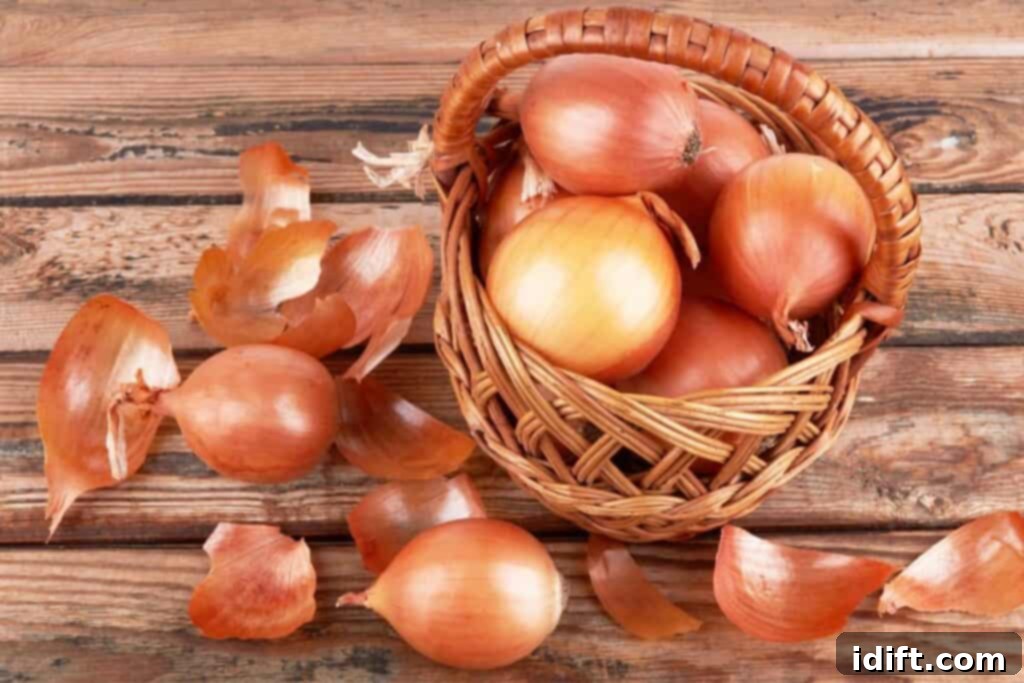
- Using Plastic Bags for Whole Onions: This is perhaps the most common and detrimental mistake. Plastic bags, while convenient for transport from the store, are notorious for trapping moisture. When onions are stored in a sealed plastic bag, the moisture they naturally release has nowhere to go. This creates a humid, stagnant, anaerobic environment that is a breeding ground for mold and bacteria, quickly leading to soft, slimy, and squishy onions that spoil rapidly. Always remove whole onions from plastic bags as soon as you get home. Opt for breathable alternatives like mesh bags, paper bags, or open baskets that allow for crucial airflow.
- Storing Onions Near Ethylene-Producing Fruits and Vegetables: Onions, much like other fruits and vegetables, interact with their surroundings. Certain produce items, such as potatoes, apples, bananas, pears, and tomatoes, emit ethylene gas. This naturally occurring plant hormone acts as a powerful ripening agent, accelerating the maturation and eventual spoilage of other nearby produce. Storing onions in close proximity to these ethylene-emitters can cause them to sprout prematurely, soften much faster, or even develop an off-flavor. To maximize the shelf life of all your produce, always store onions separately from ethylene-producing items in different areas of your pantry or kitchen.
- Keeping Whole Onions in the Refrigerator (with exceptions): While the refrigerator is excellent for many perishables, it is generally too cold and, crucially, too moist for unpeeled, whole bulb onions (yellow, red, white). The cold temperature can convert the onion’s starches to sugars, altering their flavor and texture, making them soft, mealy, and sometimes sweeter than desired. The high humidity inside a refrigerator promotes mold growth and rot, especially on the outer layers. The only exceptions to this rule are sweet onions, which benefit from the fridge’s coolness due to their high water content, and any onions that have already been chopped or sliced. For chopped or sliced onions, ensure they are stored in an airtight container or tightly wrapped in plastic wrap to prevent odor transfer and dehydration, where they will remain fresh for about a week.
Proactive Strategies for Maximizing Onion Shelf Life
Beyond simply choosing the right storage method, actively managing your onion supply can significantly extend its freshness and usability. Regular inspection and proper rotation are simple yet powerful habits that prevent premature spoilage and ensure you always have quality onions on hand, ready for any culinary adventure. These proactive steps are key to reducing food waste and making the most of your grocery purchases.
Make it a routine to inspect your stored onions at least once a week. Take a moment to gently handle each onion, looking for any tell-tale signs of moisture on the skin, the appearance of fuzzy mold (often green or black spots), or the beginnings of sprouts emerging from the top. Pay attention to any soft spots or an unusual, strong odor, which can indicate internal decay. Immediately remove any onions that show these signs of spoilage and discard them. A single spoiled onion can quickly affect its neighbors, as mold spores can spread rapidly, compromising your entire stash. Early detection is your best defense.
Additionally, practice the “first-in, first-out” (FIFO) principle with your onion stock. This means consistently using your older onions before the newer ones you’ve recently purchased or harvested. When you acquire a fresh batch of onions, place them behind or underneath your existing supply in your storage container. This ensures that you’re consistently rotating your stock, preventing any onions from being forgotten and potentially going bad at the bottom of the bin. This mindful approach to storage minimizes waste, keeps your onion supply optimally fresh, and ensures you always consume them at their peak quality.
Beyond Basic Storage: Advanced Preservation Methods
If you find yourself with an abundance of onions, perhaps from a garden harvest or a great sale, or simply want to extend their usability far beyond typical fresh storage methods, several advanced preservation techniques can lock in their flavor and texture for months, or even up to a year. These methods are excellent for reducing waste, saving time in future meal prep, and ensuring you have onions ready for cooking at a moment’s notice, no matter the season. Each method offers unique advantages and culinary applications.
Freezing Onions for Future Use
Freezing is a fantastic and convenient method for preserving chopped onions, especially if you anticipate using them primarily in cooked dishes like soups, stews, casseroles, or sautés, as the freezing process slightly alters their texture, making them less ideal for raw consumption. To freeze onions effectively, first peel them thoroughly and then chop them to your desired size – whether finely minced, diced, or sliced into rings. For best results and to prevent them from clumping together into a solid block, spread the chopped onions in a single layer on a baking sheet lined with parchment paper. Freeze them until they are completely solid, which usually takes an hour or two depending on the size of the pieces. Once fully frozen, transfer the onions to airtight containers or heavy-duty freezer bags, squeezing out as much air as possible to prevent freezer burn. Properly frozen onions will retain their quality for up to eight months. They can be added directly to hot dishes without thawing, making meal prep quick and efficient.
The Zesty Appeal of Pickled Onions
Pickling onions is a wonderfully flavorful and versatile way to preserve them, transforming their raw bite into a tangy, crisp, and often slightly sweet condiment that adds a vibrant touch to numerous dishes. Pickled onions are incredibly versatile, perfect for adding a bright pop of flavor and crunch to tacos, salads, burgers, sandwiches, or even grilled meats. You can easily make refrigerator pickles, which involve a simple vinegar brine and last for several weeks in the fridge without any special equipment. For longer, shelf-stable storage, you can process pickled onions using the water bath canning method, allowing them to last for many months in your pantry. The basic process involves slicing onions (often red onions for their color and mildness) and submerging them in a heated mixture of vinegar, water, sugar, and salt, often with added spices like peppercorns, bay leaves, or chili flakes for extra depth of flavor and customization.
Dehydrating Onions for Long-Term Storage
Dehydrating onions is an excellent way to concentrate their flavor and extend their shelf life dramatically, reducing them to lightweight, space-saving flakes, rings, or even powder. This method works by removing virtually all moisture content, which inhibits spoilage and bacterial growth. To dehydrate, begin by peeling and thinly slicing the onions; consistent thickness, ideally 1/8 to 1/4 inch, ensures even drying. Arrange the slices in a single layer on your dehydrator trays, making sure there is no overlapping to allow for optimal air circulation. Set your dehydrator to approximately 125°F (52°C) and dry for 8 to 12 hours, or until the onion slices are completely crisp and brittle, snapping easily when bent. There should be no moisture or flexibility remaining. Once fully dehydrated and cooled completely, store the onion flakes or rings in an airtight container, such as a glass jar with a tight-fitting lid, in a cool, dark, and dry place. For even longer preservation, consider vacuum sealing them. Dehydrated onions can last for up to a year or even longer and can be rehydrated for use in soups and stews, added directly to dishes for concentrated flavor, or crushed into powder for homemade onion seasoning.
Mastering Onion Storage: A Culinary Essential
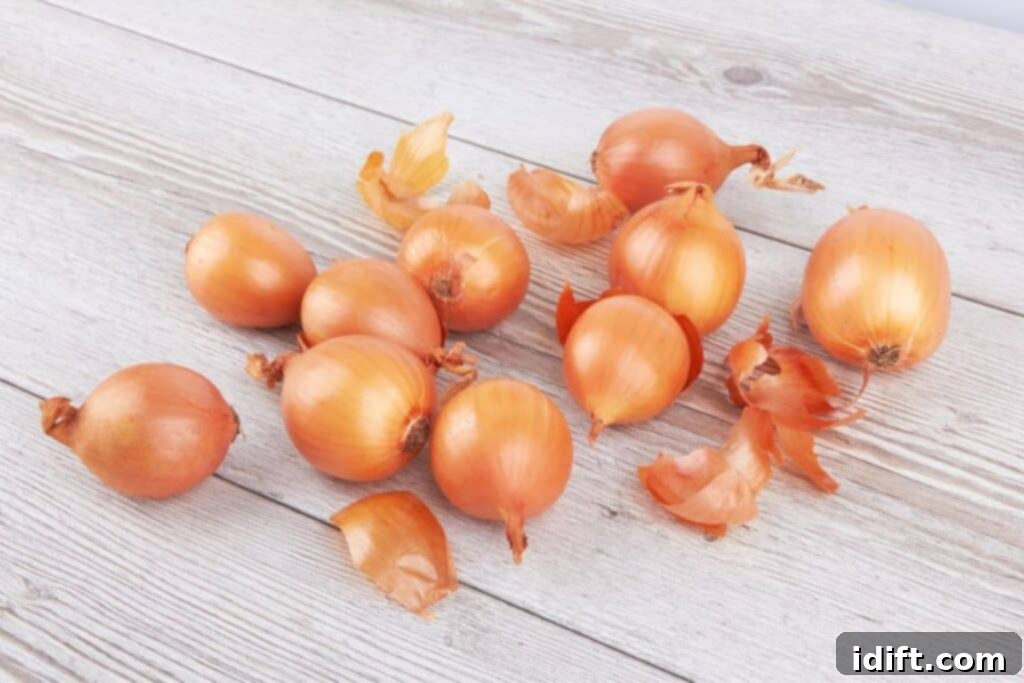
Mastering the art of how to store onions is more than just a kitchen chore; it’s a valuable skill that empowers you to minimize food waste, save money, and ensure you always have fresh, flavorful ingredients at your fingertips. By understanding the specific needs of different onion varieties and implementing the right storage techniques – whether it’s keeping whole onions in a cool, dark, and well-ventilated pantry, utilizing the refrigerator for sweet or chopped varieties, or venturing into long-term preservation methods like freezing, pickling, or dehydrating – you can significantly extend their life and maintain their quality.
With these comprehensive tips and strategies, you’re now equipped to confidently store your onions, preventing premature spoilage and ensuring they’re always ready to elevate your culinary creations. From savory, slow-cooked soups and robust stews to vibrant salads and flavorful air fryer fajitas, a properly stored onion is the cornerstone of countless delicious meals. Embrace these practices and transform your kitchen into a hub of freshness, efficiency, and endless culinary possibilities.
This article originally appeared on Food Drink Life.