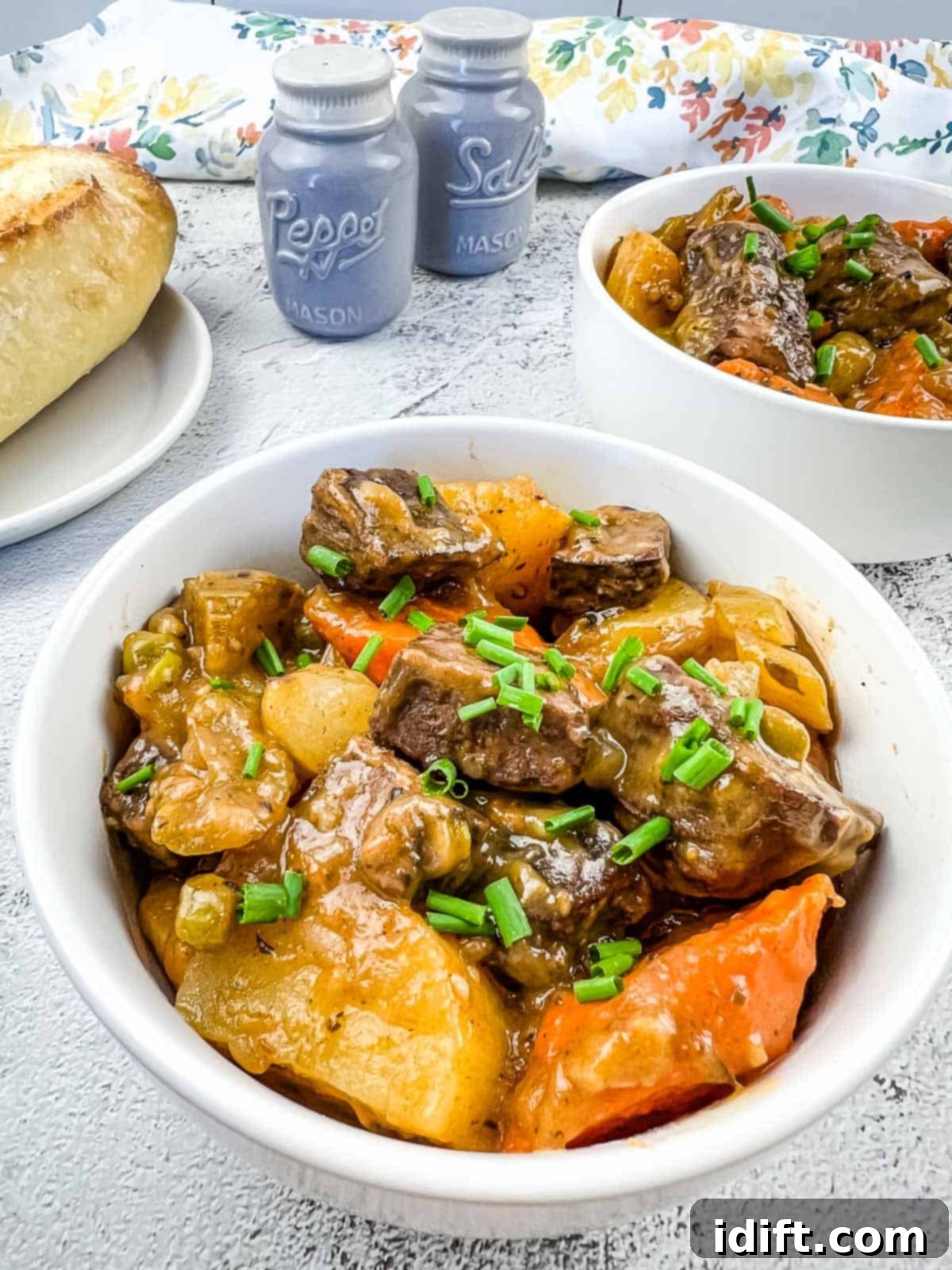
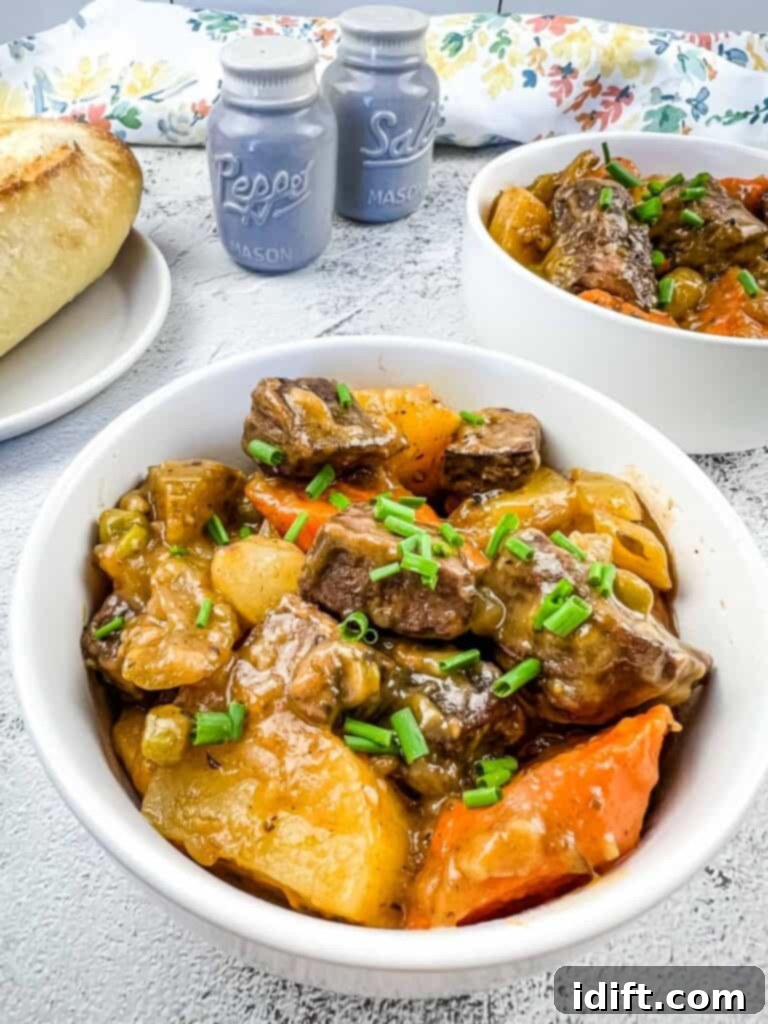
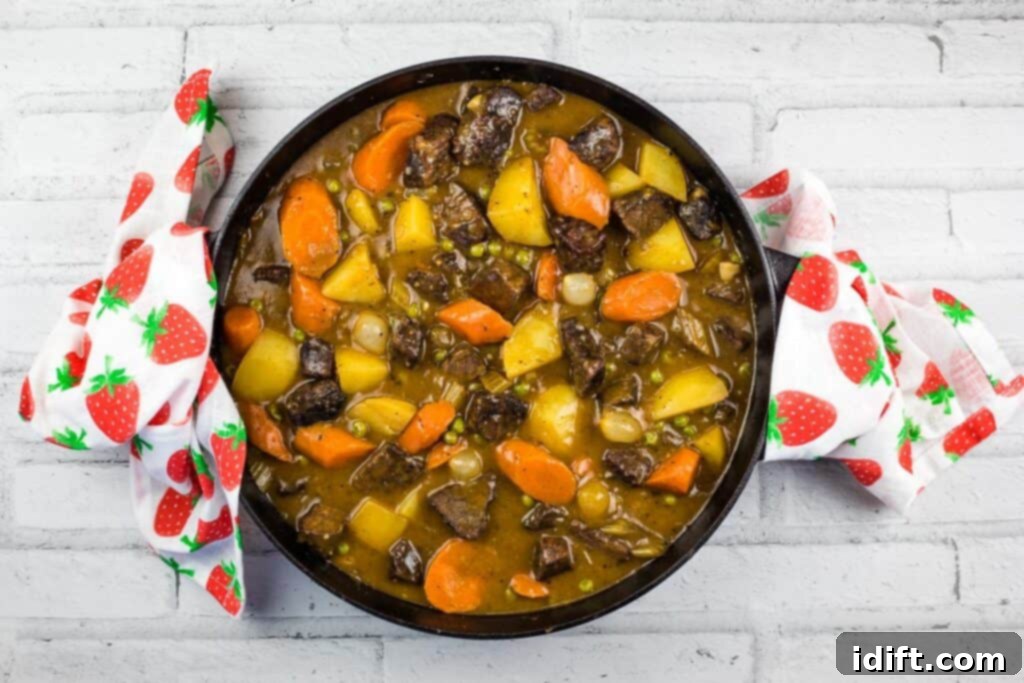
Experience the ultimate comfort food with this incredibly flavorful Smoked Beef Stew! Rich, hearty, packed with tender beef and vibrant vegetables, and infused with an irresistible smoky depth, this recipe is a game-changer. Discover the secret ingredient that elevates this classic stew to extraordinary new heights, making it a dish you’ll crave again and again. Prepare for a culinary journey that’s easy, delicious, and surprisingly affordable – a true feast for the senses!
This post may contain affiliate link(s). As an Amazon Associate, I earn from qualifying purchases. See Disclosure.
This Smoked Beef Stew recipe is an absolute culinary treasure, a dish so profoundly satisfying that once you experience its unique smoky flavor, you’ll undoubtedly declare it the only way to enjoy beef stew. Unlike traditional recipes, this exceptional creation takes a distinctive approach to infuse every bite with an unparalleled depth of flavor. We achieve this by first smoking the beef cubes to develop a foundational smoky essence, and then continue to smoke the entire dish as it simmers low and slow, allowing the flavors to meld beautifully. If you’ve ever wondered, “Can you smoke beef stew meat?”, the resounding answer is yes! And the results, as you’ll soon discover, are nothing short of spectacular, delivering an intense, smoky infusion throughout. But the true magic doesn’t stop there. Prepare to be amazed by our secret ingredient: pickled cocktail onions! These small, tangy gems introduce a delightful burst of acidity and a subtle piquant kick that masterfully cuts through the richness and smokiness of the stew, creating a perfectly balanced flavor profile that will leave your taste buds singing.
While I personally craft this magnificent stew on my reliable Traeger pellet grill/smoker, the beauty of this recipe lies in its adaptability. You can effortlessly replicate these incredible results on any smoker capable of maintaining a consistent temperature. The key is the slow, even heat and the continuous kiss of wood smoke, transforming humble ingredients into a gourmet experience that belies its simple preparation.
Why You’ll Love This Smoked Beef Stew
- Unmatched Flavor Profile: This isn’t just a beef stew; it’s a smoked beef stew. The double-smoking method (first the beef, then the whole stew) infuses every component with a deep, complex, and utterly delicious smoky flavor that elevates it far beyond any stew you’ve had before. The subtle wood smoke perfectly complements the rich beef and savory vegetables.
- Hearty & Satisfying: Crafted with generous chunks of tender beef and an abundance of wholesome vegetables, this stew is incredibly filling and comforting. It’s the perfect meal for a chilly evening or when you need a dish that truly sticks to your ribs and leaves you feeling completely satisfied.
- Thick & Chunky Perfection: We believe a good stew should be substantial. This recipe delivers a wonderfully thick consistency, not watery, ensuring that each spoonful is packed with robust ingredients. The bite-sized pieces of meat and vegetables contribute to a delightful texture that’s a joy to eat.
- Affordable Gourmet: Despite its gourmet taste and unique preparation, this smoked beef stew is remarkably economical. Utilizing often less expensive cuts of beef, slow cooking transforms them into fork-tender perfection. It’s an accessible way to create an impressive meal without breaking the bank.
- Low and Slow Cooking Mastery: The secret to truly tender beef and perfectly integrated flavors lies in the low and slow cooking process. This method allows the ingredients to gently simmer, breaking down the beef’s connective tissues for maximum tenderness and enabling the smoke and spices to deeply penetrate every morsel.
- The Secret Ingredient Advantage: The inclusion of pickled cocktail onions is a game-changer. Their tangy, slightly sweet, and vinegary bite provides a bright contrast to the rich, savory, and smoky flavors, preventing the stew from being overly heavy and adding an unexpected layer of complexity that will have everyone asking for your secret.
Essential Ingredients for Your Smoked Beef Stew
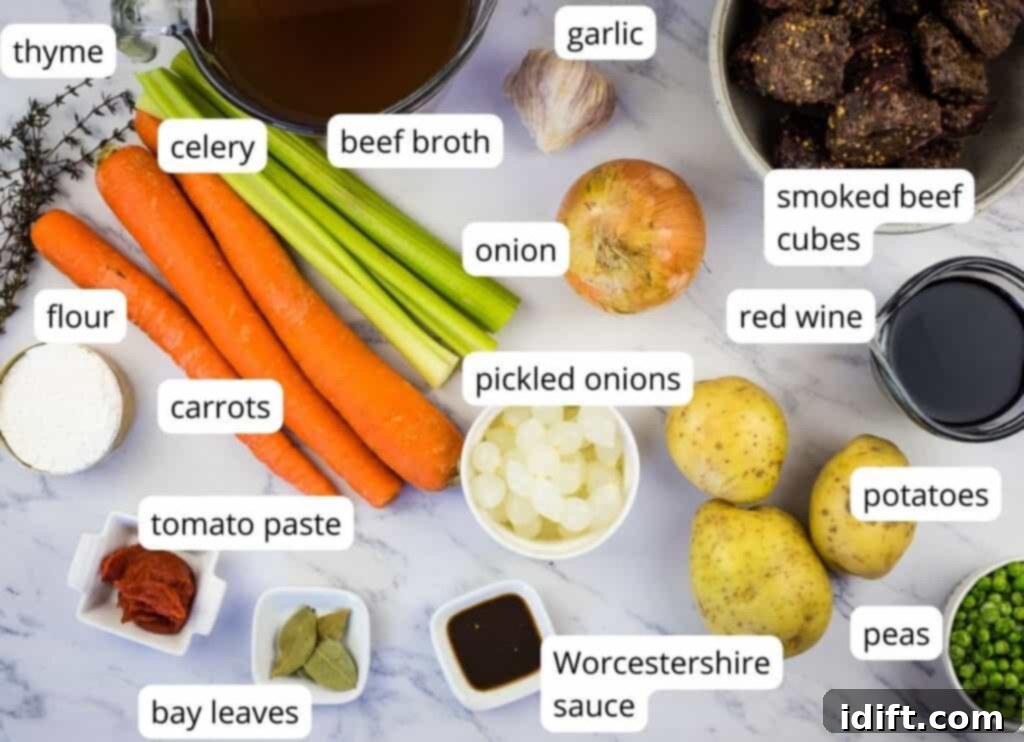
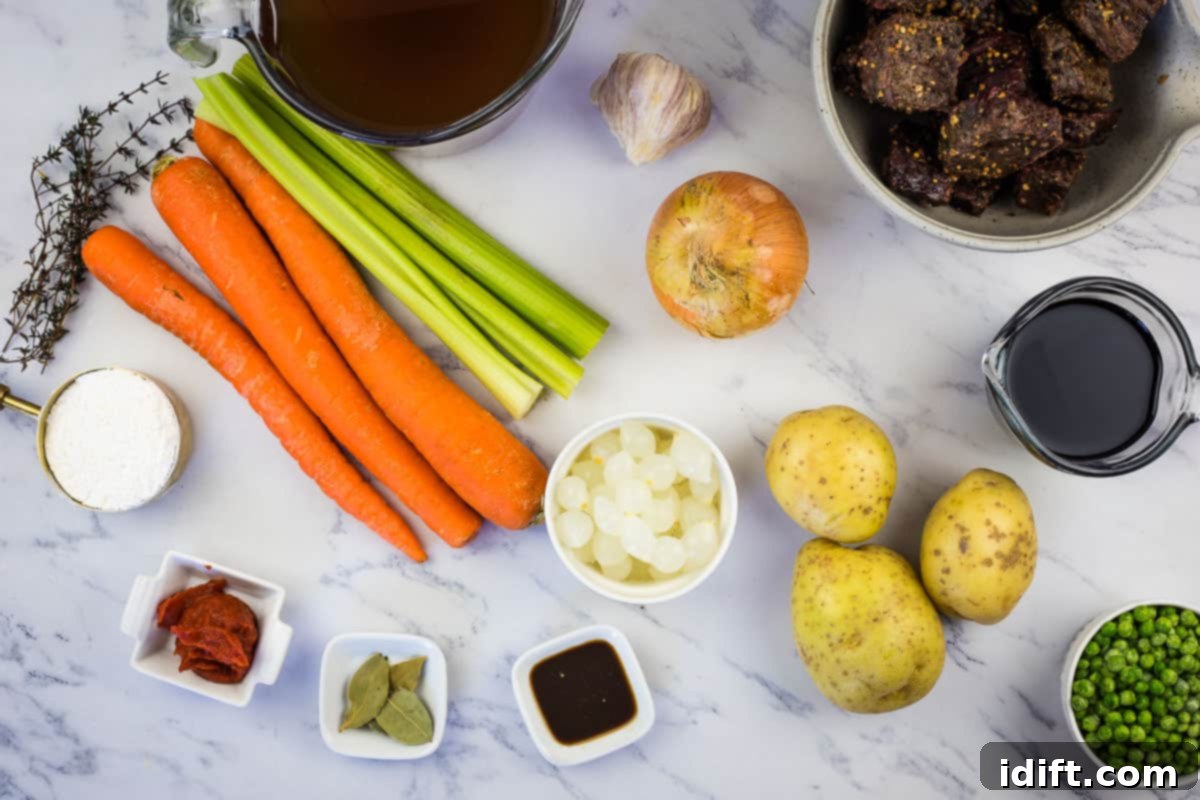
Crafting the perfect Smoked Beef Stew begins with selecting high-quality ingredients that build layers of flavor and texture. Here’s a detailed look at what you’ll need:
- Beef Stew Meat: The star of our show. While pre-cut stewing beef is convenient, selecting a whole chuck roast or blade roast and cutting it yourself can often yield better quality and tenderness. Look for well-marbled pieces that will become melt-in-your-mouth tender with slow smoking.
- Butter: I opt for salted butter to enhance the initial sauté of vegetables and add a rich, savory base to the stew. If using unsalted, you may need to adjust the final seasoning slightly.
- Cooking Oil: A neutral oil, such as vegetable, canola, or olive oil, is essential for sautéing the aromatics. It helps prevent the butter from burning at higher temperatures and ensures an even cook.
- Celery: Diced celery adds a subtle peppery note and aromatic foundation to the stew, contributing to the classic mirepoix flavor base. Choose firm, crisp stalks for the best flavor.
- Onion: A diced yellow or white onion provides a crucial sweetness and depth of flavor when caramelized during sautéing. It forms the backbone of the stew’s savory profile.
- Garlic: Freshly minced garlic is non-negotiable for its pungent, aromatic qualities that permeate the entire dish. Use at least four cloves for a robust flavor.
- Red Wine: A dry red wine like Merlot or Cabernet Sauvignon adds acidity, depth, and a wonderful complexity to the stew. The alcohol cooks off, leaving behind a concentrated, rich flavor. Always cook with a wine you enjoy drinking!
- Tomato Paste: This concentrated tomato product offers intense umami and a slight sweetness, thickening the stew and adding a beautiful reddish-brown hue. It’s a key ingredient for a deep, savory foundation.
- Fresh Thyme: The earthy, slightly minty notes of fresh thyme sprigs are perfect for beef stew, infusing it with a classic, aromatic herb flavor that complements the smoke beautifully.
- Bay Leaves: Whole bay leaves contribute a subtle, slightly floral, and herbaceous background note, enhancing the overall savory profile without overpowering other flavors. Remember to remove them before serving.
- Worcestershire Sauce: A splash of Worcestershire sauce is a secret weapon for umami and tang. Its complex blend of fermented ingredients adds a savory depth and slight piquancy that rounds out the stew’s flavor.
- Beef Broth: Use a high-quality, low or no-sodium beef broth to allow for precise seasoning control. It forms the liquid base of the stew, infusing it with rich beef flavor.
- All-Purpose Flour: Used as a thickening agent, all-purpose flour creates a smooth, velvety consistency for the stew. It combines with the broth to form a roux-like base.
- Potatoes: Peeled and cut into bite-sized cubes, potatoes add hearty substance, absorbing the stew’s flavors and becoming wonderfully tender. Russet or Yukon Gold varieties work well.
- Carrots: Chunky carrots provide a natural sweetness, vibrant color, and essential vitamins. Cut them into substantial pieces so they hold their shape during the long cooking time.
- Pickled Cocktail Onions: Our unique secret ingredient! Drained pickled cocktail onions offer a delightful burst of tangy, slightly sweet, and acidic flavor that brightens the stew and balances the richness. Don’t skip these!
- Peas: Frozen peas are a convenient addition, bringing a pop of fresh green color and a tender texture to the finished stew. Add them at the very end to prevent overcooking.
- Salt and Pepper: Essential for seasoning. Use coarse salt and freshly ground black pepper, adjusting quantities to taste throughout the cooking process.
Selecting the Best Beef for Your Stew
The quality of your beef is paramount to the success of any stew, especially one as flavorful as our Smoked Beef Stew. While you’ve likely encountered pre-cut “stewing beef” packages at the grocery store, these can sometimes be a mixed bag of various cuts, not all of which are ideal for slow cooking. While convenient for saving prep time, if you want truly exceptional results, consider a more strategic approach.
The best cuts for beef stew are those with good marbling and connective tissue, which break down into rich gelatin during the low-and-slow cooking process, yielding incredibly tender and flavorful meat. Economical cuts like a chuck roast (also known as shoulder roast) or a blade roast are outstanding choices. These cuts are typically more affordable than premium steaks but are packed with flavor and become wonderfully succulent when cooked properly.
When selecting your beef, look for cuts with a good amount of intramuscular fat (marbling). This fat renders during cooking, keeping the meat moist and adding to the overall richness of the stew. If you purchase a larger roast, cut it into generous 1.5 to 2-inch cubes. Larger cubes are less likely to dry out and will hold their shape better during the long smoking process, resulting in satisfying, meaty bites infused with all the wonderful flavors of the stew. The long, gentle heat of the smoker, combined with the moisture from the stew, will transform these tougher cuts into buttery-tender morsels that are a hallmark of a truly great beef stew.
Mastering the Art of Smoked Beef Stew: A Step-by-Step Guide
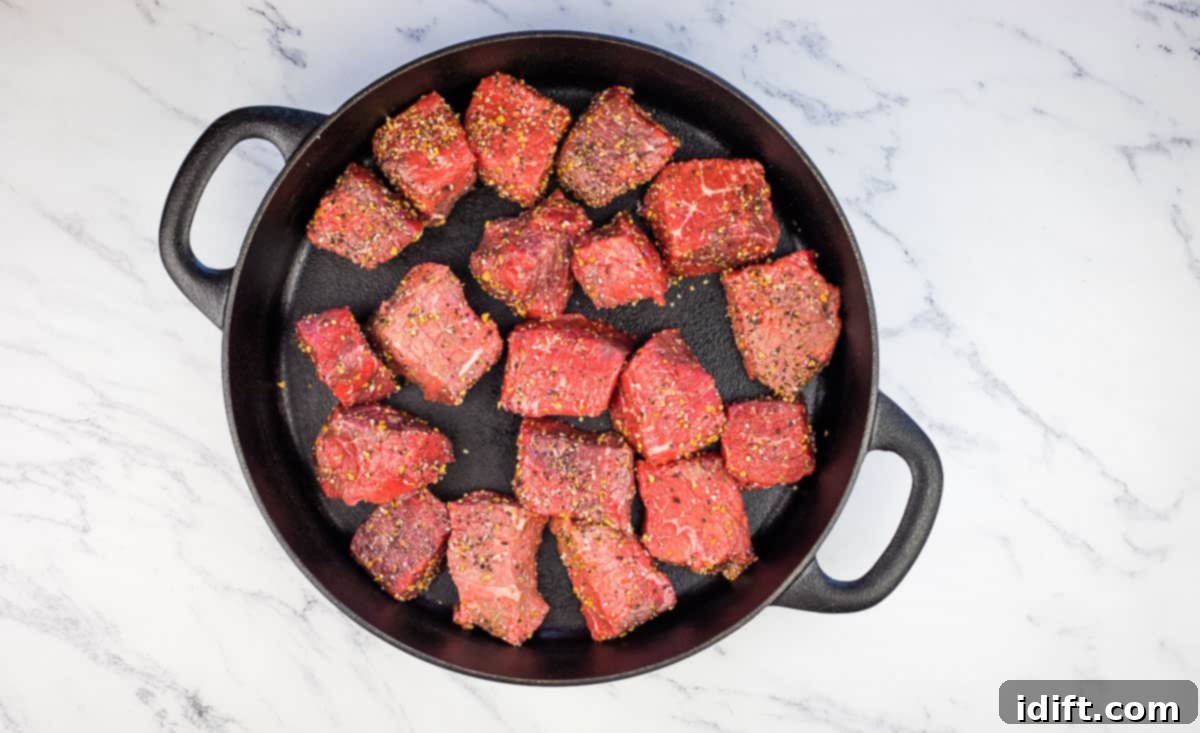
- Prepare the Beef for Smoking: Begin by firing up your Traeger pellet smoker, or any other smoker you prefer, to a low and steady temperature of 180°F (82°C). This initial low temperature is crucial for allowing the smoke to deeply penetrate the beef without cooking it too quickly. Arrange your beef cubes, ideally cut into large, uniform pieces (about 1.5 to 2 inches), on a wire rack set over a baking sheet or directly onto the grill grates if your smoker allows. Season them generously with salt and freshly ground black pepper. Smoke the beef for approximately 45 minutes. This step is key to imparting that foundational smoky flavor that defines this stew.
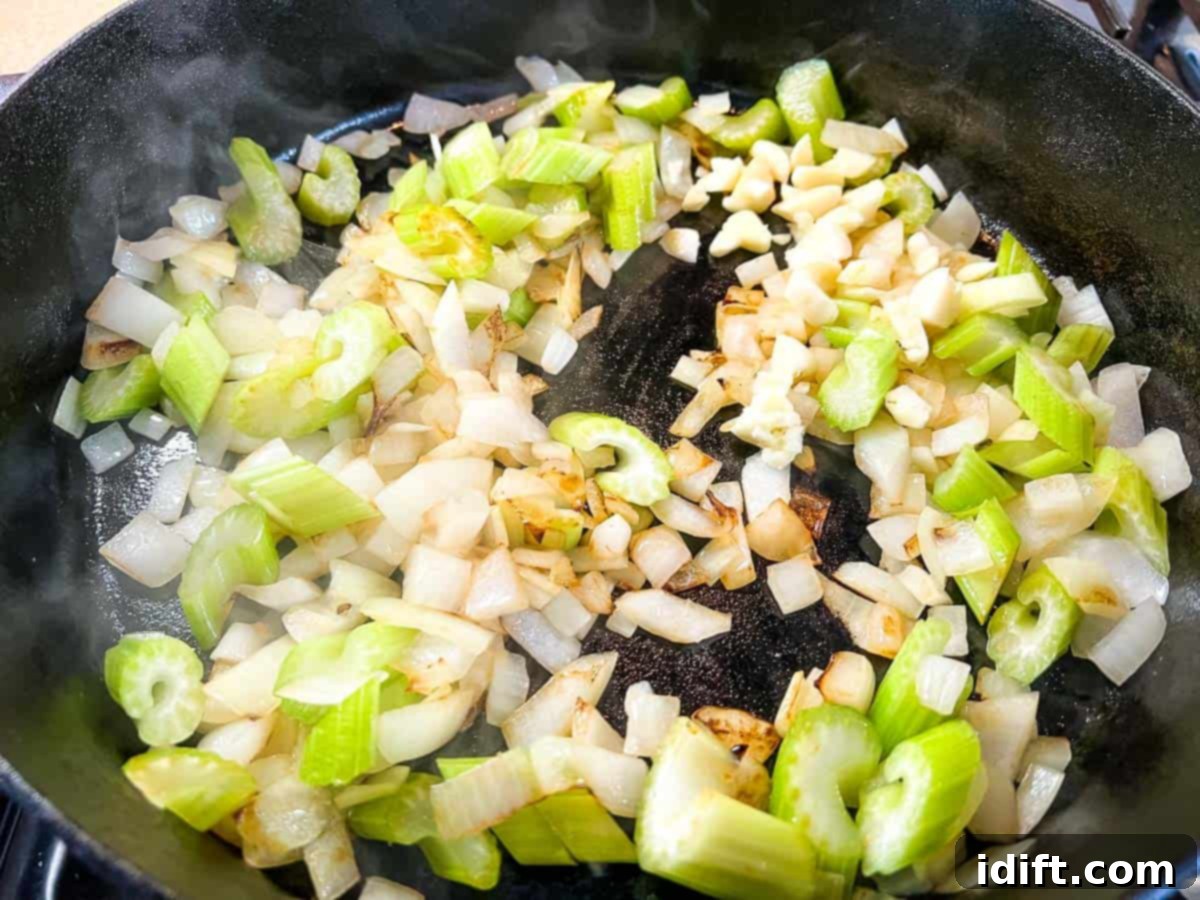
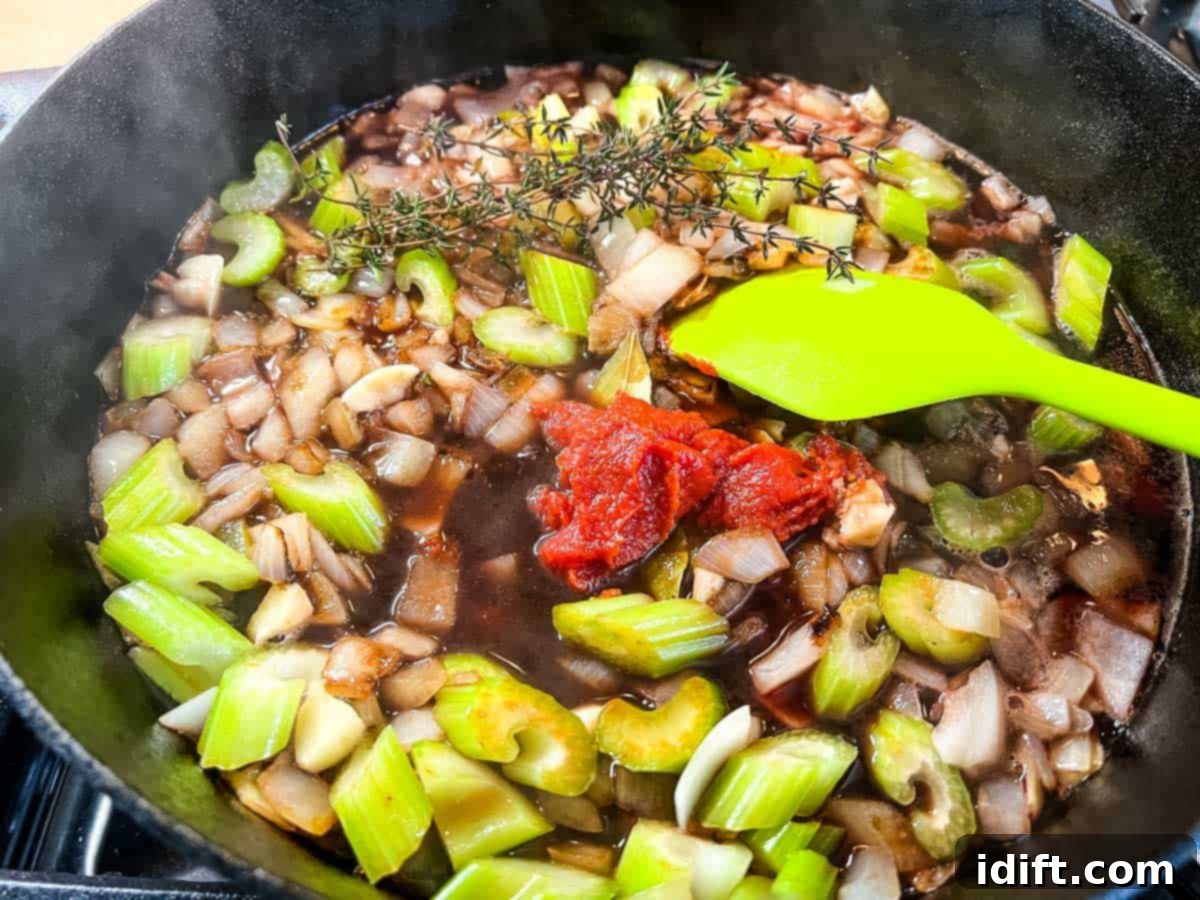
- Sauté the Aromatic Base: While your beef is acquiring its smoky essence, heat a large, heavy-bottomed skillet or Dutch oven (that can also go into your smoker, if possible) over medium-high heat on your stovetop. Add the butter and cooking oil. Once the butter is melted and shimmering, add the diced onions and celery. Sauté, stirring occasionally, until the onions become translucent and softened, which usually takes about 8 minutes. Then, add the minced garlic and cook for another minute until fragrant, being careful not to burn it. Deglaze the skillet with the red wine, scraping up any browned bits from the bottom of the pan – these are packed with flavor. Allow the wine to reduce significantly for about a minute, intensifying its richness.
- Dice the Smoked Beef: Carefully transfer the smoked beef cubes from the smoker to a clean cutting board. At this point, they will have absorbed a beautiful smoky flavor and developed a slight crust, but they won’t be fully cooked. Cut these larger cubes into more manageable, bite-sized pieces, ensuring they’ll be easy to eat in the finished stew.
- Combine Ingredients in Smoker-Safe Dish: Now, assemble the main components of your stew. Place the newly diced, smoked beef cubes into a large, smoker-safe casserole dish or a sturdy cast-iron Dutch oven. Add the sautéed onion-celery-wine mixture from your skillet, along with the rich tomato paste, fresh thyme sprigs, and bay leaves. Pour in the Worcestershire sauce, which will contribute an essential layer of umami. Stir everything gently to combine, ensuring the beef is well coated with the aromatics and paste.
- Thicken the Broth: In a separate bowl, prepare your thickening agent. Whisk the all-purpose flour with 1/2 cup of the beef broth until you achieve a smooth, lump-free paste. This slurry technique prevents flour lumps in your stew. Once smooth, slowly whisk in the remaining beef broth. Pour this flour-broth mixture into your casserole dish with the other stew ingredients. Stir thoroughly to integrate it; this flour will gradually thicken the stew as it cooks in the smoker.
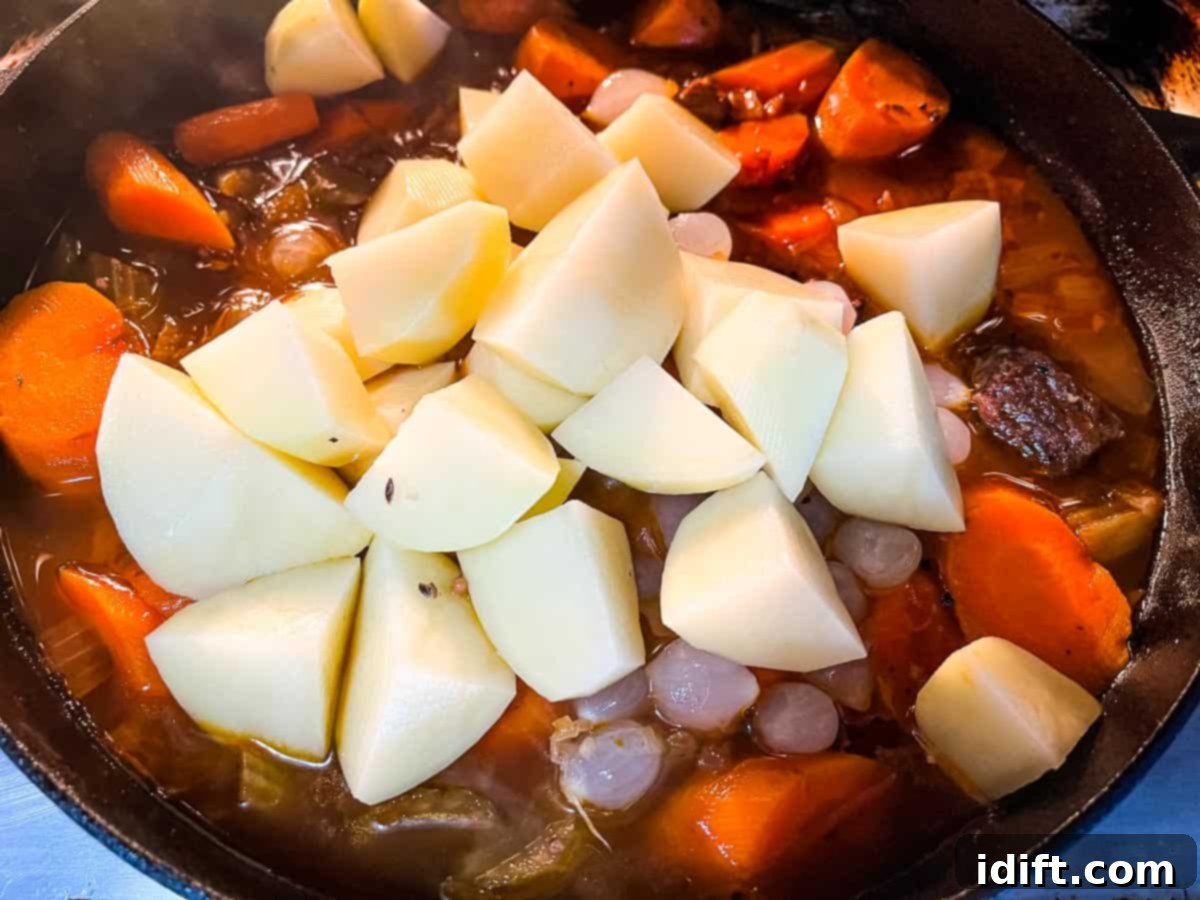
- Slow Smoke the Stew: Return your smoker to a temperature of 350°F (175°C), or adjust to whatever temperature allows the stew to maintain a gentle simmer. Place the uncovered casserole dish into the preheated smoker. Smoke the stew until the beef begins to become tender, typically about 40 minutes. At this point, introduce the diced potatoes and chopped carrots, along with the crucial pickled cocktail onions. Continue to simmer the stew in the smoker for another 20 minutes, or until all the vegetables are fork-tender and the beef is incredibly soft and yielding.
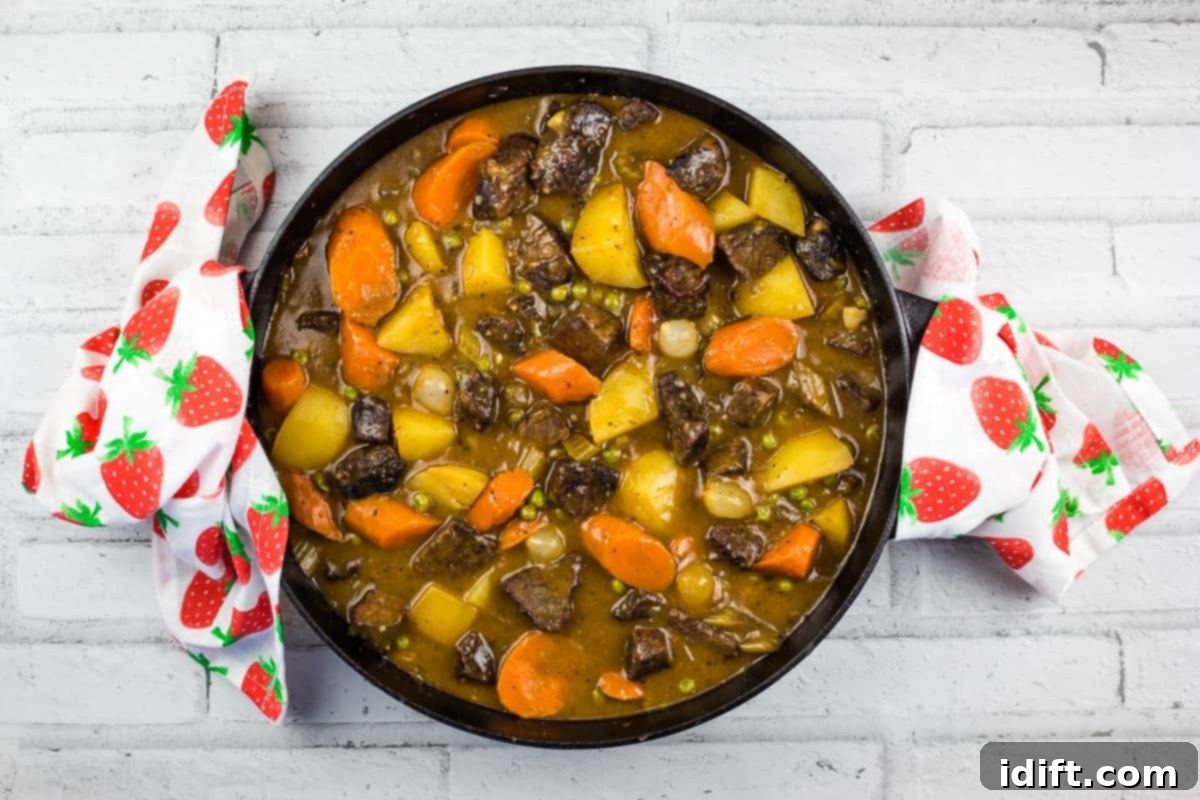
- Finish and Serve: Just before serving, stir in the frozen peas. Allow the stew to return to a gentle simmer, just enough to heat the peas through – this usually takes only a few minutes. Taste the stew and adjust the seasoning with additional salt and freshly ground black pepper as needed. Remove the bay leaves and thyme sprigs. Ladle the hot, aromatic Smoked Beef Stew into bowls and serve immediately with crusty bread for dipping, or over a bed of rice or noodles. Enjoy the rich, smoky, and unbelievably comforting flavors!
Chef Jenn’s Pro Tips for Smoked Beef Stew Success
- Tomato Paste Storage Hack: Don’t waste leftover tomato paste! Instead of struggling with an open can, spoon the remaining paste into a resealable sandwich bag. Press it flat and then roll it into a cylinder. Pop this cylinder into the freezer. The next time a recipe calls for tomato paste, simply cut off the amount you need from the frozen log, and return the rest to the freezer. It’s a fantastic way to minimize food waste and always have tomato paste on hand!
- Adjusting Stew Consistency: Different cuts of beef and even varying vegetable moisture levels can affect the final consistency of your stew. If your stew turns out too thick, don’t fret! Simply thin it down gradually by stirring in a little extra beef broth or even water until it reaches your desired consistency. If, conversely, your stew is too thin, create a quick slurry: mix 2 tablespoons of all-purpose flour with 2 tablespoons of cold water or broth until smooth. Whisk this mixture into the simmering stew, adding it a spoonful at a time and stirring constantly, until the stew thickens to perfection. Be patient, as it may take a few minutes for the thickener to take full effect.
- Perfectly Tender Vegetables: The cooking time for your vegetables will depend largely on how large you’ve cut them. For best results, aim for uniform, bite-sized pieces. You want them to be beautifully fork-tender – easily pierced with a fork but not mushy. Keep an eye on them during the final stage of smoking and adjust cooking time as needed. If your carrots are particularly thick, they might need a few extra minutes.
- Embrace the Slow Process: Remember, smoking is inherently a slow-cooking method, and that’s precisely what allows the flavors to develop so beautifully in this stew. Don’t be tempted to rush the process by cranking up the heat too much, as this can lead to tough meat and burnt flavors. Patience is key to achieving that rich, tender, and deeply smoked result. Take advantage of the waiting time to relax, perhaps sip on a homemade Celsius drink, and anticipate the incredible meal to come!
- Wood Selection Matters: The type of wood pellets or chips you use will subtly influence the smoky flavor of your stew. For beef, robust woods like hickory, oak, or mesquite are excellent choices, imparting a strong, classic BBQ smoke. If you prefer a milder smoke, consider apple or cherry wood, which offer a slightly sweeter, fruitier essence. Experiment to find your favorite!
- Rest for Enhanced Flavor: While it’s tempting to dive right in, allowing the stew to rest off the smoker for 10-15 minutes before serving can significantly enhance its flavor. This resting period allows the liquids to redistribute, and the flavors to deepen and meld even further, resulting in a more cohesive and delicious stew.
Serving Suggestions & Variations
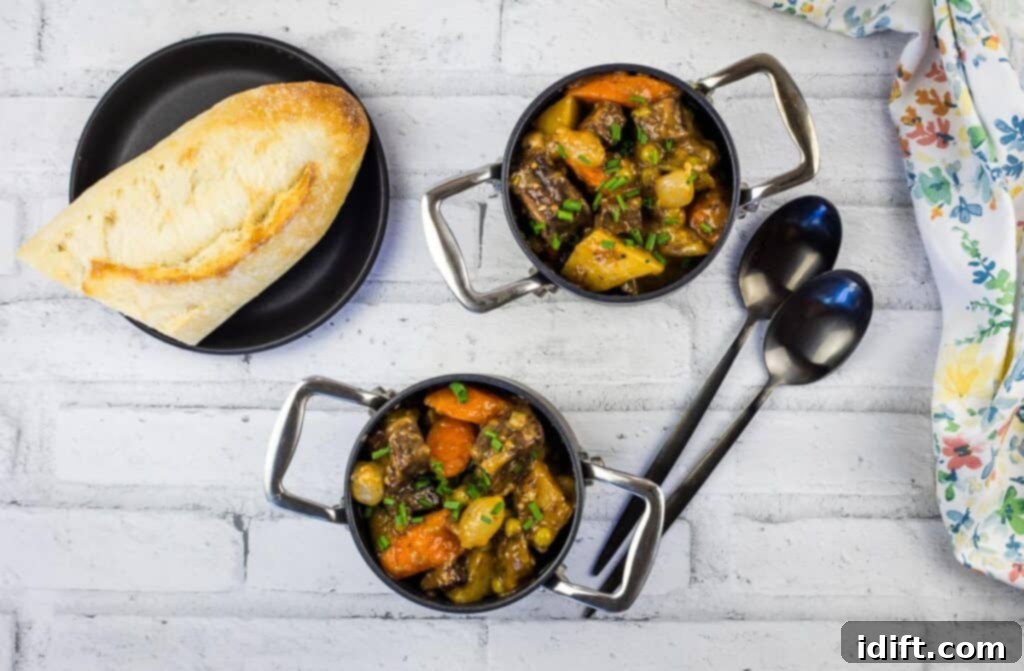
This Smoked Beef Stew is a meal in itself, but it truly shines when paired with a few thoughtful accompaniments. Serve it hot with a generous side of crusty artisan bread, perfect for soaking up every last drop of the rich, smoky broth. For a heartier meal, consider serving it over creamy mashed potatoes, fluffy white rice, or even a bed of wide egg noodles. A simple green salad with a light vinaigrette can also provide a fresh contrast to the stew’s richness.
Feel free to customize this recipe to your liking. For an added layer of flavor, a tablespoon of balsamic vinegar or a dash of liquid smoke can be incorporated if you desire an even deeper smoky note, though the double-smoking method typically provides ample flavor. If you enjoy a touch of spice, a pinch of red pepper flakes can be added. Root vegetables like parsnips or turnips can be included alongside the carrots and potatoes for more variety. For a creamier finish, a swirl of heavy cream or a dollop of sour cream stirred in just before serving can be delightful. Fresh herbs like parsley or chives, chopped and sprinkled over the top, add a vibrant finish and an extra layer of freshness.
Storage and Reheating
Smoked Beef Stew often tastes even better the next day as the flavors have more time to meld and deepen. To store, allow the stew to cool completely to room temperature. Transfer it to an airtight container and refrigerate for up to 3-4 days. This stew also freezes exceptionally well. Portion the cooled stew into freezer-safe containers or heavy-duty freezer bags, leaving some headspace for expansion. It can be frozen for up to 3 months.
When reheating, thaw frozen stew overnight in the refrigerator if possible. Reheat gently on the stovetop over medium-low heat, stirring occasionally, until simmering and heated through. You may need to add a splash of beef broth or water to reach the desired consistency, as the stew can thicken upon cooling. Avoid microwaving large portions, as it can sometimes lead to uneven heating; smaller portions can be microwaved, stirring halfway through.
Recommended Companion Recipes
Visual Step-By-Step Process for Smoked Beef Stew
Smoked Beef Stew
Fire up your smoker and prepare for an explosion of flavor in this hearty and delicious Smoked Beef Stew. A foundational kiss of smoke combined with a secret ingredient makes this the best Smoked Beef Stew you’ll ever taste!
Course: Soups & Stews
Cuisine: American
Keyword: beef, beef stew, smoked, smoked beef stew, smoker, smoker recipes, stewing beef
Prep Time: 30 minutes
Cook Time: 1 hour
Servings: 6 servings
Calories: 411 kcal
Author: Chef Jenn
Equipment
- Treaeger pellet smoker
- Hardwood pellets
- Large Skillet or Dutch Oven (smoker-safe)
- Cutting Board
- Whisk
Ingredients
- 2 pounds beef stew meat, cut into large cubes (e.g., chuck roast)
- 2 tablespoons salted butter
- 1 tablespoon cooking oil (e.g., vegetable or canola)
- 2 ribs celery, diced
- 1/2 onion, diced (yellow or white)
- 4 cloves garlic, minced
- 3/4 cup dry red wine (e.g., Merlot or Cabernet Sauvignon)
- 2 tablespoons tomato paste
- 5 sprigs fresh thyme
- 3 each bay leaves
- 1/4 cup all-purpose flour
- 2 cups low sodium beef broth
- 1 tablespoon Worcestershire sauce
- 1 pound potatoes, peeled and diced (e.g., Russet or Yukon Gold)
- 4 each carrots, peeled and cut into chunks
- 1 cup pickled onions (mini cocktail onions), drained
- 1 cup frozen peas
- Salt and pepper, to taste
Instructions
- Smoke the Beef: Fire up your Traeger smoker (or any other smoker) to 180°F (82°C). Place the beef cubes onto a pan or directly on the grill grates, season them generously with salt and pepper, and smoke for about 45 minutes to infuse them with a robust smoke flavor.
- Sauté Aromatics: Meanwhile, in a large skillet, sauté the diced onions, celery, and minced garlic with butter and cooking oil over medium-high heat until the onions are translucent and tender, approximately 8 minutes. Deglaze the skillet with red wine and let the wine reduce for about a minute.
- Dice Smoked Beef: Transfer the smoked beef cubes to a cutting board and cut them into bite-sized pieces.
- Combine Stew Base: Place the diced smoked beef, the sautéed onion-celery-wine mixture, tomato paste, fresh thyme, bay leaves, and Worcestershire sauce into a smoker-safe casserole or cast-iron dish.
- Thicken with Broth: In a separate bowl, whisk 1/2 cup of beef broth with all-purpose flour until smooth. Then, add the remaining beef broth and whisk again. Pour this mixture into the beef stew, stirring well to ensure the flour is evenly distributed, which will thicken the stew as it cooks.
- Slow Smoke the Stew: Return the smoker to 350°F (175°C), or a temperature that maintains a gentle simmer for the stew. Place the uncovered stew dish in the smoker and cook until the beef is tender, about 40 minutes. Then, add the diced potatoes, chopped carrots, and drained pickled cocktail onions. Continue to simmer in the smoker for another 20 minutes, or until all vegetables are fork-tender.
- Final Touches: Stir in the frozen peas and allow the stew to heat back to a simmer for a few minutes. Taste and adjust seasoning with additional salt and pepper as needed. Remove the bay leaves and thyme sprigs before serving.
Notes
Chef Jenn’s Tips
- Tomato Paste Storage: To store leftover tomato paste, press it into a resealable sandwich bag, roll it into a cylinder, and freeze. Cut off portions as needed!
- Consistency Adjustments: If your stew is too thick, thin with more beef broth or water. If it’s too thin, whisk 2 tablespoons of flour with 2 tablespoons of cold water/broth and gradually whisk into the simmering stew to thicken.
- Vegetable Tenderness: Ensure your vegetables are cut uniformly for even cooking. They should be fork-tender, not mushy.
- Embrace Slow Cooking: Patience is key in smoking. The low and slow process is essential for maximum tenderness and flavor development.
- Wood Selection: Experiment with different wood pellets/chips like hickory, oak, or mesquite for varied smoke intensity.
- Resting Period: Allow the stew to rest for 10-15 minutes after smoking to let flavors meld.
Nutrition
Serving: 1.5 cups | Calories: 411kcal | Carbohydrates: 26g | Protein: 39g | Fat: 14g | Saturated Fat: 5g | Polyunsaturated Fat: 1g | Monounsaturated Fat: 6g | Trans Fat: 0.2g | Cholesterol: 104mg | Sodium: 359mg | Potassium: 1240mg | Fiber: 4g | Sugar: 4g | Vitamin A: 629IU | Vitamin C: 29mg | Calcium: 72mg | Iron: 5mg
A Note on Nutritional Information: Nutritional information for this recipe is provided as a courtesy and is calculated based on available online ingredient information. It is only an approximate value. The accuracy of the nutritional information for any recipe on this site cannot be guaranteed.
Want More Delicious and Easy Recipes?
If you’ve enjoyed the rich flavors of this Smoked Beef Stew and are eager to expand your culinary repertoire, here are some more fantastic recipes that are sure to delight:
- Perfectly Seared Steaks on the Blackstone Griddle
- Flavorful Smoked Lamb Chops
- Creamy Leftover Roast Beef Stroganoff
- Addictive Smoked Shotgun Shells
- Warm and Comforting Winter Soups for Any Occasion
- The Best BBQ Marinades to Elevate Your Grill Game
Frequently Asked Questions About Smoked Beef Stew
Curious about perfecting your Smoked Beef Stew? Here are answers to some common questions:
What Kind of Wood Should I Use for Smoking Beef Stew?
For beef, robust wood types generally work best to complement the meat’s rich flavor. Hickory is a classic choice, offering a strong, savory smoke. Oak provides a medium, earthy smoke that pairs well with beef, while mesquite delivers an intense, bold flavor. If you prefer a milder, slightly sweeter smoke, fruitwoods like apple or cherry can also be used, though they might not stand up to the beef as much. Feel free to experiment with blends to find your favorite!
Can I Make This Smoked Beef Stew in a Slow Cooker or Dutch Oven Without a Smoker?
While the true depth of flavor comes from the smoking process, you can adapt this recipe for a slow cooker or a conventional oven (using a Dutch oven). To replicate some of the smoky flavor, you can pan-sear the beef until well browned and then add a teaspoon of liquid smoke to the stew base (adjust to taste). Follow the sautéing and combining steps as written. Then, cook in a slow cooker on low for 6-8 hours (or high for 3-4 hours), or in a preheated oven at 325°F (160°C) for 2-3 hours, or until the beef is fork-tender. Add the potatoes, carrots, and pickled onions during the last hour of cooking, and the peas at the very end.
Can I Prepare This Stew Ahead of Time?
Absolutely! Smoked Beef Stew is one of those dishes that often tastes even better the next day, as the flavors have more time to meld and deepen. You can prepare the entire stew a day or two in advance. Simply cool it completely, store it in an airtight container in the refrigerator, and then gently reheat it on the stovetop or back in the smoker (if desired) before serving. This makes it an excellent option for meal prep or entertaining.
How Do I Prevent My Vegetables from Becoming Mushy?
The key to perfectly tender, but not mushy, vegetables is timing. Ensure you add the firmer vegetables like potatoes and carrots only when the beef is already starting to tenderize, typically about two-thirds of the way through the stew’s total cooking time. Cut them into larger, uniform chunks to help them hold their shape better. The peas, being very delicate, should be added right at the end, just long enough to heat them through before serving.
What are Pickled Cocktail Onions and Why Are They the Secret Ingredient?
Pickled cocktail onions are small, pearl-sized onions that have been preserved in a vinegary brine, often with spices. They are typically found in the pickle or condiment aisle of most grocery stores. They are our “secret ingredient” because their bright, tangy, and slightly sweet flavor provides a crucial counterpoint to the rich, savory, and smoky elements of the stew. This acidity cuts through the richness, preventing the stew from feeling heavy and adding a delightful, unexpected pop of flavor that truly elevates the dish.