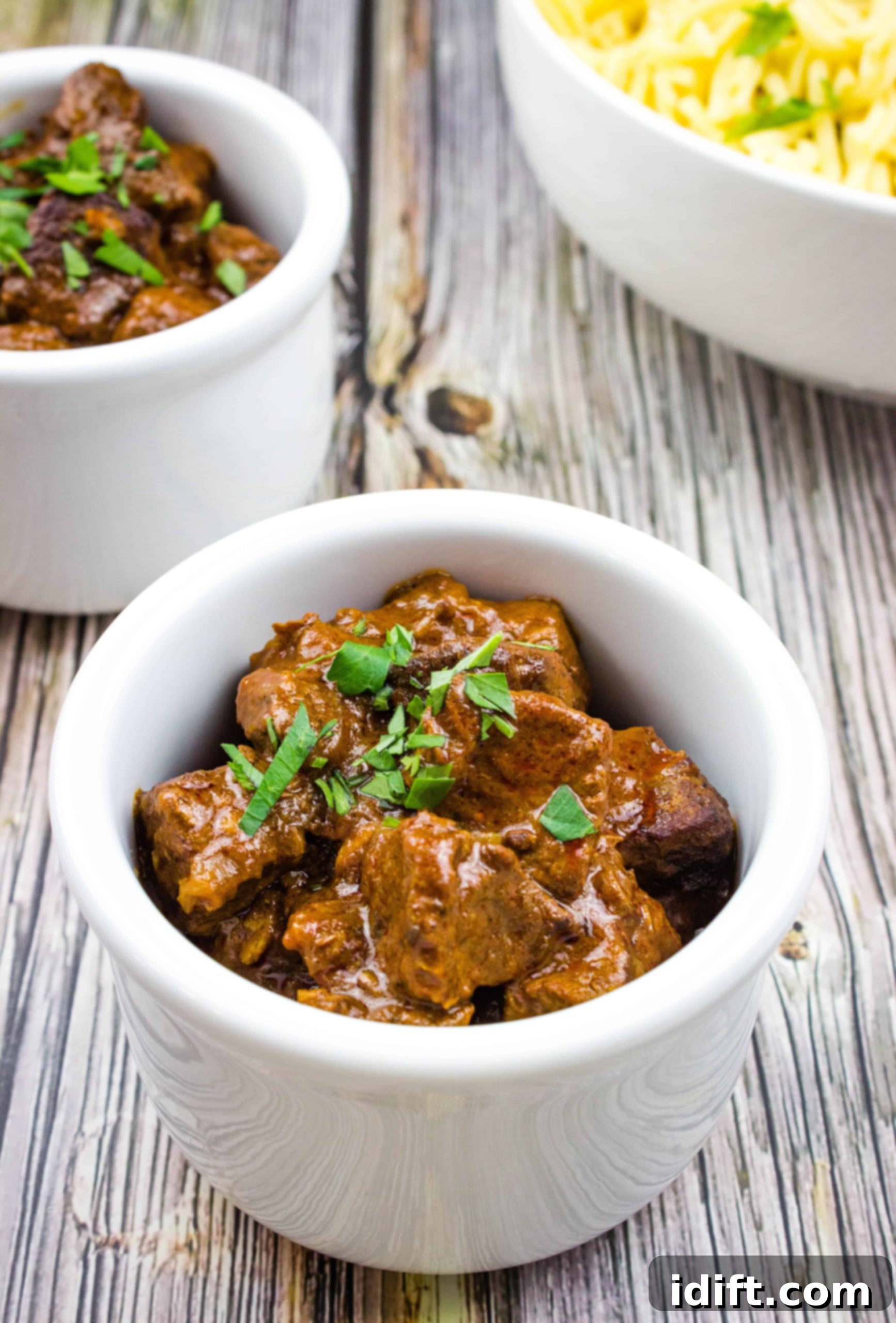
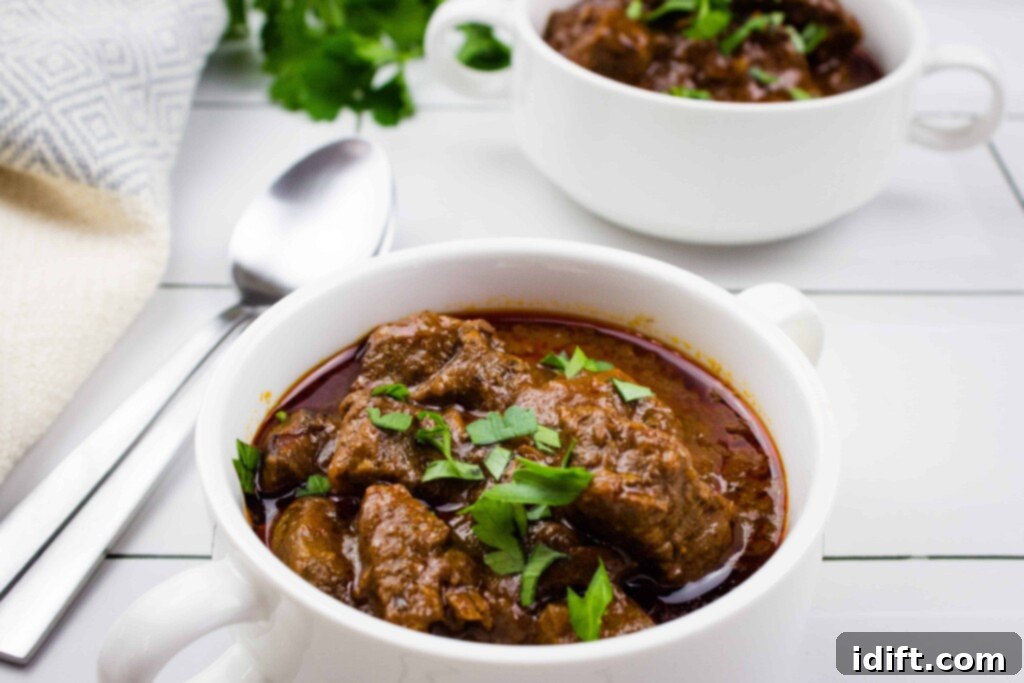
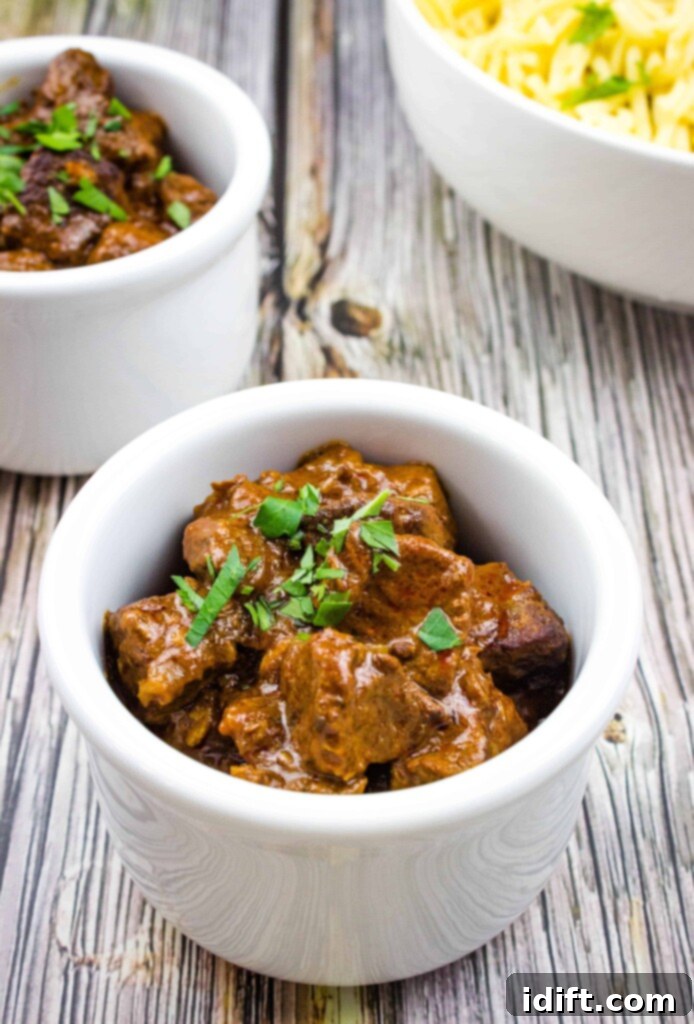
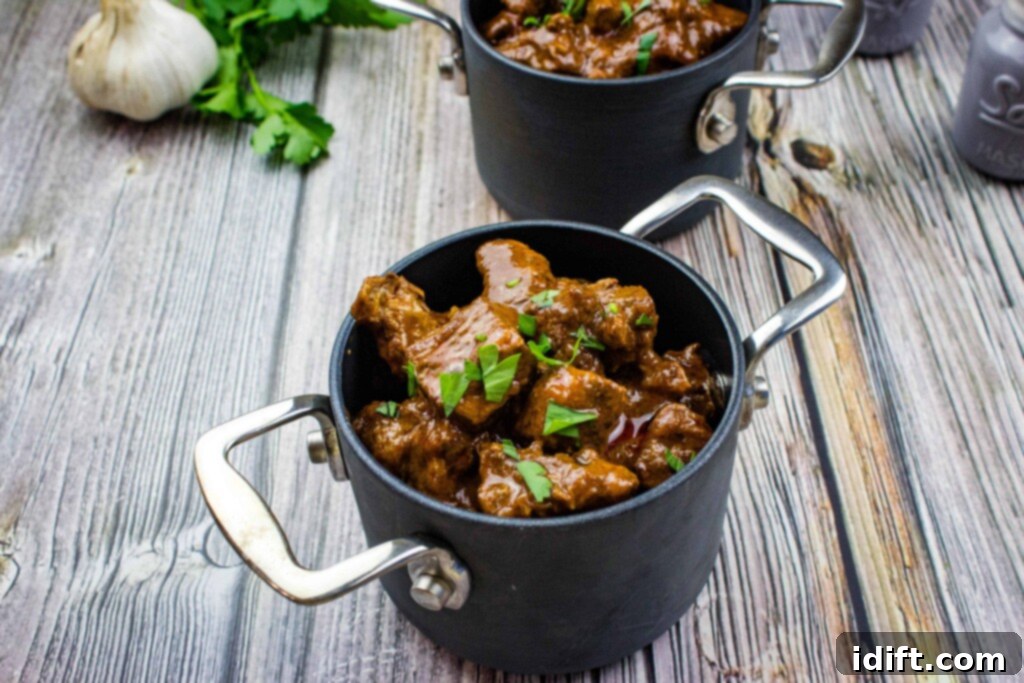
Experience the rich, soul-warming flavors of an authentic Hungarian Goulash – a classic beef stew perfected over two decades. This recipe is a culinary journey, featuring incredibly tender beef infused with a harmonious blend of traditional Hungarian spices, making it an irresistible dish for any occasion. Prepare to impress your taste buds with this hearty and deeply satisfying meal.
This post may contain affiliate link(s). As an Amazon Associate, I earn from qualifying purchases. See Disclosure.
When crafting the perfect goulash, a debate often arises regarding its consistency. While purists might argue against thickening with a flour slurry, I find it creates a beautifully rich, clingy sauce that elevates the entire dish. Hungarian cuisine is wonderfully diverse, with countless regional variations of goulash, so feel empowered to tailor it to your preference! The magic of this recipe lies not in a lengthy list of exotic ingredients, but in the alchemy of a few simple, high-quality components transformed through slow, patient cooking. Hours of simmering allow the flavors to meld and deepen, resulting in a robust, savory stew that’s truly unforgettable.
Authentic Hungarian Goulash is more than just a meal; it’s a culinary embrace, a dish that conjures images of cozy kitchens and family gatherings. Originating from the hearty stews prepared by Hungarian shepherds, this dish has evolved into a national treasure, beloved for its comforting warmth and complex spice profile, primarily driven by paprika. Unlike many beef stews, a true Hungarian goulash focuses on the beef, onions, and paprika, eschewing common additions like root vegetables within the stew itself. This distinction ensures the rich, beefy essence and vibrant paprika notes truly shine.
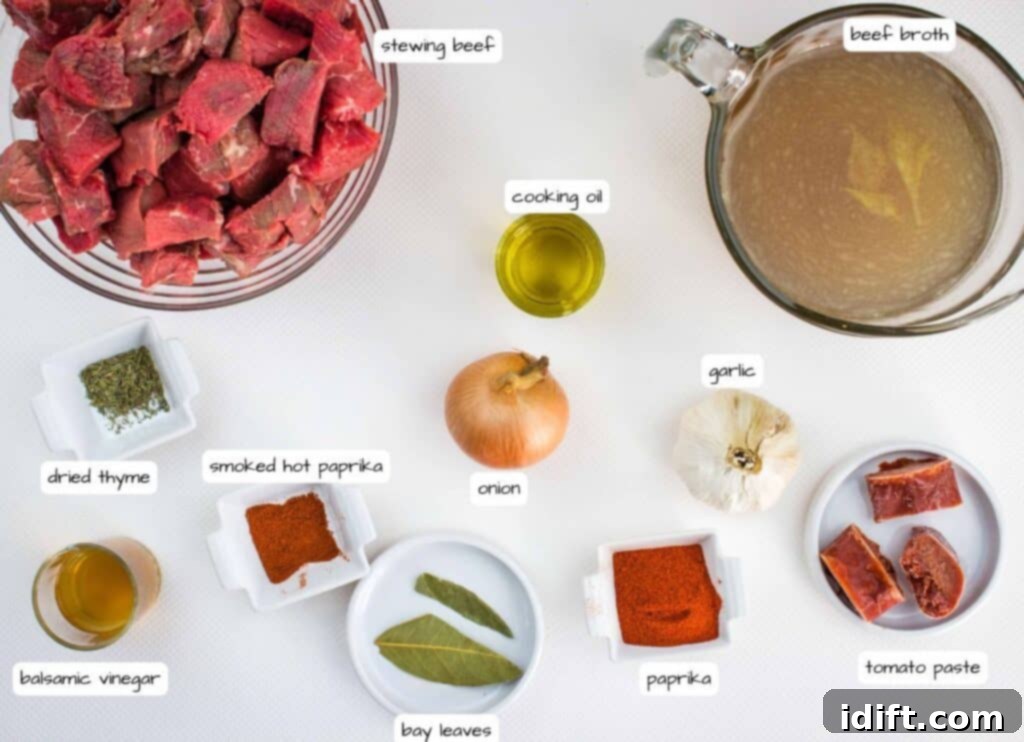
Key Ingredients for an Authentic Hungarian Goulash
Creating an authentic Hungarian Goulash requires a thoughtful selection of ingredients, each playing a crucial role in developing its characteristic depth and flavor. While the list might seem simple, the quality and preparation of each component are paramount. Here’s a closer look at what you’ll need to bring this classic dish to life:
- Slow cooker / Crock Pot: Essential for achieving that signature fall-apart tender beef and allowing the flavors to meld beautifully over several hours without constant supervision.
- Stewing beef: Opt for cuts like chuck roast, beef round, or stew meat. These cuts, rich in collagen, become incredibly tender and flavorful when cooked low and slow, releasing their natural juices to enrich the sauce.
- Onions: A cornerstone of Hungarian goulash. You’ll need a generous amount, as they caramelize slowly, providing a sweet foundation and thickening the sauce naturally. Yellow or red onions work wonderfully.
- Garlic: Fresh garlic is non-negotiable for its pungent aroma and depth. Roughly chopped garlic will infuse the stew with its unmistakable flavor as it simmers.
- Balsamic vinegar: A splash of balsamic vinegar adds a delightful acidity that brightens the rich flavors of the stew and helps deglaze the pan, capturing all the flavorful browned bits.
- Beef broth: Choose a high-quality, unsalted beef broth or stock. This forms the liquid base of your goulash, contributing significant savory depth. Using unsalted allows you to control the seasoning precisely.
- Tomato paste: A concentrated burst of umami and color. Tomato paste adds a subtle sweetness and depth, complementing the paprika and beef without overpowering them.
- Cooking oil: A neutral cooking oil like vegetable or canola oil is ideal for browning the beef and sautéing the aromatics without imparting its own strong flavor.
- Spices: This is where Hungarian Goulash truly shines.
- Paprika: The star of the show. Use high-quality Hungarian sweet paprika for its vibrant color and characteristic sweet-peppery flavor.
- Smoked hot paprika: A crucial addition for a subtle smoky depth and a gentle warmth, adding another layer of complexity to the spice profile.
- Thyme: Dried thyme offers an earthy, aromatic note that beautifully complements the beef and paprika.
- Bay leaves: These fragrant leaves impart a subtle, herbal background note that enhances the overall savory quality of the goulash.
- All purpose flour and water: For an optional slurry. If you prefer a thicker, more gravy-like consistency for your goulash, a simple flour and water slurry can be whisked in at the end to achieve the desired texture.
Crafting Your Authentic Hungarian Goulash: A Step-by-Step Guide
Creating this authentic Hungarian Goulash is a rewarding process, largely thanks to the magic of slow cooking. While it requires a bit of initial prep, the hands-off cooking time allows the flavors to deepen and the beef to become incredibly tender. Follow these steps for a truly memorable meal:
For precise measurements and printable instructions, please refer to the recipe card below.
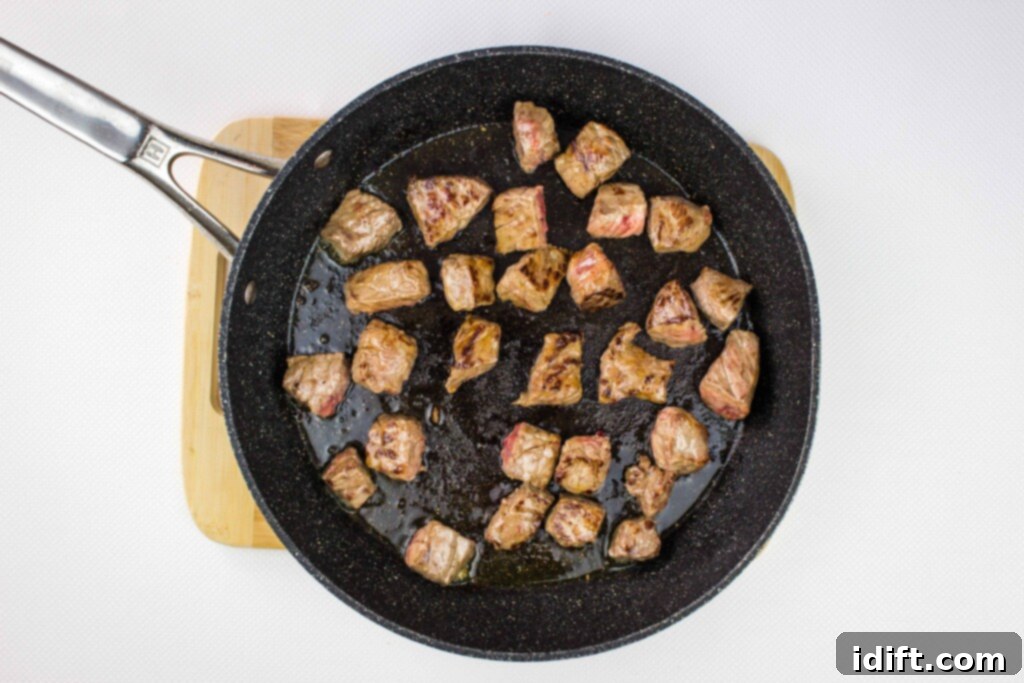
1. Prepare and Brown the Beef: Begin by liberally seasoning your stewing beef chunks with salt and freshly ground black pepper. This initial seasoning is vital for building flavor. Heat half of your cooking oil in a large, heavy-bottomed skillet or Dutch oven over medium-high heat. Once the oil shimmers, add the beef in batches, ensuring not to overcrowd the pan. Crowding will steam the meat instead of browning it, preventing the development of a rich, caramelized crust. Sear the meat on all sides until deep golden brown, about 5 minutes per batch. This browning step is crucial as it creates a foundation of savory flavor (the Maillard reaction) that will permeate the entire goulash. Remove the browned beef from the skillet and set it aside.
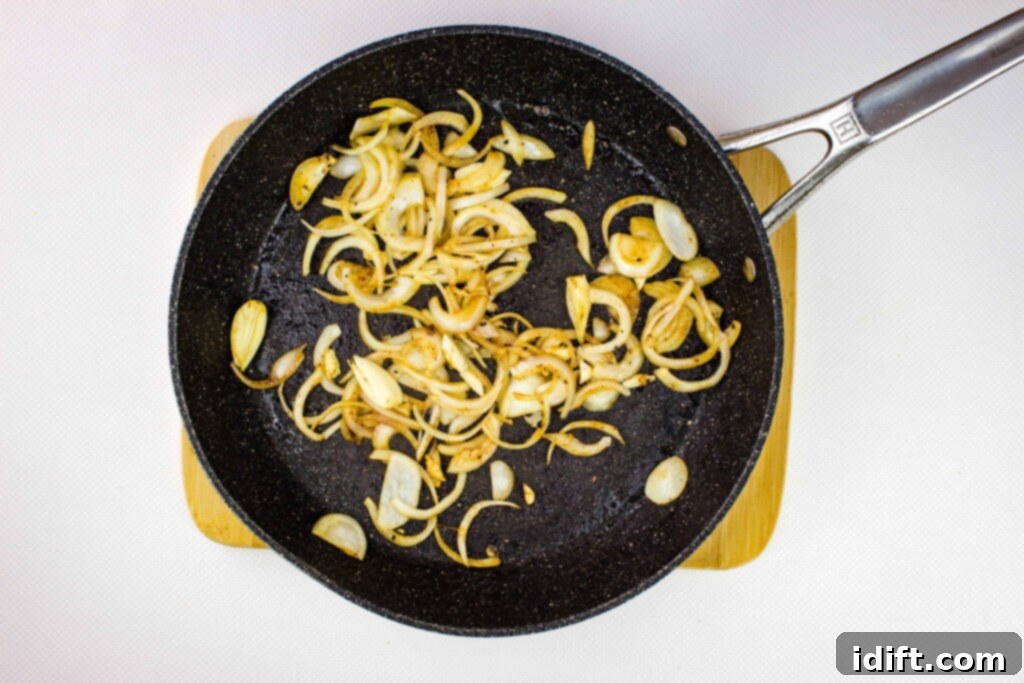
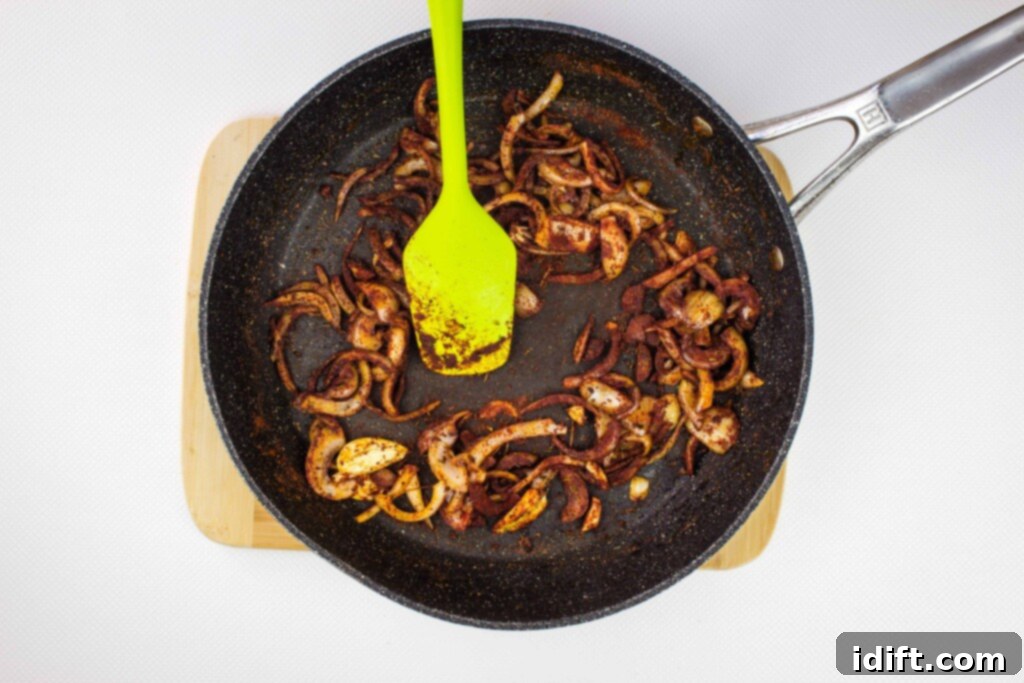
2. Sauté Aromatics and Bloom Spices: Add the remaining cooking oil to the same skillet. Reduce the heat to medium and add the sliced onions. Cook the onions gently, stirring occasionally, until they are soft, translucent, and slightly caramelized – this could take about 6-8 minutes. Avoid browning them too quickly; slow cooking brings out their natural sweetness, which is key to goulash flavor. Once the onions are tender, add the roughly chopped garlic to the pan and cook for another minute until fragrant. Be careful not to burn the garlic. Next, stir in the paprika, smoked hot paprika, and dried thyme. Cook these spices for about one minute, stirring constantly. This brief “blooming” in the hot oil enhances their flavor and aroma significantly.
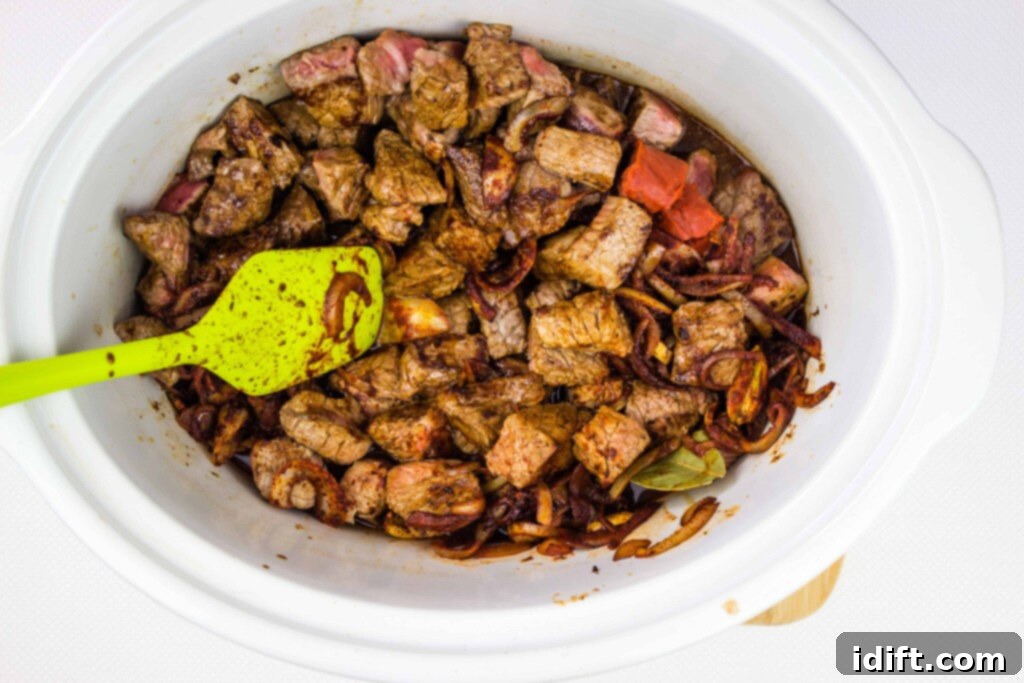
3. Deglaze and Transfer to Slow Cooker: Pour the balsamic vinegar and a portion of the beef broth into the hot skillet. Immediately scrape up all the delicious browned bits (fond) from the bottom of the pan with a wooden spoon. This deglazing step captures all the concentrated flavor from the seared beef and sautéed aromatics, forming the foundation of your goulash sauce. Transfer this flavorful liquid along with the onion and spice mixture into your slow cooker. Add the browned beef chunks, the remaining beef broth, tomato paste, and bay leaves to the slow cooker. Stir everything gently to combine. Cover the slow cooker and cook on high for approximately 4-6 hours, or until the beef is incredibly tender and easily pulls apart with a fork.
4. Optional Thickening and Serving: Once the goulash has cooked and the beef is tender, you have the option to thicken the sauce further if desired. In a small bowl, whisk together 1 tablespoon of all-purpose flour with 3 tablespoons of water until a smooth slurry forms. Stir this slurry into the goulash in the slow cooker. Turn the slow cooker to its highest setting or transfer the goulash to a stovetop pot and bring it to a gentle simmer, stirring constantly, until the sauce thickens to your preferred consistency. Let it simmer for an additional 10 minutes to cook out any raw flour taste. Taste and adjust seasoning with salt and pepper as needed. Your authentic Hungarian Goulash is now ready to be served and enjoyed!
Chef Jenn’s Expert Tips for the Perfect Hungarian Goulash
Years of perfecting this recipe have taught me a few tricks that truly elevate this Hungarian Goulash from good to extraordinary. Heed these tips to ensure your goulash is consistently amazing:
- The Power of Paprika: The spices, particularly paprika, are the heart and soul of this dish. Do not skimp on quality or freshness. Source high-quality Hungarian sweet paprika and make sure it’s as fresh as possible – stale paprika loses its vibrancy. Furthermore, getting your hands on smoked hot paprika will make an incredible difference, adding a unique smoky depth and a gentle kick that is utterly authentic. I often buy this sweet and hot paprika duo from Amazon; it guarantees both quality and convenience.
- Mind the Deglazing Fumes: When you deglaze the pan with balsamic vinegar (or apple cider vinegar, which also works well), be mindful of the strong fumes. They can be quite potent, so lean back and avoid inhaling directly over the pan immediately after adding the vinegar.
- Size Matters for Beef: While you can buy pre-cut stew beef, it often comes in large, uneven chunks. For optimal tenderness and even cooking, take a moment to cut these larger pieces down into more uniform, bite-sized portions before you begin browning. Aim for pieces roughly 1.5 to 2 inches.
- Browning in Batches is Key: resist the urge to overcrowd your pan when browning the beef. Doing so will lower the pan’s temperature and cause the meat to steam rather than sear, resulting in a gray, less flavorful exterior. Work in batches, giving each piece enough space to achieve that beautiful, caramelized crust. This browning step is where much of the goulash’s deep, savory flavor originates.
- Onion Caramelization: Don’t rush the onions. Cooking them slowly until they are truly soft and translucent, almost melting, is crucial. This process develops their sweetness and contributes significantly to the richness and natural thickening of the goulash sauce.
- Seasoning Throughout: Don’t wait until the end to season. Season the beef generously before browning, and taste the goulash halfway through cooking, adjusting salt and pepper as needed. Remember, flavors intensify during slow cooking, so start judiciously and add more if necessary.
Explore More Hearty & Flavorful Dishes
If you love the comforting warmth of this Hungarian Goulash, you’ll surely appreciate these other robust and delicious recipes perfect for any time of year:
Perfect Pairings: What to Serve with Your Crock Pot Hungarian Goulash
The rich, savory flavors of Hungarian Goulash truly sing when paired with the right accompaniments. The goal is to choose sides that can either soak up the incredible sauce or provide a fresh contrast to its robust character. Here are some of my favorite ways to serve this magnificent beef stew:
- Classic Crusty Bread: A warm, crusty loaf of bread is almost mandatory. It’s perfect for dipping into the flavorful gravy, ensuring not a single drop of that delicious sauce goes to waste. A good sourdough or a rustic country bread would be ideal.
- Simple Green Salad: To cut through the richness of the goulash, a light and refreshing green salad with a simple vinaigrette is an excellent choice. The crispness and acidity provide a wonderful counterpoint to the tender beef and thick sauce.
- Steamed or Roasted Vegetables: A side of tender-crisp steamed green beans, roasted carrots, or broccoli can add a touch of freshness and additional nutrients to your meal. Keep the seasoning minimal to let the goulash shine.
- Easy Spaetzle Recipe: This is arguably the most traditional and beloved accompaniment for goulash. Spaetzle is a soft, eggy pasta, similar to dumplings, found throughout Central and Eastern Europe. Its irregular shape and slightly chewy texture are absolutely perfect for capturing every last bit of that amazing goulash sauce. Making it from scratch is surprisingly easy and incredibly rewarding.
- Potatoes, Mashed or Boiled: Simple boiled or mashed potatoes are a classic choice for any hearty stew. They provide a neutral canvas and a comforting texture that pairs beautifully with the rich beef and sauce.
- Gluten-Free Yorkshire Puddings: For a delightful twist, consider serving your goulash with light and airy Yorkshire puddings. Their hollow centers are perfect for spooning in that savory sauce, creating a unique and delicious pairing.
No matter your choice, ensure your side dish complements the main event without overshadowing it. The goal is to enhance the goulash experience!
Is This Goulash Recipe Freezer Friendly?
Absolutely! This Hungarian Goulash is an ideal candidate for meal prepping and freezing. In fact, I often recommend making a double batch specifically to freeze portions for those busy weeknights when you need a quick, delicious, and homemade meal. Freezing goulash is incredibly simple and ensures you always have a comforting meal on hand.
To freeze it properly, first allow the goulash to cool down completely in the refrigerator for several hours, or even overnight. This thorough chilling helps prevent ice crystal formation and preserves the texture and flavor. Once chilled, transfer individual portions into freezer-safe containers or heavy-duty zipper-top freezer bags. If using bags, squeeze out as much air as possible before sealing to prevent freezer burn. Lay them flat to freeze, which helps save space. Properly stored, your goulash can be kept in the freezer for up to three months.
When you’re ready to enjoy it, simply transfer the frozen goulash to the refrigerator to thaw overnight. Once thawed, you can reheat it gently in a pot on the stovetop over medium-low heat, stirring occasionally, until it’s heated through. Alternatively, microwave individual portions in a microwave-safe bowl, stirring every couple of minutes, until steaming hot. Adding a splash of extra beef broth or water during reheating can help if the sauce has thickened too much in the freezer. Enjoy the convenience of a homemade meal whenever you desire!
While there are many delicious options, my absolute favorite side for goulash is spaetzle. This traditional eggy pasta from Central Europe has a delightful chewy texture that perfectly soaks up every drop of the rich, savory goulash sauce. Other fantastic pairings include crusty bread for dipping, simple boiled or mashed potatoes, or a fresh green salad to balance the richness.
While both are slow-cooked meat dishes, traditional Hungarian Goulash typically focuses on chunks of beef, onions, and garlic, simmered in a rich, paprika-infused red sauce. It generally does not include other vegetables like carrots, celery, or potatoes cooked directly in the stew. A more general “stew,” on the other hand, often incorporates a wider variety of vegetables, creating a heartier and thicker consistency, and its spice profile might be less focused on paprika.
The distinction is quite significant! Authentic Hungarian Goulash is a rich beef stew made with large chunks of stew beef, ample onions, and a generous amount of high-quality paprika, slow-cooked to perfection. It contains no pasta. American Goulash, sometimes affectionately called American Chop Suey, is a completely different dish. It’s typically made with ground beef, elbow macaroni pasta, diced tomatoes, and sometimes cheese, resulting in a more casserole-like, one-pot pasta dish.
Absolutely! While a slow cooker offers convenience, traditional Hungarian Goulash can be beautifully prepared in a heavy Dutch oven on the stovetop or in the oven. Follow the initial browning and sautéing steps as described, then transfer to a preheated oven (around 300°F / 150°C) for 2.5 to 3 hours, or simmer gently on the stovetop over very low heat, checking liquid levels periodically, until the beef is fork-tender. This method also yields excellent results and a rich, deeply flavored stew.
The best cuts for Hungarian goulash are those that benefit from low and slow cooking, breaking down to become incredibly tender and flavorful. Chuck roast (also known as chuck shoulder or stew beef) is an excellent choice. Other good options include beef round or brisket. These cuts have enough fat and connective tissue to prevent them from drying out during the long cooking process, resulting in a succulent and melt-in-your-mouth texture.

Print Recipe
Pin Recipe
Authentic Hungarian Goulash
Equipment
- Crock Pot or Slow Cooker
- Large Skillet or Dutch Oven
Ingredients
- 2.5 pounds stewing beef, cut into 1.5-inch chunks
- 4 cups onions, thinly sliced (about 2 large onions)
- 3 cloves garlic, roughly chopped
- 2 tbsp balsamic vinegar
- 2 cups beef broth or stock, unsalted
- 2 tbsp tomato paste
- 3 tbps sweet paprika (Hungarian preferred)
- 1 tsp smoked hot paprika
- 1/2 tsp dried thyme
- 2 bay leaves
- Salt and freshly ground black pepper, to taste
- 2 tbsp cooking oil, divided
- 1 tbsp all purpose flour (optional, for slurry)
- 3 tbps water (optional, for slurry)
Instructions
- Heat half of the cooking oil in a large skillet or Dutch oven over medium-high heat. Liberally season the stewing beef chunks with salt and pepper. Working in batches to avoid overcrowding, brown the beef on all sides until a deep golden crust forms, about 5 minutes per batch. Remove the browned beef and set aside.
- Add the remaining oil to the skillet, reduce heat to medium. Add the sliced onions and cook until soft, translucent, and slightly caramelized, about 6-8 minutes. Add the chopped garlic and cook for another minute until fragrant. Stir in the sweet paprika, smoked hot paprika, and dried thyme, cooking for 1 minute more, stirring constantly, to bloom the spices.
- Deglaze the pan by pouring in the balsamic vinegar and about 1/2 cup of the beef broth. Scrape up all the browned bits from the bottom of the pan with a wooden spoon. Transfer this flavorful liquid and the onion-spice mixture to your Crock Pot.
- Add the browned beef chunks, the remaining beef broth, tomato paste, and bay leaves to the Crock Pot. Stir to combine. Cover and cook on high for about 4-6 hours, or on low for 8-10 hours, until the beef is incredibly tender and can be easily shredded with a fork.
- Optional Thickening: If you prefer a thicker sauce, prepare a flour slurry. In a small bowl, whisk together 1 tablespoon of all-purpose flour with 3 tablespoons of water until smooth. Stir this slurry into the goulash in the Crock Pot. Increase the heat to high (or transfer to a stovetop pot and bring to a boil). Let it simmer for about 10 more minutes, stirring frequently, until the sauce has thickened to your desired consistency. Taste and adjust seasoning with additional salt and pepper as needed before serving.
Nutrition Information
A Note on Nutritional Information
Nutritional information for this recipe is provided as a courtesy and is calculated based on available online ingredient information. It is only an approximate value. The accuracy of the nutritional information for any recipe on this site cannot be guaranteed, and values may vary based on specific brands and preparation methods.