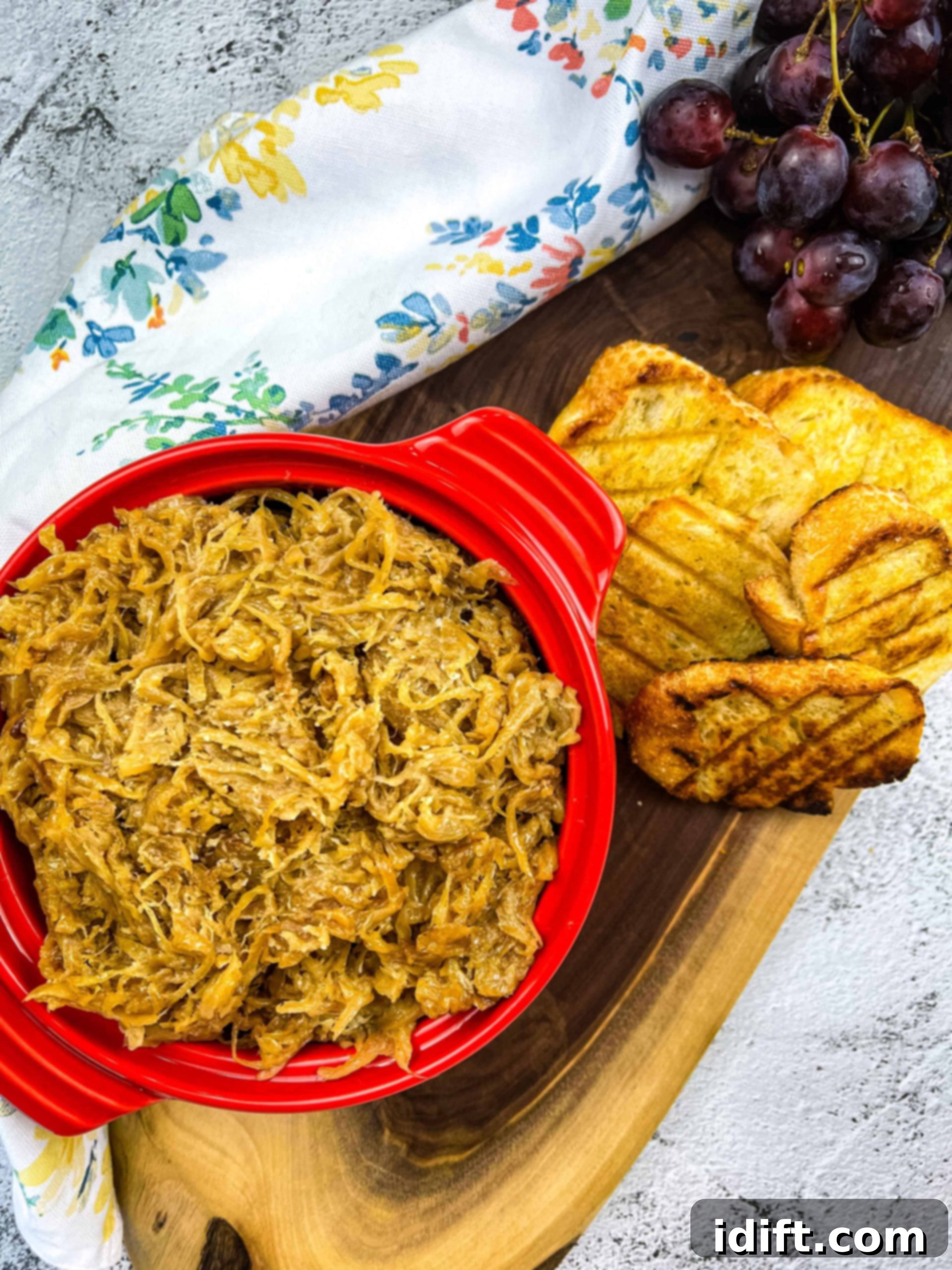
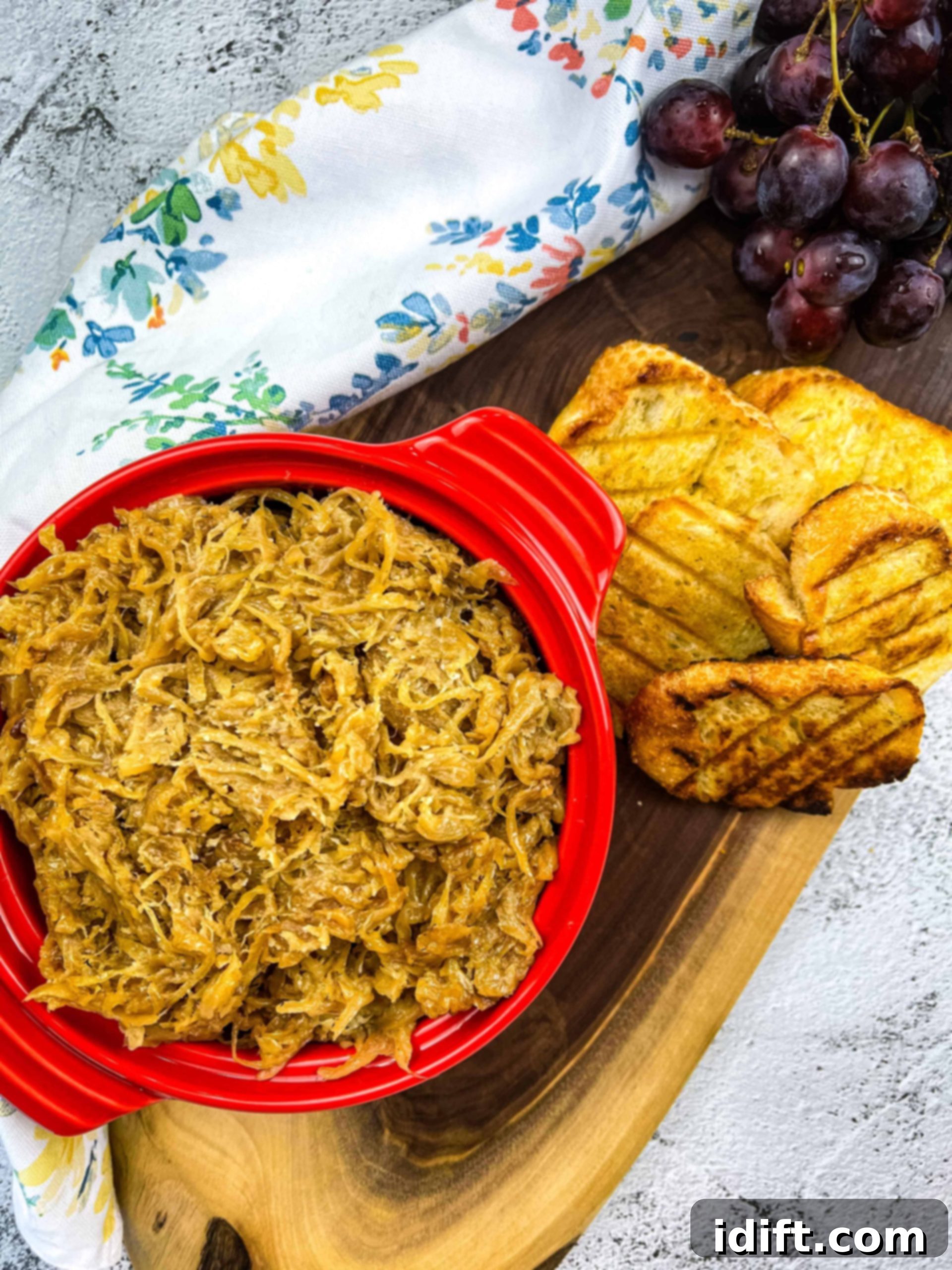
Caramelized onions are a culinary marvel, transforming humble onions into a sweet, savory, and incredibly versatile ingredient. Far from their sharp, raw state, these slow-cooked, buttery gems offer a melt-in-your-mouth tenderness and a deep, rich flavor that can elevate countless dishes. They are the soul of classic French onion soup, and they shine as elegant garnishes and toppings for everything from gourmet toast and appetizers to sophisticated charcuterie and cheese boards. If you’ve ever yearned to master the art of making perfectly caramelized onions, your journey begins right here!
This post may contain affiliate link(s). As an Amazon Associate, I earn from qualifying purchases. See Disclosure.
There is truly nothing quite like a batch of expertly caramelized onions. Their deep, buttery flavor is unmistakable, offering a profound sweetness that only emerges through patient, low-and-slow cooking. These onions become soft, syrupy, and spreadable, a testament to the magic that happens when natural sugars are coaxed into a golden-brown perfection. While the process demands time, it’s a culinary endeavor that rewards patience with an unparalleled depth of flavor. It’s important to understand that properly caramelized onions are not a quick fix; they cannot be rushed, and attempting to do so will result in something entirely different.
Onions are incredibly versatile vegetables, enjoyed in countless forms: fried, raw, baked, creamed, or deep-fried. Each method offers a unique texture and flavor profile. However, among all the ways to prepare this foundational ingredient, caramelized onions stand out as a truly superior method, transforming their inherent pungency into an irresistible sweet and savory delight.
Why You’ll Adore This Caramelized Onion Recipe
- Naturally Sweet Perfection: Experience the profound, concentrated sweetness that emerges from the onions themselves, without a single grain of added sugar.
- Effortlessly Simple: Despite the time required, the process is incredibly straightforward, involving minimal active effort.
- Unbelievably Versatile: These culinary chameleons can be incorporated into a myriad of dishes, acting as both a star ingredient and a subtle enhancer.
Understanding Caramelized Onions: A Culinary Transformation
Caramelized onions are more than just cooked onions; they represent a beautiful culinary transformation. This process involves slowly cooking onions over low heat in a rich fat, typically butter, allowing their natural sugars to break down and undergo the Maillard reaction – a complex chemical process responsible for the browning and deep, savory-sweet flavors in many cooked foods. As the onions gently cook, their moisture evaporates, concentrating their sweetness and transforming their crisp, pungent texture into something incredibly soft, tender, and deeply flavorful. The result is a profound depth of flavor that bears little resemblance to raw or even lightly sautéed onions, offering a syrupy texture and a golden-brown hue that signifies their delicious complexity.
The “low and slow” approach is paramount here. High heat would merely brown or fry the onions, leading to a bitter or burnt taste. True caramelization requires patience, allowing the sugars to slowly convert and intensify, developing those desired sweet, savory, and umami notes that make them so irresistible. This methodical cooking ensures that every slice of onion becomes a rich, unctuous bite, imbued with a buttery essence and a natural sweetness that stands on its own.
Gather Your Essentials: What You’ll Need
Making truly exceptional caramelized onions is an exercise in patience, not speed. Therefore, the first and most crucial ingredient you’ll need is ample time. Expect the process to take anywhere from 45 minutes to over an hour, depending on the quantity of onions and your desired level of caramelization. Resist the urge to rush, as the magic happens gradually.
Beyond patience, a heavy-bottomed skillet is indispensable. Tools like a quality cast-iron pan or a Dutch oven are ideal. Their ability to retain and distribute heat evenly is key to preventing hot spots and ensuring a uniform, gentle caramelization, minimizing the risk of burning and maximizing flavor development.
Here’s what else you’ll need to create this culinary delight:
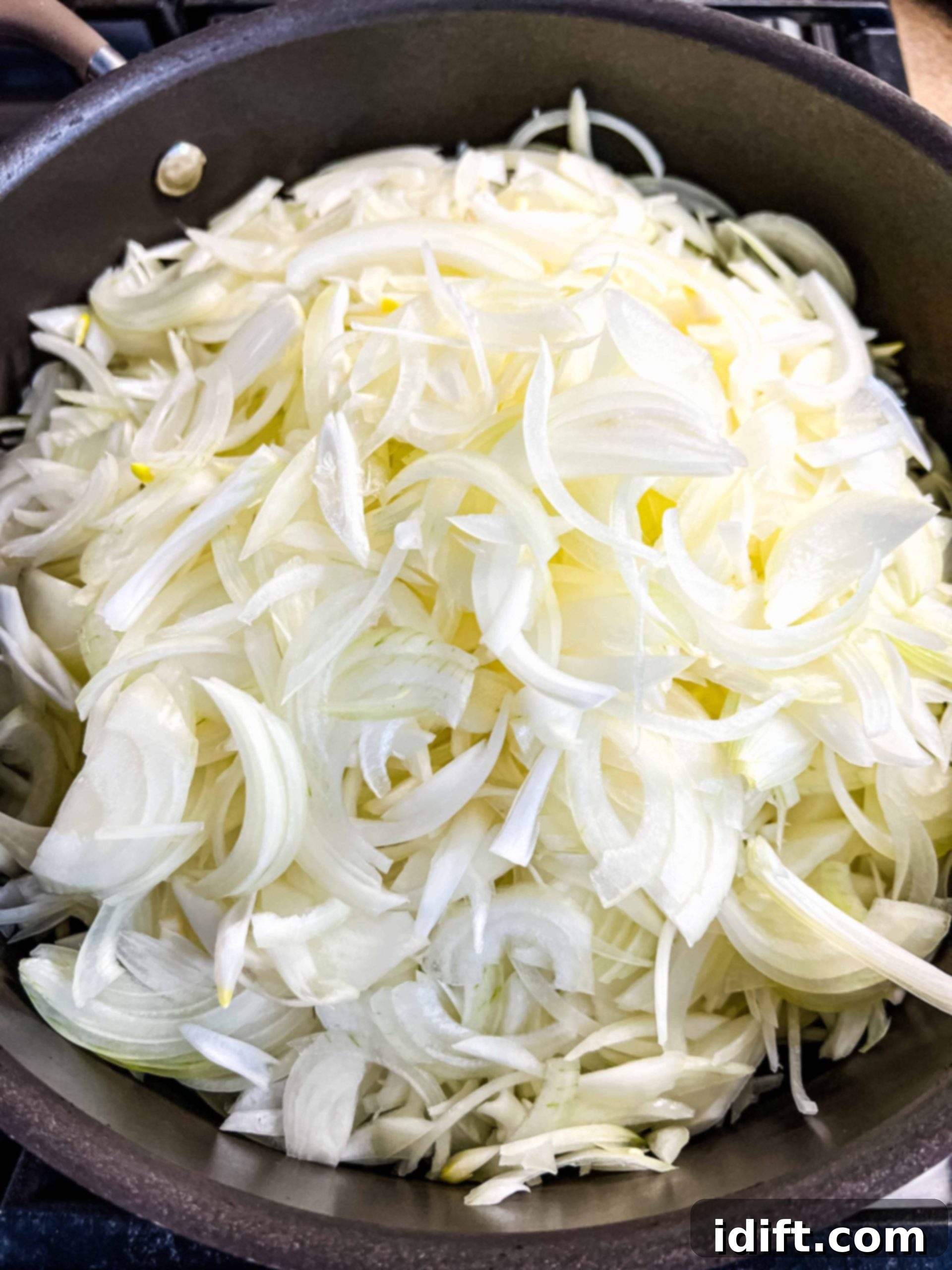
- Onions: You’ll need a generous amount, as onions reduce significantly in volume during caramelization. Plan for a “mountain” of thinly sliced onions; two pounds will cook down to a surprisingly small quantity.
- Butter: Salted butter is generally preferred for its rich flavor and ability to facilitate browning while adding a crucial savory note. The fat content helps conduct heat evenly and contributes to the silky texture. While some recipes use oil, butter adds an irreplaceable depth.
- Herbs (Optional, but Recommended): Fresh thyme sprigs are a classic companion to caramelized onions, infusing them with a subtle, aromatic warmth. Alternatively, a pinch of dried thyme, marjoram, or even a bay leaf can add complexity. These should be added partway through cooking to prevent burning and allow their flavors to meld beautifully.
- Salt and Pepper: Simple seasonings are all that’s needed to enhance the natural flavors. Add them to taste, usually towards the end of the cooking process.
Recommended Pairings & Recipes
Choosing Your Onions for Caramelization
While some culinary purists might insist on a specific onion variety, as a seasoned chef, I can confidently tell you that nearly any type of onion will caramelize beautifully. The true secret lies in the technique and patience, not necessarily the onion itself. My personal preference, and a highly recommended choice, is the humble yellow cooking onion.
Yellow onions are not only more affordable and widely available but also possess a robust, assertive flavor profile that undergoes a remarkable transformation during caramelization. Their initial pungency mellows and deepens, yielding a rich, sweet, and complex taste that is simply fantastic. They provide a perfect balance of sugar content and flavor intensity for the best results.
However, don’t shy away from experimenting with other varieties:
- Sweet Onions: Varieties like Vidalia and Texas sweet onions, or even red onions, can also be caramelized. They offer a milder starting point, which translates to a subtly sweeter final product, often with a beautiful reddish hue in the case of red onions.
- White Onions: These tend to have a lower sugar content and a higher water content than yellow or sweet onions, making them the most challenging to caramelize. They will require even more patience and careful heat management to achieve that desired golden-brown richness.
- Yellow Cooking Onions: As mentioned, these are my top recommendation for their balance of flavor, affordability, and excellent caramelization properties.
- Shallots: While not technically onions, these elongated alliums are close cousins and caramelize wonderfully. They have a delicate, sweet, and garlicky flavor that becomes intensely rich when cooked down. Keep in mind that shallots are much smaller, so you’ll need a larger quantity to yield a decent amount of caramelized shallots.
For those with a green thumb, homegrown onions always make the best caramelized onions, offering a freshness and flavor that store-bought varieties can’t always match. If you have a bit of garden space, consider growing your own. Here’s how to start onion seeds indoors to enjoy a bountiful harvest – happy growing!
How To Master Caramelized Onions: A Step-by-Step Guide
For a complete list of ingredients and detailed instructions, please scroll down to the recipe card at the end of this page.
Creating perfect caramelized onions is less about complex techniques and more about patient, consistent heat management. Follow these steps to achieve that deeply flavorful, jam-like consistency:
- Prepare Your Pan and Onions: Begin by thinly slicing your onions. Uniformity is key here for even cooking. Melt a generous amount of butter over a very low heat in your chosen heavy-bottomed skillet – a cast-iron pan is excellent for this. Once the butter is melted and gently shimmering, add all your sliced onions to the pan. Don’t worry if it looks like a mountain; they will significantly reduce.
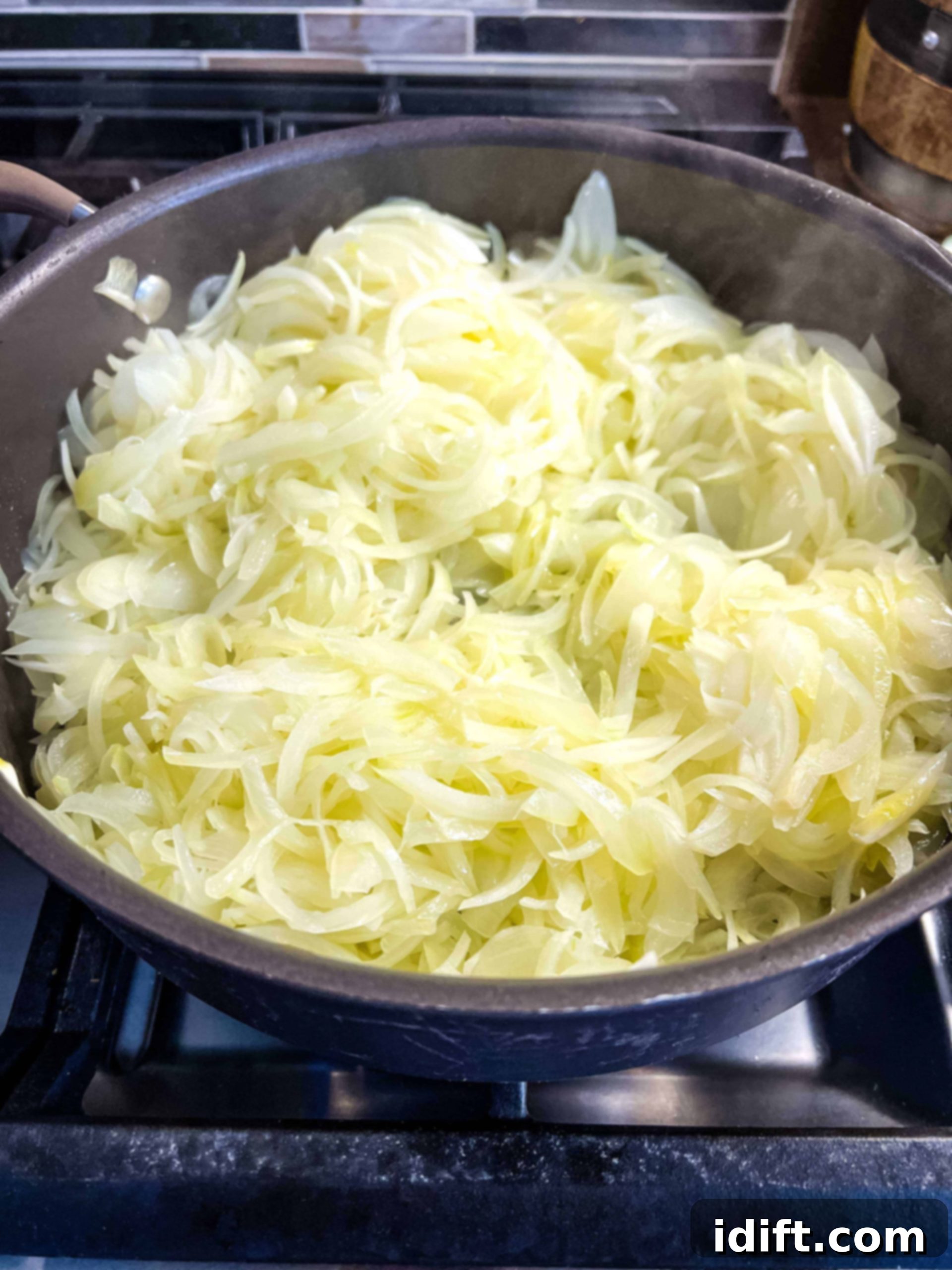
- Begin the Slow Cook: Stir the onions to coat them thoroughly with butter. Cover the pan loosely or completely to help them “sweat” initially, releasing their moisture and softening. Maintain a consistently low heat. Stir the onions every 5-10 minutes, ensuring they don’t stick to the bottom or burn. If the onions start to dry out or stick excessively, add another tablespoon of butter or a tiny splash of water (about a tablespoon) to deglaze the pan and prevent burning.
- Introduce Aromatics: Approximately halfway through the cooking time, when the onions have visibly softened and reduced by about half, it’s a good time to add any fresh or dried herbs you’re using, such as thyme. This allows their flavors to infuse into the onions without burning.
- Achieve Golden Perfection: Continue to cook the onions, uncovered now, stirring more frequently as they begin to turn translucent, then pale yellow, and eventually a rich, golden brown. This browning indicates the caramelization process is in full swing. Keep the heat low and steady. The goal is a deep, honey-brown color and a jam-like, spreadable consistency. This stage can take anywhere from 30 to 60 minutes or more.
- Season and Serve: Once your caramelized onions have reached their desired color and consistency, season them with salt and freshly ground black pepper to taste. Taste and adjust as needed. Then, dig in and enjoy the fruits of your patience!
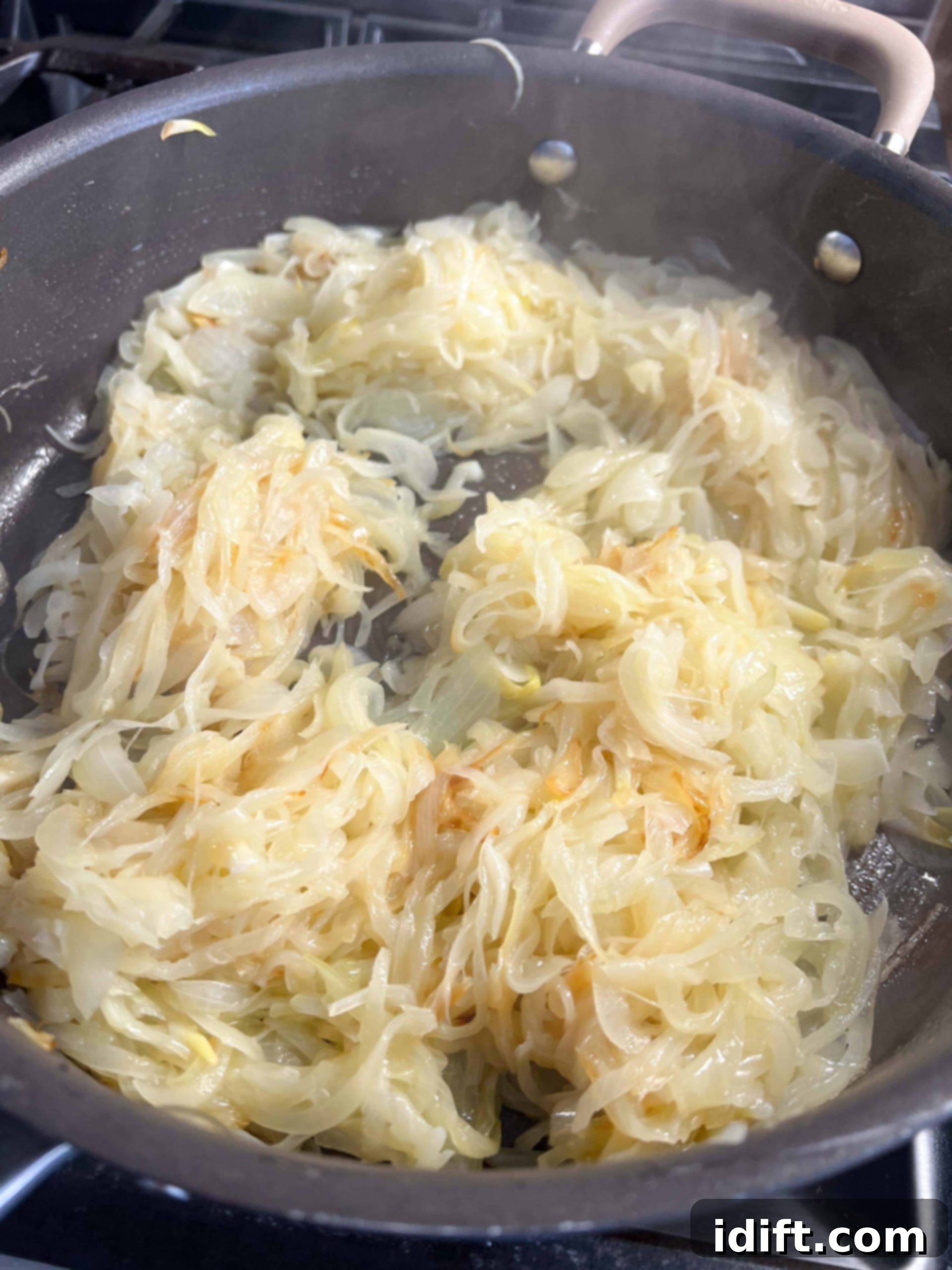
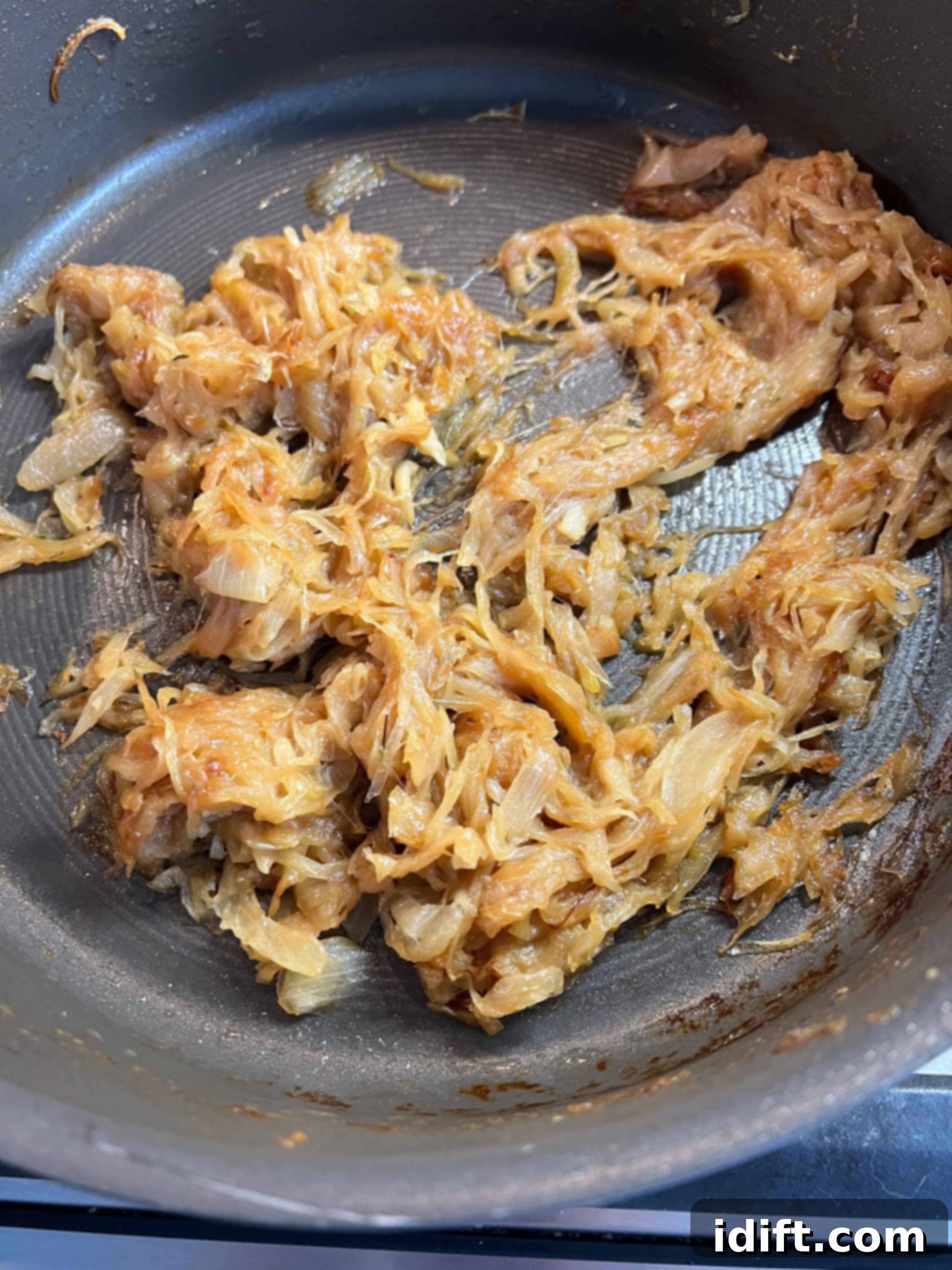
Delicious Ways to Enjoy Caramelized Onions
Caramelized onions are culinary chameleons, capable of being the star of a dish or a subtle, yet impactful, supporting player. Their sweet and savory depth makes them incredibly versatile. Here are some of my favorite ways to incorporate these golden gems into your meals:
- French Onion Soup: This classic soup is unthinkable without perfectly caramelized onions. They form the rich, sweet, and savory base that gives French onion soup its unmistakable, comforting flavor. For a dietary alternative, try this keto version.
- Gourmet Burgers and Sandwiches: Elevate any burger or sandwich from ordinary to extraordinary by adding a generous dollop of caramelized onions. Their sticky sweetness perfectly complements savory meats and cheeses, turning a simple meal into a gourmet experience.
- Elegant Crostinis and Canapés: Spread a thin layer of creamy caramelized onions on toasted bread, crostinis, or crackers. Pair them with a sprinkle of goat cheese or a sliver of prosciutto for an effortlessly sophisticated appetizer that will impress any guest.
- Steak and Meat Topping: Onions and steaks are a match made in culinary heaven. Spoon caramelized onions over a perfectly cooked steak, roasted chicken, or pork chops for an instant upgrade. Their richness cuts through the savory meat, adding a layer of complex flavor.
- Pizza and Flatbread Enhancement: Transform your homemade or store-bought pizza by scattering caramelized onions over the top before baking. They add a sweet, jammy texture and a depth of flavor that pairs wonderfully with various cheeses, mushrooms, or even a simple Margherita.
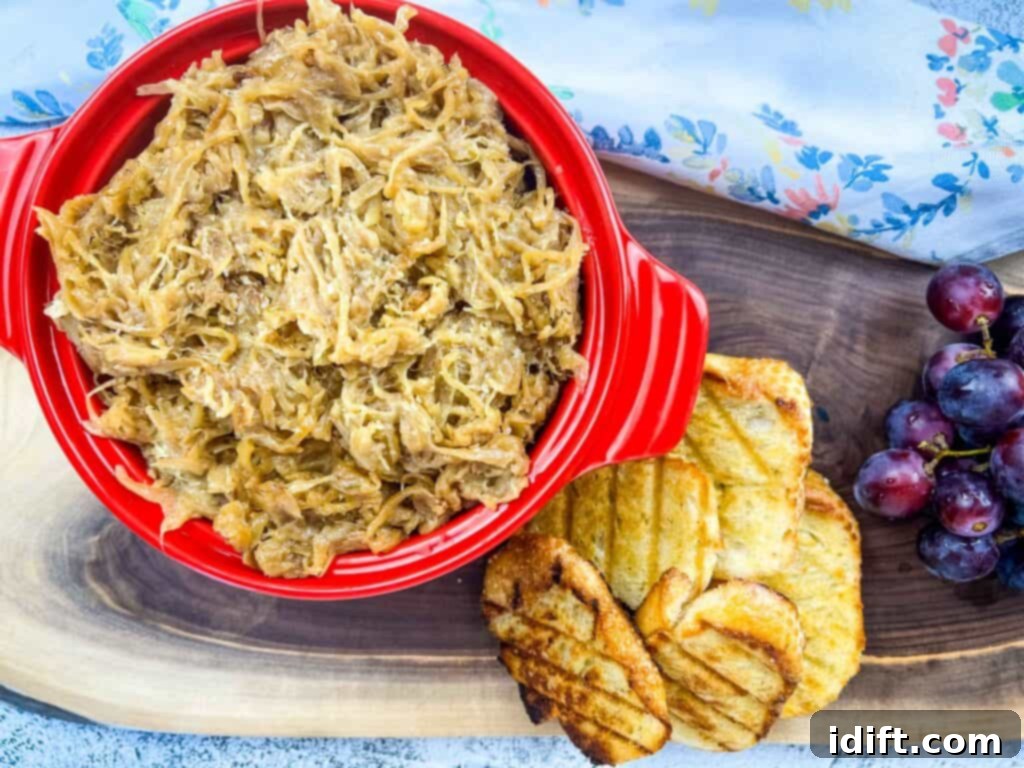
- Cheese Boards and Charcuterie Plates: A small bowl of luscious caramelized onions is an essential addition to any thoughtful cheese or charcuterie board. They provide a delightful sweet counterpoint to strong, salty, or creamy cheeses, as well as cured meats, balancing the entire spread.
- Savory Tarts and Quiches: Incorporate caramelized onions into the filling of a savory tart or quiche. Their sweetness and tender texture create a harmonious blend with eggs, cheese, and other vegetables, making for a truly delicious brunch or light dinner.
- Mashed Potatoes or Grains: Stir caramelized onions into mashed potatoes for an unexpected burst of flavor, or fold them into cooked rice, quinoa, or farro to add a sweet and savory dimension to your side dishes.
Frequently Asked Questions About Caramelized Onions
The simple truth is, you can’t truly “speed up” caramelization without sacrificing quality. The process relies on a slow breakdown and conversion of natural sugars through gentle heat, which takes time. Attempting to cook them quickly on higher heat will only result in fried onions, sautéed onions, or even burnt onions, not the soft, sweet, and deeply browned caramelized onions you’re aiming for. Patience is indeed a virtue in this culinary endeavor.
Absolutely not! If cooked properly and slowly, onions will naturally release and concentrate all their inherent sugars. These natural sugars are more than sufficient to create beautifully sweet, melt-in-your-mouth caramelized onions. Adding extra sugar is entirely unnecessary and can sometimes lead to a cloyingly sweet or even burnt product, as the added sugar burns faster than the natural sugars.
Yes, caramelized onions freeze exceptionally well! I often recommend making a larger batch than needed, as they are fantastic to have on hand. Once cooled, simply transfer them to an airtight freezer bag. You can then break off and thaw only the amount you need. They will maintain their quality in the freezer for up to 3 months. For extended freshness, using a vacuum sealer can extend their freezer life significantly.
Once properly cooled, caramelized onions can be stored in an airtight container in the refrigerator for up to 3-4 days. They are excellent for meal prep and can be easily reheated gently in a pan or microwave.
If your onions are softening but not developing that characteristic golden-brown color, it’s usually an indication that the heat is too low. While “low and slow” is key, there needs to be enough heat to initiate the Maillard reaction. Try increasing the heat slightly, but watch them carefully to ensure they don’t burn. Sometimes, adding a tiny splash of a liquid like water or broth to deglaze the pan can also help lift the browned bits (fond) from the bottom, which then reincorporates into the onions for deeper color.
While butter provides an unparalleled richness and flavor that beautifully complements caramelized onions, you can certainly use olive oil or a neutral oil if preferred, or even a mix of both. Olive oil will still allow the onions to caramelize, but the resulting flavor profile will be slightly different, lacking the distinct buttery notes. If using olive oil, ensure it’s a good quality oil that can withstand the low, prolonged heat without becoming bitter.
Print
Pin
Caramelized Onions
Ingredients
- 2 pounds onions thinly sliced
- 1/4 cup salted butter
- 1/4 teaspoon dried thyme
- salt and pepper to taste
Instructions
- Melt the butter in a heavy-bottomed skillet over low heat, then add the onions.
- Cook the onions over low heat, stirring every 5 minutes or so. If they start to dry out or stick, add a small splash of water or a bit more butter to deglaze the pan.
- Once the onions have significantly reduced in volume (by about half) and are starting to become translucent, add the dried thyme.
- Continue cooking over low heat, stirring more frequently, until the onions turn a deep, rich, honey-brown color and achieve a thick, jam-like consistency. This indicates full caramelization.
- Season with salt and pepper to taste, adjusting as needed. Serve warm and enjoy!
Notes
Feel free to use your favorite type of onion. Yellow, Texas sweet, Vidalia, and even red onions all caramelize beautifully.
Remember, the natural sweetness of the onions is sufficient; do NOT add extra sugar!
Nutrition
A Note on Nutritional Information
Nutritional information for this recipe is provided as a courtesy and is calculated based on available online ingredient information. It is only an approximate value. The accuracy of the nutritional information for any recipe on this site cannot be guaranteed.
WANT MORE DELICIOUS AND EASY RECIPES?
- Smoked Cream Cheese
- The Best Traeger Recipes
- Smoked Lamb Chops
- Cooking Steaks on a Blackstone Griddle