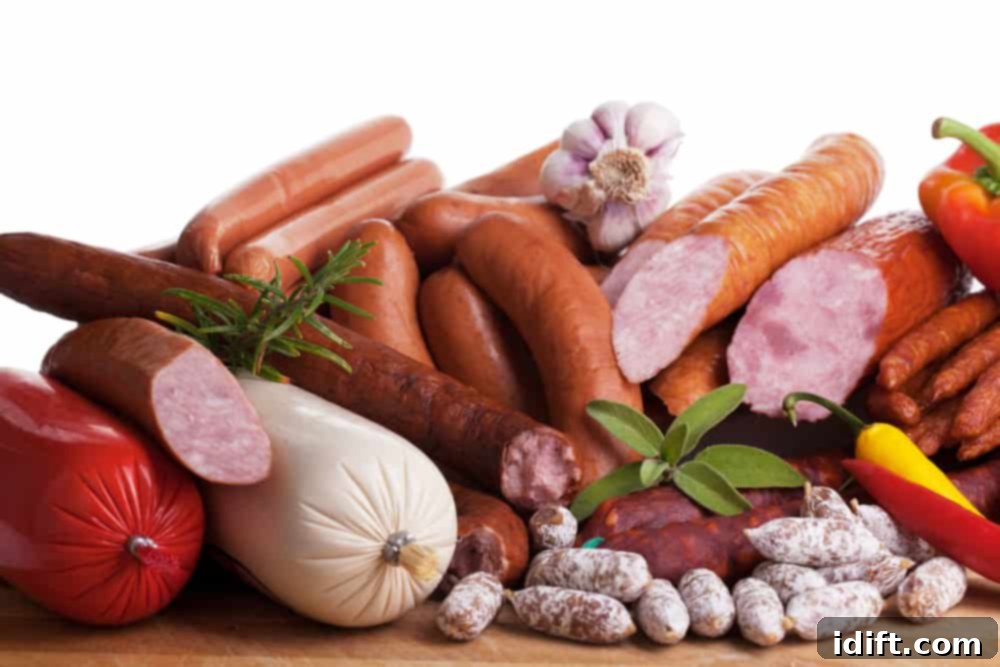
Germany, a country celebrated for its rich culinary heritage, boasts an impressive array of sausages that are cherished worldwide. Far exceeding the universally beloved Bratwurst, the diverse world of German sausages offers an extraordinary gastronomic journey, reflecting centuries of tradition, regional specialties, and meticulous craftsmanship. From the bustling streets of Berlin to the serene Bavarian countryside, each region proudly presents its unique take on this versatile food, making German sausages a cornerstone of the nation’s identity and a delight for palates across the globe.
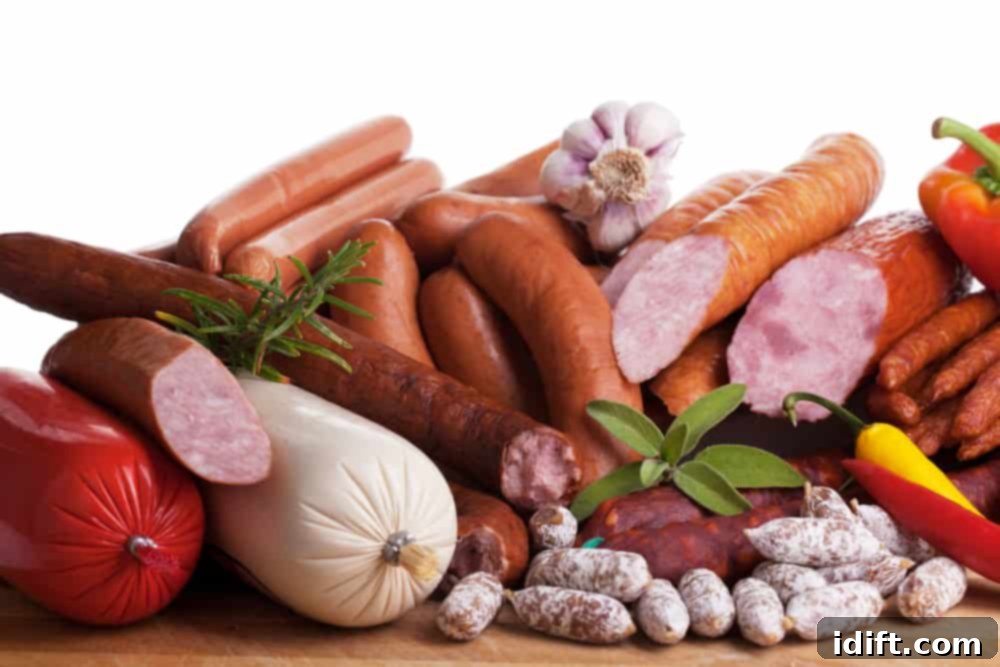
Whether sizzling on a grill, gently pan-fried to golden perfection, or delicately simmered, German sausages are bursting with robust flavors, serving as a culinary testament to the artistry and passion behind their creation. These savory delights elevate any meal, transforming ordinary occasions into memorable feasts. Prepare to enhance your summer grilling repertoire and embark on an exploration of some of the many iconic sausages that have cemented Germany’s reputation as a paradise for meat lovers.
Discovering the Vast World of German Sausages: A Culinary Overview
Germany’s profound affection for sausages is evident in the sheer number and variety it offers. The country prides itself on crafting hundreds, if not thousands, of distinct sausage types. Each variety is meticulously distinguished by its region of origin, specific ingredients, intricate preparation methods, and unique seasoning profiles. Culinary experts and enthusiasts alike estimate that well over 1000 different types of sausages can be found across Germany, a testament to its deep-rooted culinary traditions and regional diversity.
A Brief History of German Sausage Making
The tradition of sausage making in Germany dates back centuries, evolving from a practical method of preserving meat into a sophisticated culinary art form. Early Germanic tribes utilized every part of an animal, mixing minced meats with spices and encasing them in natural casings, often smoking or curing them to extend their shelf life. Over time, as regions developed distinct agricultural practices and spice routes, unique sausage recipes emerged. Monasteries and local butchers played a crucial role in refining techniques and documenting recipes, many of which are still followed today. This rich history is why German sausages are not merely food items but cultural artifacts, each telling a story of its origin and the hands that crafted it.
The Art of Regional Variations: More Than Just Bratwurst
The astonishing number of German sausages stems primarily from their rich regional variations. While Bratwurst is arguably the most recognized German sausage in many parts of the world, particularly in the U.S., its identity in Germany is far more nuanced. Bratwurst generally consists of finely chopped pork, veal, or beef. However, within Germany, there are over 40 recognized regional varieties of Bratwurst alone, each boasting its own unique character and flavor profile.
Take, for instance, the legendary Thüringer Rostbratwurst, a protected geographical indication (PGI) sausage. Its recipe, which dates back to the 1400s, is famously spiced with marjoram, caraway, and garlic, giving it a distinctive aromatic quality. In stark contrast, the Fränkische Bratwurst from Franconia uses a delightful blend of marjoram, nutmeg, and white pepper. Further north, the Holsteiner Bratwurst stands out with its prominent use of onions as a key spice. This highlights a fundamental truth about German sausages: “just bratwurst” doesn’t exist. Its identity is inextricably linked to its region of origin, where local ingredients and culinary traditions dictate its unique flavor.
Beyond Bratwurst, other regions feature their signature sausages. Bavaria is renowned for its delicate Weisswurst, while Swabia offers its unique Maultaschen, a pasta-like dumpling that sometimes contains sausage meat. These regional specialties not only celebrate local produce but also embody the culinary soul of their respective areas.
German Sausages’ Enduring Influence on Global Cuisine
The culinary reach of German sausages extends far beyond Germany’s borders, impacting food cultures across continents. Perhaps the most iconic example is the classic American hot dog, a direct descendant of the Frankfurter sausage brought to the United States by German immigrants. Similarly, Poland’s celebrated Kielbasa shares ancestral roots with sausages introduced by German communities. In Brazil, especially in its southern regions with a strong German heritage, a sausage known as Linguiça often reflects the flavors and preparation methods of its German predecessors. This global diffusion underscores the enduring appeal and versatility of German sausage-making techniques and flavor combinations.
Mastering the Art of Preparing German Sausages
The optimal method for preparing German sausages varies significantly depending on the specific type and regional traditions, each bringing out distinct textures and flavors. Here are the most common and revered preparation techniques:
- Grilling: This method is particularly popular for robust varieties like Bratwurst, lending them a delightful smoky char and crispy casing. Sausages are often lightly scored on the surface to prevent bursting and then grilled over charcoal or wood fire, creating a perfectly browned exterior and juicy interior.
- Boiling/Poaching: For delicate sausages such as Frankfurter and Weisswurst, boiling or gentle poaching is the traditional and preferred method. The lower, consistent heat prevents the tender casing from bursting, ensuring the sausage remains plump and succulent. They are typically simmered rather than boiled vigorously.
- Pan-Frying: A versatile and widely used method that works well for most types of German sausages. Pan-frying imparts a beautiful golden-brown crust and is often employed when sausages are incorporated into hearty dishes, stews, or served alongside other components.
- Smoking: While smoking is primarily a crucial part of the sausage-making and preservation process rather than a mere cooking method, its contribution to flavor is immense. Cold or hot smoking infuses sausages with distinctive smoky aromas and flavors, enhancing their complexity and prolonging their shelf life. Many German sausages are enjoyed after being smoked, whether subsequently cooked or eaten raw (like Mettwurst).
While traditional methods are cherished, modern culinary approaches offer exciting alternatives. There’s no reason to feel confined to convention; you can certainly decide to make German sausages in your air fryer for a quick, crispy result or utilize a slow cooker for tender, flavorful outcomes, even if these aren’t historically traditional preparation techniques.
Exploring the Diverse Types of German Sausages
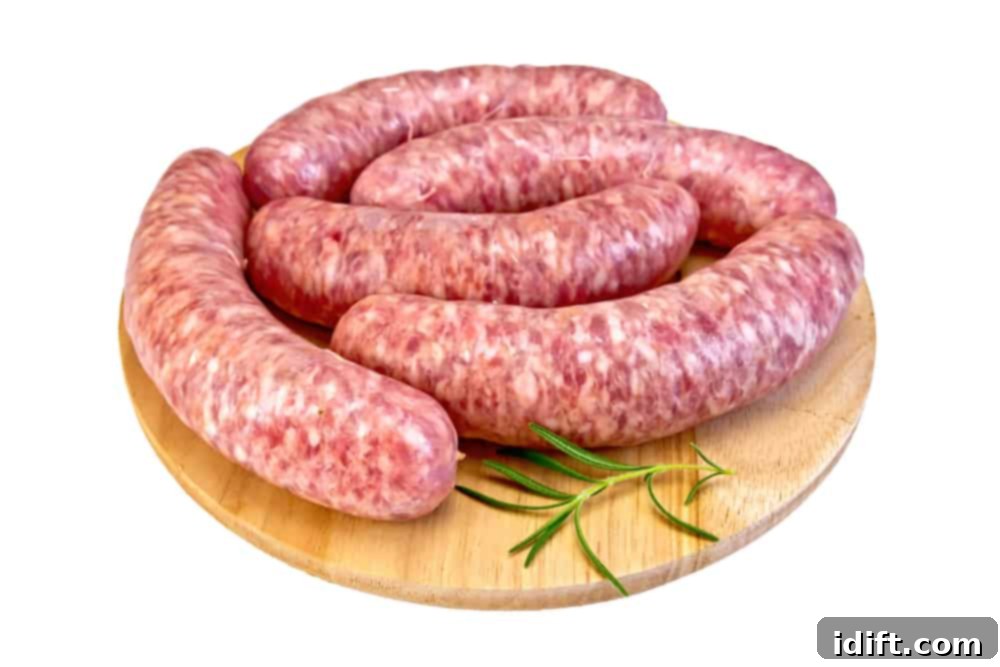
Let’s delve deeper into some of the most popular and culturally significant German sausages available for your culinary enjoyment, each offering a unique taste of Germany.
Frankfurter Würstchen
Often considered the aristocratic cousin of the American hot dog, Frankfurter Würstchen are distinguished by their fine texture and delicate smoky flavor. Hailing from Frankfurt, Germany, these long, thin sausages are made from smoked and cooked pork, sometimes with a blend of beef. They are traditionally gently heated in hot water (never boiled vigorously to prevent bursting) and served with mustard and a crusty roll. Their distinct snap and subtle smokiness make them a beloved breakfast or snack item.
Knockwurst (Knackwurst)
Known for its satisfying “knack” sound when bitten, Knockwurst is a plump, short, and thick sausage made from finely ground, pre-cooked beef, pork, and often generously spiced with garlic. This robust sausage is typically smoked, giving it a rich, savory depth. It can be grilled, pan-fried, or boiled and pairs wonderfully with sauerkraut and hearty German bread. Its name perfectly describes the audible “snap” of its tight casing.
Leberwurst (Liverwurst)
Leberwurst, or liver sausage, is a highly versatile and popular spreadable sausage crafted from pork liver, onions, and a delicate blend of spices. Its texture can range from a smooth, pâté-like consistency to a coarser, rustic blend. Often served uncooked on rye bread or crackers, it makes for a quick and flavorful sandwich or snack. There are numerous regional variations, some incorporating other meats or herbs like marjoram or thyme, creating a wide spectrum of flavors.
Blutwurst (Blood Sausage)
Blutwurst, or blood sausage, is an adventurous culinary experience that may not appeal to all, but holds a significant place in German cuisine. This traditional sausage combines pork blood, pork fat, and fillers such as barley, oats, or bread, giving it a unique texture and a rich, earthy flavor. Typically found sliced and fried, or as a key component in traditional German dishes like “Himmel un Ääd” (Heaven and Earth – blood sausage with mashed potatoes and apple sauce), it represents a historic method of nose-to-tail eating and regional culinary diversity.
Weisswurst (White Sausage)
The iconic Weisswurst, or white sausage, is a true Bavarian delicacy. This traditional sausage is characterized by its pale color, a result of being made from a delicate mix of finely minced veal, pork back bacon, parsley, lemon zest, and cardamom. Unsmoked and very perishable, Weisswurst adheres to the strict Bavarian tradition of being made in the early morning and consumed before noon, earning it the nickname “the noon bell sausage.” It is traditionally served warm, gently heated in water, with sweet mustard and a soft pretzel, offering a taste of authentic Bavarian culture.
“When we can get our hands on them, we love to grill weisswurst sausages. They are made from minced veal and pork back bacon and are delicious when paired with sweet mustard.” — Sara Nelson, Real Balanced
Leberkäse
Despite its name, which translates to “liver cheese,” Leberkäse contains neither liver nor cheese in its typical preparation. This versatile specialty, popular in Bavaria and Swabia, is a finely ground mixture of corned beef, pork, and bacon, baked in a loaf pan until it achieves a meatloaf-like appearance and a crispy brown crust. It can be enjoyed hot, freshly baked and sliced thickly, or cold as a deli meat. Perfect for slicing onto a sandwich, served with a fried egg for breakfast, or incorporated into a hearty casserole dish, Leberkäse is a beloved staple.
Bockwurst
Bockwurst is a mild and flavorful sausage primarily made from finely ground veal and pork. It derives its name from “Bockbier,” a strong German beer, and is historically associated with being served during the Bock beer season. Its subtle flavor profile makes it exceptionally versatile. Bockwurst pairs wonderfully with mustard and is frequently served alongside potato salad, or as a comforting addition to a bowl of soup. It is typically poached or pan-fried.
Teewurst
Teewurst is a delectable, spreadable raw sausage distinguished by its fine texture and delicate smoky flavor. Made from a blend of pork or beef and bacon, it undergoes a unique ripening process that results in its creamy consistency and high-fat content, making it effortlessly spreadable. “Tee” means tea, and it’s named because it was traditionally served during afternoon tea. Teewurst is a popular feature on breakfast buffets or charcuterie boards, typically enjoyed on fresh bread or crackers.
Gelbwurst (Yellow Sausage)
Gelbwurst, or yellow sausage, is a mild, pale-colored sausage primarily composed of a mix of lean pork, veal, and a delicate blend of spices like ginger and nutmeg. Its name comes from the distinctive bright yellow artificial casing it is traditionally stuffed into. Unsmoked and gently seasoned, Gelbwurst offers a very subtle flavor profile, making it a perfect choice as a cold cut in sandwiches or a light snack, especially appealing to children due to its mildness.
Mettwurst
Mettwurst is a strongly flavored, heavily smoked raw sausage that comes in various forms. Typically made from a blend of lean pork and beef, it is cured and often cold-smoked, giving it an intense, robust taste. Depending on the region, Mettwurst can be found as a soft, spreadable sausage (perfect on hearty bread) or as firmer, sliceable links that can be enjoyed raw or lightly cooked. It’s a staple in German farmhouse cooking and a testament to traditional preservation methods.
Currywurst
While often mistaken for a type of sausage, Currywurst is, in fact, an iconic German street food dish rather than a standalone sausage variety. Originating in post-World War II Berlin, it consists of grilled or fried pork or beef sausages, typically cut into bite-sized pieces, generously smothered in a rich, tangy curry ketchup sauce. This beloved fast food is almost always served with a side of crispy fries or over soft rolls, embodying a unique fusion of German comfort food and global spices that has captivated millions.
Where to Find Authentic German Sausages
For those eager to experience the authentic flavors of Germany, locating genuine German sausages is easier than you might think. Begin your search at local delis and specialized restaurants. Many cities and towns, particularly those with a significant German heritage, proudly host German delis or eateries that specialize in traditional German cuisine. These establishments are often treasure troves of genuine sausages like classic Bratwurst, delicate Weisswurst, and snappy Knackwurst. Don’t hesitate to engage with the staff; they are usually passionate and knowledgeable, eager to guide you through their offerings and recommend the perfect sausage for your palate.
Additionally, look for specialty gourmet food stores, European markets, or even online retailers that import directly from Germany or produce authentic recipes domestically. These sources can provide access to a wider array of less common but equally delicious regional varieties.
So, this summer, dare to venture beyond the usual beer brats and introduce an exciting assortment of new and different German sausages to your backyard BBQ. Remember, the true magic of authentic German sausages is often best experienced when they are thoughtfully paired with traditional accompaniments such as tangy sauerkraut, a variety of German mustards (from sweet to spicy), hearty potato dishes, soft pretzels, and, of course, a refreshing German beer. Prost!
Sausage Recipes To Try
Ready to put your newfound knowledge to good use? Here are a few delicious sausage recipes to inspire your next meal.
This article originally appeared onFood Drink Life.