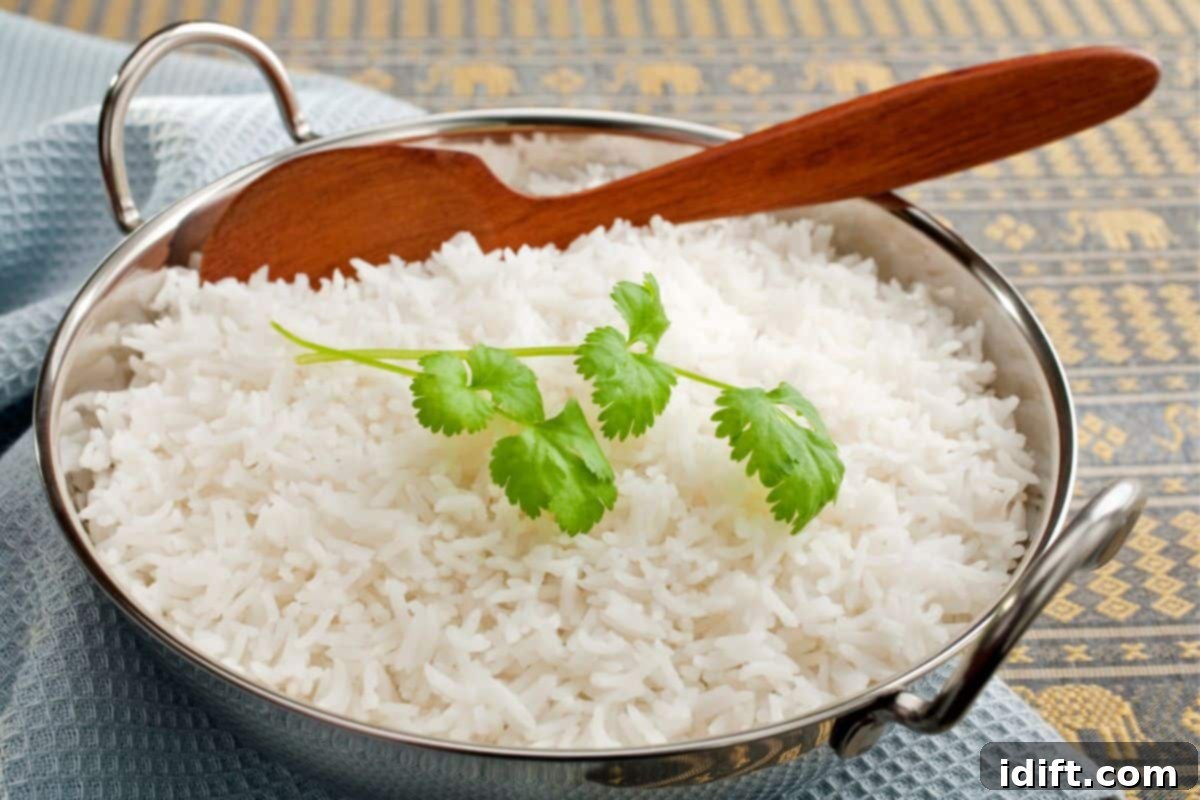
Have you been settling for instant rice for too long? It’s time to elevate your culinary game and discover the unparalleled joy of perfectly cooked basmati rice. Far from challenging, mastering basmati is a simple skill that unlocks a world of flavor and versatility in your kitchen. Once you learn how to prepare this aromatic grain, you’ll realize it’s not just a side dish, but a culinary cornerstone that beautifully complements an incredible array of meals. Say goodbye to sticky, bland grains and embrace the fluffy, fragrant perfection that basmati brings to your table.
What is Basmati Rice? Unveiling the “Fragrant Pearl” of Grains
Basmati rice is a distinct variety of long-grain rice, predominantly cultivated in the fertile plains at the foothills of the Himalayas, spanning parts of India and Pakistan. Renowned globally as the “King of Rice,” its name itself, derived from Sanskrit, translates to “fragrant” – a testament to its most captivating characteristic: an alluring, natural aroma. This scent is often described as a delicate blend of popcorn and nuts, with subtle floral undertones, making it immediately distinguishable from other rice varieties.
For centuries, basmati has been a staple in South Asian and Middle Eastern cuisines, deeply intertwined with cultural culinary traditions. Its slender, elongated grains possess a unique property of elongating significantly when cooked, nearly doubling in size, yet remaining separate and fluffy rather than clumping together. This characteristic, combined with its enticing fragrance and delicate taste, elevates basmati rice from a mere carbohydrate to a gourmet ingredient.
There are several types of basmati available, including white basmati and brown basmati, with white being the most common. Brown basmati retains its bran layer, offering a nuttier flavor and more fiber. Additionally, aged basmati rice is highly prized. Like a fine wine, basmati improves with age, becoming drier, firmer, and even more aromatic. This aging process allows the grains to absorb moisture more efficiently during cooking, resulting in an even fluffier texture.
While historically a specialty item, basmati rice has become increasingly popular worldwide. Today, you can easily find high-quality basmati in most local grocery stores, making it accessible for home cooks eager to explore its culinary potential beyond the traditional Indian restaurant experience.
Why Basmati Rice is a Kitchen Essential You’ll Adore
Basmati rice isn’t just another grain; it’s a versatile culinary star that consistently delivers exceptional results. There are numerous reasons why once you try it, you’ll find yourself reaching for basmati again and again.
Unmatched Versatility for Every Dish
One of basmati’s greatest strengths is its incredible adaptability. Its neutral yet fragrant profile makes it a perfect canvas for a myriad of flavors, allowing it to shine in diverse dishes. Whether you’re preparing rich Indian curries, savory Persian pilafs, vibrant Mediterranean salads, or hearty Middle Eastern stews, basmati seamlessly integrates, absorbing and enhancing the flavors around it. It’s equally at home as a sophisticated base for stuffed peppers, a textural addition to a stir-fry, or even a comforting dessert like rice pudding. Basmati effortlessly takes center stage or plays a supporting role with unparalleled grace.
Aromatic Excellence That Elevates Every Meal
The distinctive aroma of basmati rice is truly its hallmark. This captivating scent, attributed to a natural chemical compound called 2-acetyl-1-pyrroline, isn’t merely for show. It subtly infuses every dish, adding a sophisticated, slightly floral, and nutty note that transforms ordinary meals into extraordinary dining experiences. The fragrant steam alone can tantalize the senses, promising a delightful culinary journey.
Perfectly Fluffy, Separate Grains Every Time
Unlike some rice varieties that can become sticky or mushy, basmati rice is celebrated for its ability to cook up beautifully with distinct, separate grains. When prepared correctly, each grain remains individual, light, and wonderfully fluffy. This characteristic is crucial for dishes where texture is paramount, such as biryanis or pilafs, ensuring an elegant mouthfeel without any undesirable stickiness or clumping. It’s the hallmark of perfectly cooked rice.
A Healthier Choice for Your Plate
Compared to many other rice varieties, basmati often boasts a lower glycemic index (GI), meaning it causes a slower, more gradual rise in blood sugar levels. This can be beneficial for blood sugar management and provides sustained energy. Furthermore, white basmati is generally low in calories and fat, making it a guilt-free way to enjoy a satisfying and flavorful grain. Brown basmati offers even more nutritional benefits, being a whole grain rich in fiber, vitamins, and minerals.
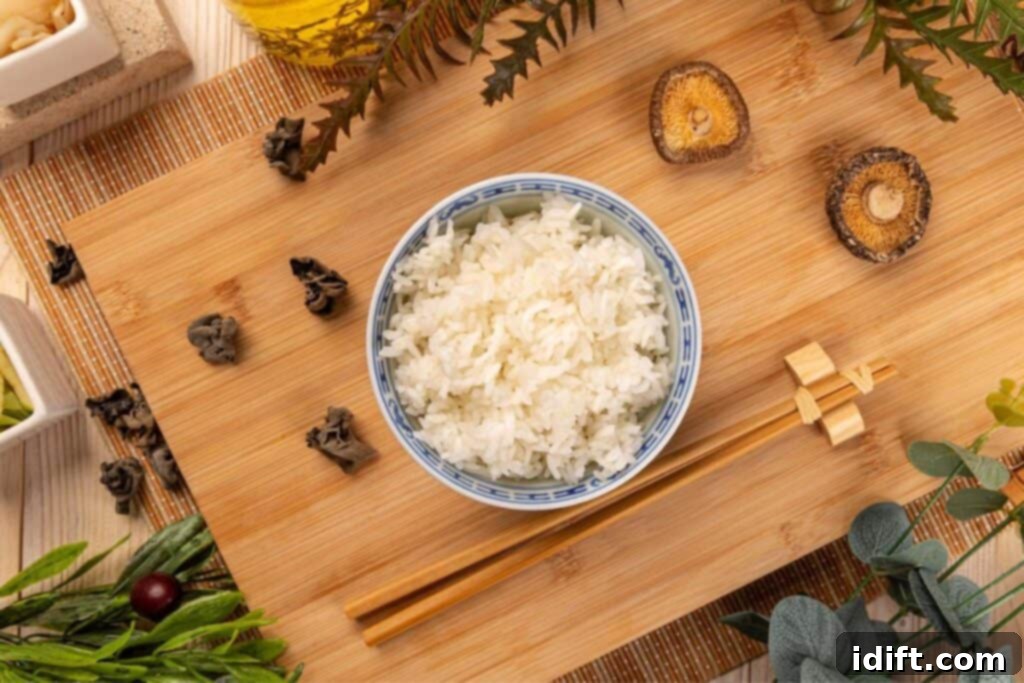
As Jere’ Cassidy from One Hot Oven beautifully puts it, “I eat a lot of rice, just plain, and I prefer basmati over the other types of rice for its distinct flavor. It is deliciously fragrant and nutty. Once cooked, the long grains are nice and fluffy.” This sentiment perfectly encapsulates why basmati holds a special place in so many kitchens.
Mastering the Art of Serving Basmati Rice
Basmati rice is incredibly adaptable, serving as a magnificent foundation or an exquisite focal point in countless dishes. Its delicate flavor and fluffy texture make it an ideal companion for a wide range of culinary creations.
As a Versatile Accompaniment
Allow the ethereal grains of basmati to act as a blank canvas, soaking up the rich, complex flavors of your main course. It’s the perfect pairing for spicy Indian curries, robust savory stews, or zesty tangy sauces. Basmati beautifully complements grilled meats, roasted vegetables, or simple pan-fried fish, providing a light yet satisfying counterpoint to richer flavors.
Crafting Flavorful Pilafs and Biryanis
Basmati truly shines in dishes where rice is a central component. Transform it into a fragrant pilaf by gently frying it with aromatic spices, then simmering it with broth and studding it with toasted nuts (like slivered almonds or cashews), fresh herbs (cilantro, mint), dried fruits (raisins, cranberries), or crispy fried onions. The result is a texturally complex and deeply flavorful side dish that can easily become a meal in itself.
Traditionally, basmati is the star of biryani, a celebratory Indian dish. Layers of tender marinated meat (chicken, lamb, or goat) or vegetables are slow-cooked with highly seasoned, partially cooked basmati rice. The rice absorbs the fragrant steam and rich sauces, creating an incredibly aromatic, moist, and flavorful one-pot meal where each grain is infused with spice and succulence.
Refreshing Salads and Bowls
For a lighter option, integrate cooked and cooled basmati rice into refreshing salads. Combine it with leafy greens, crunchy grilled vegetables, cherry tomatoes, cucumbers, and a light vinaigrette for a vibrant and satisfying summer lunch. It also makes an excellent base for healthy grain bowls, topped with your favorite protein, roasted vegetables, and a flavorful dressing.
Decadent Desserts
Beyond savory applications, basmati rice can also be transformed into a luxurious dessert. In Indian cuisine, it’s often featured in kheer, a creamy rice pudding fragrant with cardamom, saffron, and rosewater, and sweetened to perfection. This delicious and comforting dessert is guaranteed to impress, showcasing the versatile nature of this exceptional grain.
Recommended Rice Dishes
The Crucial First Step: Why You Must Rinse Your Basmati Rice
Before you even think about cooking, the golden rule for perfect basmati rice is to rinse it thoroughly. This isn’t an optional step; it’s fundamental to achieving that coveted fluffy, separate grain texture that basmati is famous for. Many home cooks, especially those accustomed to minute rice or other varieties, often skip this vital stage when they first learn how to cook basmati rice, unknowingly compromising their final dish.
Removing Excess Starch
Rice grains, particularly basmati, are coated with a fine layer of powdery starch. If left unrinsed, this excess starch will gelatinize during cooking, causing the grains to stick together, resulting in a gummy, clumpy texture. Rinsing helps to wash away this surface starch, effectively preventing the rice from becoming overly gluey and ensuring each grain remains distinct.
Achieving Fluffy, Separate Grains
By removing the surface starch, rinsing significantly reduces the likelihood of rice grains sticking to each other. This results in a much lighter, airier, and more separate texture once cooked – the hallmark of perfectly prepared basmati. This crucial step gives you more control over the final texture, allowing the natural elegance of the long grains to shine through.
Enhancing Purity and Aroma
Beyond texture, rinsing can also enhance the overall taste and delicate aroma of the basmati. It helps to remove any surface impurities, dust, or residual processing agents, contributing to a cleaner, fresher, and more appetizing final dish. The natural fragrance of the basmati can then truly emerge, unmasked by any unwanted flavors. To rinse, simply place the rice in a fine-mesh strainer and run cold water over it, gently agitating the grains with your hand, until the water running through appears completely clear.
How to Cook Basmati Rice to Perfection
Achieving perfectly fluffy and aromatic basmati rice is surprisingly simple once you understand a few key techniques. While a fuzzy logic rice cooker offers unmatched convenience by adjusting cooking time and temperature automatically, you can achieve equally excellent results on the stovetop with minimal effort.
1. Rinse the Rice Thoroughly
As emphasized, this is a non-negotiable step. Place your desired amount of basmati rice in a fine-mesh sieve or a bowl. Run cold water over the rice, gently swishing and rubbing the grains with your hands. Continue rinsing and draining (or changing the water in the bowl) until the water runs completely clear. This can take anywhere from 3-5 rinses. This step removes excess starch, ensuring fluffy, separate grains.
2. Optional: Soaking for Superior Results
For truly superior basmati, especially for aged varieties, soaking is highly recommended. After rinsing, transfer the rice to a bowl and cover it with fresh, cool water. Let it soak for 20-30 minutes, or even up to an hour. Soaking allows the grains to absorb some water before cooking, which promotes more even cooking, helps the grains elongate beautifully without breaking, and enhances their aromatic qualities. After soaking, drain the rice very well.
3. Optional: Toasting for Deeper Flavor (A Must for Pilafs and Biryanis)
Depending on your dish, you may want to gently toast the rice. In a pot, heat a small amount of oil (or ghee) over medium heat. Add the drained rice and sauté it gently for 1-2 minutes, stirring constantly, until the grains become slightly translucent and a nutty aroma fills the air. This step, known as ‘bhunao’ in Indian cooking, is critical for dishes like biryani and pilafs as it deepens the flavor and prevents the grains from becoming mushy. It’s well worth the time and effort.
4. The Perfect Water Ratio
For basmati rice, the ideal water-to-rice ratio can vary slightly based on the age of the rice and whether it has been soaked. A good starting point for soaked basmati is 1.5 cups of water for every 1 cup of drained, soaked rice. If you are not soaking, you might use slightly more, around 1.75 cups of water. You can cook it in plain water, or use chicken stock or vegetable broth for added flavor. Add salt to taste; generally, between ½ teaspoon and 1 teaspoon of salt per cup of rice is appropriate.
5. Stovetop Cooking Method
- Combine: In a heavy-bottomed pot with a tight-fitting lid, combine the rinsed (and optionally soaked/toasted) basmati rice, water/broth, and salt.
- Bring to a Boil: Bring the mixture to a rolling boil over medium-high heat.
- Reduce Heat & Simmer: Once boiling, immediately reduce the heat to the lowest setting. Cover the pot tightly with the lid. Do not stir the rice or lift the lid during this stage, as it will release essential steam.
- Cook: Allow the rice to simmer undisturbed for 15 to 20 minutes. Younger basmati might be ready in 15 minutes, while older, drier rice might need closer to 20.
- Rest: After the simmering time is complete, remove the pot from the heat. Keep the lid on and let the rice rest for another 5 to 10 minutes. This crucial resting period allows the steam to finish cooking the grains, absorb any remaining moisture, and ensures maximum fluffiness and separation.
- Fluff and Serve: Uncover the pot and gently fluff the rice with a fork, moving from the edges to the center. Avoid stirring vigorously, which can break the delicate grains. Your perfectly cooked basmati rice is now ready to serve and shine in any dish you choose to pair it with.
Enjoying Leftover Basmati Rice Safely and Creatively
Rice can sometimes be a breeding ground for bacteria called Bacillus cereus if not handled correctly after cooking. However, with a few proper steps, you can safely enjoy your delicious leftover basmati rice without concern. Knowing how to store and reheat rice safely is just as important as knowing how to cook it.
Safe Storage Practices
- Cool Quickly: The most crucial step is to cool the rice rapidly. Do not leave cooked rice at room temperature for an extended period. As soon as possible (ideally within one hour of cooking), spread the rice in a thin layer on a clean baking sheet or a shallow dish. This maximizes surface area and allows it to cool rapidly.
- Refrigerate Promptly: Once the rice has cooled completely (which should happen within an hour or so thanks to the shallow spreading), immediately transfer it to a tightly sealed, airtight container. Place it in the refrigerator within 2 hours of cooking the rice.
- Consume Within: For optimal safety and quality, be sure to enjoy your refrigerated leftover basmati rice within 1 to 2 days.
Creative Uses for Leftover Basmati
The good news is that now that you know how to cook basmati rice to perfection, whipping up another fresh batch is easy if you’re concerned about older leftovers. However, leftover basmati is a culinary asset, opening doors to a variety of delicious new dishes:
- Fried Rice: This is arguably the most popular use for day-old rice. The slightly drier texture of cold rice is ideal for fried rice, as it prevents it from becoming soggy. The additional cooking involved in stir-frying can also help eliminate any potential bacteria, making it a safe and delicious option.
- Rice Bowls: Create quick and healthy rice bowls by reheating basmati and topping it with leftover protein (chicken, tofu, beans), roasted vegetables, a fried egg, and your favorite sauce.
- Rice Salads: Incorporate cold basmati into vibrant salads with fresh herbs, chopped vegetables, nuts, and a light vinaigrette.
- Stuffed Vegetables: Use it as a filling for bell peppers, tomatoes, or zucchini, mixed with ground meat, herbs, and spices.
- Soups and Stews: A spoonful of cooked basmati can add body and sustenance to thin soups or stews.
By following these simple guidelines, you can safely and creatively enjoy your leftover basmati rice, minimizing food waste and maximizing flavor.
Final Thoughts: Embrace the Basmati Experience
From its intoxicating, fragrant aroma that hints at exotic lands to its exquisite, fluffy texture that distinguishes each individual grain, basmati rice offers a truly unique dining experience that few other grains can replicate. It’s more than just a staple; it’s an ingredient that elevates any meal, transforming the mundane into the magnificent.
The next time you’re seeking a side dish that transcends the ordinary, or a foundation for a culinary masterpiece, confidently reach for basmati. Now that you possess the knowledge of how to cook basmati rice perfectly, you’re equipped to unlock its full potential. Whether it’s paired with a fiery curry, succulent grilled meats, a vibrant stir-fry, or even reimagined into a comforting dessert, basmati rice is the quintessential companion, ready to take center stage or gracefully complement any dish. Embrace the basmati experience and let this “fragrant pearl” enrich your culinary journey.
This article first appeared on Food Drink Life.