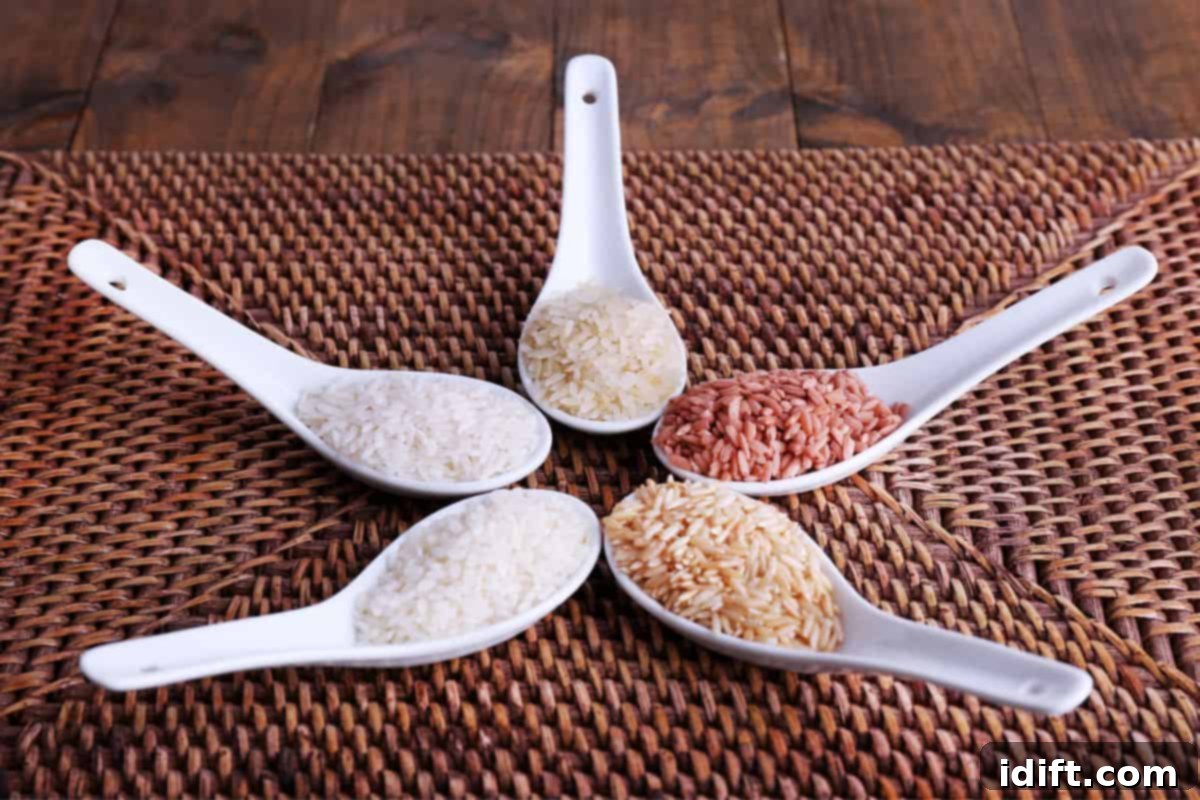
Embarking on a culinary journey often begins with a simple, yet incredibly diverse ingredient: rice. From the everyday staple that graces countless dinner tables to exotic grains reserved for special occasions, the world of rice is vast and intriguing. Navigating the myriad of options in your grocery store can be overwhelming, but understanding the distinct characteristics, ideal culinary applications, and unique flavors of each variety is the secret to unlocking new dimensions in your cooking. This comprehensive guide aims to simplify the complex world of rice, empowering you to confidently select the perfect grain for every dish, ensuring delicious and memorable meals every time.
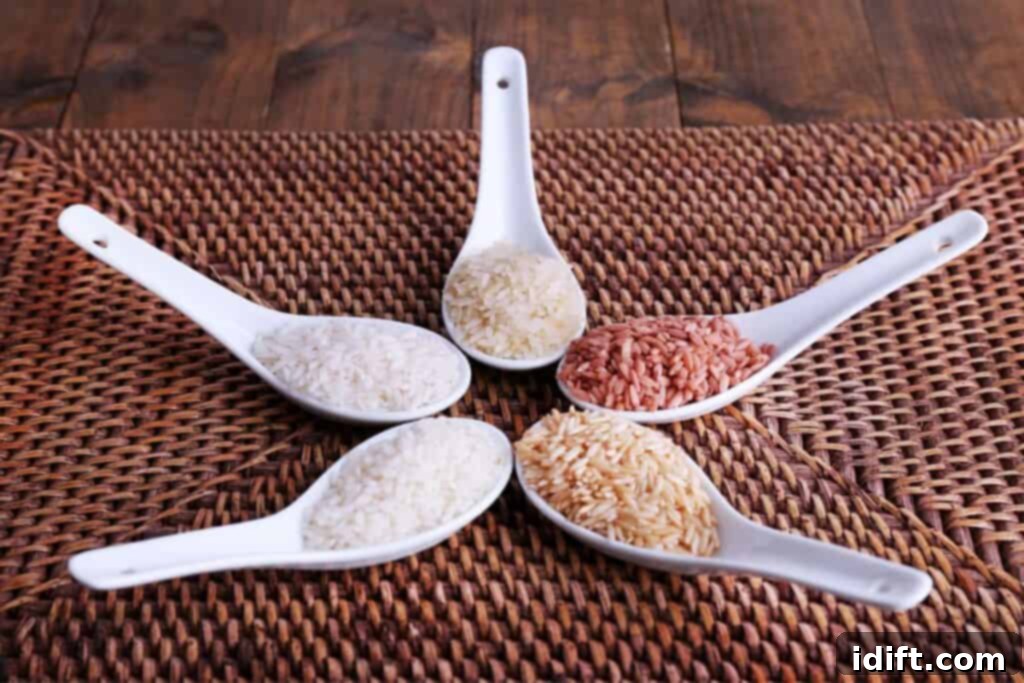
Decoding Rice Lengths: The Foundation of Flavor and Texture
Before delving into the fascinating spectrum of rice varieties, it’s crucial to grasp a fundamental classification that profoundly influences cooking outcomes: rice length. This seemingly simple characteristic dictates everything from texture to how well the grains absorb flavors, forming the bedrock of successful rice preparation.
Rice is primarily categorized into three distinct lengths, each offering unique culinary properties:
- Long Grain Rice: Celebrated for its light, fluffy, and separate texture, long-grain rice varieties cook up without clumping, making them ideal for dishes where distinct grains are desired. These grains are typically four to five times longer than they are wide. Their drier, firmer texture after cooking makes them perfect for pilafs, side dishes, and salads. Popular examples include aromatic Jasmine and Basmati rice, which are renowned for their delicate flavors and fragrances.
- Medium Grain Rice: Offering a delightful balance between long and short grain varieties, medium-grain rice cooks to a moist, tender, and slightly chewy consistency. These grains are about two to three times longer than they are wide. While they tend to cling together more than long-grain varieties, they maintain some individual integrity. Famous for dishes requiring a creamy yet discernible grain structure, types like Arborio and Carnaroli are staples in Italian risottos, absorbing liquids beautifully while releasing starch to create that signature rich texture.
- Short Grain Rice: Characterized by its short, plump, and nearly round shape, short-grain rice excels at creating a soft, sticky, and sometimes glutinous texture upon cooking. Despite all rice being naturally gluten-free, the term “glutinous” here refers to its glue-like quality, not its protein content. This high starch content causes the grains to stick together firmly, making them perfect for dishes that require shaping or a cohesive texture. Well-known short-grain varieties include sushi rice, Bomba rice (popular in paella), and various types of glutinous rice used in Asian desserts and savory preparations.
Exploring Popular Types of Rice for Every Palate
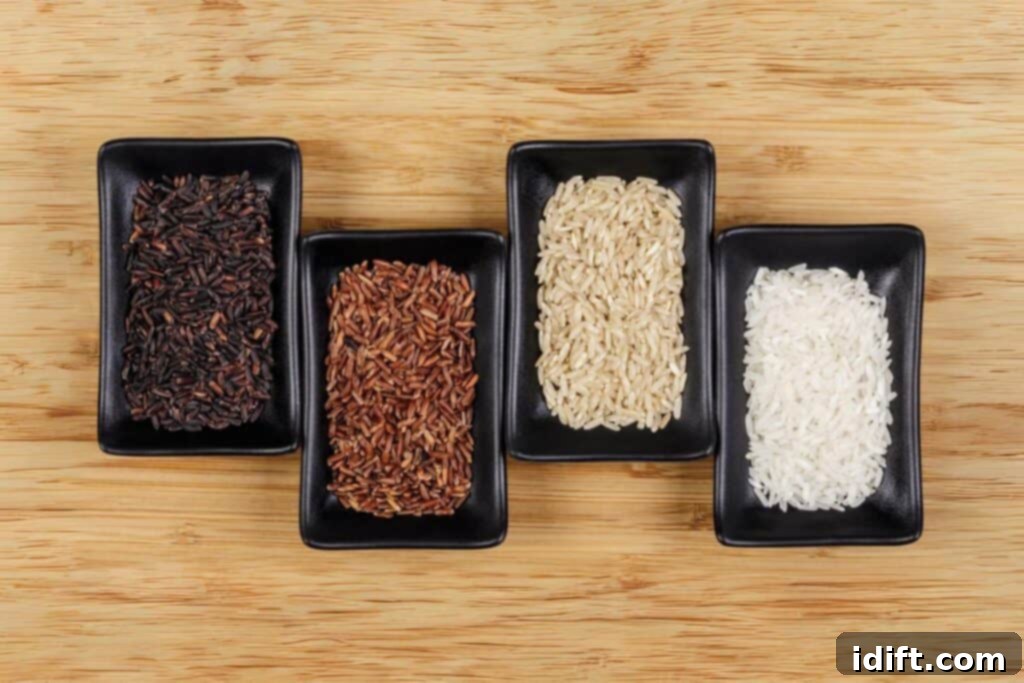
The sheer variety of rice available can seem overwhelming at first glance, but there’s no need to memorize every single type. Instead, focusing on the most commonly used and versatile varieties will significantly enhance your cooking repertoire. This curated list highlights popular rice types, explores their unique culinary attributes, and suggests delicious recipe applications to inspire your kitchen adventures.
Basmati Rice: The Aromatic King of Grains
Originating from the foothills of the Himalayas, Basmati rice is a distinguished long-grain Indica variety celebrated globally for its delicate, nutty flavor and a distinctive floral, popcorn-like aroma. Available in both white and brown forms, Basmati is a cornerstone of Indian, Pakistani, and Middle Eastern cuisines, integral to iconic dishes such as rich biryanis, comforting kheer, and a multitude of flavorful curries, including lamb korma.
These slender grains are remarkable for their ability to triple in length when cooked, yet remain distinct, separate, and beautifully fluffy. This characteristic makes Basmati an exceptional choice for absorbing the complex flavors of savory stews, enriching rice salads, or even lending elegance to traditional desserts like arroz con leche. To enhance its aromatic qualities and reduce cooking time by up to 20%, it is highly recommended to soak Basmati rice in cold water for at least 30 minutes before cooking. Varieties like the U.S.-grown Texmati also offer similar qualities, making this aromatic rice a versatile and beloved staple in kitchens worldwide.
Jasmine Rice: The Fragrant Jewel of Southeast Asia
Much like its cousin Basmati, Jasmine rice is a highly prized long-grain variety, predominantly cultivated in Thailand and Cambodia, making it a foundational element of Thai and wider Southeast Asian cuisine. It’s recognized by its subtle nutty taste and an incredibly alluring floral scent, which is how it earned its name. While its grains are slightly shorter and a touch stickier than Basmati, Jasmine rice offers remarkable versatility, often used interchangeably in many recipes.
When cooked, Jasmine rice yields a moist, soft texture with a gentle chew, making it an excellent accompaniment to a vast array of dishes. Its distinctive aroma and flavor profile shine in creations like creamy coconut rice, hearty Mexican ground beef skillets, or comforting chicken and rice casseroles. Available in both white and whole-grain brown varieties, Jasmine rice is a popular choice as a fragrant side dish for grilled meats, steamed fish, and vibrant stir-fries. It also serves as a key ingredient in flavorful pilafs, refreshing rice salads, and classic fried rice dishes.
Wild Rice: A North American Nutrient Powerhouse
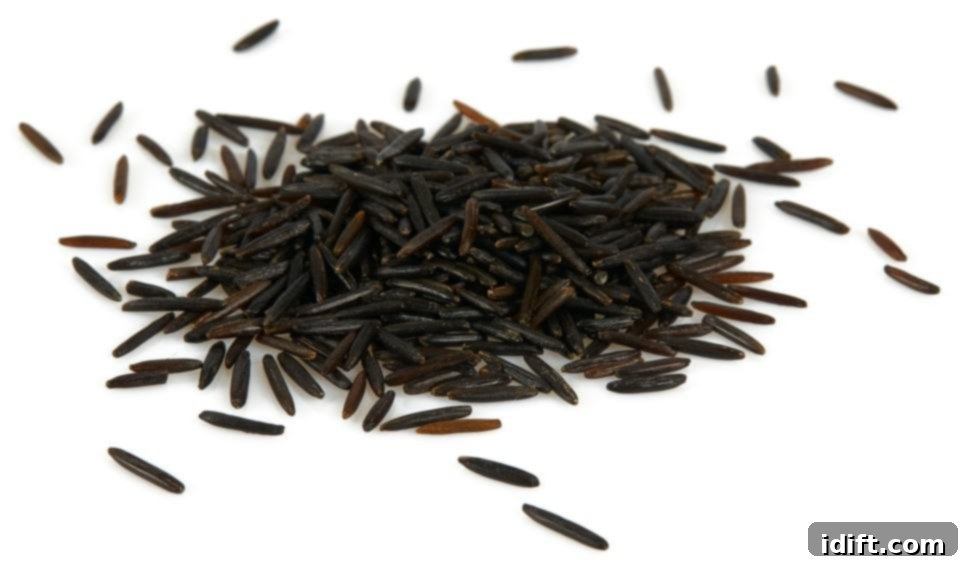
Despite its misleading name, wild rice is not actually a true rice but rather the grain of an aquatic grass native to North America. Flourishing in the shallow waters of lakes and slow-moving streams, particularly across the Great Lakes region and parts of Canada, this unique grain boasts a distinctive appearance and nutritional profile. Characterized by its chewy outer sheath and tender inner grain, wild rice is an excellent source of plant-based protein and dietary fiber, and notable for its low glycemic index.
Available in varieties such as Northern wild rice, Texas wild rice, and Manchurian wild rice, it imparts a robust, nutty, and earthy flavor to any dish. It’s a fantastic ingredient for hearty side dishes, vibrant salads, comforting soups, and serves as a texturally rich alternative to bread in stuffings. Cooking wild rice requires a bit of patience, as its tough seed coat means it absorbs water slowly, often taking up to an hour to cook thoroughly. The best method is similar to cooking pasta: boiling it in ample salted water until tender. Be mindful of portioning, as wild rice grains expand significantly, often tripling in size once cooked.
Arborio Rice: The Heart of Creamy Italian Risotto
Hailing from Italy, Arborio rice, along with its close relative Carnaroli, is the quintessential choice for crafting luxuriously creamy Italian risottos. These medium-grain varieties are short, plump, and distinctively stubby. Their high amylopectin (starch) content is the secret to their magic; when cooked slowly with liquid, they release this starch, creating that signature velvety, almost sauce-like consistency that defines a perfect risotto. Beyond savory applications, Arborio rice is also an excellent choice for rich and comforting rice puddings.
Chef’s Tip: Unlike many other rice types, it is crucial not to rinse Arborio or Carnaroli rice before cooking. Rinsing would wash away the precious surface starches that are absolutely essential for achieving the desired creamy texture in your risotto. Embrace the starch!
While synonymous with Italian cuisine, Arborio rice is now cultivated in various regions, including California and Texas. The art of cooking it involves a gradual addition of hot liquid, allowing the rice to slowly absorb the moisture while stirring frequently. The goal is to cook it just until it reaches an al dente stage – firm to the bite but tender throughout. This meticulous process requires attention and a bit of waiting, but the result is an incredibly creamy, decadent, and deeply satisfying dish that is truly worth the effort.
Cheesy Spanish Rice
Mediterranean Rice
Blackstone Chicken Fried Rice
Black Rice: The Ancient “Forbidden Rice” with Antioxidant Power
Often mistaken for wild rice due to its dark hue, black rice is a distinct and ancient variety of Oryza sativa L., the same species as most white and brown rices. Historically known as “forbidden rice” in ancient China, it was once reserved exclusively for emperors due to its rarity and perceived health benefits. Its striking, deep black or purple color comes from a potent antioxidant called anthocyanin, the very same compound responsible for the vibrant colors in blueberries and blackberries.
Black rice stands out for its impressive nutritional profile, boasting high levels of protein, iron, and dietary fiber, making it almost always a whole grain. When cooked, it offers a delightful nutty and earthy flavor with a slightly chewy texture. It typically requires a longer cooking time, often around an hour, similar to brown rice. This versatile grain works exceptionally well in a variety of dishes, from nourishing tofu and veggie bowls to exotic rice puddings, vibrant salads, and as a striking contrast in colorful stir-fries. Its unique appearance and robust flavor make it a fantastic choice for adding intrigue and health benefits to your meals.
Glutinous Rice: The Sticky Foundation of Asian Cuisine
Also known as sticky rice or sweet rice, glutinous rice is a short-grain variety characterized by its exceptionally soft texture and very high amylopectin (starch) content. This starch gives it a remarkably sticky and cohesive consistency when cooked, making it indispensable for dishes that require the grains to bind together tightly, such as expertly rolled sushi, perfectly shaped onigiri, or various sweet and savory Asian desserts.
While “Japanese glutinous rice” is a specific type, it’s important to remember that many other varieties of glutinous rice exist across Asia, each with slightly different characteristics but sharing the core sticky quality. To achieve the perfect texture for most glutinous rice types, a crucial step is a long pre-soak, ideally overnight, followed by steaming. Steaming in a traditional bamboo basket or a modern steamer allows the rice to cook evenly without becoming waterlogged, resulting in fluffy yet incredibly sticky grains that are the hallmark of authentic sticky rice dishes.
Brown Rice: The Wholesome Whole Grain Option
Brown rice isn’t a single variety but rather any type of rice – be it long, medium, or short grain – that has retained its outer hull, known as the bran, and the germ. This means that brown rice is a whole grain, offering a significantly more robust nutritional profile compared to its white counterpart. The presence of the bran and germ gives brown rice a distinctively hearty, nutty flavor and a satisfyingly chewy texture that stands up well in a variety of dishes.
Because it is a whole grain, brown rice naturally takes longer to cook than white rice, typically requiring around 45-60 minutes. This longer cooking time is due to the fibrous bran layer that encases the grain. However, the wait is often considered worth it for the added fiber, essential vitamins (like B vitamins), and minerals (such as magnesium and selenium) that remain intact. Brown rice is an excellent choice for those seeking to incorporate more whole grains into their diet, pairing beautifully with stir-fries, stews, salads, and as a nutritious side dish.
White Rice vs. Brown Rice: A Nutritional and Culinary Comparison
When choosing rice, one of the most common dilemmas revolves around white versus brown varieties. While they both come from the same plant, their processing and nutritional values differ significantly, influencing their culinary roles.
Processing and Nutritional Differences:
- White Rice: This is brown rice that has undergone further milling to remove the bran and germ. This process results in a softer texture and quicker cooking time but also removes a substantial amount of fiber, vitamins, and minerals. What remains is primarily the starchy endosperm, making it a source of readily available energy.
- Brown Rice: As a whole grain, brown rice retains all three edible parts of the kernel: the bran, germ, and endosperm. The bran provides dietary fiber, antioxidants, and B vitamins, while the germ contains healthy fats, vitamin E, and minerals like magnesium. This makes brown rice a more nutrient-dense option, contributing to better digestive health and sustained energy release.
Flavor and Texture Profile:
- White Rice: Generally has a milder flavor and a softer, more delicate texture. It tends to absorb flavors from dishes more readily, making it a versatile base for many cuisines.
- Brown Rice: Possesses a nutty, earthy flavor and a chewier, heartier texture due to the intact bran layer. Its robust flavor can sometimes stand out more in a dish.
Cooking Time:
- White Rice: Cooks relatively quickly, typically in 15-20 minutes, making it a convenient choice for busy weeknights.
- Brown Rice: Requires a longer cooking time, usually 40-50 minutes, and often more water, due to its protective outer layers.
Ultimately, the choice between white and brown rice often comes down to personal preference, dietary goals, and the specific dish you’re preparing. Both have their place in a balanced diet.
“I love using brown rice when I cook, not only because it’s higher in fiber than white rice and therefore keeps me full longer, but also because of the chewy texture. The only thing I don’t love about brown rice is how long it takes to cook, so I usually keep a couple packets of 90-second microwave brown rice in the pantry for days when I’m in a hurry.”
— Anne Mauney, MPH, RD, fANNEtastic food
Mastering the Art of Perfect Rice: Essential Cooking Tips
Regardless of the variety, preparing perfectly cooked rice is a culinary skill that enhances any meal. Here are some general tips to help you achieve ideal results:
- Rinsing: For most white rice varieties (Basmati, Jasmine, long-grain white), rinsing thoroughly under cold water until the water runs clear helps remove excess starch. This prevents grains from clumping and results in a fluffier texture. However, avoid rinsing starchy varieties like Arborio or glutinous rice, where stickiness is desired.
- Water Ratio: This is critical and varies by rice type. A general starting point for long-grain white rice is 1 part rice to 1.5-2 parts water. Brown rice often requires more water (1 part rice to 2-2.5 parts water) due to its bran layer. Always check package instructions for specific recommendations.
- Soaking: Soaking certain rice varieties, like Basmati, for 20-30 minutes can reduce cooking time and enhance aroma. For glutinous rice, an overnight soak is often necessary for optimal stickiness and texture.
- Cooking Method:
- Stovetop: Combine rice and water in a heavy-bottomed pot, bring to a boil, then reduce heat to low, cover tightly, and simmer until all water is absorbed.
- Rice Cooker: Often the easiest method, offering consistent results with minimal fuss. Follow your rice cooker’s specific instructions.
- Instant Pot: A fantastic option for speed, especially for brown rice. Use appropriate liquid ratios (often slightly less than stovetop) and natural pressure release for best texture.
- Resting: Once cooked, let the rice rest, covered, for 5-10 minutes off the heat. This allows the steam to redistribute and the grains to firm up, preventing a mushy texture.
- Fluffing: After resting, gently fluff the rice with a fork to separate the grains before serving.
The Last Word on Rice: A World of Culinary Possibilities
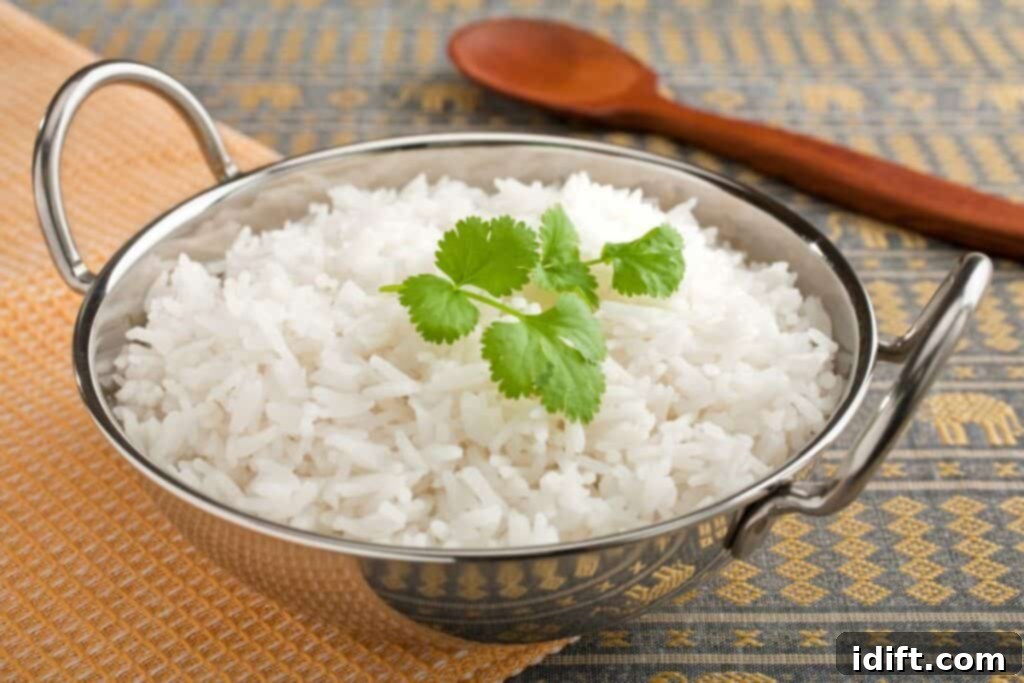
As this guide illustrates, the world of rice extends far beyond just one or two familiar varieties. From the incredibly fragrant Basmati and Jasmine to the unique, chewy wild rice, the creamy richness of Arborio, and the vibrant, antioxidant-rich black rice, there is a perfect grain for every culinary aspiration and dietary need. Each type offers a distinctive flavor, texture, and cooking characteristic, inviting you to experiment and explore new gastronomic landscapes.
Whether you’re aiming to create an authentic, luscious risotto, a perfectly sticky sushi roll, a hearty side dish to complement your favorite protein, or an aromatic foundation for a rich curry, understanding these diverse types of rice will undoubtedly elevate your cooking. Embrace the versatility of this global staple and discover how the right choice of rice can transform an ordinary meal into an extraordinary dining experience. Happy cooking, and may your rice always be perfectly fluffy!
This article originally appeared on Food Drink Life.