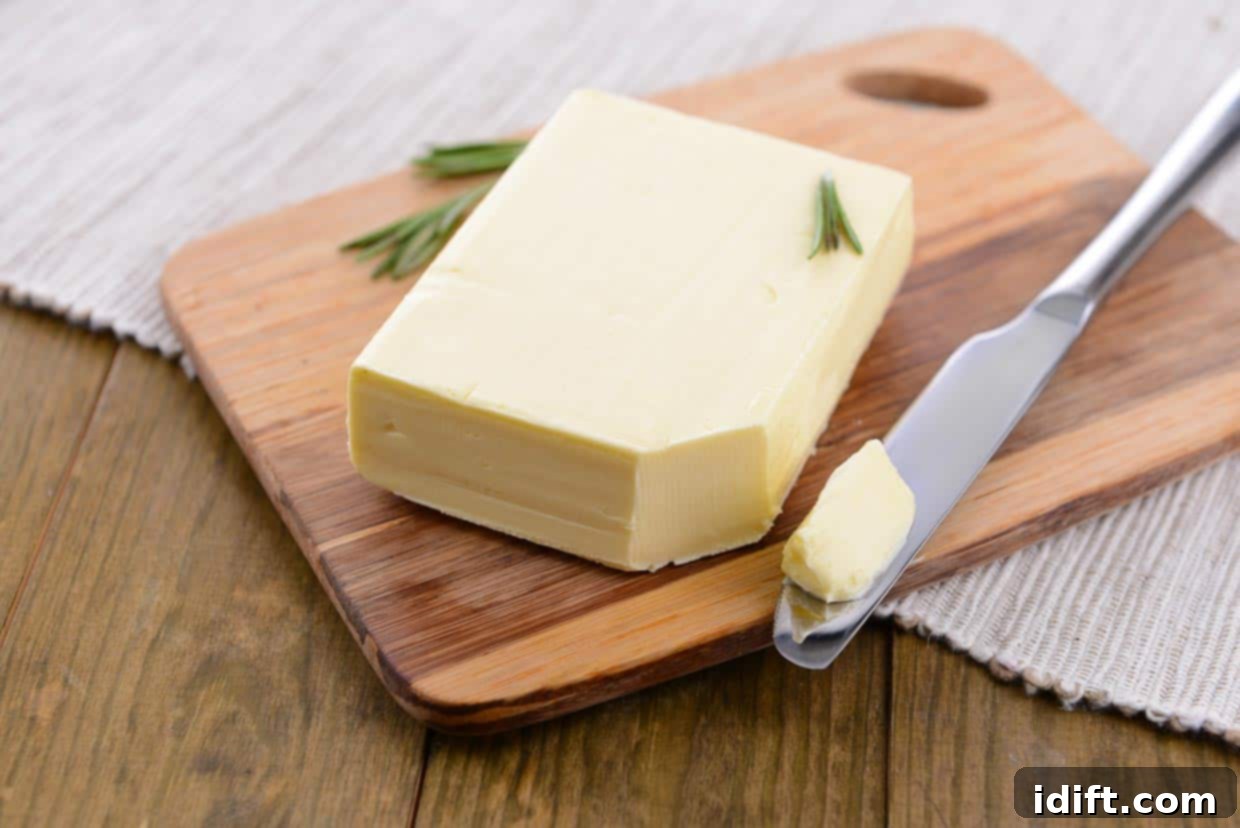
Unlock a world of rich, nutty flavor and transform your everyday cooking with the magic of brown butter! This deceptively simple ingredient, often hailed as a culinary secret, possesses an incredible ability to add unparalleled depth, warmth, and sophistication to an astounding array of dishes. From humble baked goods to elegant savory meals, brown butter elevates the ordinary to the extraordinary, leaving a lasting impression on your palate.
Embark on a delightful culinary journey as we explore everything you need to know about this versatile golden elixir. Discover precisely what it is, master the effortless technique of making it in your own kitchen, and most importantly, learn how to harness its unique flavor profile to revolutionize your cooking. Prepare to tantalize your taste buds and impress your guests with the deep, caramel-infused notes that only perfectly browned butter can deliver.
What Is Brown Butter? The Golden Elixir of Cuisine
At its core, brown butter is an alchemistic transformation of ordinary butter achieved through gentle heating. This process involves cooking butter beyond its melted state until the milk solids, suspended within the fat, toast to a beautiful golden brown hue. Known in classic French cuisine as “beurre noisette” – literally “hazelnut butter” – it earns its name from the distinct nutty aroma and flavor it develops, reminiscent of roasted hazelnuts.
The magic behind brown butter lies in the Maillard reaction, a complex chemical process responsible for the browning and flavor development in many foods, from seared steaks to toasted bread. As butter heats, its water content evaporates, allowing the milk solids (proteins and sugars) to come into direct contact with the pan’s heat. These solids caramelize and undergo a series of reactions, creating hundreds of new flavor compounds. The result is a richer, more complex, and deeply aromatic butter with notes of toasted nuts, caramel, and a subtle sweetness that regular butter simply cannot offer.
A Culinary Legacy: The Origins of Beurre Noisette
Brown butter has been a cherished staple in French cuisine for centuries, a testament to its enduring appeal and culinary power. French chefs were among the first to recognize and exploit the profound flavor enhancement achieved by browning butter, integrating it into both savory and sweet preparations. It became a foundational element in many classic sauces, a luxurious finish for delicate seafood and vegetables, and an essential component in sophisticated desserts.
While deeply rooted in tradition, brown butter has experienced a significant resurgence in popularity in recent decades, extending far beyond the confines of classical French cooking. Chefs and home cooks across the globe, particularly in the US, have rediscovered its incredible versatility and unmistakable deliciousness. Its ability to add a layer of complexity without requiring exotic ingredients or complicated techniques has cemented its place as a favorite secret weapon in modern kitchens, proving that sometimes, the simplest transformations yield the most profound results.
Mastering the Art: How to Make Brown Butter at Home
Browning butter is an incredibly rewarding process, remarkably easy, and surprisingly quick. It typically takes no more than 5 to 8 minutes from start to finish. All you need are a few basic tools and a watchful eye.
Essential Tools & Ingredients:
- A Light-Colored Pan: This is crucial! A stainless steel or light-bottomed pan allows you to clearly monitor the color changes of the milk solids, preventing the butter from burning.
- High-Quality Unsalted Butter: Opt for unsalted butter. Salted butter contains added salt which can interfere with the browning process, cause it to burn more quickly, and make it difficult to control the final flavor of your dish. Grass-fed butter can also offer a richer starting flavor.
- Heat-Proof Spatula or Whisk: For continuous stirring.
- A Heat-Proof Bowl: To transfer the brown butter immediately after it’s ready.
Step-by-Step Guide to Perfect Brown Butter:
- Prepare the Butter: Cut your unsalted butter into uniform pieces (e.g., 1-inch cubes). This ensures even melting and browning. Place the butter pieces in your light-colored pan over medium heat.
- Melt and Foam: As the butter melts, it will begin to foam. This foam is primarily water evaporating from the butter. Stir continuously with your spatula or whisk. Agitation helps the butter cook evenly and prevents the milk solids from sticking to the bottom and burning prematurely.
- The Transformation Begins: Continue cooking and stirring. The foam will subside slightly, and you’ll start to see tiny, light brown flecks forming at the bottom of the pan. These are the milk solids beginning to caramelize. Keep stirring to ensure these solids don’t burn and that all the butter browns uniformly.
- Watch Closely for Golden Perfection: This is the most critical stage. The butter will turn a beautiful golden-brown color, and the milk solids will deepen to a rich, amber hue. A distinct nutty, toasted aroma will fill your kitchen – this is your cue! The entire process from melting to browning typically takes 5–8 minutes, but pay attention to the visual and aromatic cues, not just the clock.
- Immediate Transfer: As soon as the butter reaches that perfect golden-brown color and emits its signature nutty scent, immediately remove the pan from the heat. Pour the brown butter, including all the delicious browned specks, into a separate heat-proof bowl. Leaving it in the hot pan, even for a few seconds, can cause residual heat to continue cooking and burn the butter.
Pro Tips for Perfect Brown Butter:
- Don’t Rush It: Medium heat is key. Too high, and the butter will burn before the milk solids have a chance to properly brown and develop flavor.
- Constant Stirring: This prevents the milk solids from settling and scorching at the bottom of the pan, ensuring even browning.
- Use Your Senses: Rely on sight and smell. The color should be amber, and the aroma distinctly nutty and toasted.
- Have a Backup Plan: Keep your heat-proof bowl ready next to the stove. Speed is essential for stopping the cooking process.
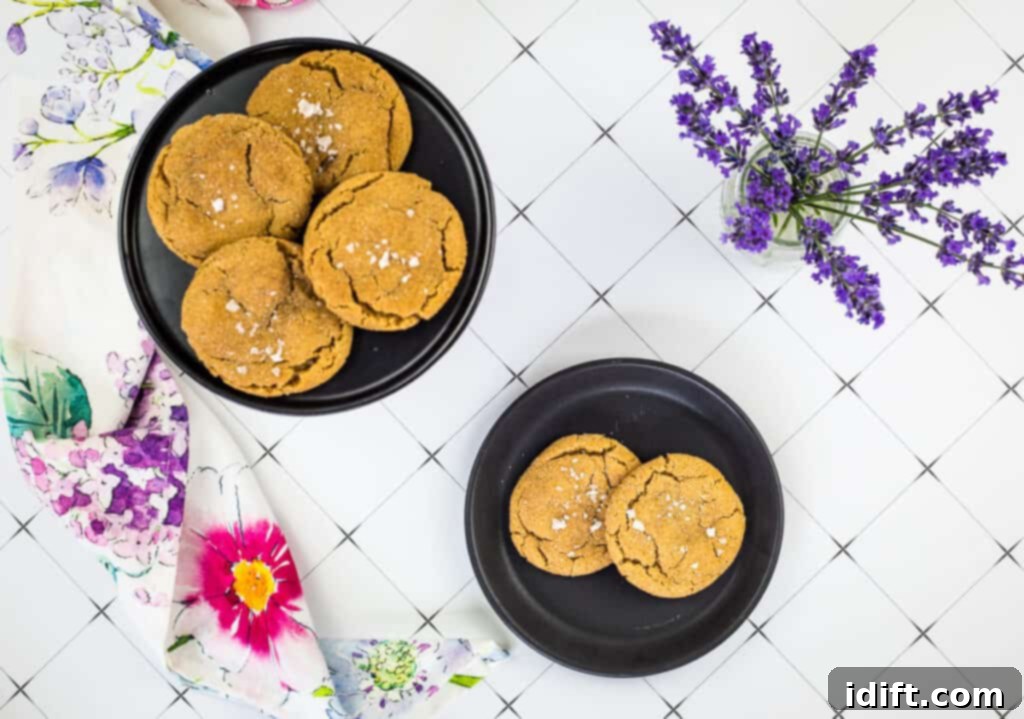
The Tell-Tale Signs: How to Know When Your Butter is Perfectly Browned
Identifying perfectly browned butter relies on a combination of sensory cues that, once experienced, become easy to recognize. The moment the butter is ready, you will observe small, evenly distributed brown specks at the bottom of the pan. These are the beautifully toasted milk solids. The liquid butter itself will have transformed from a pale yellow to a deep, rich golden or amber hue, reminiscent of dark honey.
Crucially, your nose will be your best guide. A wonderfully nutty, toasty, and slightly sweet aroma will emanate from the pan, signaling that the Maillard reaction has reached its peak. The initial vigorous foaming will also have subsided significantly, giving way to a quieter sizzle or gentle bubbling.
It’s imperative to act swiftly at this stage. Once these signs appear, immediately remove the pan from the heat and pour the butter into a cool bowl. The transition from perfectly browned to burnt happens incredibly fast – often within seconds. If the butter is overcooked, the milk solids will turn black, and the entire mixture will develop an intensely bitter, unpleasant flavor. There is no salvaging burnt butter; its acrid taste will ruin any dish it touches, so it must be discarded. Precision and promptness are your allies in achieving brown butter perfection.
Brown Butter vs. Regular Butter: A Tale of Two Flavors
While both originate from the same dairy product, brown butter and regular butter are distinct ingredients with unique culinary applications. The primary and most significant difference lies in their flavor profile. Regular butter offers a mild, creamy, and slightly sweet taste that is quintessential in countless recipes. Brown butter, however, boasts a bold, deep, toasted, and complex flavor, laden with notes of hazelnut, caramel, and sometimes even a hint of toffee. This profound transformation in taste makes brown butter an ingredient that adds character and depth that ordinary butter simply cannot achieve.
Beyond flavor, brown butter also exhibits a slightly higher smoke point compared to its unadulterated counterpart. During the browning process, a significant portion of the water content naturally present in butter evaporates. This reduction in water means the remaining fat can be heated to a higher temperature before it begins to smoke and degrade. This can be advantageous in certain cooking applications, such as sautéing, where higher heat is desired.
Furthermore, because water has been removed, browned butter is more concentrated. By volume, it will have slightly more calories and fat than the equivalent volume of regular butter. This concentration is also a key reason for its more intense and pronounced flavor. The absence of water means the nutty, caramelized flavors are undiluted, making every drop of brown butter a powerful flavor enhancer.
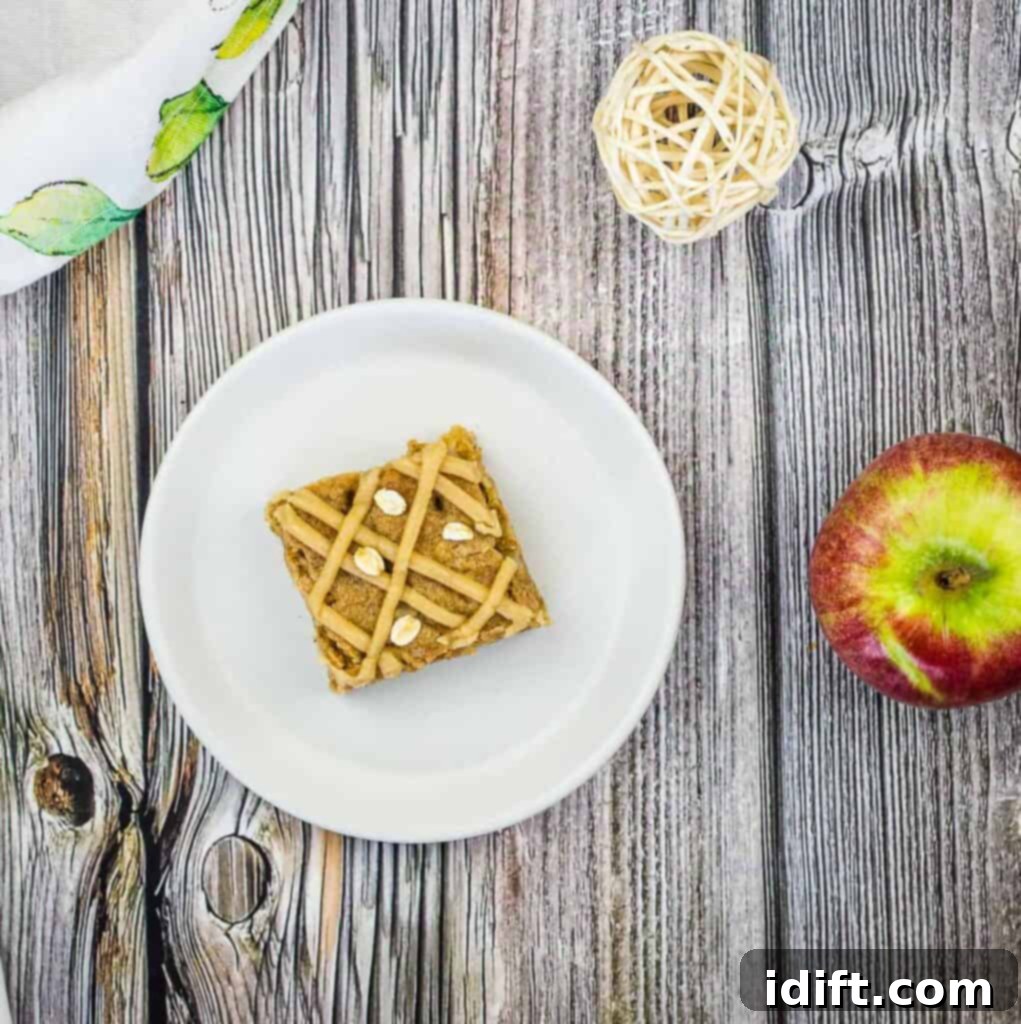
Preserving the Gold: How to Store Brown Butter
Proper storage ensures you can enjoy the fruits of your labor for an extended period. Once your brown butter is made, allow it to cool completely to room temperature. This is crucial to prevent condensation from forming inside the container, which could introduce moisture and promote spoilage.
For short-term storage, transfer the cooled brown butter (including the milk solids) into an airtight container. Store it in the refrigerator, where it will solidify into a deeply flavored block. While it can be stored for up to a week, its flavor is at its peak when used within the first few days. The nutty notes are most vibrant when fresh.
You can also store it in its liquid form if you prefer. Once cooled, pour it into an airtight jar and refrigerate. The milk solids will settle at the bottom, and you can scrape them out or incorporate them as needed. Both the solid and liquid forms are excellent for adding flavor to dishes.
Long-Term Solutions: Can You Freeze Brown Butter?
Absolutely! Freezing brown butter is an excellent way to preserve its exquisite flavor for months, ensuring you always have this ingredient on hand. After making your brown butter, allow it to cool completely to room temperature. For convenience, you might consider pouring it into ice cube trays for individual portions, or into a larger airtight container for bulk storage.
Once cooled and portioned, transfer the butter to an airtight freezer-safe container, heavy-duty plastic freezer bags, or wrap it tightly in plastic wrap and then foil. Proper sealing is key to preventing freezer burn and flavor degradation. Stored correctly, brown butter can maintain its quality in the freezer for up to 6 months.
When you’re ready to infuse your recipes with its rich taste, simply thaw the frozen brown butter. The best method is to transfer it to the refrigerator overnight. For quicker thawing, you can gently warm smaller portions in a microwave-safe bowl on a low setting or in a small saucepan over very low heat, taking care not to re-brown it or burn it.
Convenience vs. Craft: Can You Buy Brown Butter?
While the process of browning your own butter is remarkably simple and deeply satisfying, some may find it intimidating or prefer the convenience of a ready-made product. The good news is that you can indeed buy brown butter at select specialty grocery stores or online retailers. Brands like Trader Joe’s sometimes carry it, and it’s also available online at Amazon and other gourmet food shops.
However, it’s worth noting that commercially prepared brown butter often comes at a significantly higher price point than regular butter. Making your own brown butter is not only incredibly cost-effective but also allows you complete control over the level of browning and the freshness of the product. The nuanced flavors of freshly made brown butter are often superior to pre-packaged versions, offering a truly artisanal touch to your cooking. So, while buying it is an option, the homemade route is almost always recommended for quality and value.
The Great Switch: Substituting Brown Butter for Regular Butter in Recipes
One of the most exciting aspects of brown butter is its versatility as a substitute for regular butter in many recipes. Yes, you can frequently swap brown butter for regular butter, but it’s important to consider a few key factors to ensure culinary success.
Flavor Harmony:
Always consider the overall flavor profile of your final dish. Brown butter’s distinct nutty, caramel notes are powerful. While they enhance many recipes, they might overpower or clash with very delicate flavors. It generally shines in dishes where a deeper, richer undertone is welcome – think desserts with warm spices, hearty savory dishes, or anything that benefits from a toasted essence.
State of the Butter:
- For Melted Butter: If your recipe calls for melted butter, substituting brown butter is straightforward. Simply make your brown butter, let it cool slightly (to prevent scorching other ingredients), and use it in the specified amount.
- For Softened or Creamed Butter: Many baking recipes, especially cookies and cakes, require softened butter that is creamed with sugar to incorporate air. In these cases, you cannot simply use warm, liquid brown butter. You must first make your brown butter, pour it into a heat-proof bowl, and allow it to cool and solidify in the refrigerator until it reaches a softened, pliable consistency similar to room-temperature regular butter. Only then can it be creamed effectively. This step requires foresight and planning.
Volume Adjustment:
Remember that as butter browns, its water content evaporates. This means that if you start with, say, ½ cup of regular butter to brown, you will end up with slightly less than ½ cup of brown butter by volume. This difference can be significant in recipes where precise measurements are crucial, such as baking. To account for this, it’s advisable to start with about 15-20% more regular butter than your recipe calls for, brown it, and then measure out the exact amount needed for your recipe. This ensures you have the correct fat content and consistency.
Ignite Your Dishes: Irresistible Recipe Ideas for Brown Butter
Brown butter is a game-changer, injecting a rich, complex, and irresistible caramelized flavor into an astonishing variety of dishes. Whether you’re a seasoned baker, a savory enthusiast, or simply looking to elevate your everyday meals, a touch of brown butter can bring a nutty, delicious twist that will leave you craving more. It’s even keto friendly, making it a versatile option for various dietary preferences. Here are some inspiring ideas to get you started:
- Pasta Dishes: Elevate simple pasta dishes like spaghetti aglio e olio, fettuccine alfredo, or brown butter sage sauce with a profound depth of flavor. Drizzle it over cheese tortellini or ravioli for an instant gourmet touch.
- Seafood Delights: Sautéing delicate seafood, such as scallops, shrimp, or white fish like sole and cod, in brown butter creates an incredible, restaurant-quality flavor. Its nutty notes beautifully complement the sweetness of the seafood.
- Roasted & Sautéed Vegetables: Transform ordinary vegetables into something extraordinary. Use brown butter to sauté Brussels sprouts, cauliflower, green beans, asparagus, or even glazed carrots. It adds a delicious caramelized crust and an unmatched richness.
- Baked Goods & Desserts: This is where brown butter truly shines. Incorporate it into cakes, cookies (like those amazing browned butter sugar cookies), brownies, blondies, muffins, and even pie crusts. It adds a sophisticated, nutty dimension that makes your baked goods incredibly addictive.
- Sauces & Dressings: Brown butter forms an exquisite base for rich sauces. Think classic beurre blanc, a luxurious hollandaise, or a simple vinaigrette for salads. It’s also fantastic whisked into pan sauces for roasted meats.
- Comforting Soups: Add a swirl of brown butter to finish creamy soups like butternut squash soup, sweet potato soup, or even a rich French onion soup for an added layer of warmth and nutty complexity.
- Breakfast Staples: Drizzle brown butter over pancakes, waffles, or French toast. Use it to enhance oatmeal or grits for a truly indulgent start to your day.
- Popcorn: Forget regular butter on your popcorn! Drizzle hot brown butter over freshly popped kernels for an irresistible snack.
- Compound Butters: Mix brown butter with herbs, garlic, or spices to create a flavored compound butter that can be melted over steaks, roasted chicken, or slathered on crusty bread.
- Frostings & Glazes: Brown butter can be used to make incredible frostings for cakes and cupcakes, or glazes for pastries and even savory dishes like roasted ham.
Embrace the Flavor Journey: Try Something New Today
Are you ready to witness the profound impact a simple pan and a stick of butter can have? Brown butter is more than just an ingredient; it’s a testament to the power of transformation in the kitchen. Its rich, nutty, and caramelized goodness has the ability to elevate simple recipes into culinary masterpieces, making your cooking more flavorful and memorable.
Don’t shy away from experimenting with this incredibly versatile ingredient. Start by incorporating it into a familiar dish, then gradually explore its potential across different cuisines and preparations. Once you’ve experienced the magic of brown butter, you’ll wonder how you ever cooked without it. Transform your cooking, delight your senses, and embark on a delicious flavor journey today!
This article originally appeared on Food Drink Life.