
Discover the ultimate guide to safely and deliciously reheating leftover fried rice! From quick microwave methods to achieving perfect crispy textures in a skillet, we’ve got all the tips and tricks you need to enjoy your favorite Asian-inspired dish all over again.

Fried rice is a culinary staple enjoyed across the globe, celebrated for its versatility, delicious flavor, and incredible convenience. While its origins are deeply rooted in Asian cuisine, it has seamlessly transitioned into a beloved comfort food and a go-to takeaway option in American households and beyond. This delightful dish, typically featuring stir-fried rice, an assortment of fresh vegetables, and often a choice of protein like chicken, pork, shrimp, or tofu, serves equally well as a hearty one-skillet meal or a satisfying side dish.
One of the secrets to truly great fried rice lies in its foundation: pre-cooked rice. Experienced chefs and home cooks alike swear by using cold, day-old rice that has been thoroughly chilled. The reason behind this specific preparation is crucial for achieving that signature light, fluffy, and separate grain texture. Freshly cooked, warm rice retains too much moisture, which can lead to a sticky, clumpy, and mushy result when stir-fried. By contrast, refrigerated rice loses some of its moisture, making it firmer and less likely to clump together, allowing each grain to become beautifully coated and lightly crisped during the cooking process.
Whether you’ve meticulously prepared a batch of homemade fried rice or brought home a generous portion from your favorite takeout spot, the inevitable question arises: how do you properly reheat those delicious leftovers? The good news is that there are several straightforward and effective methods to bring your fried rice back to life safely and deliciously. Regardless of the method you choose, always remember the golden rule of food safety: ensure your leftover fried rice reaches an internal temperature of 165 degrees Fahrenheit (74 degrees Celsius). Using an instant-read digital thermometer is the most reliable way to confirm it’s hot enough to eliminate any potential harmful bacteria and safe for consumption.
How to Reheat Fried Rice: Top Methods
Getting your fried rice back to its glorious, piping hot state doesn’t have to be a gamble. Here are the most popular and effective methods, complete with tips for optimal results.
1. Reheating Fried Rice in the Microwave: Quick and Convenient
When time is of the essence, the microwave is your best friend for reheating fried rice. It’s a super-speedy method that, when done correctly, can prevent your rice from drying out, keeping it moist and flavorful. This method is particularly effective for smaller portions and for retaining the tender texture of any meat or vegetables in the dish.
Step-by-Step Microwave Reheating:
- Prepare the Dish: Transfer your leftover fried rice into a microwave-safe bowl or plate. For best results, spread the rice out evenly rather than piling it up, which helps ensure more uniform heating.
- Add Moisture: To combat potential dryness, sprinkle a tablespoon or two of water over the rice. Alternatively, you can place a damp paper towel directly over the rice or loosely cover the dish with microwave-safe plastic wrap. The steam created by the water or damp towel will help keep the rice grains plump and moist.
- Heat in Intervals: Place the covered dish in the microwave. Heat on high power for an initial 30-60 seconds.
- Stir and Continue: After the first interval, carefully remove the dish (it may be hot!) and stir the fried rice thoroughly. This redistributes the heat and helps prevent cold spots.
- Repeat: Continue heating in additional 30-second bursts, stirring well after each interval, until the fried rice is piping hot throughout and reaches the safe internal temperature of 165°F (74°C).
The microwave excels at reheating fried rice without compromising the texture of the proteins or vegetables, as long as you avoid overcooking. It’s a fantastic choice for a quick lunch, ensuring that even heartier options like Brisket Fried Rice come out perfectly tender and delicious.
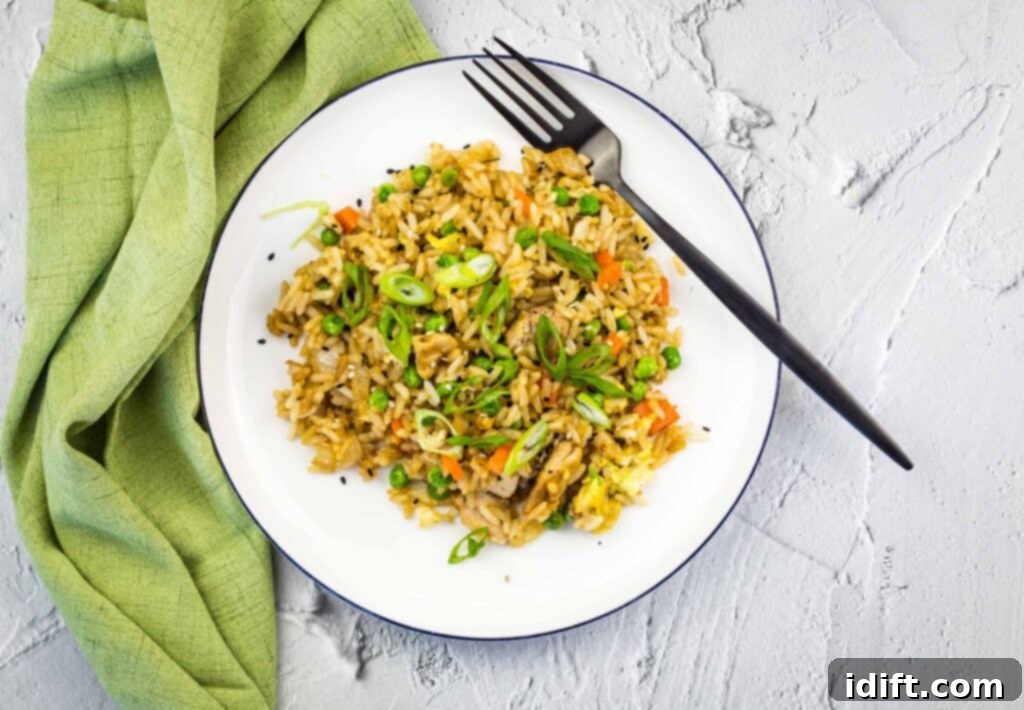
2. Reheating Fried Rice in a Skillet: For the Best Texture
Many consider reheating fried rice in a skillet or wok to be the gold standard, as it closely mimics the original cooking method. This technique allows for the rice to develop those coveted slightly crispy edges, enhancing its flavor and texture without making it greasy. If you’re aiming for restaurant-quality leftovers, the skillet method is your go-to.
Step-by-Step Skillet Reheating:
- Prepare Your Skillet: Heat a large non-stick skillet or wok over medium-high heat. Add a small amount of oil (about 1-2 teaspoons) – neutral oils like vegetable, canola, or peanut oil work best. You can also use butter for a richer flavor.
- Add the Rice: Once the oil is shimmering, add your leftover fried rice to the skillet. Break up any large clumps with your spoon or spatula.
- Stir-Fry to Reheat: Stir-fry the rice continuously, moving it around the pan to ensure even heating. You’ll notice the grains starting to separate and become fragrant. There’s typically no need to cover the skillet or add extra liquid, as the goal is to gently crisp the rice.
- Check for Doneness: Continue stirring for about 5-8 minutes, or until the rice is heated through to 165°F (74°C). You’ll know it’s ready when steam rises consistently and the rice develops a slight crispness on some of the grains.
This method truly shines, transforming potentially dull leftovers into a fresh-tasting, texturally exciting meal. It’s perfect for those who appreciate the slight char and depth of flavor that only direct heat can provide.
3. Reheating Fried Rice in the Oven: Best for Larger Batches
While the microwave and skillet are excellent for individual servings, the oven proves invaluable when you need to reheat a larger quantity of fried rice, perhaps for a family meal or when entertaining guests. The oven method ensures even heating throughout and helps prevent the rice from drying out, especially when properly covered.
Step-by-Step Oven Reheating:
- Preheat Oven: Preheat your oven to 325°F (160°C).
- Prepare Baking Dish: Transfer the fried rice into an oven-safe baking dish. For optimal results, spread the rice into a relatively thin, even layer. This allows the heat to penetrate more efficiently.
- Add Moisture and Cover: Drizzle a tablespoon or two of water or chicken broth over the rice. This step is crucial to prevent the rice from becoming dry and hard. Tightly cover the baking dish with aluminum foil. The foil will trap the moisture, creating a steaming effect that rehydrates and heats the rice gently.
- Heat Until Warm: Place the covered dish in the preheated oven. The heating time will vary depending on the quantity of rice. For a single serving, expect around 15-20 minutes. Larger batches, such as enough for a family, might take 25-35 minutes.
- Check and Serve: Carefully remove the foil (watch out for steam!) and stir the rice. Ensure it has reached the safe internal temperature of 165°F (74°C) throughout. If it needs more time, re-cover and continue heating in 5-10 minute increments. This method works wonderfully for dishes like Chicken Fried Rice, ensuring every spoonful is warm and flavorful.
Crucial Food Storage Guidelines for Fried Rice
Leftovers are undeniably convenient, offering a quick and easy meal with minimal effort. However, proper storage is paramount, especially when dealing with rice, to ensure safety and maintain quality. The FDA’s food storage guidelines provide clear instructions: perishable cooked foods, including fried rice, should be refrigerated within two hours of cooking and consumed within 3-4 days. Always store fried rice in an airtight container to prevent contamination and keep it fresh, ensuring your refrigerator maintains a temperature below 40 degrees Fahrenheit (4 degrees Celsius).
Can You Freeze Fried Rice? Absolutely!
Yes, you can certainly freeze leftover fried rice, making it an excellent option for meal prepping and minimizing food waste. Freezing allows you to extend its shelf life significantly, providing a convenient future meal.
Tips for Freezing Fried Rice:
- Cool Completely: Before freezing, ensure the fried rice has cooled down to room temperature within two hours of cooking. Freezing hot food can raise the temperature of your freezer and affect other items.
- Portion Appropriately: Divide the fried rice into individual or meal-sized portions. This makes thawing and reheating much more convenient, as you only need to take out what you plan to eat.
- Use Freezer-Safe Containers: Pack the portions into airtight, freezer-safe containers or heavy-duty freezer bags. Press out as much air as possible from bags to prevent freezer burn.
- Label and Date: Always label your containers or bags with the date of freezing. Fried rice can be stored in the freezer for up to one month for optimal quality. Beyond this, it remains safe to eat but might experience a decline in texture and flavor.
Thawing Frozen Fried Rice: For the best reheating results, it’s highly recommended to thaw frozen fried rice overnight in the refrigerator before reheating. This gradual thawing helps preserve the texture of the rice grains and other ingredients. While you can technically reheat from frozen in the microwave or skillet, thawing first often yields a superior outcome.
Leftover Rice Safety: Handle It Properly!
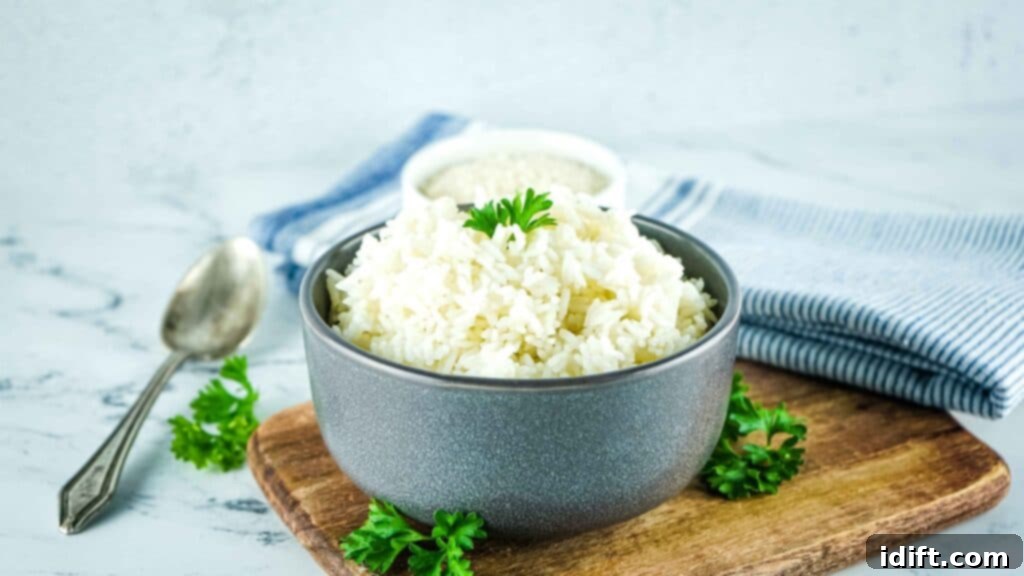
The proper handling and storage of cooked rice are critical to prevent foodborne illness. Many people are unaware that leftover rice can pose a risk of food poisoning if not managed correctly. The culprit is often a bacterium called Bacillus cereus. Uncooked rice grains can contain spores of this bacterium, which are remarkably resilient and can survive the cooking process.
The danger arises when cooked rice is left at room temperature for an extended period. In this “danger zone” (temperatures between 40°F and 140°F or 4°C and 60°C), the Bacillus cereus spores can multiply rapidly and produce toxins. These toxins are heat-resistant, meaning that even thorough reheating may not destroy them. Consuming rice contaminated with these toxins can lead to unpleasant symptoms such as vomiting and diarrhea.
Key Practices for Safe Rice Storage:
- Rapid Cooling: The most important step is to cool cooked rice as quickly as possible. Do not leave it on the countertop for hours. Transfer it to shallow containers or plates immediately after cooking to allow heat to dissipate rapidly. You can even place shallow containers of hot rice in an ice bath to speed up cooling.
- Refrigerate Promptly: Once cooled, refrigerate the rice within one hour of cooking if possible, and certainly within two hours. Store it in an airtight container in the fridge below 40°F (4°C).
- Reheat Thoroughly: Always reheat rice to a steaming hot temperature of 165°F (74°C) throughout.
- Consume Quickly: As mentioned, eat reheated rice within 3-4 days of initial cooking.
By following these guidelines and promptly refrigerating all cooked rice and any leftover fried rice, you drastically minimize the risk of food poisoning, ensuring your meals are not only delicious but also safe.
Tips for Perfect Reheated Fried Rice Every Time
Beyond the basic methods, a few extra tricks can elevate your reheated fried rice from good to truly exceptional:
- Don’t Overcrowd the Pan: If reheating in a skillet, avoid piling too much rice into the pan. Reheat in batches if necessary to ensure even cooking and prevent steaming instead of frying.
- Add Freshness: A quick addition of fresh ingredients can make reheated fried rice taste like it was just made. Stir in some freshly chopped green onions, a drizzle of sesame oil, a dash of soy sauce, or even a freshly fried egg at the end of the reheating process.
- Adjust Seasoning: Taste your fried rice after reheating and adjust the seasoning as needed. Sometimes a little extra soy sauce, a pinch of salt, or a dash of white pepper can bring the flavors back to life.
- Crispy Edges: For an extra-crispy texture in the skillet, let the rice sit undisturbed for a minute or two on medium-high heat before stirring again. This allows the bottom layer to crisp up nicely.
- Check Temperature: Always, always use a food thermometer to ensure the rice reaches 165°F (74°C). Safety first!
Frequently Asked Questions About Reheating Fried Rice
Q: Can I reheat fried rice more than once?
A: For food safety reasons, it’s generally advised to only reheat fried rice once. Reheating multiple times increases the risk of bacteria growth, especially if the rice spends too much time in the “danger zone” (40°F to 140°F or 4°C to 60°C).
Q: How long does fried rice last in the fridge?
A: Properly stored fried rice should be consumed within 3-4 days when kept in an airtight container in the refrigerator at or below 40°F (4°C).
Q: What if my reheated fried rice tastes dry?
A: To prevent dry fried rice, always add a tablespoon or two of water or broth before reheating, especially in the microwave or oven. Covering the dish will also help trap moisture and create steam. If it’s already dry, try stirring in a small amount of broth or a pat of butter after reheating.
Q: Is it safe to eat cold fried rice?
A: No, it is not recommended to eat cold fried rice that has been stored as leftovers. Always ensure fried rice is reheated thoroughly to 165°F (74°C) to kill any potential bacteria that may have formed during cooling or storage.
The Final Word on Reheating Fried Rice
Enjoying leftover fried rice is not just a treat for your taste buds but also a smart way to manage your meals. Whether you opt for the lightning speed of the microwave, the textural magic of a skillet, or the steady warmth of the oven, reheating your favorite fried rice dish is simple and straightforward when you follow these guidelines. From Ham Fried Rice to shrimp, chicken, or vegetarian versions, tasty and safe leftovers are just minutes away. Embrace the convenience, master the methods, and savor every last grain!