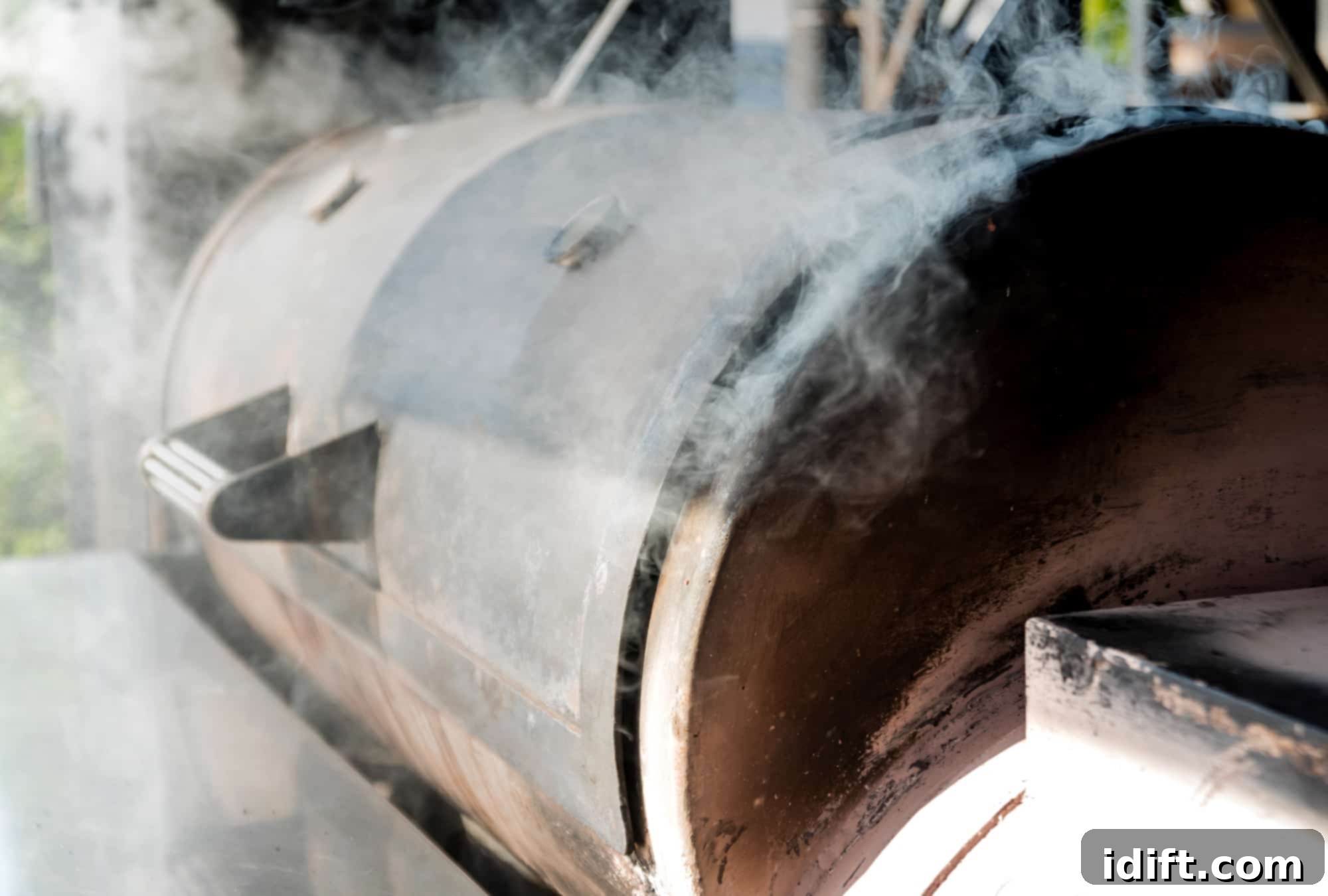
Dreaming of becoming a backyard smoking maestro but feeling overwhelmed by the choices? You’re not alone! The world of home smoking offers a delightful array of options, with pellet, electric, and traditional wood smokers all vying for a spot on your patio. Navigating this decision can be tough, but fear not! This in-depth guide is your ultimate resource for understanding the key differences and advantages of Pellet Smokers vs. Electric Smokers, helping you make the perfect choice for your smoking journey.
This post may contain affiliate link(s). As an Amazon Associate, I earn from qualifying purchases. See Disclosure.
When it comes to infusing food with that irresistible smoky aroma and tender texture, modern smokers have revolutionized the game. Forget the hassle of propane tanks, messy charcoal, or constant tending required by traditional methods. Both pellet and electric smokers offer unique pathways to delicious smoked meats, vegetables, and even cheeses, simplifying the process for home cooks. However, they operate on distinct principles, each offering a unique set of benefits and drawbacks. Understanding these differences is crucial for finding the smoker that best aligns with your culinary goals, lifestyle, and budget.
We’re about to embark on a comprehensive exploration of pellet smokers versus electric smokers, meticulously comparing their features, operational mechanisms, flavor contributions, and overall performance. Whether you’re planning to craft savory homemade beef jerky, succulent pulled pork, or perfectly smoked ribs, this guide will equip you with the knowledge to make an informed decision. By the end, you’ll have a clear understanding of the pros and cons of each type, confidently determining whether a pellet smoker or an electric smoker is your ideal smoking companion!
Unveiling the Pellet Smoker: A Master of Precision and Flavor
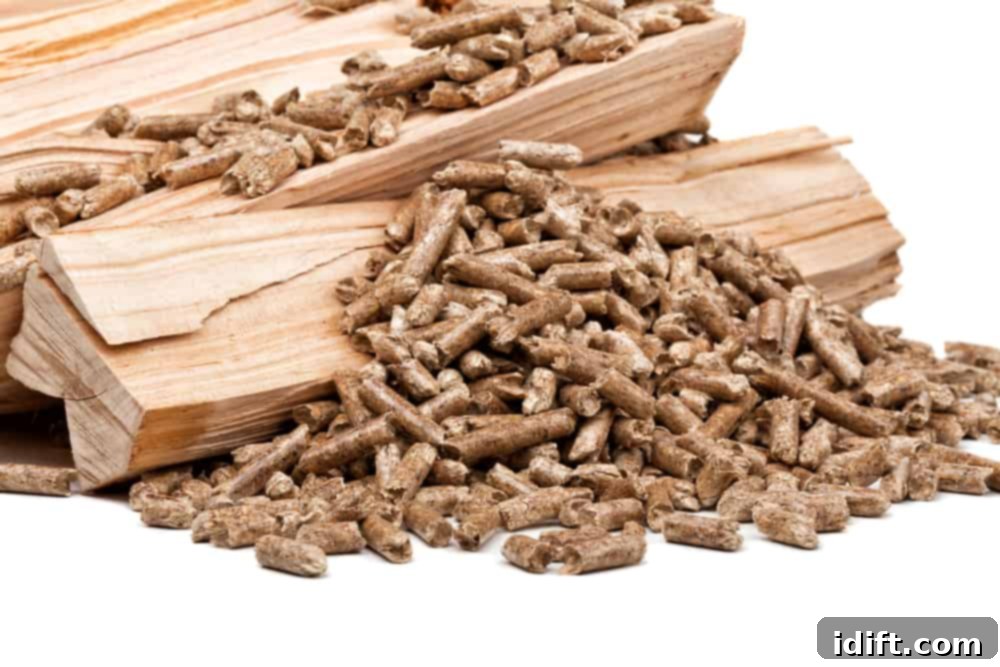
Pellet smokers represent a modern marvel in the world of outdoor cooking, combining the authentic flavor of wood smoke with digital age convenience. At their core, these innovative devices are fueled by food-grade wood pellets, which are essentially compressed sawdust made from various hardwoods like hickory, apple, cherry, mesquite, and oak. These pellets are stored in a side-mounted hopper, from which an auger automatically feeds them into a burn pot. Here, an igniter sparks them to life, and a fan circulates the heat and smoke throughout the cooking chamber.
What truly sets pellet smokers apart is their remarkable convenience and unparalleled temperature control. Thanks to an integrated digital controller and a precise internal thermostat, you can simply set your desired temperature – much like an oven – and the smoker will diligently maintain it, automatically adjusting the pellet feed rate and fan speed. This “set it and forget it” functionality makes them incredibly user-friendly, ideal for long smoking sessions where consistent temperature is paramount. They offer a fantastic balance, delivering genuine wood-fired flavor without the constant babysitting typically associated with traditional offset smokers.
Exploring the Electric Smoker: Simplicity Meets Smoking
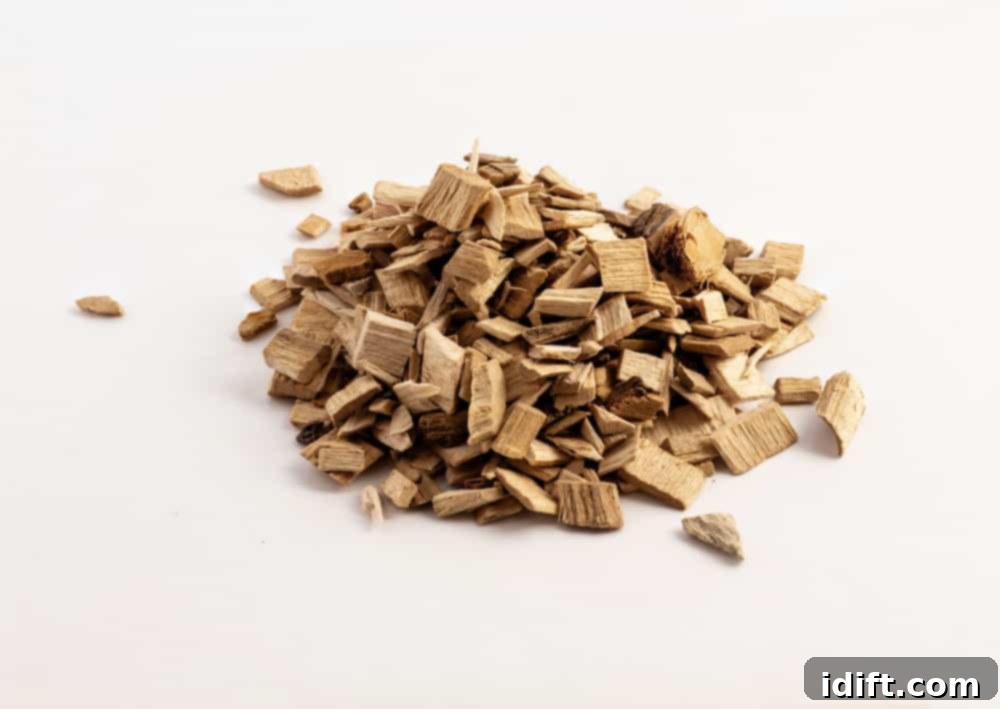
Electric smokers offer the ultimate entry point into the world of smoking, prized for their straightforward operation and impressive ease of use. As their name suggests, these smokers rely solely on electricity as their power source. Within the cooking chamber, a heating element warms a tray of wood chips, causing them to smolder and produce smoke. This gentle, consistent heat combined with the smoldering chips infuses your food with a delicious smoky essence.
The primary appeal of electric smokers lies in their simplicity. There’s no need to manage charcoal, monitor flames, or constantly adjust vents. You simply plug it in, add your wood chips, set the temperature, and let it do its work. This makes them particularly appealing to beginners or those who prefer a hands-off approach to smoking. They excel at maintaining consistent low temperatures, making them perfect for “low and slow” cooks where precision isn’t about minute-by-minute adjustments but rather a steady, controlled environment. While they may not produce the same robust smoke flavor intensity as a pellet or traditional wood smoker, they deliver a mild, pleasant smoke profile that many find perfectly satisfying.
Delving into Flavor: The Heart of the Smoking Experience
When it comes to the quintessential smoky flavor, this is often where the most passionate debates arise. From my experience, pellet smokers generally deliver a more authentic and deeply infused smoke flavor compared to electric smokers. This distinction primarily stems from their fuel source and the combustion process. Pellet smokers utilize real wood pellets, which, when burned, produce a complex and rich smoke. The variety of wood types available – from sweet apple and cherry to bold hickory and mesquite – allows for a wide range of flavor profiles, giving you greater control over the final taste of your smoked dishes. The direct burning of wood translates into a more profound and traditional smoke ring and bark on meats.
Electric smokers, while still providing a wonderful smoky taste, tend to produce a milder, often cleaner smoke flavor. Because their wood chips smolder rather than actively burn with a flame, the intensity of the smoke can be less pronounced. While some prefer this subtler flavor, those seeking the deep, robust smokiness characteristic of traditional BBQ might find electric smokers a bit lacking. However, the convenience and consistent low temperatures of electric smokers often result in incredibly moist and tender food, a quality that many home cooks prioritize.

Pellet Smoker vs. Electric Smoker: A Comprehensive Comparison
To help solidify your decision, let’s break down the main differences between these two popular smoking options across several critical categories. This detailed comparison will highlight the strengths and weaknesses of each, tailored to various cooking preferences and needs.
Convenience and Ease of Use
- Pellet Smokers: Renowned for their “set it and forget it” operation. Once you set the temperature, the digital controller and auger system handle the rest, feeding pellets and maintaining consistent heat. Many models include advanced features like built-in meat probes and Wi-Fi connectivity with smartphone apps, allowing for remote temperature monitoring and control. While requiring electricity to operate, their automated nature drastically reduces the need for constant supervision, freeing you to enjoy your backyard or focus on other tasks. Startup does involve a brief preheating period as the igniter heats the pellets.
- Electric Smokers: Offer the pinnacle of simplicity. They are plug-and-play devices that require minimal setup and operation. Simply add your wood chips to the tray, fill the water pan (if applicable), set the temperature, and turn it on. There are no flames to manage, no charcoal to light, and very little to monitor beyond ensuring the wood chips are still smoldering for smoke production. This makes them incredibly user-friendly, especially for beginners or those who want a completely hands-off smoking experience with almost no learning curve.
Flavor Profile and Smoke Intensity
- Pellet Smokers: Generally acknowledged for producing a more authentic, rich, and natural smoke flavor. This is due to the complete combustion of real hardwood pellets, which creates a robust smoke that deeply penetrates meats, often resulting in a desirable smoke ring and a flavorful bark. The ability to choose from a variety of wood pellet types (hickory, apple, pecan, etc.) allows for greater customization of flavor.
- Electric Smokers: Tend to yield a milder, cleaner, and less intense smoke flavor. The wood chips smolder slowly over a heating element, producing a lighter smoke that might appeal to those who prefer a subtle smoky essence or are new to smoked foods. While delicious, the flavor may not be as complex or as deeply infused as what you’d get from a pellet or traditional wood smoker.
Temperature Control and Consistency
- Pellet Smokers: Are celebrated for their exceptional temperature precision, often maintaining temperatures within 5-10 degrees of the set point. Their advanced PID (Proportional-Integral-Derivative) controllers constantly monitor the internal temperature and adjust the auger speed and fan output to ensure remarkable consistency. This precision is invaluable for long, low-and-slow cooks where stable temperatures are critical for tender, perfectly cooked results. They can also reach higher temperatures for grilling or searing on some models.
- Electric Smokers: Provide consistent low temperatures, making them excellent for classic low-and-slow smoking. However, their temperature control might not be as finely tuned as that of pellet smokers. The heating element cycles on and off, which can lead to slightly wider temperature fluctuations. While generally reliable for consistent smoking, they typically have a lower maximum temperature range, limiting their versatility for high-heat cooking like searing.
Cost Analysis: Initial Investment and Ongoing Expenses
- Pellet Smokers: Typically involve a higher initial upfront investment, with prices ranging from several hundred to over a thousand dollars for quality models. In terms of ongoing costs, you’ll need to purchase wood pellets, which are generally more expensive per pound than wood chips. However, the efficiency of pellet consumption can vary, and a quality smoker is a durable investment that can last for many years, offering excellent value over its lifespan.
- Electric Smokers: Are generally more affordable on the initial purchase, often making them an attractive option for budget-conscious buyers or those new to smoking. Their ongoing costs are primarily for wood chips (which are less expensive than pellets) and electricity. While electricity consumption is a factor, it’s typically not a significant expense for home use, making them a cost-effective choice overall.
Versatility Beyond Smoking
- Pellet Smokers: Many modern pellet grills offer incredible versatility. Beyond just smoking, they can often grill, roast, bake, braise, and even char-grill. Some models feature direct flame access, allowing for high-temperature searing. This makes them a true all-in-one outdoor cooking appliance, capable of handling a wide range of culinary tasks throughout the year.
- Electric Smokers: Are primarily dedicated smoking machines. While excellent at low-and-slow cooking, they are not designed for grilling, searing, or high-temperature roasting. Their strength lies in their singular focus on creating perfect smoked dishes, making them a specialized tool for specific cooking styles.
Maintenance and Cleaning
- Pellet Smokers: Require regular cleaning, particularly ash removal from the burn pot and grease management from the drip pan. Occasional vacuuming of the main chamber and cleaning of the auger system is also recommended to prevent blockages and maintain efficiency. While not overly complex, it does demand a bit more attention than an electric smoker.
- Electric Smokers: Are generally simpler to clean. The wood chip tray and water pan need to be emptied and wiped down after each use, and the interior can be easily cleaned of grease and residue. With fewer moving parts and less intense combustion, maintenance is typically less involved.

The Final Verdict: Choosing Your Smoking Champion
Ultimately, the choice between a pellet smoker and an electric smoker hinges on your personal priorities, cooking style, and budget. Both categories offer fantastic ways to enjoy the rich flavors of smoked foods, but they cater to slightly different needs and aspirations.
If you’re an avid outdoor cook who prioritizes authentic wood-fired flavor, precise temperature control, and the versatility to grill, roast, and bake alongside smoking, a **pellet smoker** is likely your ideal choice. The “set it and forget it” convenience, coupled with the ability to choose various wood pellet flavors, makes it a powerful and rewarding investment for culinary enthusiasts. As someone who has used both, my personal preference leans heavily towards pellet smokers. I proudly use a Traeger pellet grill smoker, and I absolutely LOVE it! It’s a true workhorse that I load up with a diverse range of meats and veggies (yes, you can smoke vegetables to perfection!) all year long, rain or shine.
Conversely, if you’re a beginner looking for the simplest entry into smoking, or if convenience and a milder smoke flavor are your top priorities, an **electric smoker** is an excellent and highly accessible option. Its ease of use, lower upfront cost, and consistent low-temperature cooking make it perfect for those who want delicious smoked results with minimal fuss. While it might not offer the same robust flavor or versatility as a pellet smoker, it delivers reliable and tender outcomes every time.
I sincerely hope this comprehensive discussion has thoroughly addressed the question of pellet smokers vs. electric smokers, helping you confidently settle on the perfect smoker to embark on countless delicious backyard adventures!