The humble cutting board is arguably one of the most critical, yet often overlooked, tools in any kitchen. Far from being a mere surface for chopping, a well-chosen cutting board is fundamental to kitchen safety, knife longevity, and overall cooking efficiency. With an overwhelming array of options flooding the market today, selecting the perfect cutting board can feel like a daunting task. There’s no universal “best” solution, as the ideal choice depends on your specific needs, culinary habits, and kitchen environment. This comprehensive guide will dissect the most popular cutting board materials, exploring their unique advantages and disadvantages, to help you navigate the choices and find the perfect companion for your culinary adventures.
Navigating the Abundance of Choice in Cutting Boards
Modern consumers are accustomed to an abundance of choice, a phenomenon that extends from grocery aisles to kitchen essentials. While a century ago, a typical kitchen might feature little more than a sturdy wooden butcher block, today’s market offers an astonishing variety. You’ll encounter cutting boards crafted from multiple types of wood, sustainable bamboo, versatile plastic, innovative composites, and even less conventional materials like glass and marble. These boards come in countless sizes, shapes, and finishes, each promising to enhance your food preparation experience. Understanding the nuances of each material—weighing their pros and cons against your personal preferences, budget, and intended uses—is the key to making an informed decision that will serve you well for years to come.
Choosing the right cutting board isn’t just about aesthetics; it’s about functionality, hygiene, knife preservation, and even environmental impact. The surface you cut on directly affects how sharp your knives stay, how easily you can clean up, and whether your food preparation environment remains safe from harmful bacteria. Let’s delve into the characteristics of each major type of cutting board to help you identify the best fit for your culinary needs.
Exploring Wood Cutting Boards
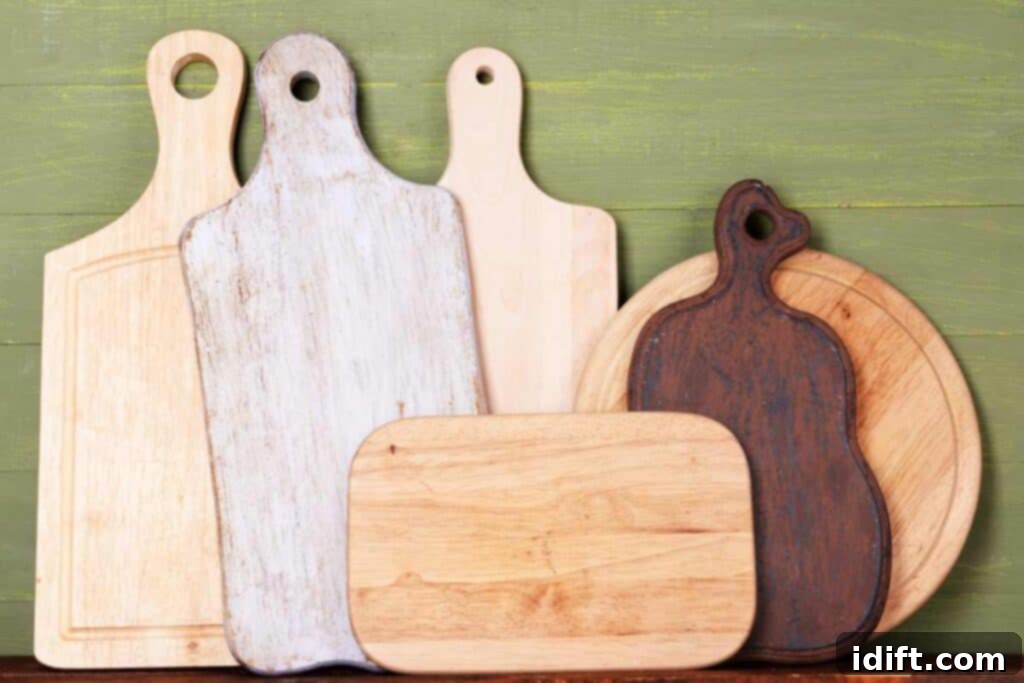
Wood cutting boards remain a perennial favorite among home cooks and professional chefs alike, cherished for their classic appeal, durability, and knife-friendly nature. The market offers a wide array of beautiful, high-quality wood boards made from various species, each boasting distinctive characteristics. Popular choices include hard maple, known for its density and light color; rich walnut, prized for its darker hues and elegant grain; warm cherry wood; exotic acacia, and robust teak. Beyond their aesthetic charm, which often allows them to double as stunning serving platters or carving stations, wooden boards offer significant practical advantages.
Pros of Wood Cutting Boards:
- Knife-Friendly Surface: Wood is a relatively soft material compared to metal, meaning it gives slightly under the knife’s edge. This flexibility helps to preserve the sharpness of your blades, reducing the need for frequent honing and sharpening. It’s an ideal surface for mastering basic knife cuts and delicate chopping tasks.
- Exceptional Durability: With proper care, a high-quality wood cutting board can last for decades, becoming a cherished heirloom. Their sturdy construction stands up to rigorous daily use.
- Natural Antimicrobial Properties: Many types of wood, particularly dense hardwoods like maple and walnut, possess natural antimicrobial properties. Studies have shown that wood can actually inhibit the growth of bacteria, making it a surprisingly hygienic choice when maintained correctly.
- Renewable Surface: Unlike plastic boards that must be discarded once deeply scored, wood boards can be sanded down to reveal a fresh, clean cutting surface. This restorative process extends their lifespan repeatedly, offering excellent long-term value.
- Aesthetic Appeal: The natural beauty of wood, with its varied grain patterns and warm tones, adds a touch of elegance and warmth to any kitchen decor.
- Variety of Weights and Sizes: Wood boards are available in a vast range of weights and sizes, from lightweight prep boards to heavy butcher blocks, allowing you to choose one perfectly suited for any task, from slicing an apple to carving a holiday roast.
Cons of Wood Cutting Boards:
- Higher Cost: Wood cutting boards, especially those crafted from premium hardwoods or featuring intricate end-grain construction, can be a significant investment. Pricing varies based on wood type, size, shape, and craftsmanship.
- Requires Specific Maintenance: Wood boards are not dishwasher safe. They must be hand-washed immediately after use with warm, soapy water, rinsed, and thoroughly air-dried. Regular oiling (typically monthly with food-grade mineral oil) is essential to prevent the wood from drying out, cracking, or splitting, and to maintain its luster and protective qualities.
- Susceptibility to Water Damage: Prolonged exposure to water can warp, crack, or damage wooden boards, which is why proper drying is crucial.
- Weight: Larger, thicker wooden boards, particularly end-grain butcher blocks, can be quite heavy, making them more challenging to move and clean for some individuals.
Understanding Bamboo Cutting Boards
Bamboo cutting boards have surged in popularity over recent years, often mistaken for wood due to their beautiful grain texture and similar appearance. However, bamboo is botanically a grass, not a tree, placing it in a category of its own. Its rapid growth and inherent strength make it an attractive alternative, especially for those seeking an eco-friendly option for everyday chopping, such as preparing fresh salad ingredients.
Pros of Bamboo Cutting Boards:
- Eco-Friendly and Sustainable: Bamboo is one of the most sustainable materials available. It grows incredibly fast, requires minimal water, and doesn’t need pesticides. Its rapid regeneration makes it a more environmentally responsible choice compared to traditional hardwoods, which take decades to mature.
- Lightweight yet Durable: Despite its grass origin, bamboo is surprisingly strong and durable. Boards are generally lighter than equivalent wooden boards, making them easier to handle and store.
- Natural Antimicrobial Properties: Like many woods, bamboo also possesses natural antimicrobial properties, helping to resist bacteria growth and maintain a hygienic cutting surface.
- Cost-Effective: Due to its efficient growth and harvesting, bamboo products are often more affordable than their hardwood counterparts, offering excellent value.
- Renewable Surface: Similar to wood, the cutting surface of a bamboo board can often be sanded down to refresh it, prolonging its useful life.
Cons of Bamboo Cutting Boards:
- Knife Wear: Bamboo is denser and harder than many types of wood. While still better for knives than glass or marble, its rigid surface can dull knife blades slightly more quickly than softer hardwoods like maple or walnut.
- Similar Care to Wood: Bamboo boards require similar maintenance to wood. They must be hand-washed and occasionally oiled to prevent them from drying out, splitting, or cracking. Dishwasher use is strictly advised against.
- Lamination Issues: Many bamboo boards are constructed from strips of bamboo glued together. Lower-quality boards may sometimes suffer from delamination over time, especially with improper care or excessive moisture exposure.
The Practicality of Plastic Cutting Boards
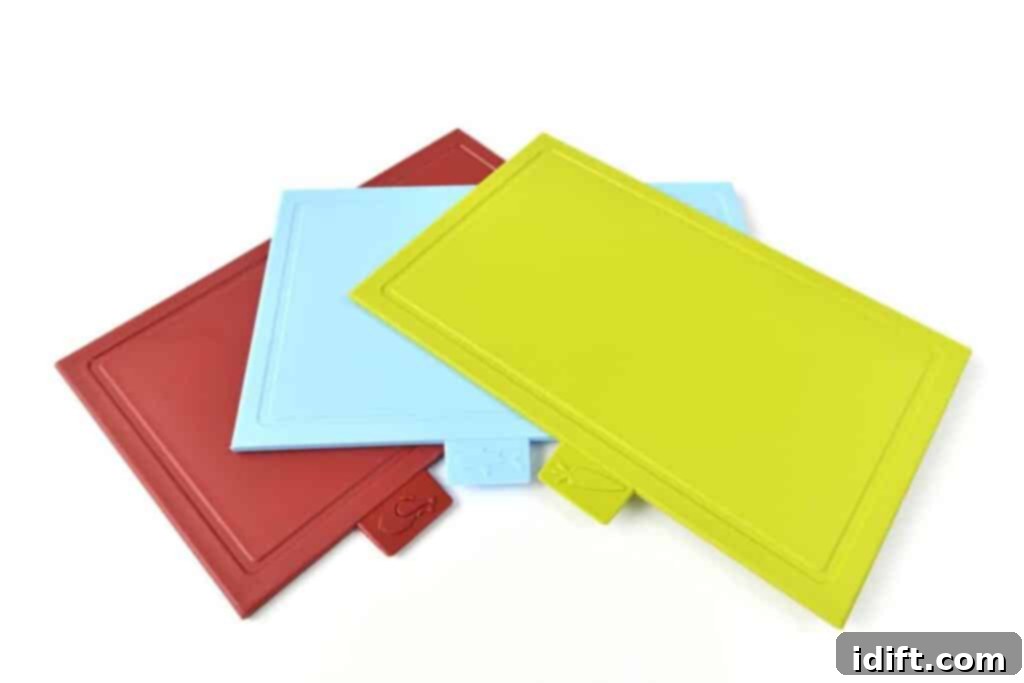
Plastic cutting boards, made from either virgin or recycled plastics such as high-density polyethylene (HDPE) or polypropylene, are ubiquitous in both home and professional kitchens. These lightweight boards come in a vast array of colors, shapes, and sizes, and their convenience often polarizes opinions – people tend to either love them for their practicality or dislike them for their environmental impact and perceived drawbacks.
Pros of Plastic Cutting Boards:
- Exceptional Hygiene and Ease of Cleaning: One of the most compelling advantages of plastic cutting boards is their non-porous surface and ability to be thoroughly sanitized. Most plastic boards are dishwasher safe, allowing for high-temperature washing and sanitization, which is crucial for preventing cross-contamination, especially when handling raw meats, poultry, and seafood. This makes them a preferred choice for preparing items that pose a higher risk of bacterial exposure.
- Non-Porous Surface: The non-porous nature of plastic prevents liquids and bacteria from soaking into the board, further enhancing hygiene.
- Lightweight and Easy to Store: Plastic boards are generally lightweight and thin, making them easy to handle, move, and store in tight kitchen spaces.
- Affordability: They are typically the most budget-friendly option, making them accessible for all kitchens.
- Color-Coding for Safety: Many professional kitchens utilize color-coded plastic boards (e.g., red for raw meat, green for vegetables) to prevent cross-contamination, a practice that can easily be adopted in home kitchens.
Cons of Plastic Cutting Boards:
- Environmental Concerns: Plastic is not an eco-friendly choice. While some boards are made from recycled plastic, the material itself contributes to plastic waste, and microplastics can be shed into food during cutting. Their disposal adds to landfill burden.
- Limited Lifespan: Once the cutting surface becomes deeply scored and develops knife grooves, plastic boards must be replaced. These grooves can harbor bacteria that are difficult to wash out, even in a dishwasher, diminishing their primary advantage of hygiene. Unlike wood or bamboo, they cannot be sanded down.
- Knife Wear: While softer than glass or marble, plastic boards are still harder than wood or bamboo and can contribute to dulling knives over time, especially with aggressive chopping.
- Stability Issues: The lightweight nature of many plastic boards can make them feel less stable on countertops, leading to slippage during use. This can be mitigated by placing a damp cloth underneath.
- Aesthetics: Plastic boards, particularly when worn, can look less appealing than their wooden counterparts and are generally not suitable for serving.
The Innovation of Composite Cutting Boards
Composite cutting boards represent a newer and increasingly popular option in the kitchenware market. These innovative boards are typically made from a blend of natural wood fibers (often from sustainably sourced trees) and a food-safe resin, pressed together under high heat and pressure. This combination aims to harness the best qualities of both natural and synthetic materials, offering a balance of durability, hygiene, and knife protection. When considering composite boards, it’s often true that “you get what you pay for,” so investing in a reputable brand is advisable.
Pros of Composite Cutting Boards:
- Highly Durable: Composite boards are remarkably tough and resistant to warping, cracking, and staining. They are built to withstand rigorous daily use.
- Non-Porous and Hygienic: The resin-bound surface makes composite boards completely non-porous, preventing the absorption of liquids, odors, and bacteria. This feature, combined with their ability to withstand high temperatures, makes many composite boards dishwasher safe, offering superior sanitization similar to plastic.
- Knife-Friendly: Unlike glass or marble, composite materials are designed to be kind to knife edges, causing minimal dulling. They strike a good balance between hardness for durability and softness for blade preservation.
- Eco-Friendly Options: Many composite boards proudly market themselves as plastic-free and are often made from eco-friendly recycled or recyclable wood fibers, appealing to environmentally conscious consumers. Brands like Epicurean are well-known for their commitment to sustainable materials.
- Minimal Maintenance: Beyond regular washing, composite boards require virtually no ongoing care like oiling, making them a low-maintenance choice.
- Heat Resistant: Many composite boards are heat resistant and can double as trivets for hot pots and pans.
Cons of Composite Cutting Boards:
- Material Transparency: The specific blend of wood fibers and resin can vary greatly between manufacturers. In some lower-end composite boards, the quality and exact composition of the resin may be questionable, raising concerns about its genuine non-toxic nature or true recyclability at the end of its lifespan. It can be challenging for consumers to verify “eco-friendly” claims without detailed information about the components.
- Cost: High-quality composite boards, especially from reputable brands, can be more expensive than plastic and comparable to some mid-range wooden boards.
- Aesthetics: While often sleek and modern, some may find the uniform appearance of composite boards less visually appealing or “natural” than the organic beauty of wood or bamboo.
Ksenia Prints from At the Immigrant’s Table shares, “I use different material cutting boards for different applications. I have a special resin board for meat, wood for vegetables and other things. The board I love is made by Victorinox, and it’s from the Epicurean Kitchen Series. Investing in a good cutting board is crucial for protecting your knives, and I would never use glass or marble.” This expert advice underscores the versatility of having different boards for different tasks and highlights the importance of knife protection, a key consideration for composite boards.
Why to Avoid Glass Cutting Boards
Glass cutting boards are occasionally found in kitchens, often chosen for their aesthetic appeal or ease of cleaning. However, it’s crucial to understand that glass boards are unequivocally the worst choice for a cutting surface in any functional kitchen. This section serves primarily as a warning against their use for food preparation.
Reasons to Avoid Glass Cutting Boards:
- Severe Knife Damage: Glass is an extremely hard, unforgiving surface. Every time your knife edge strikes a glass board, it dulls the blade significantly faster than any other material. Regular use will quickly ruin even the highest quality knives, necessitating constant sharpening and reducing their lifespan.
- Safety Hazard: The slick, non-porous surface of glass offers little resistance to a knife blade, increasing the risk of slips and accidents. A knife can easily glance off the hard surface, potentially leading to serious injury. This makes glass a poor choice for overall kitchen safety.
- Prone to Cracking and Chipping: Despite being tempered, glass boards are susceptible to cracking or chipping from impacts or temperature changes, which can create dangerous shards and render the board unusable.
- Noisy: The clatter of a knife against glass is unpleasant and jarring.
The best use for a glass board is purely decorative. They can function beautifully as home decor pieces, trivets for hot dishes, or elegant setting surfaces for a grazing board or cheese spread where no cutting directly on the board is required.
The Limited Utility of Marble Cutting Boards for Chopping
Similar to glass, marble cutting boards present a dilemma. While incredibly beautiful and often used in kitchen aesthetics, marble is also an exceptionally hard surface. As such, it shares the primary drawback of glass when used as a cutting surface: it will rapidly dull your knives, compromising their sharpness and lifespan. Therefore, for the purpose of chopping fruits, vegetables, or meats, marble boards are an unsuitable choice.
Ideal Uses for Marble Boards:
Despite their unsuitability for cutting, marble boards do have an intended and valuable culinary purpose in the kitchen:
- Pastry and Dough Work: Marble is a natural stone that retains a cool temperature very effectively. This property makes it an excellent surface for rolling out pie dough, cookie dough, puff pastry, and other delicate pastries. The cool surface prevents the butter or fat in the dough from melting too quickly, ensuring a flaky, tender result.
- Serving Platters: Marble’s luxurious appearance makes it perfect for presenting food. They serve as stunning backdrops for charcuterie boards, cheese boards, dessert displays, or even chilled appetizers, adding a touch of sophistication to any gathering.
- Keeping Foods Cool: Beyond dough, the cool temperature retention of marble can be used to keep cheeses, chocolates, or other temperature-sensitive items cool for longer during serving.
In summary, invest in marble for its beauty and specialized culinary applications like pastry making, but never for routine chopping tasks where it will inflict damage on your valuable knives.
Essential Tips for Using and Caring for Your Cutting Board
Once you’ve selected the perfect cutting board for your kitchen, understanding how to use it safely and maintain it properly is crucial for maximizing its effectiveness and lifespan. Regardless of the material, a few universal tips will enhance your food preparation experience and ensure kitchen safety:
- Choose the Right Size for the Task: Always match the board size to the task at hand. Carving a large holiday turkey demands a much larger surface than simply slicing an apple for a snack. A larger board provides more space for ingredients, reducing spills and increasing safety.
- Consider Space for Use and Storage: Before purchasing a large or uniquely shaped board, assess both the countertop space where you’ll be using it and the available storage space in your kitchen. A beautiful, oversized board quickly loses its appeal if it’s cumbersome to retrieve or store.
- Ensure Stability: A wobbly cutting board is a significant safety hazard. To prevent slippage, place a thin, damp towel or a non-slip mat underneath your board. This simple trick creates friction, helping the board stick securely to your countertop and increasing stability during vigorous chopping.
- Utilize Juice Grooves: Many cutting boards, especially those designed for carving meats or slicing juicy fruits like watermelon, feature a perimeter groove. When processing anything with excess liquid, orient the board so these juice grooves are facing up. They are designed to catch and retain liquids, preventing them from spilling onto your countertop and creating a mess or a slip hazard.
- Practice Cross-Contamination Prevention: For optimal hygiene, especially when dealing with raw meats and poultry, it’s highly recommended to use separate cutting boards. Dedicate one board for raw animal proteins and another for produce and cooked foods. This simple habit drastically reduces the risk of foodborne illnesses.
- Immediate Cleaning: Always clean your cutting board immediately after use. For wood and bamboo, hand-wash with hot, soapy water, rinse thoroughly, and dry upright to ensure air circulation. For plastic and composite boards (if dishwasher-safe), wash in the dishwasher or by hand.
- Regular Maintenance (Wood/Bamboo): For wooden and bamboo boards, regular oiling with food-grade mineral oil is essential to prevent drying, cracking, and splitting, and to maintain their natural beauty and protective qualities. Aim for once a month, or more frequently if the board appears dry.
- Proper Storage: Store boards in a way that allows air circulation, preventing moisture buildup which can lead to warping or mold. This could be upright in a drying rack or on a wall hook.
- When to Replace: Inspect your boards regularly. Deep grooves in plastic boards can harbor bacteria, making them difficult to sanitize. If your plastic board is heavily scarred, it’s time for a replacement. Severely warped, cracked, or splintered wooden or bamboo boards should also be replaced, or at least sanded down if the damage is superficial.
Choosing Your Perfect Cutting Board: A Personal Journey
Ultimately, the quest for the ideal cutting board is a deeply personal one, unique to you and your kitchen. There’s no single answer, but rather an informed decision-making process. By carefully weighing the pros and cons of each material—considering factors like their environmental impact, the required level of care, and their effect on the longevity of your knives—you can confidently narrow down your choices. Once you’ve identified the type of board that best aligns with your values and culinary demands, delve into your personal preferences, evaluate your kitchen space, and assess your specific cutting needs to select the perfect size, shape, and additional features. A thoughtfully chosen cutting board is more than just a kitchen accessory; it’s an investment that will transform meal preparation into a more manageable, enjoyable, and safer experience. Take the time to make an informed choice, and you’ll reap the rewards for countless meals to come.
This article originally appeared on Food Drink Life.