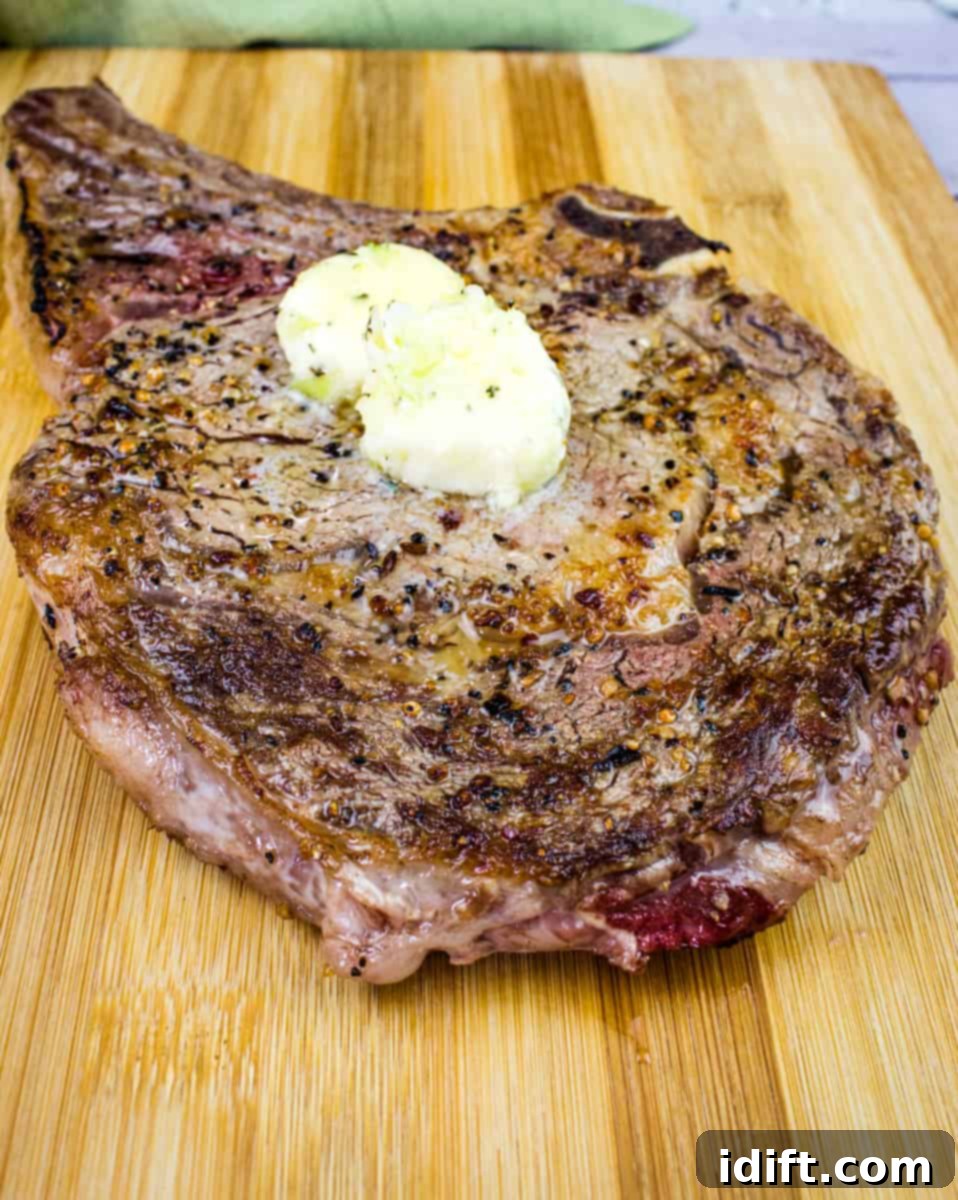
Prepare to transform your grilling experience and discover the secret to perfectly seared, incredibly flavorful steaks cooked right on your Blackstone griddle! Forget the traditional barbecue; once you master the art of griddle-searing, you’ll unlock a world of juicy, tender steaks with a beautiful crust that’s surprisingly easy and delightfully mess-free. Join me, Chef Jenn, as I share all my expert tips, tricks, and detailed steps to ensure your Blackstone steaks are restaurant-quality every single time. Get ready to impress your family and friends with steak perfection!
This post may contain affiliate link(s). As an Amazon Associate, I earn from qualifying purchases. See Disclosure.
Cooking steak on a Blackstone Griddle is a game-changer for any home chef. The flat-top surface provides an unparalleled searing capability, creating that coveted deep brown crust that locks in juices and enhances flavor. With plenty of melting fat and meat that remains tender and never overcooked, you’ll wonder why you ever cooked steak any other way. The even heat distribution and consistent temperature control of a griddle make it ideal for achieving steakhouse-quality results right in your backyard. Whether you’re a seasoned griller or new to the griddle world, mastering this technique will elevate your steak game to new heights, delivering consistently perfect outcomes that are both satisfying and easy to achieve.
What truly sets the Blackstone griddle apart for steak enthusiasts is its versatility. I particularly love that I can effortlessly cook steaks of any thickness – from thin, quick-searing cuts to thick, impressive ribeyes – all with precision. My 36-inch Blackstone offers ample space, allowing me to prepare a perfectly cooked meal for my family or easily scale up to feed a large gathering without compromising on quality or succulence. It’s more than just a cooking surface; it’s an outdoor culinary workstation that simplifies entertaining and everyday meals.
Why Choose a Blackstone Griddle for Your Steaks?
There are several compelling reasons why a Blackstone griddle outshines traditional grilling methods for cooking steak. Firstly, the solid, flat cooking surface provides 100% surface contact with the meat. This full contact ensures an exceptional sear, a phenomenon often referred to as the Maillard reaction, which is responsible for the rich, complex flavors and beautiful browned crust that steak lovers crave. Unlike grates, which leave grill marks but less overall surface area seared, the griddle creates a uniform, irresistible crust across the entire steak.
Secondly, the griddle allows for a truly mess-free cooking experience. All the flavorful drippings, butter, and seasonings stay right on the griddle surface, basting your steak and contributing to its succulent texture and deep flavor profile. This also means no flare-ups from dripping fat, leading to safer cooking and preventing burnt exteriors. Plus, cleanup is incredibly simple; a quick scrape and wipe are often all that’s needed.
Thirdly, a Blackstone griddle provides superior temperature control and even heat distribution. Most Blackstone models feature multiple heat zones, allowing you to create different temperature areas on the same surface. This is critical for achieving a perfect sear at high heat, then moving the steaks to a slightly cooler zone to finish cooking gently to your desired doneness without burning the exterior. This precision ensures tenderness inside and a crisp, flavorful crust outside, making every bite a delight. The robust build and high-BTU burners heat up quickly and maintain consistent temperatures, giving you complete command over your cooking process.
Finally, the sheer size and capacity of a Blackstone griddle are unmatched. Cooking for a crowd becomes effortless when you can sear multiple steaks simultaneously, alongside side dishes like onions or mushrooms, all on the same expansive surface. This makes it perfect for backyard parties, tailgating, or even just a big family dinner, allowing you to serve everyone hot, fresh, and perfectly cooked steaks at the same time.
Essential Equipment for Blackstone Griddle Steaks
To achieve culinary greatness with your Blackstone griddle, a few key pieces of equipment are indispensable. Having the right tools makes the cooking process smoother, more efficient, and guarantees the best possible results.
- Blackstone Griddle: This is the star of the show! My personal recommendation is always to go as big as your space allows. A larger griddle, like the 36-inch model, offers more cooking zones and surface area, which is incredibly beneficial when cooking multiple steaks or incorporating side dishes. You won’t regret having that extra space for searing, resting, and warming.
- Digital Meat Thermometer: This is your absolute best friend for perfectly cooked steak. Guessing doneness is a recipe for disaster; an accurate instant-read thermometer ensures your steak reaches the exact internal temperature you desire, preventing both undercooked and overcooked results. Consistency is key, and a reliable thermometer delivers it every time.
- High-Quality Steaks: The foundation of any great steak meal. See my detailed notes below on selecting the best cuts for griddle cooking.
- Montreal Steak Seasoning (or your preferred rub/spices): A good seasoning blend enhances the natural flavors of the beef. Montreal Steak Seasoning offers a robust mix of salt, pepper, garlic, and other spices, creating a fantastic crust. Feel free to experiment with your favorite blend, but always ensure it’s not too high in sugar, which can burn at high griddle temperatures.
- Herb Butter (Compound Butter): This is the secret ingredient that elevates your steak from great to unforgettable. See the section below for a simple guide to making your own luscious herb butter, which melts into the hot steak, infusing it with incredible aroma and moisture.
- Metal Spatulas or Tongs: Essential for handling and flipping your steaks safely and efficiently on the hot griddle surface.
- Squirt Bottle for Oil: A handy tool for evenly distributing cooking oil across the griddle surface, making it easy to manage and control the amount of fat you add.
Choosing the Best Steaks for Your Blackstone Griddle
The beauty of the Blackstone griddle is its adaptability; you can cook virtually any type of steak on it! From rich beef to game meats like bison, buffalo, and venison, the griddle’s consistent heat and searing capabilities are perfect. However, certain cuts truly shine on a flat top.
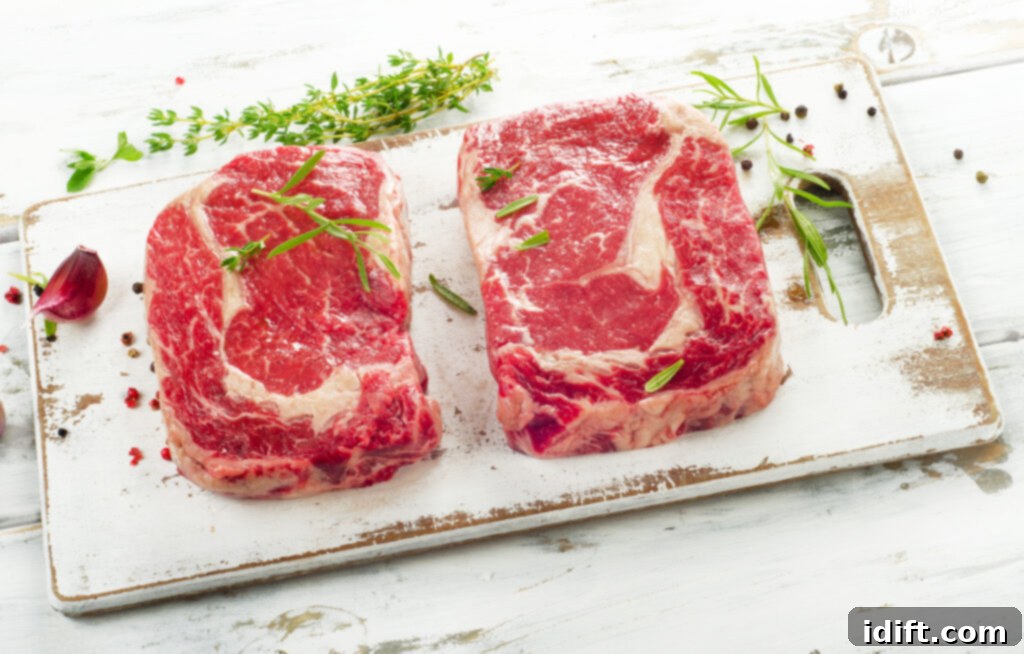
My absolute favorite steaks for the griddle are ribeyes. They are generously marbled with internal fat, which renders beautifully during cooking, keeping the meat incredibly juicy and tender. This marbling contributes immense flavor and helps create a fantastic crust without drying out the steak. The fat practically bastes the meat as it cooks, resulting in a profoundly satisfying experience.
Other excellent choices include:
- New York Strip: A leaner cut than a ribeye, but still with a good fat cap and excellent flavor. If you opt for a New York Strip, you might want to be a bit more generous with your cooking oil or butter to ensure it remains juicy throughout the cooking process.
- Filet Mignon (Tenderloin): Known for its incredible tenderness, though it is very lean. While delicious, it benefits greatly from a rich compound butter or a bacon wrap to add moisture and flavor on the griddle.
- Sirloin: A versatile and flavorful cut that’s more affordable. It cooks wonderfully on the griddle, offering a good balance of flavor and tenderness.
- Flank Steak or Skirt Steak: These thinner cuts are perfect for quick searing on the griddle. They absorb marinades exceptionally well and are fantastic for fajitas or stir-fries. Just remember their quick cooking time.
When selecting your steaks, always prioritize good marbling (the fine streaks of fat within the muscle). This internal fat melts as the steak cooks, moistening the meat from within and contributing significantly to both flavor and tenderness. Thickness also matters – aim for steaks that are at least 1 to 1.5 inches thick for a perfect balance of sear and juicy interior. Thicker cuts allow more control over internal doneness while still achieving that deep crust.
The Secret Weapon: What is Herb Butter (Compound Butter)?
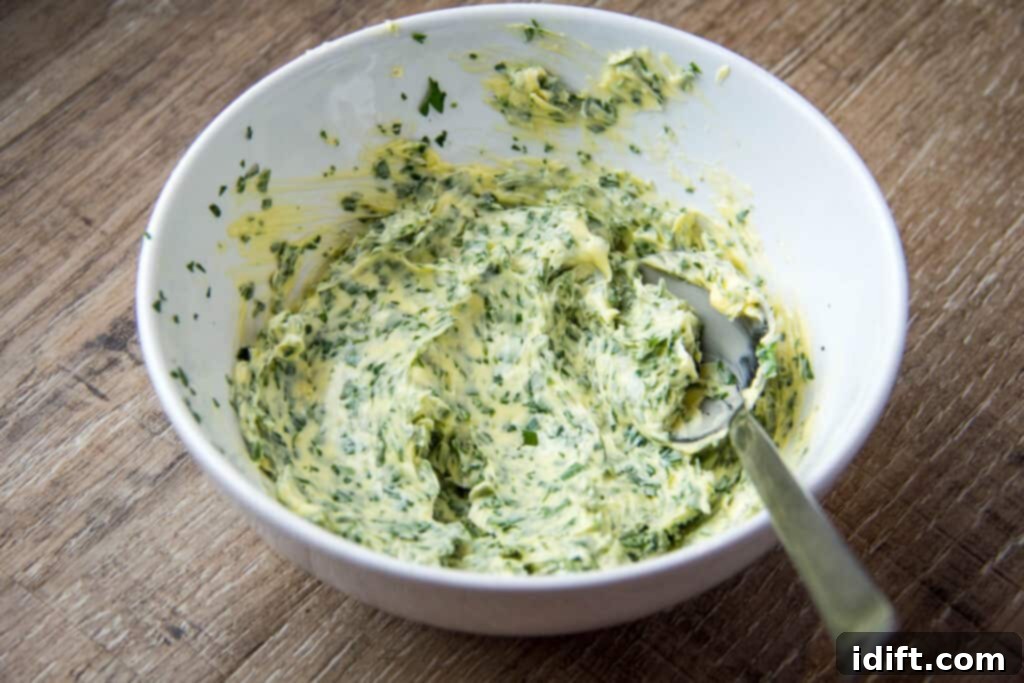
Herb butter, often referred to as compound butter, is a chef’s secret for infusing dishes with incredible flavor and richness, and it’s especially transformative for grilled or griddled steaks. It’s essentially softened butter mixed with various seasonings, herbs, and aromatics. When dolloped onto a hot steak, it melts slowly, basting the meat with its aromatic goodness and contributing to an unbelievably tender and juicy result.
Making your own herb butter is incredibly simple and allows for endless customization. Here’s how you do it:
- Gather Your Ingredients: Start with one stick (1/2 cup) of softened unsalted butter. Add a finely minced clove of garlic (or more, to taste) and about 2 tablespoons of dried herbs, or 1/4 cup of fresh herbs, finely chopped. Classic choices include rosemary, thyme, parsley, chives, or a combination. You can also add a pinch of salt and pepper, or a squeeze of lemon juice for brightness.
- Combine the Flavors: For the easiest method, combine the softened butter, minced garlic, and herbs in a small food processor. Pulse until all ingredients are thoroughly combined and evenly distributed. If you don’t have a food processor, simply mash everything together in a bowl with a fork until well mixed.
- Form and Chill: Scoop the flavored butter onto a piece of plastic wrap or parchment paper. Using the wrap as a guide, roll the butter into a log, about 1 inch thick. Twist the ends of the plastic wrap to seal it tightly.
- Refrigerate or Freeze: Place the butter log in the refrigerator for at least an hour, or until firm. Once chilled, you can easily slice off discs of this garlicky, herby butter as needed. It can be stored in the refrigerator for up to two weeks, or frozen for several months, making it a fantastic make-ahead component.
This type of butter is a true chef’s secret weapon because of its versatility. Don’t limit it to just steaks! Try it on grilled shrimp, slathered over roasted or steamed vegetables, melted into a baked potato, spread on garlic bread, or even tossed with pasta for a quick and flavorful sauce. It adds a gourmet touch to almost anything!
How To Make Steaks on a Blackstone Griddle: A Step-by-Step Guide
Follow these detailed instructions to achieve that perfect, crusty, and juicy steak on your Blackstone griddle every time.
- Preheat Your Blackstone Griddle: Begin by firing up your Blackstone griddle to high heat. Allow it a solid 10-15 minutes to come to temperature and heat evenly across the surface. A properly preheated griddle is crucial for an immediate and effective sear. If your griddle has multiple burners, use as many as needed to accommodate your steaks, ensuring there are a few inches of space between each steak for even cooking and easy flipping.
- Set the Temperature: For the initial searing phase, the Blackstone should be set to its highest temperature. This intense heat is what creates that beautiful, flavorful crust. Don’t worry, we’ll adjust it later to finish cooking without overdoing the exterior.
- Prepare Your Steaks: Pat your steaks thoroughly dry with paper towels. This step is critical! Any surface moisture on the steak will steam rather than sear, preventing the desired Maillard reaction and that delicious caramelized crust. Dry steaks sear much better and faster.
- Season Generously: Season your steaks liberally on all sides. For a 1-1.5 lb steak, about 1/2 tablespoon of Montreal Steak Seasoning (or your favorite blend) per side is a good starting point. This blend provides a robust flavor with salt, pepper, and garlic. If using a custom rub, be mindful of sugar content; high sugar can burn at extreme temperatures.
- Add Oil to the Griddle: Once the griddle is screaming hot, add a splash of high-smoke-point cooking oil (like canola, grapeseed, or avocado oil) to the cooking surface. Squirt bottles are fantastic for this, allowing for even distribution. You’ll know it’s ready when the oil begins to shimmer, indicating it’s reached the proper temperature for searing.
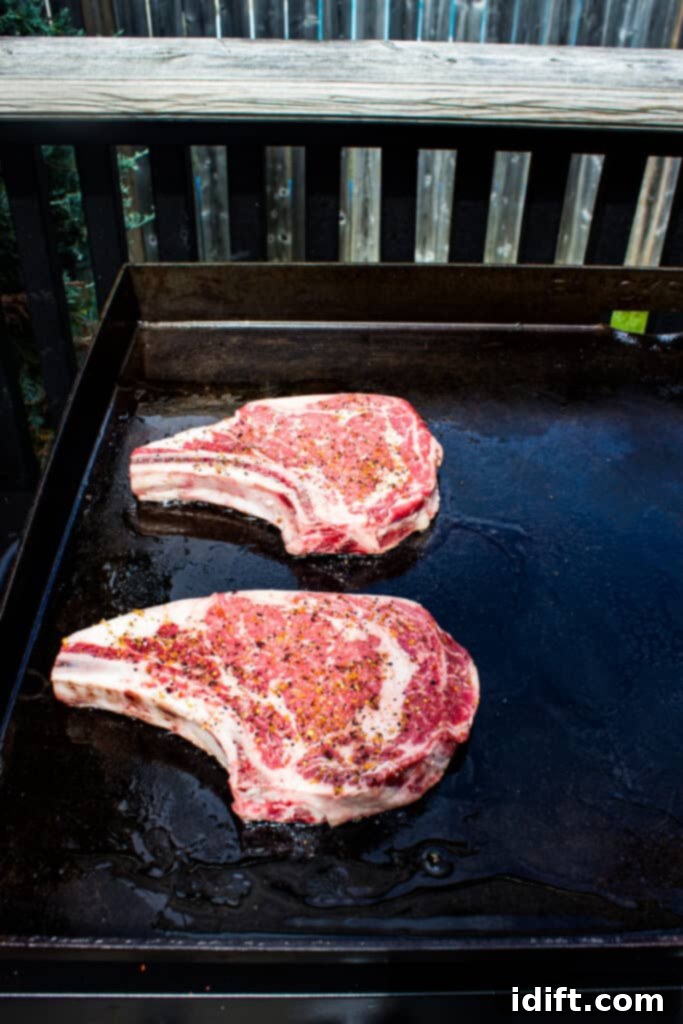
- First Sear: Carefully place your seasoned steaks onto the shimmering griddle surface. Resist the urge to move them! Let them sear undisturbed for a good 2-3 minutes. You should hear a vigorous sizzling sound – this is exactly what you want, as it means a crust is forming.
- Flip and Check for Release: Use tongs to gently lift one corner of a steak to check if it releases easily from the surface. If it seems to be sticking, it needs more time to develop its crust. A perfect sear will naturally release the steak from the griddle. Once released, flip the steaks over.
- Second Sear & Strategic Placement: After flipping, move the steaks slightly to a new, hotter spot on the griddle if possible. This ensures they get another excellent sear from a fresh, intensely hot area. Sear for another 2-3 minutes on this side.
- Adjust Heat and Continue Cooking: For thinner steaks (less than 1 inch), they might be close to done at this point. For thicker cuts, or if your steaks need more time to reach your desired doneness, reduce the Blackstone’s temperature to medium-low. Shift the steaks to a cooler zone on your griddle.
- Monitor Doneness with a Thermometer: Continue cooking the steaks over medium-low heat. This allows the internal temperature to rise gradually without overcooking the exterior. Crucially, use a digital meat thermometer to check their internal temperature periodically. Pull the steaks off the griddle when they are about 5 degrees Fahrenheit below your target doneness, as they will continue to cook slightly during resting. (See doneness chart below).
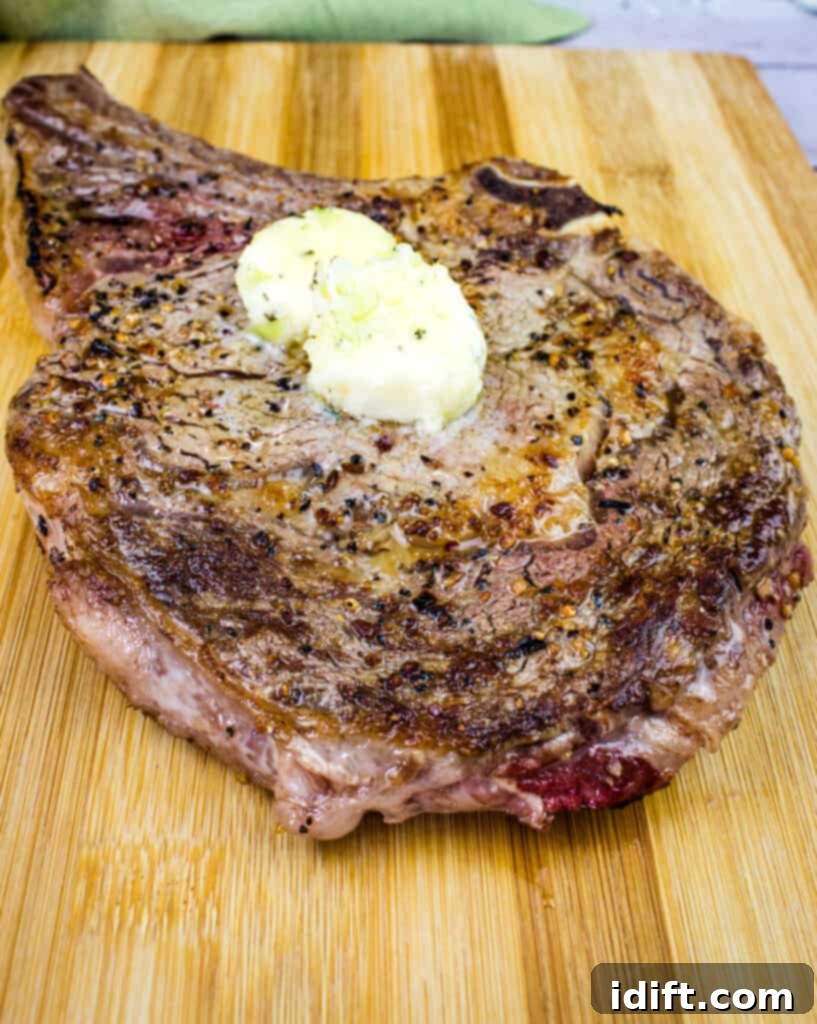
- Finish with Herb Butter & Rest: Once your steaks reach the desired internal temperature, remove them from the griddle. Immediately place about a tablespoon of that delicious herb butter on top of each steak. Let the butter melt into the hot meat as it rests. Resting is vital – tent the steaks loosely with foil and let them sit for 5-10 minutes. This allows the juices to redistribute throughout the meat, ensuring a tender, moist, and flavorful bite every time. Enjoy your perfectly cooked Blackstone steak!
How Do I Know My Steak is Cooked Perfectly? The Temperature Guide
Achieving the perfect doneness for your steak is a matter of precision, and a reliable digital meat thermometer is your ultimate tool. Remember that steaks will continue to cook slightly after being removed from the heat (this is called carry-over cooking), so always pull them off the griddle a few degrees below your target temperature. Here’s a handy chart:
| Doneness Level | Internal Temperature (Fahrenheit) | Characteristics |
| Rare | 120-125F | Cool red center, very tender. |
| Medium Rare | 125-130F | Warm red center, juicy and tender. (Often considered ideal for many cuts) |
| Medium | 135-140F | Warm pink center, slightly firmer. |
| Medium Well | 140-145F | Slightly pink center, firm. |
| Well Done | 150-160F | No pink, firm throughout, less juicy. |
For the most accurate reading, insert the thermometer into the thickest part of the steak, avoiding any bone or large pockets of fat.
What About Super Thin Steaks? Speed Griddle Searing
Super thin steaks, like those you might find sliced for cheesesteaks, fajitas, or sometimes sold in larger slabs at stores like Costco (which I often buy and slice myself into 1/4-inch to 1/3-inch pieces before vacuum sealing for quick dinners), are fantastic on the Blackstone griddle because they cook incredibly fast. The high, even heat of the griddle is perfect for achieving a rapid, intense sear without overcooking the delicate interior.
For these super-thin cuts, the technique is slightly different due to their minimal thickness. You’re aiming for maximum sear in minimal time:
- High Heat is Key: Ensure your griddle is screaming hot, just as you would for a thick steak.
- Minimal Cooking Time: Place the very thin steaks on the hot, oiled griddle and sear for just 1 minute on each side. The goal is to get a beautiful brown crust quickly.
- Immediate Doneness Check: Often, after a minute per side, your super-thin steak will be perfectly cooked to a medium-rare or medium. There’s usually no need to reduce the heat or move them to a cooler zone.
These thin slices are ideal for quick weeknight meals, stir-fries, steak tacos, or as part of a hearty salad. Their rapid cooking time makes them a convenient and delicious option when you’re short on time but still crave the rich flavor of griddle-seared steak.
Chef Jenn’s Pro Tips for Unforgettable Blackstone Griddle Steaks
Years of cooking on a griddle have taught me some invaluable lessons. Here are my top tips to ensure your Blackstone griddle steaks are nothing short of spectacular:
- Embrace the Fat! When buying steaks, don’t shy away from fat. Look for cuts with good internal marbling – those tiny, intricate streaks of white fat laced throughout the muscle. This marbling is crucial because it melts during cooking, self-basting the meat and making it incredibly juicy and flavorful. Large layers of fat on the outside of the steak mostly add weight and price; focus on the marbling within.
- Source Quality Beef: Where you buy your steaks matters. Retailers like Costco often sell Choice grade beef, which typically has more marbling and better flavor than the Select grade beef commonly found in many grocery stores. Investing in higher-quality meat will always pay off in taste and texture.
- Always Rest Your Steaks: This cannot be overstated. After removing your steaks from the griddle, resist the urge to cut into them immediately. Instead, transfer them to a cutting board, tent them loosely with foil, and let them rest for 5-10 minutes (depending on thickness). This allows the internal juices, which have been pushed to the center during cooking, to redistribute throughout the entire steak, resulting in a much juicier, more tender, and less messy cut.
- Thoroughly Preheat Your Griddle: Patience is a virtue when it comes to griddle cooking. Give your Blackstone griddle ample time – at least 10-15 minutes – to heat up completely. A cold or insufficiently hot griddle will fail to create a proper sear, leading to dull, gray steaks rather than a beautifully caramelized crust.
- Customize Your Compound Butter: Don’t be afraid to get creative with your herb butter. Mix and match your favorite herbs, whether dried or fresh, to create unique flavor profiles. Consider adding finely minced shallots, a dash of Worcestershire sauce, or even a pinch of chili flakes for an extra kick. The possibilities are endless, and it’s a simple way to personalize your steak.
- Trust Your Digital Thermometer: The only way to truly guarantee your steak is cooked to your preferred doneness is by using a digital meat thermometer. Don’t rely on the “poke test” or visual cues alone, especially when you’re aiming for consistent results. It takes the guesswork out of cooking and ensures perfect results every time.
- Experiment with Reverse Searing (Sous Vide Method): If you own a sous vide machine, consider sous viding your steaks first to your target internal temperature, then finishing them with a high-heat sear on your Blackstone griddle. This “reverse sear” technique ensures unparalleled tenderness and precise doneness throughout the steak, followed by a magnificent crust. It’s a combination that truly yields delish results!
What To Serve With Blackstone Seared Steaks: Inspired Pairings
A perfectly cooked Blackstone seared steak deserves equally delicious accompaniments. While classic steakhouse sides like baked potatoes, creamed spinach, and fried mushrooms are always a hit, don’t hesitate to mix things up and explore new flavor combinations. Here are some recommendations to complement your griddle-cooked masterpieces:
- Easy Corn Fritters: Crispy on the outside, soft on the inside, these corn fritters offer a delightful textural contrast and a touch of sweetness that pairs beautifully with savory steak.
- Creamed Corn: A rich and comforting side, creamed corn adds a creamy, sweet element that balances the robust flavor of the beef.
- Smoked Mac and Cheese with Bacon Crumb Topping: Indulge in a hearty, smoky, and cheesy mac and cheese. The bacon crumb topping adds an irresistible crunch and extra layer of flavor.
- Garlic Shrimp Scampi: Surf and turf, anyone? The bright, garlicky flavor of shrimp scampi provides a fantastic counterpoint to the rich steak, making for an elevated dining experience.
- Au Gratin Potato Stacks: Individual portions of creamy, cheesy potatoes baked to perfection. These elegant stacks are a sophisticated alternative to traditional mashed or baked potatoes.
- Grilled Asparagus or Broccolini: Quickly grilled on the griddle alongside your steaks, these vibrant green vegetables offer a fresh, slightly smoky, and healthy balance.
- Caramelized Onions and Mushrooms: Easily cooked on the same griddle as your steaks, these savory additions provide an umami-rich topping that enhances the steak’s natural flavors.
- Skip the Herb Butter and Use Bourbon BBQ Sauce: For a completely different but equally delicious flavor profile, try serving your steaks with a robust, smoky, and slightly sweet homemade Bourbon BBQ sauce. This adds a bold whollop of flavor!
How To Store and Repurpose Leftover Steaks
Ideally, you won’t have any leftover steak to worry about, but if you do, don’t let it go to waste! Proper storage and reheating techniques can ensure it remains delicious, or even inspire new meals.
For immediate consumption, wrap leftover steak tightly in plastic wrap or aluminum foil and store it in an airtight container in the refrigerator for 3-4 days. When reheating, the key is to do it slowly and gently to avoid overcooking and drying out the meat. You can warm it in a pan on the stovetop over very low heat, adding a splash of broth or water to create steam and maintain moisture. Alternatively, you can use the griddle itself on its lowest setting, turning the steak frequently. Remember, leftover steak doesn’t *have* to be piping hot! It’s absolutely delicious served cold or at room temperature on a salad, in a sandwich, or sliced thinly for an impromptu steak and egg breakfast.
Technically, you CAN freeze leftover steak. To protect its quality, I highly recommend vacuum sealing it before freezing. This prevents freezer burn and maintains flavor for up to 3 months. Thaw it in the fridge overnight. While reheating frozen and thawed steak, it will inevitably cook a bit further, making it less tender. For this reason, consider slicing it thinly and serving it with a flavorful gravy, a rich sauce, or incorporating it into dishes like stir-fries, quesadillas, or hearty pasta dishes where its texture will be less critical.
Frequently Asked Questions: Blackstone Steak Edition
Absolutely, unequivocally YES! Cooking steaks on a Blackstone griddle results in an incredible sear and a succulent interior, making them just as good, if not better, than traditional grilled steaks. When you add a dollop of compound butter, the flavors reach new heights, creating a truly memorable meal. The even heat and full surface contact mean consistent perfection.
If you enjoy outdoor cooking and have the space, a Blackstone griddle is a fantastic investment! Think of it as a giant, incredibly versatile cast iron pan. It allows you to cook entire meals outdoors without heating up your kitchen, and with significantly less mess than indoor cooking. For breakfast, you can effortlessly prepare a feast of pancakes, sausage, bacon, and eggs all at once. Lunch is simplified by cooking multiple grilled cheese sandwiches or smash burgers simultaneously. Dinners become a snap, from stir-fries to fajitas to these amazing steaks. It’s not just a cooking appliance; it’s a hub for fun, communal outdoor dining.
While some extreme searing methods exist for frozen steaks, I generally do not recommend cooking a fully frozen steak on a Blackstone griddle for home cooks. The high heat of the griddle will quickly sear the outside, but the inside of the steak will remain cold or even frozen, leading to an unevenly cooked, tough, and potentially unsafe result. It’s best to plan ahead and allow your steaks to thaw completely in the refrigerator overnight. For best results, bring your steaks to room temperature for about 30 minutes before cooking to promote even heating and a better sear.
Yes, absolutely! While some steaks have enough fat to render, adding a high-smoke-point cooking oil (like canola, grapeseed, or avocado oil) to the griddle surface before placing your steaks is essential. The oil helps create a better non-stick surface, promotes a more even and deeper sear, and transfers heat efficiently to the steak. It also contributes to the overall flavor and helps develop that beautiful crust. Just a splash is often enough to coat the hot surface.
Cleaning your Blackstone griddle immediately after cooking while it’s still warm is the easiest method. First, scrape off any food debris and excess fat into the grease trap using a metal scraper. Next, pour a small amount of water onto the warm surface; it will sizzle and help lift any stuck-on bits. Scrape again, then wipe the griddle clean with paper towels. Once clean and dry, apply a very thin layer of cooking oil to re-season the surface and protect it from rust until its next use. This quick routine keeps your griddle in prime condition.
More Delicious Recipes to Explore
If you loved cooking steaks on your Blackstone, you might enjoy these other fantastic recipes that are perfect for outdoor cooking or complement a hearty meal!
Print
Pin
Perfect Seared Steaks on the Blackstone Griddle
Equipment
- Blackstone Griddle (36-inch recommended)
- Squirt Bottle (for oil)
- Digital Instant-Read Meat Thermometer
- Metal Tongs or Spatula
Ingredients
- 4 steaks (e.g., ribeye, New York strip, or sirloin), about 1 to 1.5 inches thick and 1.5 lbs total
- 2 tablespoons Montreal steak seasoning (or your favorite dry rub)
- 2 tablespoons High-smoke-point cooking oil (e.g., canola, grapeseed, or avocado oil)
- 4 tablespoons Homemade compound butter (such as garlic herb butter)
Instructions
- Preheat the Griddle: Fire up your Blackstone griddle to high heat. Allow it a generous 10-15 minutes to fully preheat and heat evenly across the entire surface. This initial high temperature is crucial for a successful sear. Use multiple burners if cooking several steaks, ensuring a few inches of space between each steak.
- Dry and Season Steaks: While the griddle heats, thoroughly pat your steaks dry on all sides using paper towels. Moisture is the enemy of a good sear! Liberally season your steaks with the Montreal steak seasoning (or your chosen rub), ensuring an even coat on both sides and edges.
- Add Oil to Griddle: Once the griddle is scorching hot and you see a slight shimmer, squirt about 1-2 tablespoons of high-smoke-point cooking oil onto the cooking surface, spreading it lightly with your spatula or paper towel.
- First Side Sear: Carefully place the seasoned, dry steaks onto the oiled griddle. Do not move or touch them for 2-3 minutes. You should hear a vigorous sizzle, indicating a strong sear is forming. Resist the urge to peek or move!
- Flip and Second Side Sear: Use tongs to gently lift a steak to check if it releases easily. If it sticks, give it another 30-60 seconds. Once released, flip the steaks over. For an even better sear, slightly shift the flipped steaks to an adjacent, fresh hot spot on the griddle. Sear for another 2-3 minutes on this second side.
- Adjust Heat and Finish Cooking: After both sides have a good sear, reduce the griddle temperature to medium-low. For thinner steaks (under 1 inch), they might be close to done. For thicker steaks, move them to a cooler zone on the griddle. Continue cooking, flipping occasionally, until they reach your desired internal temperature.
- Monitor with Thermometer: Use a digital meat thermometer to check the internal temperature in the thickest part of the steak. Remove steaks when they are about 5 degrees F below your target doneness (see chart above) to account for carry-over cooking.
- Rest and Serve: Transfer the cooked steaks to a clean cutting board. Immediately place about a tablespoon of compound butter on top of each steak. Tent loosely with foil and let them rest for 5-10 minutes. This resting period is essential for the juices to redistribute, ensuring a tender and juicy result. Slice against the grain and enjoy!
A Note on Nutritional Information
Nutritional information for this recipe is provided as a courtesy and is calculated based on available online ingredient information. It is only an approximate value. The accuracy of the nutritional information for any recipe on this site cannot be guaranteed.