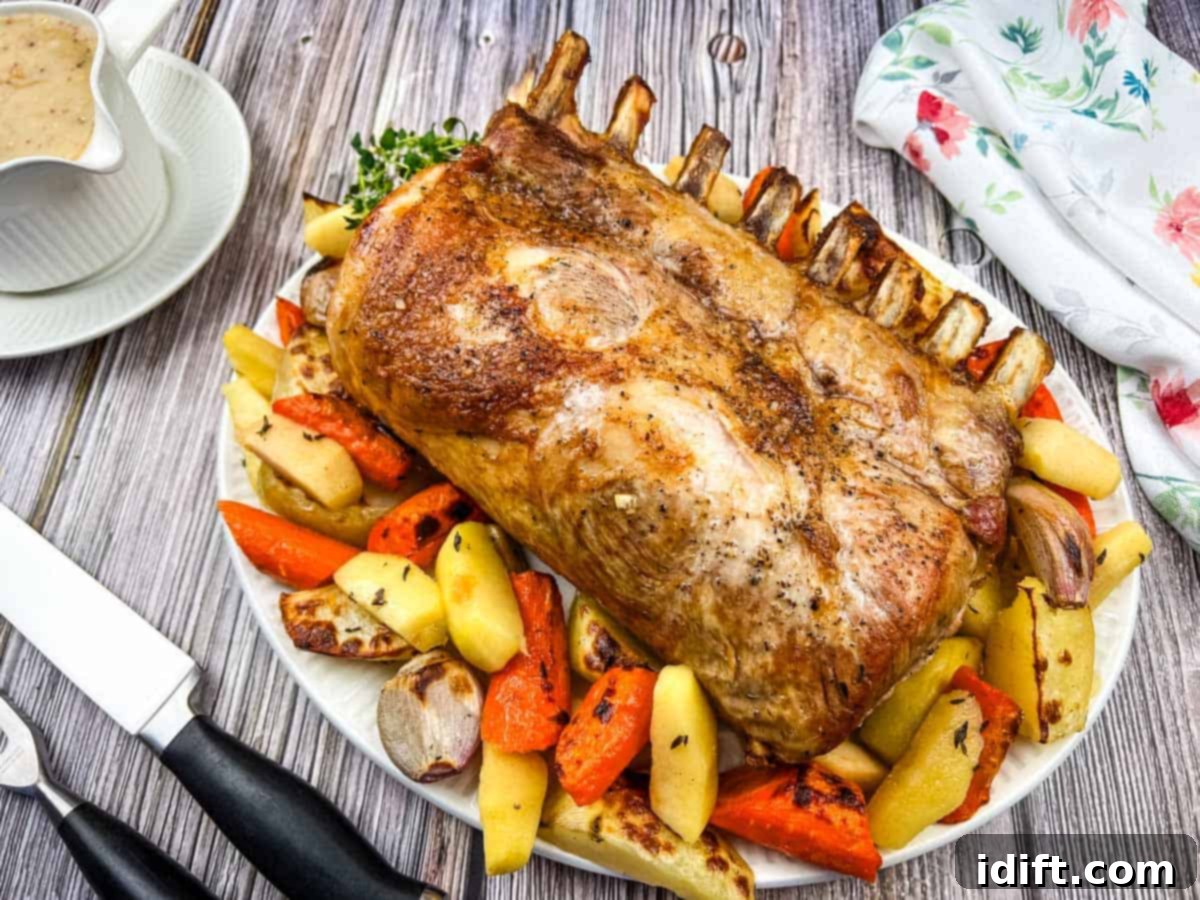
Once celebrated for their unparalleled simplicity and promise of minimal cleanup, sheet pan dinners appear to be experiencing a subtle decline in popularity within the dynamic landscape of modern home cooking. This shift isn’t an indictment of their inherent utility but rather a reflection of evolving culinary preferences, a renewed focus on specific cooking techniques, and a burgeoning desire for diverse and authentic flavors in the home kitchen. While the allure of tossing ingredients onto a single sheet and sliding it into the oven remains, a closer examination reveals several factors contributing to their waning prominence among today’s cooking enthusiasts.
The initial appeal of sheet pan dinners was undeniably strong. The vision of a complete, nutritious meal—protein, vegetables, and often a starch—effortlessly cooked together on one pan, followed by minimal washing-up, was a dream for busy households. However, the reality often fell short of this idyllic scenario. A common frustration among home cooks is the challenge of achieving even cooking. Different ingredients, from delicate vegetables to dense root crops and various proteins, possess distinct cooking times and temperature requirements. This often leads to overcooked greens or undercooked chicken, rendering the “one-pan perfection” somewhat elusive. Furthermore, the promise of a single pan for cleanup frequently proves to be an exaggeration. The truth is, preparing a sheet pan meal typically involves a medley of cutting boards, mixing bowls, and often additional pots or skillets for searing components or preparing complementary sauces, thereby negating a significant portion of the promised convenience.
Beyond these practical shortcomings, a more profound shift in culinary trends is at play. Many home cooks are moving away from the purely utilitarian approach and embracing more engaged, interactive, and rewarding cooking practices. This renewed passion for the culinary arts sees individuals exploring methods that offer greater control, deeper flavors, and a more satisfying cooking experience. Among these emerging trends are pellet grilling and smoking, the timeless art of cast-iron cooking, and a resurgence in the comforting simplicity of slow cooker fare, each offering distinct advantages over the straightforward sheet pan method.
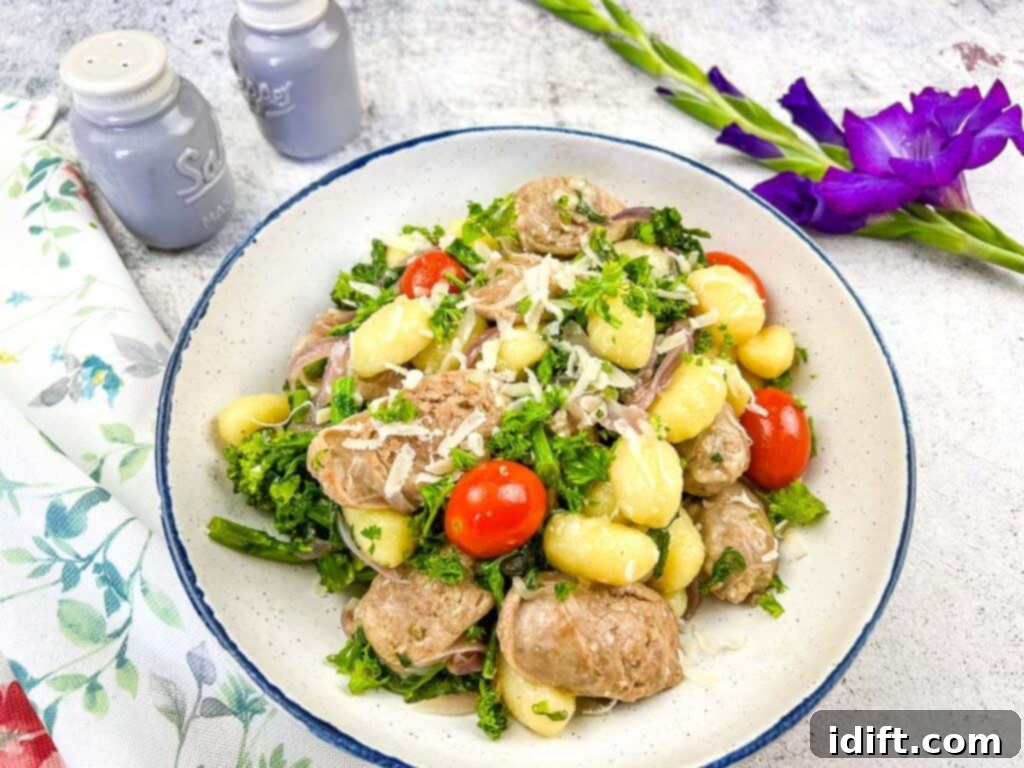
The Evolution of Home Cooking: Beyond the Sheet Pan
The culinary journey within home kitchens is constantly evolving. What was once considered innovative and convenient eventually makes way for new techniques and technologies that capture the imagination of food lovers. Sheet pan dinners, though fundamentally sound in their concept, have found themselves at a crossroads as home cooks seek richer experiences and more specialized outcomes from their meal preparation. The shift reflects a desire for craftsmanship, a deeper connection to the food being prepared, and an expansion of one’s culinary repertoire.
Embracing Engaged and Specialized Cooking Methods
One of the primary drivers behind the decline of sheet pan dinners is a growing inclination towards cooking practices that require more engagement and offer a greater sense of accomplishment. Cooking is increasingly viewed not just as a chore but as a hobby, a form of self-expression, and even a social activity. This perspective naturally leads individuals to explore methods that involve nuanced techniques, precise temperature control, and the opportunity for creative experimentation.
For instance, the burgeoning popularity of **pellet grills and smokers** signifies a desire for deep, complex flavors that can only be achieved through low-and-slow cooking processes. These versatile appliances allow home cooks to infuse meats and vegetables with authentic smoky essences, transforming everyday ingredients into extraordinary meals. Think of the rich, tender results of smoked steaks, the incredible depth of flavor in smoked pulled pork that falls apart with a fork, or the surprising deliciousness of smoked vegetables. These methods elevate cooking to an art form, providing a rewarding experience that a simple sheet pan cannot replicate.
Similarly, **cast-iron cooking** offers a robust and tactile experience. Known for its exceptional heat retention and even cooking, cast iron skillets and Dutch ovens are perfect for achieving a beautiful sear on meats, developing rich pan sauces, or baking rustic breads. The ability to transition seamlessly from stovetop to oven makes cast iron incredibly versatile, appealing to those who value durability and consistent, professional-level results. The distinct crust on a perfectly cooked steak or the tender interior of a braised dish cooked in cast iron speaks to a level of culinary mastery that goes beyond the simplicity of a sheet pan.
Even the humble **slow cooker** has seen a significant resurgence. While also hands-off, it specializes in tenderizing tougher cuts of meat and blending flavors over extended periods, producing comforting stews, chili, and braised dishes with minimal effort but maximum taste impact. This method excels where sheet pans falter: in creating deeply flavored, moist, and fall-apart tender meals that are impossible to achieve with high-heat roasting.
Craving Authentic and Diverse Global Cuisines
Modern palates have grown increasingly adventurous. With unprecedented access to international ingredients, global recipes, and culinary inspiration through media and travel, there’s a heightened desire among home cooks to replicate authentic, diverse cuisines in their own kitchens. Sheet pan dinners, by their very nature, often struggle to accommodate the complexity, layering of flavors, and specific cooking techniques characteristic of many traditional world dishes.
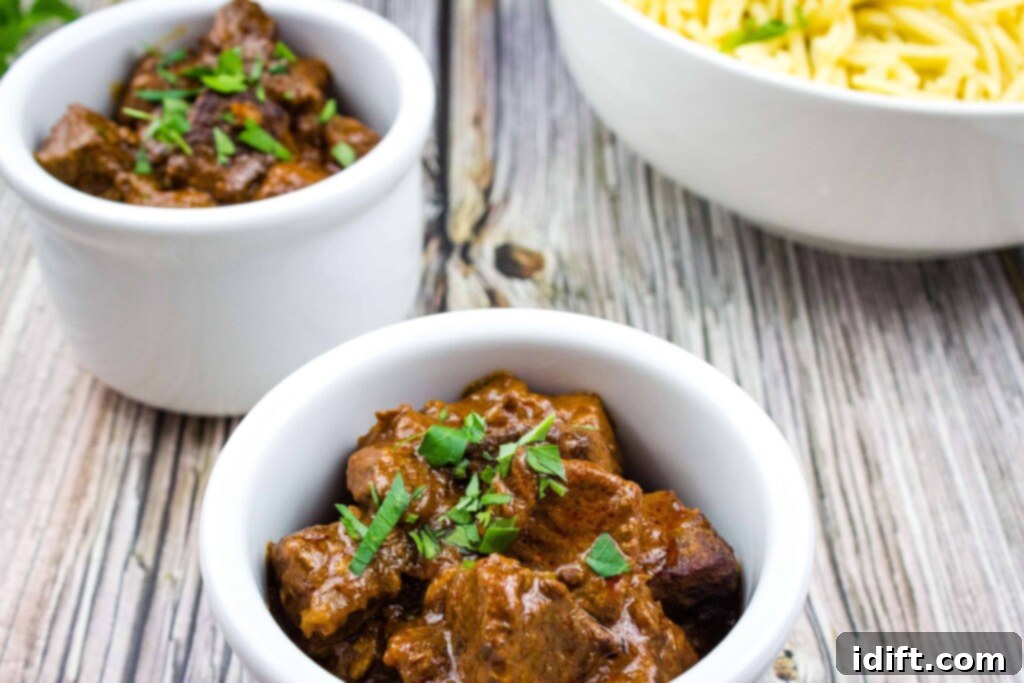
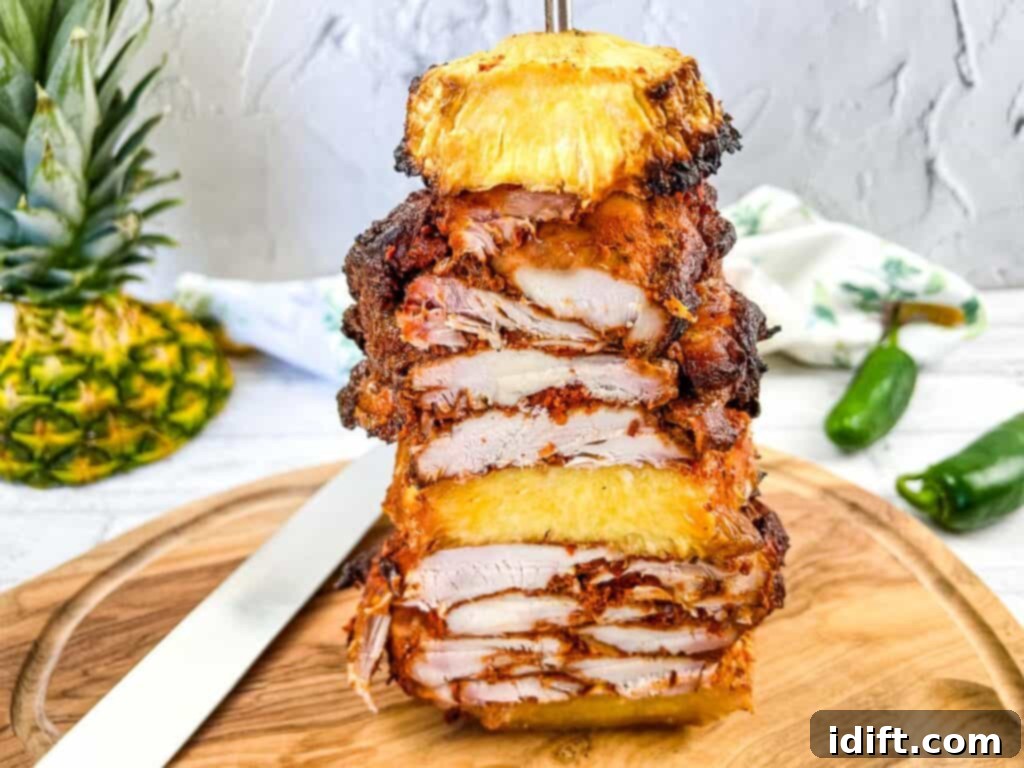
Authenticity in cuisine often demands precise cooking environments, varied temperatures for different components, and specialized equipment. For instance, creating a truly authentic Hungarian Goulash requires slow simmering in a heavy pot or Dutch oven, allowing the flavors of paprika, meat, and vegetables to meld over hours, a process incompatible with a sheet pan. Similarly, preparing Al Pastor Chicken authentically involves vertical roasting on a spit, ensuring even cooking and a distinct char that contributes significantly to its signature flavor profile. These dishes are celebrated not just for their ingredients but for the traditional methods that unlock their true potential, methods that a single flat baking sheet simply cannot replicate.
The Visual Appeal: Presentation as a Priority
In the age of social media, the visual appeal of food has become almost as crucial as its taste. Platforms like Instagram and TikTok have fostered a culture where home cooks aspire to create dishes that are not only delicious but also aesthetically pleasing and “shareable.” This emphasis on presentation has inadvertently highlighted a limitation of many sheet pan dinners.
While practical, the one-pan cooking method often results in a somewhat homogenous appearance, with ingredients tending to meld together rather than standing out distinctly. This can lack the vibrant contrast, careful arrangement, and deliberate plating that many modern cooks strive for. The distinct separation of components, the judicious use of garnishes, and thoughtful plating are integral to creating a visually impactful meal. For home chefs who view cooking as an artistic outlet, the aesthetic constraints of a typical sheet pan meal can be a drawback, leading them to prefer methods that allow for greater creative control over the final presentation.
Adapting to Evolving Health and Diet Trends
The contemporary focus on health, wellness, and personalized nutrition has significantly influenced home cooking choices. With a growing emphasis on fresh, whole foods, plant-based diets, and specialized eating plans, the inherently generalized approach of sheet pan dinners may not always align with these specific dietary requirements. Modern cooks often prioritize customized meal preparation that allows for precise control over ingredients, portion sizes, and macronutrient ratios.
For individuals following specific dietary frameworks such as keto, paleo, vegan, gluten-free, or low-FODMAP, the “throw-it-all-on-one-pan” method can present challenges. It can be difficult to prevent cross-contamination of allergens, manage varying fat or carb content among different ingredients, or ensure that all components adhere strictly to a particular dietary philosophy when everything is cooked together. The desire for greater control over dietary intake and the nuanced needs of individual health goals often leads home cooks to favor methods that allow for more precise ingredient segregation and preparation, ensuring that each component of their meal perfectly aligns with their health objectives. For example, a customized Keto Pizza Casserole offers specific ingredient choices for dietary adherence, something a general sheet pan meal struggles to replicate effectively.
Conclusion: The Evolving Narrative of Home Cooking
While sheet pan dinners may no longer hold the trendsetting status they once did, their foundational value of convenience and simplicity undeniably ensures them a continuing role in the repertoire of home cooks. However, their declining trendiness is a clear indicator of a broader, more sophisticated evolution in how we approach and experience food preparation at home. The modern home cook is increasingly discerning, valuing engagement over mere efficiency, authenticity over generic convenience, visual appeal alongside flavor, and personalized health benefits above all else.
This culinary shift reflects a deeper engagement with food—a desire to understand its origins, master its preparation, and present it beautifully. As culinary trends continue to weave their intricate tapestry, it’s natural for certain practices to ebb and flow in popularity. The narrative of home cooking is dynamic, constantly adapting to new technologies, global influences, and shifting lifestyles. While sheet pan dinners might not be the flavor of the month, the future may well see their revival in new, adapted forms, perhaps incorporating smart cooking technologies or tailored to specialized dietary needs, proving that in the world of food, good ideas never truly disappear, they simply evolve.