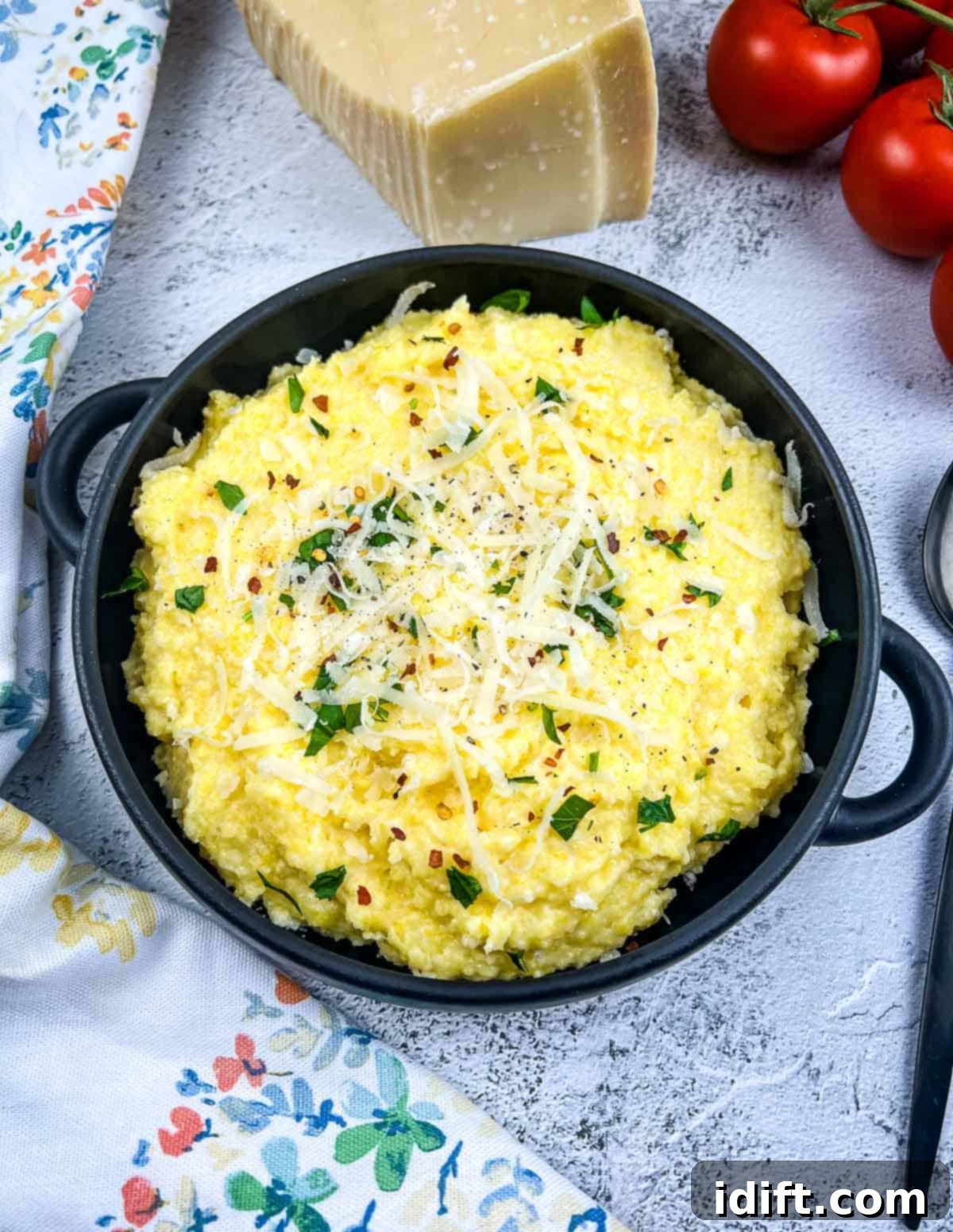
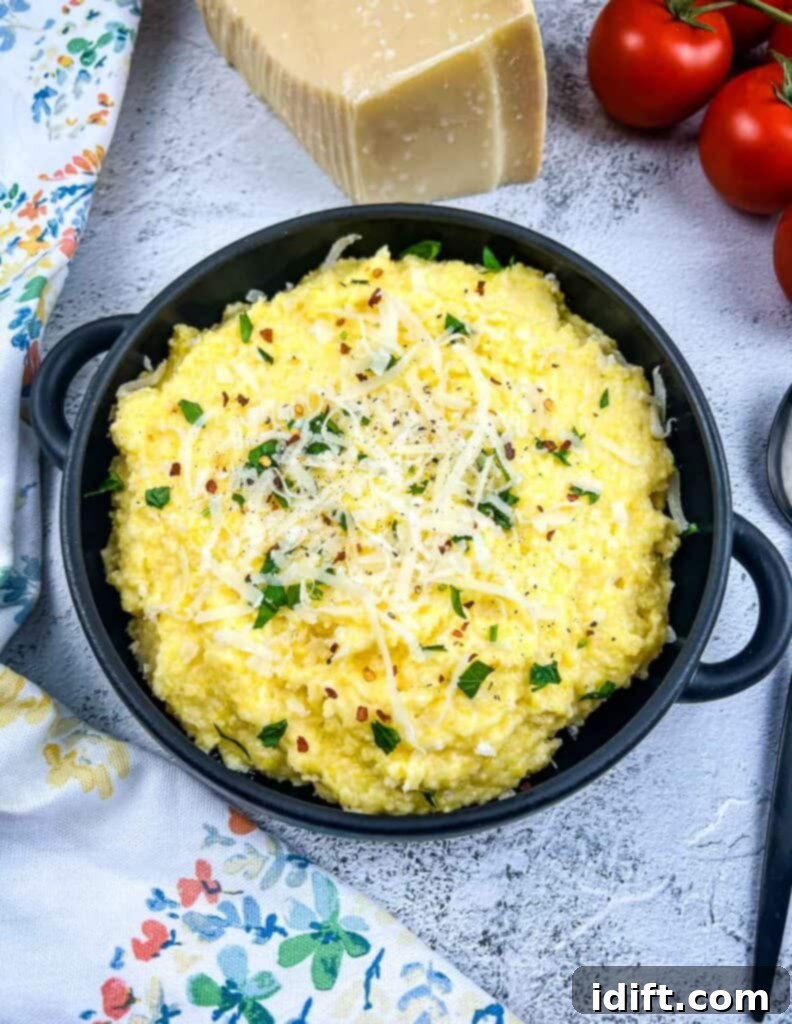
Welcome to my kitchen! I’m Jenn, a retired chef with over two decades of experience creating memorable dishes, and today I’m thrilled to share a secret indulgence with you: Polenta with Mascarpone. This isn’t just any side dish; it’s a remarkably easy yet incredibly luxurious recipe that many restaurants prefer you don’t master at home. But fear not! I’m here to guide you through every step to create this velvety, cheesy, and intensely flavorful Italian classic. Perfectly paired with robust roasted meats, delicate grilled shrimp, or rich, slow-cooked ragus, this creamy polenta will elevate any meal to a gourmet experience, making it a standout addition to your culinary repertoire.
This post may contain affiliate link(s). As an Amazon Associate, I earn from qualifying purchases. See Disclosure.
Understanding Polenta: A Culinary Journey from Humble Origins to Gourmet Delight
At its very essence, polenta is a deceptively simple dish: coarsely ground cornmeal cooked slowly with liquid until it transforms into a creamy, comforting staple. Originating from Northern Italy, polenta was once considered “peasant food,” a testament to its affordability and nourishing qualities. Historically, it was made from various grains like farro, millet, or chickpeas before corn was introduced to Europe in the 16th century. Once corn became prevalent, it quickly became the grain of choice, giving us the vibrant yellow polenta we know today.
This versatile dish can be served soft and spoonable, ideal for soaking up rich sauces, or allowed to cool and firm up, then sliced, grilled, or fried. While its humble beginnings are part of its charm, polenta has firmly cemented its place on the tables of gourmet restaurants worldwide. Once you master the art of cooking it properly, with its characteristic silky texture and deep corn flavor, you’ll understand why it’s celebrated and why you’ll never settle for bland sides again. It’s a foundational element of Italian comfort food, offering endless possibilities for pairing and flavor enhancement.
I’ve prepared polenta in countless ways over my career, from rustic, thick versions to refined, airy preparations. Each iteration offers something unique, but the addition of mascarpone cheese truly elevates this dish to a whole new level. It infuses the polenta with an ethereal creaminess and a subtle richness that makes it utterly irresistible and undoubtedly one of my absolute favorite methods to prepare it. It’s the secret ingredient that transforms a simple cornmeal dish into a luxurious experience.
Discovering Mascarpone: The Italian Cream Cheese Secret
Mascarpone is a luxurious Italian cheese that sets itself apart with its incredibly rich, velvety texture and subtly sweet, buttery flavor. Unlike many other cheeses, mascarpone is made from whole cream, which is coagulated with a natural acidic agent like citric acid or acetic acid, rather than rennet. This process results in a high-fat content cheese that is exceptionally smooth and spreadable, with a consistency akin to very thick, rich cream.
While mascarpone is most famously known as a key ingredient in classic Italian desserts like tiramisu, its versatility extends far beyond the sweet realm. When incorporated into savory dishes, such as this creamy polenta recipe, it performs culinary magic. It doesn’t overpower other flavors but instead enhances them, contributing a delightful richness and an almost ethereal creaminess without being heavy. It melts seamlessly into hot dishes, creating a luscious texture that transforms the ordinary into the extraordinary. The subtle tang helps to balance the sweetness of the cornmeal, making for a truly harmonious and unforgettable side dish.
Why You’ll Adore This Creamy Polenta with Mascarpone Recipe
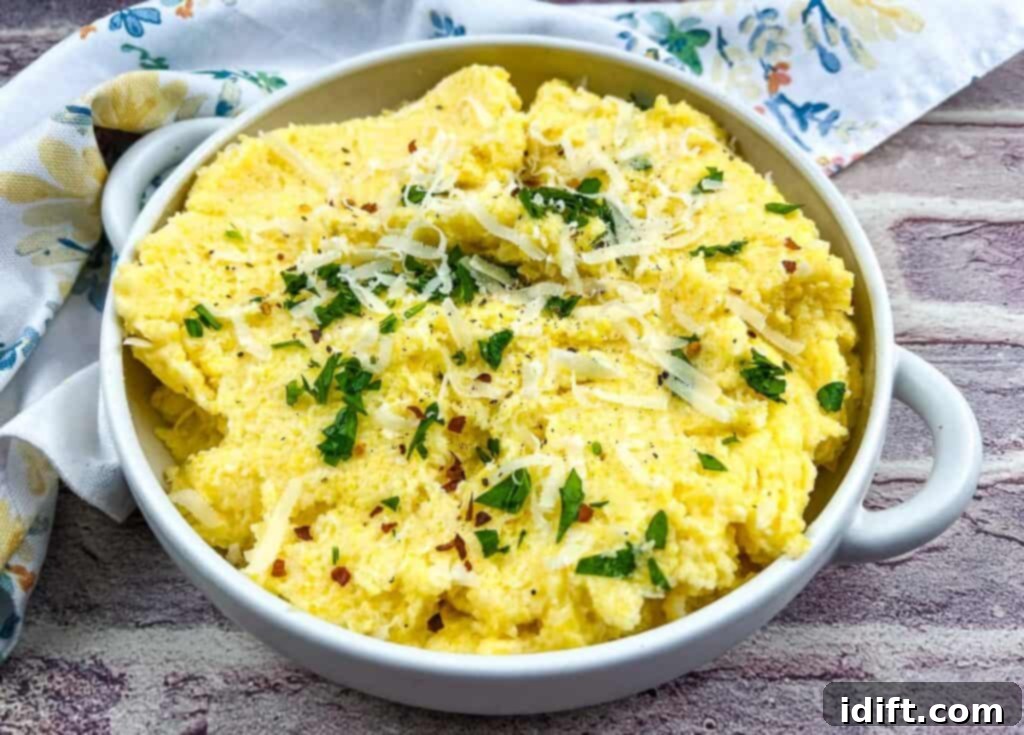
This isn’t just another polenta recipe; it’s a culinary revelation that will quickly become a favorite in your kitchen. Here’s why you’ll fall in love with Polenta with Mascarpone:
- Unbelievably Creamy and Flavorful: The magic of this dish lies in its perfect texture and rich taste. The slow cooking of the polenta creates a naturally smooth base, but it’s the mascarpone that elevates it to an ethereal, silky creaminess. Every spoonful is a luxurious experience, boasting a depth of flavor from the savory broth, aromatic shallots and garlic, and the subtle, tangy sweetness of the mascarpone. It’s far from the bland polenta you might have experienced, offering a symphony of comforting tastes.
- Mascarpone’s Perfect Complement: The rich, velvety taste of mascarpone is the ideal partner for the earthy cornmeal base. Its high-fat content and mild flavor melt into the polenta, adding an unparalleled richness and smoothness without making the dish heavy or greasy. It transforms simple cornmeal into a gourmet delight, making it truly restaurant-worthy and demonstrating how mascarpone can shine in savory applications.
- Remarkably Easy to Make: Despite its sophisticated flavor and elegant presentation, this creamy polenta recipe is surprisingly straightforward. With just a few simple steps and a bit of patience, you can achieve a truly spectacular side dish that tastes like it took hours of complex cooking. It’s perfect for busy weeknights when you crave something special but don’t have a lot of time, or for impressing guests without breaking a sweat.
- Incredibly Versatile for Any Meal: One of the greatest attributes of this Polenta with Mascarpone is its adaptability. It serves as an exquisite canvas for a wide array of main courses. Imagine it beneath a slow-braised short rib, absorbing all the rich gravy, or alongside pan-seared scallops, providing a creamy contrast. It pairs beautifully with hearty game meats, succulent roasted chicken, grilled fish, or even a vibrant vegetable ragu. See all my suggestions below for more inspiration on how to make it a complete meal.
Essential Ingredients for Perfect Polenta with Mascarpone
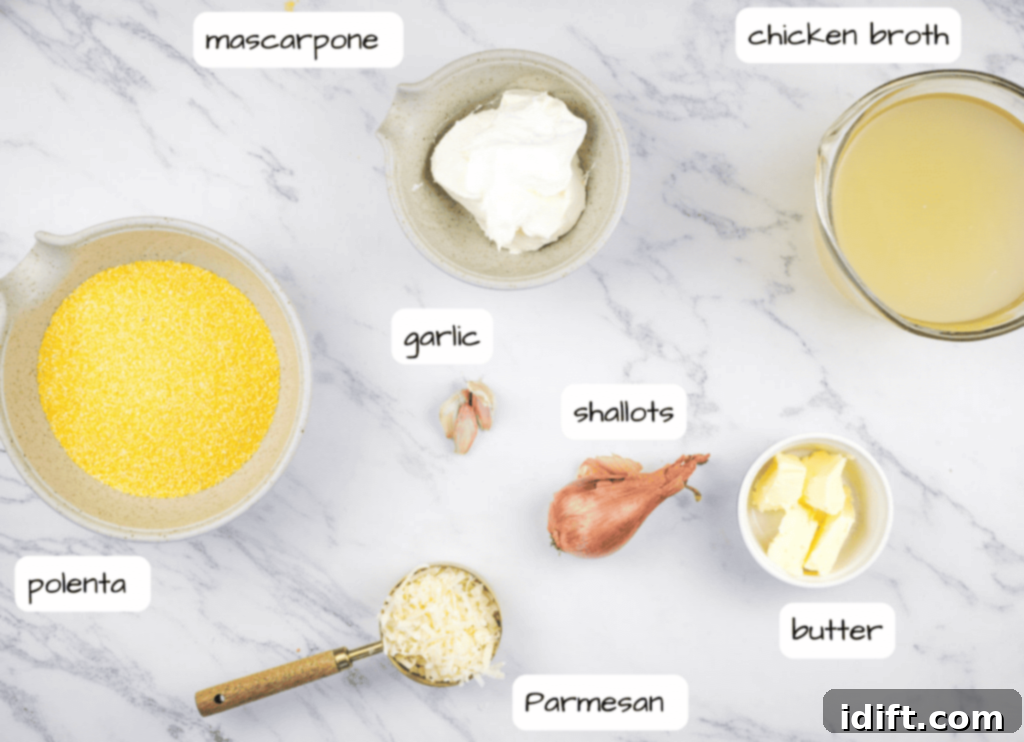
Crafting the perfect creamy polenta with mascarpone begins with selecting high-quality ingredients. Each component plays a crucial role in developing the rich texture and deep flavors of this Italian classic. Here’s what you’ll need and why:
- Polenta (Not Instant Polenta): This is the star of our dish. It’s crucial to use traditional, medium-ground polenta. Instant polenta is pre-cooked and finely ground, resulting in a quicker cooking time but a far less satisfying texture and depth of flavor. For that authentic, slow-cooked, creamy consistency, always opt for regular polenta, which allows the grains to slowly absorb the liquid and release their starches.
- Chicken Broth: Using low or no-sodium chicken broth adds a savory depth that water alone cannot provide. By choosing low-sodium, you maintain control over the overall seasoning of your dish, ensuring it’s perfectly balanced to your taste. Vegetable broth is also a suitable alternative for a vegetarian version, though it might offer a slightly different flavor profile.
- Mascarpone: This rich, Italian cream cheese is the secret to the polenta’s luxurious creaminess. Its high-fat content and delicate, subtly sweet flavor melt beautifully into the polenta, providing an unparalleled richness without heaviness. If mascarpone is difficult to find, full-fat cream cheese (softened) can be used as a substitute, though the flavor and texture will be slightly different, being a bit tangier and denser.
- Shallots: Finely chopped shallots offer a more delicate, nuanced onion flavor compared to regular onions. They become sweet and fragrant when sautéed, forming an aromatic base for the polenta. Their mildness ensures they enhance the dish without overpowering the subtle flavors of the cornmeal and mascarpone.
- Garlic: Fresh garlic cloves, finely chopped, are essential for adding a warm, pungent, and aromatic backbone to the dish. Garlic and shallots together create a classic flavor foundation that complements the richness of the polenta and mascarpone beautifully.
- Butter: Unsalted butter is preferred, as it allows you to control the saltiness of the dish precisely. The butter adds another layer of richness and helps to sauté the aromatics, contributing to the overall decadent mouthfeel of the polenta.
- Salt and Pepper: These fundamental seasonings are crucial for bringing out and balancing all the flavors. Taste as you go, especially if using a regular (not low-sodium) broth, and adjust to your preference. Freshly ground black pepper adds a lovely subtle spice.
- Parmesan Cheese: Freshly grated Parmesan cheese is a non-negotiable garnish. Its sharp, salty, umami notes perfectly cut through the richness of the polenta and mascarpone, adding a final flourish of intense flavor and a beautiful aroma. Avoid pre-grated Parmesan, as its flavor and melting properties are inferior.
Crafting Creamy Polenta with Mascarpone: A Step-by-Step Guide
Making this restaurant-quality polenta at home is simpler than you might think. Follow these detailed steps to achieve a perfectly creamy, flavorful, and unforgettable side dish:
- Sauté the Aromatics: Begin by melting half of the unsalted butter (2 tablespoons) in a sturdy, heavy-bottomed skillet or saucepan over medium heat. Once the butter is melted and slightly shimmering, add the finely chopped shallots. Cook them gently, stirring occasionally, until they become translucent and soft, which typically takes about 3-5 minutes. Be careful not to brown them; we want their sweetness to develop without any bitterness. Next, add the finely chopped garlic and cook for another minute until fragrant, ensuring it doesn’t burn.
- Simmer the Broth: Pour the chicken broth into the saucepan with the sautéed aromatics. Bring the broth to a gentle simmer over medium-high heat. Once it’s simmering, add a generous pinch of salt. Remember, you can always add more salt later, but you can’t take it away, especially if you’re using low-sodium broth, so err on the side of caution.
- Whisk in the Polenta and Cook Slowly: This is a crucial step for lump-free, creamy polenta. Gradually whisk in the polenta in a slow, steady stream. Continue whisking constantly for the first 2-3 minutes to prevent any clumps from forming. Once the polenta is fully incorporated and the mixture is smooth, reduce the heat to very low. Cover the saucepan, leaving a slight gap for steam to escape, and let it simmer gently. Continue cooking for approximately 25 minutes, whisking thoroughly every few minutes to prevent sticking and ensure even cooking. The polenta should slowly bubble, thickening as it absorbs the liquid. It’s ready when it’s thick, creamy, and tender, with no grainy resistance when tasted.
- Incorporate Butter and Mascarpone: Once the polenta has reached its desired creamy consistency and is tender, remove the saucepan from the heat. Whisk in the remaining 2 tablespoons of unsalted butter and the mascarpone cheese until both are fully melted and smoothly integrated into the polenta. The mascarpone will transform the texture, making it even more luscious and velvety, while the butter adds a final touch of richness.
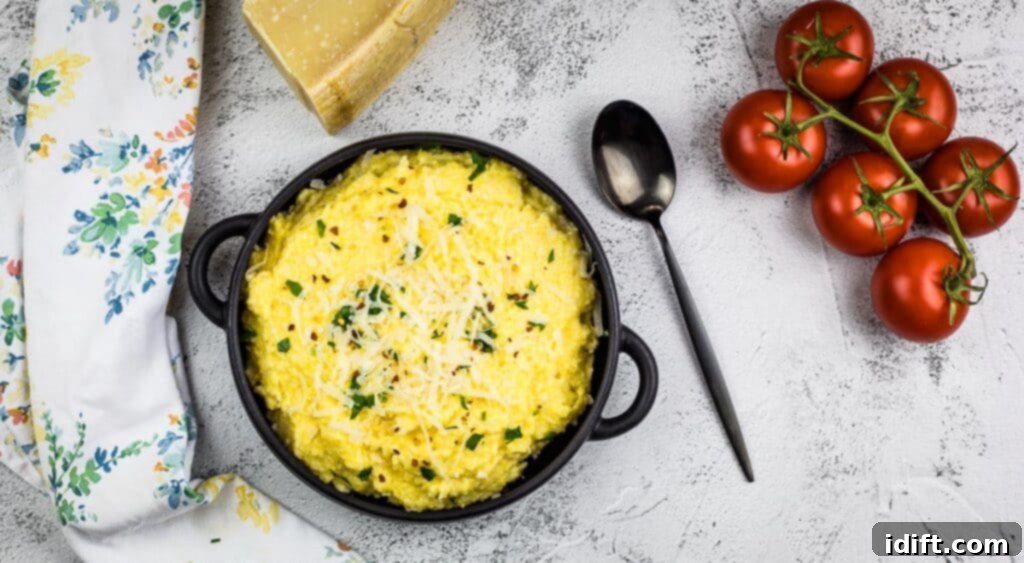
- Finish and Serve: Taste the polenta and adjust seasoning with additional salt and freshly ground black pepper as needed. Serve the creamy polenta immediately, garnished generously with freshly grated Parmesan cheese. A few sprigs of fresh parsley or chives can add a touch of color and extra freshness if desired. Enjoy this decadent dish while it’s warm and at its peak creaminess!
Chef Jenn’s Expert Tips for Flawless Polenta with Mascarpone
Achieving restaurant-quality polenta at home is easy with a few insider tips. Drawing from my years of professional cooking, these techniques will help you create a truly exceptional dish every time:
- Choose the Right Pot: Always use a heavy-bottomed skillet or saucepan. This is crucial for even heat distribution, which prevents scorching and ensures the polenta cooks uniformly. A non-stick pot or skillet is highly recommended for easy cleanup, as polenta can notoriously stick to the bottom of the pan as it thickens.
- Gradual Whisking for Smoothness: When adding the polenta to the simmering broth, pour it in a very slow, continuous stream while whisking vigorously. This method helps to hydrate the cornmeal evenly and prevents the formation of lumps, ensuring a silky-smooth final product. Keep whisking for the first few minutes until it starts to thicken.
- Constant Attention During Simmering: Polenta requires your attention as it cooks. Keep a close eye on the mixture and stir frequently, especially during the 25-minute simmering phase. This prevents it from sticking to the bottom of the pan and becoming lumpy. A good stir every 2-3 minutes is sufficient. The goal is a gentle, lazy bubble, not a furious boil.
- Adjust Consistency as Needed: If your polenta becomes too thick during cooking, you can thin it out by whisking in a little extra warm chicken broth or water, a tablespoon at a time, until it reaches your desired creamy consistency. Conversely, if it’s too thin, continue to simmer it gently, uncovered, for a few more minutes until it thickens.
- Don’t Skip the Fresh Parmesan: Finishing the polenta with a generous sprinkle of freshly grated Parmesan cheese is not merely a garnish; it’s an essential flavor enhancer. The sharp, salty, and savory notes of good quality Parmesan cheese cut through the richness of the mascarpone and cornmeal, adding a depth of flavor that is truly irresistible. It’s the final touch that brings the entire dish together.
- Taste and Season: Always taste your polenta before serving and adjust the salt and pepper to your liking. The amount of salt needed can vary depending on the chicken broth used and personal preference.
Recommended Pairings for Your Culinary Adventure
Make It A Meal: Perfect Pairings for Creamy Polenta
Creamy Polenta with Mascarpone is a incredibly versatile foundation, ready to be paired with a multitude of main courses. To transform this luxurious side dish into a complete and satisfying meal, consider topping it with a rich, slow-cooked authentic Bolognese sauce, allowing the meaty ragu to meld with the velvety polenta. Alternatively, a simple yet flavorful homemade tomato sauce can provide a delightful contrast. For heartier options, serve the polenta alongside tender smoked ham, or spoon it generously next to deeply flavorful garlic-braised short ribs, ensuring you drizzle plenty of that rich, savory gravy over the top. This combination creates an ultimate comfort food experience that is both elegant and deeply satisfying. And for the perfect sweet ending to your Italian-inspired feast, don’t forget a delightful Gingerbread Brownie for dessert! Yum!
Storage and Reheating Tips for Leftover Polenta
Should you find yourself with any delicious leftovers of this creamy Polenta with Mascarpone, storing them properly will ensure you can enjoy them again. Allow the polenta to cool completely to room temperature before transferring it to an airtight container. Store it in the refrigerator, where it will keep well for up to 3 days. The polenta will firm up significantly when cold, taking on a denser, more solid consistency.
To reheat polenta and restore its creamy texture, gently warm it on the stovetop over low to medium heat. Add a splash of water, milk, or even a bit more chicken broth to help loosen it up and bring it back to its original consistency. Stir frequently as it heats through to prevent sticking and ensure even reheating. You can also reheat it in the microwave; simply place it in a microwave-safe bowl, add a tablespoon or two of liquid, and heat in short bursts, stirring well between each interval, until hot and creamy again. Avoid overheating, which can make it rubbery.

Print
Pin
Polenta with Mascarpone
Ingredients
- 1/3 cup diced shallots
- 2 cloves garlic finely chopped
- 4 tbsp butter divided
- 4 cups chicken broth low or no sodium
- 1.5 cups polenta not instant polenta
- 3/4 cup mascarpone
- salt and pepper
- parmesan cheese freshly grated
Instructions
- Melt half the butter (2 tbsp) in a heavy-bottomed skillet or saucepan over medium heat. Add the finely chopped shallots and cook until soft and translucent, about 3-5 minutes. Add the finely chopped garlic and cook for 1 minute until fragrant, being careful not to burn it.
- Pour in the chicken broth and bring it to a gentle simmer. Add a good-sized pinch of salt, remembering you can adjust seasoning later.
- Slowly whisk in the polenta in a steady stream, stirring constantly for the first 2-3 minutes to prevent lumps. Reduce the heat to very low. Cover the saucepan, leaving a slight vent, and cook for about 25 minutes, stirring thoroughly every few minutes to prevent sticking. The polenta should be thick, creamy, and tender when ready.
- Remove from heat. Whisk in the remaining 2 tablespoons of butter and the mascarpone cheese until fully melted and smoothly incorporated, creating a velvety texture.
- Taste and adjust seasoning with additional salt and freshly ground pepper if needed. Finish with a generous sprinkle of freshly grated Parmesan cheese and serve immediately.
Notes
- Always use a heavy-bottomed skillet or saucepan when making polenta to ensure even heat distribution and prevent burning. A non-stick pot or skillet is highly recommended for easy cleanup, as polenta can stick to the bottom.
- While whisking in the polenta, make sure to pour slowly and continuously to avoid clumps and ensure a smooth consistency.
- Keep a close eye on the mixture as it simmers. Stir frequently (every few minutes) to prevent the polenta from sticking to the pan or becoming lumpy.
- Finishing with freshly grated Parmesan cheese significantly enhances the depth of flavors and adds a perfect savory balance. Don’t skip this delicious step!
Nutrition
A Note on Nutritional Information
Nutritional information for this recipe is provided as a courtesy and is calculated based on available online ingredient information. It is only an approximate value. The accuracy of the nutritional information for any recipe on this site cannot be guaranteed.