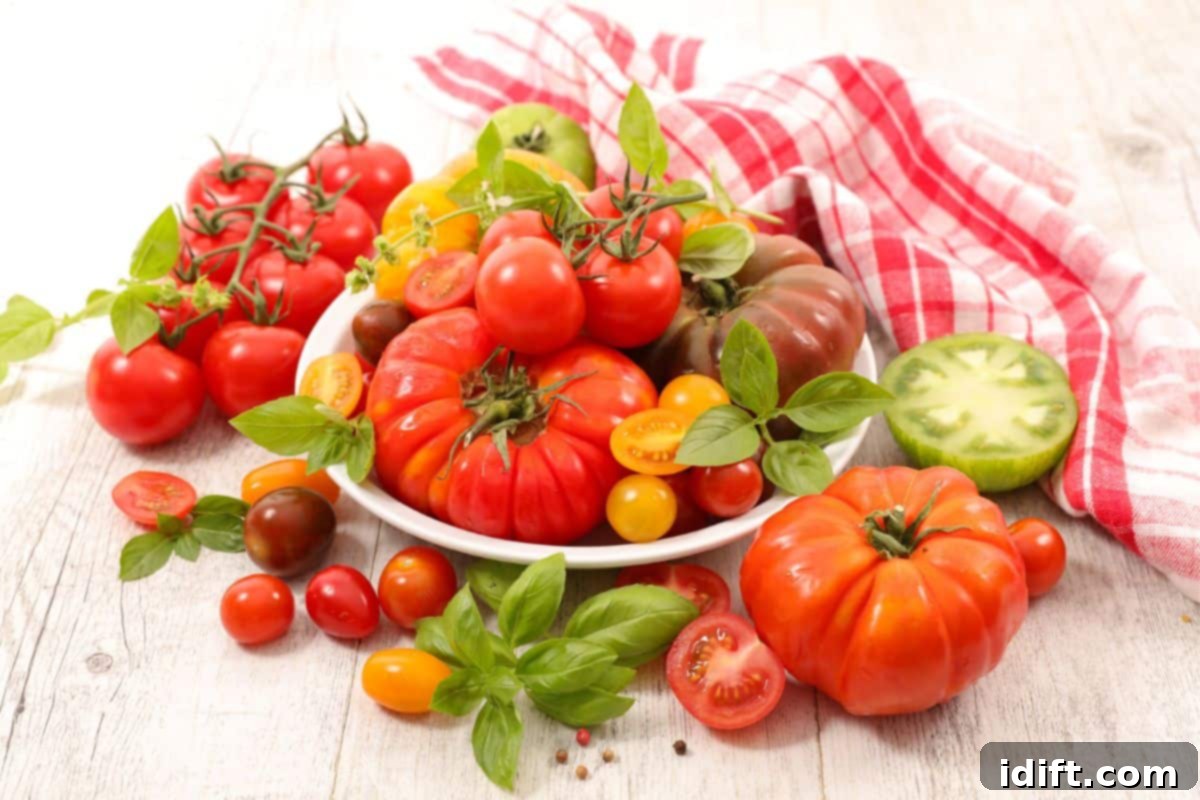
Tomatoes are much more than just a fruit; they are a culinary cornerstone, celebrated globally for their incredible versatility, vibrant colors, and unparalleled flavors. From rustic Italian sauces to fresh, crisp salads, the right tomato can elevate a dish from good to extraordinary. Understanding the vast array of tomato types and their specific culinary applications is a secret weapon for any home cook looking to infuse their meals with authentic taste and texture. This comprehensive guide will navigate you through the essential varieties, helping you select the perfect tomato for every recipe, whether you’re aiming for a rich marinara, a refreshing gazpacho, or a simple yet sublime slice of summer.
This post may contain affiliate link(s). As an Amazon Associate, I earn from qualifying purchases. See Disclosure.
Every tomato variety brings its unique attributes to the table, from the substantial, meaty flesh of beefsteaks to the delightful burst of sweetness from cherry tomatoes. The magic truly happens when you pick the ideal tomato that harmonizes with your recipe’s desired balance of sweetness, acidity, and texture. This thoughtful selection ensures that your culinary creations are not just delicious but also perfectly structured and visually appealing. Let’s dive into the fascinating world of tomatoes and discover how to master their culinary potential.
Exploring the Diverse World of Tomatoes: A Culinary Guide to Varieties and Uses
Essential Types of Tomatoes for Every Kitchen
While the world boasts over 10,000 known varieties of tomatoes, a handful of essential types dominate grocery store shelves and home gardens, forming the foundation of countless dishes. Getting acquainted with these primary categories will empower you to make informed choices for all your cooking adventures, from everyday meals to special occasions. Understanding these core types is the first step to becoming a true tomato connoisseur.
Globe Tomatoes: The All-Purpose Workhorse of the Kitchen
Often considered the quintessential tomato, globe tomatoes are the reliable, all-purpose varieties you’ll most frequently encounter in supermarkets. Characterized by their round, medium size—typically ranging from 3 to 4 inches in diameter—they are incredibly versatile. Their firm, juicy flesh and balanced sweet-tart flavor make them an excellent choice for a wide array of culinary applications, from slicing for sandwiches to cooking down into sauces. They possess a robust skin and a good amount of pulp, making them structurally sound.
The robust structure of globe tomatoes ensures they maintain their shape well under heat, making them ideal for stuffing with various fillings such as seasoned ground meats, creamy cheeses, or seasonal vegetables. Their mild, approachable flavor also acts as a perfect canvas, allowing other ingredients like fresh garlic, aromatic herbs, and vibrant spices to truly shine without being overshadowed. This adaptability is why they’re a staple. Popular varieties within this category include the classic Beefsteak tomato, renowned for its extra-large, meaty slices perfect for burgers and sandwiches, and varieties like Early Girl, cherished for their consistent flavor and good yield throughout the growing season. Globe tomatoes are a foundational choice for nearly any recipe that simply calls for “tomatoes,” offering dependable performance and universally appealing taste that appeals to a wide range of palates.
Plum Tomatoes: The Sauce and Paste Champion
Plum tomatoes, distinctively oblong in shape, are celebrated for their dense, meaty flesh and significantly lower moisture content compared to globe varieties. This unique composition gives them a firmer texture and a much more concentrated, sweet flavor, making them indispensable for specific culinary tasks. Their thick walls and minimal seeds translate into less watery sauces and richer, more robust flavors. This density is a key factor in their superiority for cooked applications.
The inherent low water content and mild sweetness of plum tomatoes make them the undisputed champions for crafting exquisite sauces, rich pastes, and flavorful purees. They cook down beautifully, yielding a thick, velvety consistency that is perfect for Italian-American classics like marinara, Bolognese, and pizza sauce. Their ability to reduce without becoming overly watery means your sauces will have a depth of flavor and ideal texture. Beyond sauces, plum tomatoes are also the preferred choice for sun-drying, a process that intensifies their natural sugars and umami notes, creating a concentrated burst of flavor ideal for snacks, salads, or rehydrated in dishes. Iconic varieties like San Marzano, famed for their balanced sweetness, low acidity, and protected designation of origin, and Roma tomatoes, widely available and equally versatile, are prime examples of this exceptional category. When you need a tomato that can stand up to long cooking times and deliver deep, concentrated flavor, plum tomatoes are your go-to.
I love cooking with plum tomatoes. Homegrown San Marzanos from my garden are my first choice, with Roma tomatoes coming in a close second. They are meaty tomatoes that make thick, rich sauces. I use them in my homemade tomato basil bisque, spaghetti sauce and chili.
— Renee N Gardner, Renee Nicole’s Kitchen
Cherry Tomatoes: Sweet Bursts of Flavor for Fresh Dishes and Roasting
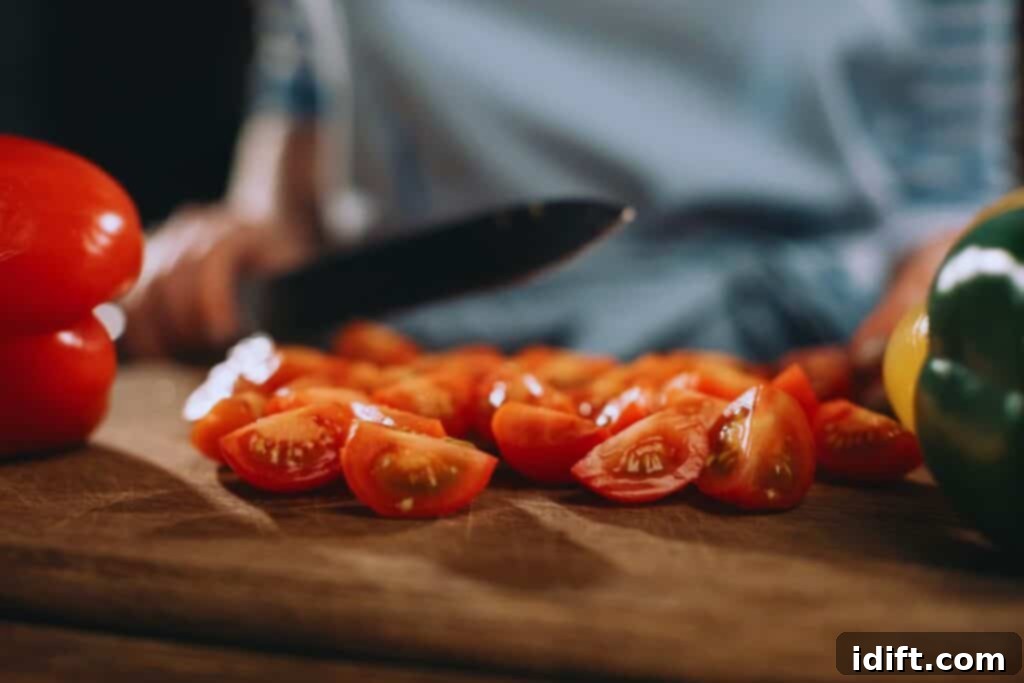
Small, round, and irresistibly sweet, cherry tomatoes are delightful bite-sized treasures that pack a powerful punch of flavor. Named for their resemblance to cherries, these tiny tomatoes are characterized by their high sugar content, which often leads to an explosion of sweet, tangy juices with every bite. Their diminutive size and natural sweetness make them ideal for enjoying raw as a healthy snack, or for adding whole to vibrant salads where they contribute both color and a juicy texture. They add a refreshing pop to any dish.
Cherry tomatoes truly excel when exposed to heat, as their high surface area allows for beautiful caramelization and concentration of their sugars during roasting or grilling. Imagine them blistered with olive oil and garlic, transforming into a tender, sweet accompaniment or a quick, fresh pasta sauce. Their small, uniform size also eliminates the need for peeling or dicing, making them incredibly convenient for quick preparations. Popular sub-varieties include the intensely sweet Sungold, the slightly tart Black Cherry, and the classic Red Cherry, each offering a nuanced flavor profile and varying degrees of sweetness. Whether tossed into a Mediterranean couscous, skewered for a barbecue, or simply enjoyed straight from the vine, cherry tomatoes are a versatile and delicious addition to any meal, brightening plates with their vibrant hues and refreshing taste.
Grape Tomatoes: Oblong, Firm, and Perfect for Snacking
Grape tomatoes are another small-sized contender, distinguishable by their oblong, grape-like shape, which is often even smaller than that of cherry tomatoes. While not typically as intensely sweet as some cherry varieties, they offer a delightful sweetness that surpasses that of larger globe tomatoes, coupled with a firmer, meatier texture. This unique balance makes them exceptionally well-suited for eating raw or incorporating whole into a variety of dishes where a slight bite and less juiciness are desired. Their oblong shape also prevents them from rolling off cutting boards, making them convenient to work with.
Adding grape tomatoes to salads ensures a burst of juicy, fresh tomato flavor in almost every forkful, without the overwhelming liquid sometimes found in larger chopped tomatoes. Their firm skin and small stature also make them perfect for appetizers, such as caprese skewers, or as an attractive garnish around platters. They hold their shape impeccably when lightly sautéed or roasted, contributing a subtle sweetness and pleasant texture to stir-fries or roasted vegetable medleys, without becoming mushy. For those seeking a convenient, firm, and flavorful small tomato that stands up well in cooked and raw applications, grape tomatoes are an excellent choice that offers both appealing taste and visual structure.
Cocktail Tomatoes: The Balanced Performer for Fresh and Cooked Dishes
Falling in size between cherry and globe tomatoes, cocktail tomatoes strike a superb balance between sweetness and acidity, making them incredibly versatile. They are celebrated for their juicy yet firm flesh and a flavor profile that is robust enough for cooking but also delicate enough to be savored fresh. This harmonious blend makes them outstanding for crafting vibrant fresh salsas, adding to a myriad of salads, or simply enjoying as a standalone snack. Their slightly larger size makes them more substantial than their smaller counterparts without being overwhelming.
Cocktail tomatoes are also a visual delight, available in a captivating spectrum of colors including classic red, sunny yellow, vibrant orange, subtle green, and even deep purple or black varieties. This chromatic diversity makes them fantastic for culinary presentations, adding a splash of color to any dish. They hold their shape exceptionally well, whether served whole alongside dips, artisanal cheeses, dressings, and cured meats, or when roasted or grilled to bring out their concentrated flavors, making them a great choice for skewers or roasted vegetable dishes. Their appealing size and balanced taste make them a chef’s favorite for both their culinary flexibility and aesthetic contribution to a dish, offering a consistent quality that home cooks can rely on.
Heirloom Tomatoes: A Taste of History and Unforgettable Flavor
Heirloom tomatoes are the true aristocrats of the tomato world, cultivated for generations from open-pollinated seeds and celebrated for their superior taste, unique characteristics, and rich nutritional value. Unlike their mass-produced counterparts, these time-honored varieties offer an astounding diversity of shapes, sizes, colors, and intensely complex flavors that hark back to an earlier era of gardening. They are often characterized by their irregular, sometimes “ugly” appearance, which belies their incredible internal beauty and flavor. Popular heirloom varieties include the legendary Brandywine, known for its rich, sweet flavor and large, beefsteak-like fruits; the deeply colored Cherokee Purple, offering smoky, sweet notes; and the striking Green Zebra, with its tart, zesty profile and vibrant striped skin, all offering distinct culinary experiences.
The flavor of heirlooms is typically far more intense, nuanced, and complex than that of conventional grocery store tomatoes, which are often bred for uniform appearance and shelf life rather than taste. This exceptional flavor profile makes heirlooms perfect for highlighting in raw preparations where their true essence can shine. Simple slices drizzled with high-quality olive oil, a sprinkle of sea salt, and freshly cracked black pepper allow you to fully appreciate their one-of-a-kind taste and stunning visual appeal. They are often the star of a dish, needing little embellishment. Due to their delicate nature, thin skins, and often irregular shapes, heirlooms are not as well-suited to large-scale commercial production and long-distance shipping as more modern hybrid varieties. Consequently, they are primarily available when in season and locally grown, often found at farmers’ markets or specialty stores, making their appearance a cherished seasonal event for food enthusiasts who seek authentic, unforgettable flavors.
My favorite tomatoes to use for salads are heirloom tomatoes. I find their taste to be more interesting and overall superior to conventional tomatoes. They come in a variety of beautiful colors and patterns, like the Mr. Stripey variety, which is a stunning combination of red and yellow.
— Gen La Rocca, Two Cloves Kitchen
Green Tomatoes: The Tart and Tangy Culinary Delight
Green tomatoes are distinct from green heirloom varieties (like the Green Zebra); these are typically unripe tomatoes harvested before they have had a chance to fully ripen and turn their characteristic red color. This early harvesting imparts a distinctly tart, acidic flavor and a firm, dense texture that makes them uniquely suited for specific culinary applications where a tangy kick is desired. While generally not recommended for eating raw due to their firm texture and sharp acidity, cooking transforms their tartness into a delicious and complex flavor that pairs exceptionally well with a variety of ingredients, softening their texture and mellowing their sharp edges.
The most iconic use for green tomatoes is in the classic Southern dish, fried green tomatoes, where firm slices are traditionally dredged in a seasoned cornmeal batter and fried until golden and crispy. In this preparation, the vibrant tartness of the green tomato perfectly cuts through the richness of the fried coating, creating a wonderfully balanced and addictive flavor. Beyond frying, green tomatoes are also excellent for making zesty relishes, tangy chutneys, or even pickled to preserve their unique character and provide a sharp counterpoint to rich foods. They can also add an intriguing sour note to salsas or stews, especially in Latin American cuisine, proving that not all tomatoes need to be red to be delicious and incredibly versatile in the kitchen.
On the Vine Tomatoes: Freshness and Enhanced Flavor
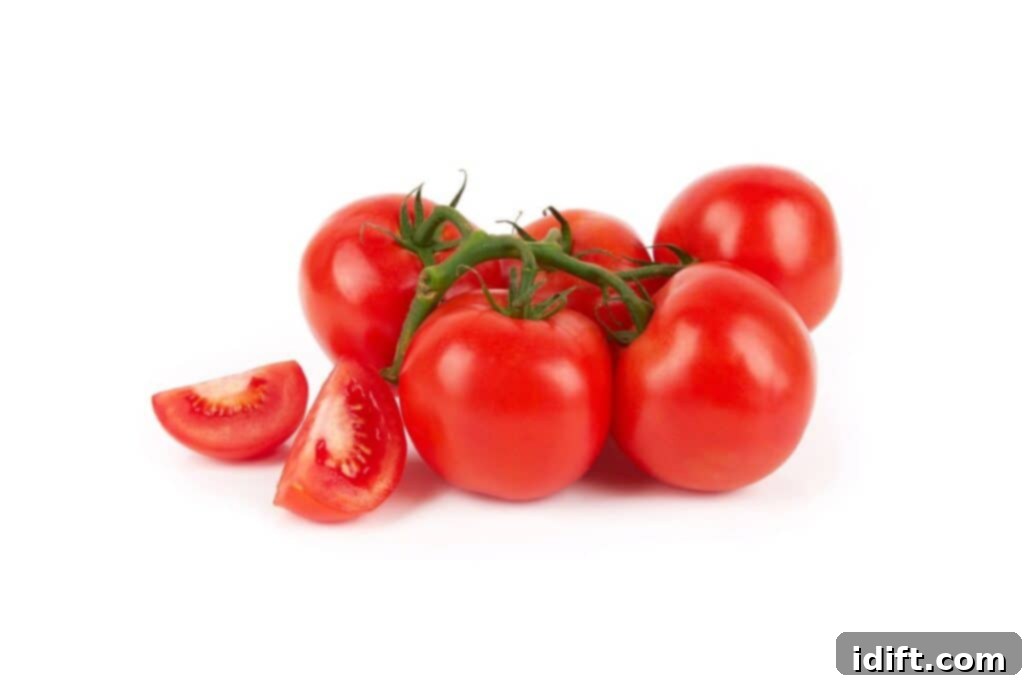
Rather than being a specific variety, “on the vine” tomatoes refer to a specialized harvesting and packaging method. These tomatoes are picked while still attached in clusters to the plant’s vine, signifying that they have been allowed to ripen more fully on the plant before being brought to market. This method is believed to enhance their flavor and freshness, as the vine continues to deliver nutrients to the fruit even after being detached from the main plant, albeit for a short period. This connection to the vine allows for a more natural ripening process.
Tomatoes harvested on the vine tend to be notably firmer, juicier, and often possess a more pronounced aroma compared to individually picked tomatoes. This is because growers wait until they are closer to peak ripeness before harvesting, aiming for maximum flavor development and a deeper red color. This category typically includes smaller to medium-sized tomatoes, such as various cherry, grape, cocktail, or even some smaller globe tomato varieties. Buying tomatoes on the vine can be a good indicator of quality and freshness, promising a richer, more authentic tomato experience for your cooking and salads, and often implying a superior taste that is closer to garden-fresh.
Selecting the Perfect Tomatoes for Your Culinary Creations
The judicious selection of tomatoes is paramount to the success of any dish, as their ripeness, acidity, and texture directly impact the final flavor profile and structural integrity of your culinary endeavors. Knowing what to look for and how these characteristics influence your cooking can transform your culinary results. Here’s a deeper look into these crucial selection factors.
Ripeness: The Key to Optimal Flavor and Texture
The ripeness of a tomato is arguably the most crucial factor in its culinary application. For the vast majority of recipes, perfectly ripe tomatoes are ideal, offering the optimal balance of sweetness and tartness that truly elevates dishes. A ripe tomato should be firm yet yield slightly to gentle pressure and emit a sweet, earthy aroma from its stem end—a true sign of developed flavor. Avoid tomatoes that are too hard (under-ripe) or too soft and mushy (over-ripe), unless intentionally seeking those qualities.
Slightly under-ripe tomatoes, characterized by a firmer flesh and a hint more acidity, can be advantageous for dishes that require the tomato to maintain its shape during cooking, such as gratins, kebabs, or stews where a firmer bite is desired and you want to avoid a mushy texture. Conversely, fully ripe or even slightly over-ripe tomatoes, with their softer texture and concentrated sweetness, are excellent for sauces, soups, salsas, or canning where they will be cooked down or pureed, as their flavors are at their peak. As discussed, green tomatoes, being unripe, are best reserved for specific preparations like frying or making relishes, where their distinct tartness can be utilized to its fullest, rather than being mistaken for a spoiled red tomato.
Acidity: Balancing the Flavor Profile of Your Dish
Tomato varieties exhibit a wide range of acidity levels, a characteristic that significantly influences the final taste and overall balance of your dish. Tomatoes with lower acidity, such as many plum varieties like San Marzano and Roma, are celebrated for their ability to produce smooth, rich, and mellow tomato sauces that are less prone to bitterness or an overly sharp taste. These are often preferred for long-simmered dishes where a deep, foundational tomato flavor is desired, creating a more harmonious base for other ingredients.
For those seeking a brighter, more zesty kick, varieties with higher acidity, such as certain cherry tomatoes or select heirloom varieties like Green Zebra, can provide a vibrant tang that awakens the palate. This higher acidity can cut through rich, fatty flavors in a dish or add a refreshing, lively note to fresh salads, vibrant salsas, and bruschetta. Understanding the acidic profile of your chosen tomato allows you to fine-tune the flavor of your cooking, complementing other ingredients perfectly and ensuring your dish hits all the right notes of taste.
Texture: Matching the Tomato to Your Cooking Method
The success of a recipe can often hinge on selecting a tomato with the correct textural properties for its intended use. Texture affects not only the mouthfeel of the final dish but also how the tomato behaves during cooking. For raw applications, such as crisp salads, vibrant bruschetta, or fresh sandwiches, tomatoes with a juicy yet firm texture are paramount. Cherry and grape tomatoes, with their satisfying pop and minimal seed gel, are excellent choices here, providing a delightful crunch and burst of juice without making the dish soggy.
For cooking applications that involve reducing tomatoes into a thick, rich sauce, meatier varieties like plum tomatoes are superior. Their dense flesh and lower water content break down into a naturally thicker sauce, requiring less simmering time and resulting in a more concentrated flavor and smoother consistency. In contrast, for dishes where tomatoes are meant to hold their shape, such as roasted vegetables, skewers, or gratins, firmer types like cocktail or certain globe tomatoes are preferable. They can withstand the heat without disintegrating, adding structural integrity and visual appeal to the meal. By carefully matching the tomato’s texture to your cooking method, you ensure optimal results and a delightful eating experience every time.
Inspiring Recipes Made With the Best Tomatoes
Now that you’re well-versed in the diverse world of tomatoes and how to select them, it’s time to put your knowledge to the test. Here are a few inspiring recipes that showcase how selecting the right tomato can make all the difference, bringing out the best in each variety:
Pasta with Fresh Cherry Tomato Sauce
Tomato Bruschetta Board
Smoked Tomato Soup with Mascarpone
Unlocking Culinary Potential with the Right Tomato
The journey through the world of tomatoes reveals an incredible diversity, each type offering unique characteristics that can dramatically influence your cooking. From the substantial and meaty density of plum and beefsteak varieties, perfect for building rich, flavorful foundations, to the delightful, sweet, and snackable nature of cherry and grape tomatoes, ideal for fresh preparations and vibrant garnishes, there truly is a tomato to perfectly suit every culinary need and preference. This expansive palette of options ensures that no two tomato dishes need to be the same.
The unparalleled versatility of globe tomatoes makes them a global staple, providing a reliable option for nearly any recipe that calls for a fresh, balanced tomato. Meanwhile, the distinctive charm and intense, complex flavors of heirloom varieties add a prized diversity and a touch of gourmet elegance to any plate, especially when showcased in their raw, natural glory, allowing their unique stories and tastes to shine. Tomatoes on the vine and the colorful array of cocktail tomatoes not only enhance the visual appeal of dishes but also contribute an intense, fresh flavor that elevates the overall eating experience, proving that presentation and freshness go hand-in-hand.
Empowered with this understanding of each tomato type’s characteristics, home cooks can confidently choose the optimal tomato for their specific recipe goals. Whether your ambition is to craft a robust, slow-simmered marinara, assemble a refreshing and elegant fresh Caprese salad, or bake a visually stunning and flavorful tomato tart, selecting the correct type of tomato is not merely a preference—it is a vital step toward culinary success. Embrace the diversity, experiment with different varieties, and unlock a new level of flavor, texture, and enjoyment in your kitchen!
This article originally appeared on Food Drink Life.