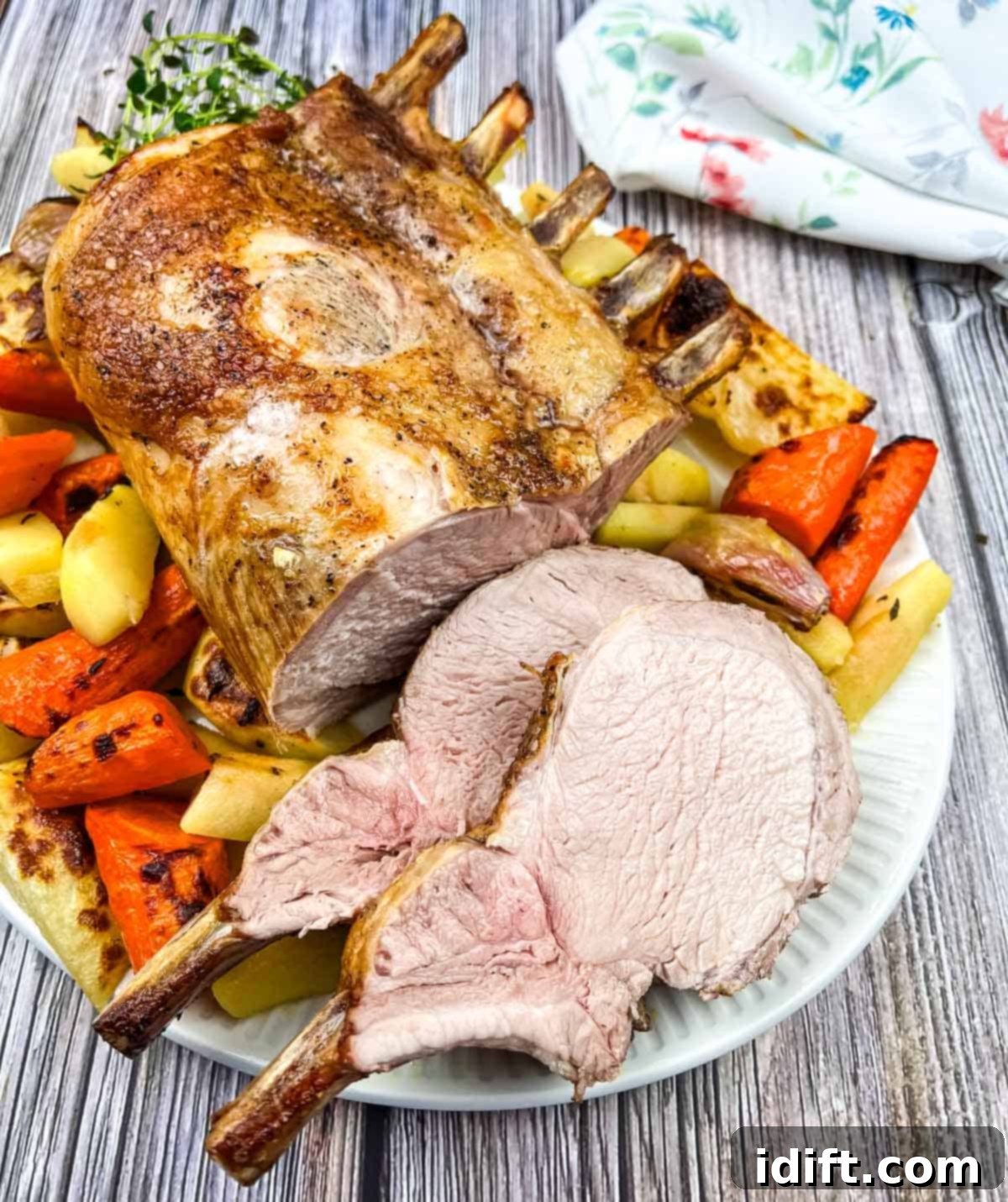
Roasted Pork with Apples: A Comfort Food Masterpiece for Any Occasion
There’s an undeniable magic that happens when savory pork meets the sweet, tart notes of apples. This classic culinary pairing reaches its zenith in our Roast Pork with Apples recipe, offering a hearty, flavorful meal that feels both gourmet and wonderfully homey. Imagine tender, succulent pork, roasted to perfection alongside vibrant seasonal vegetables and caramelized apples, all finished with a rich, pan-made gravy. This isn’t just a meal; it’s an experience, designed to bring warmth and satisfaction to your dinner table with minimal fuss. Whether you’re planning a cozy family dinner or a festive gathering, this one-dish wonder simplifies your cooking while delivering maximum flavor. Get ready to impress with a meal that truly embodies the art of slow-cooked deliciousness.
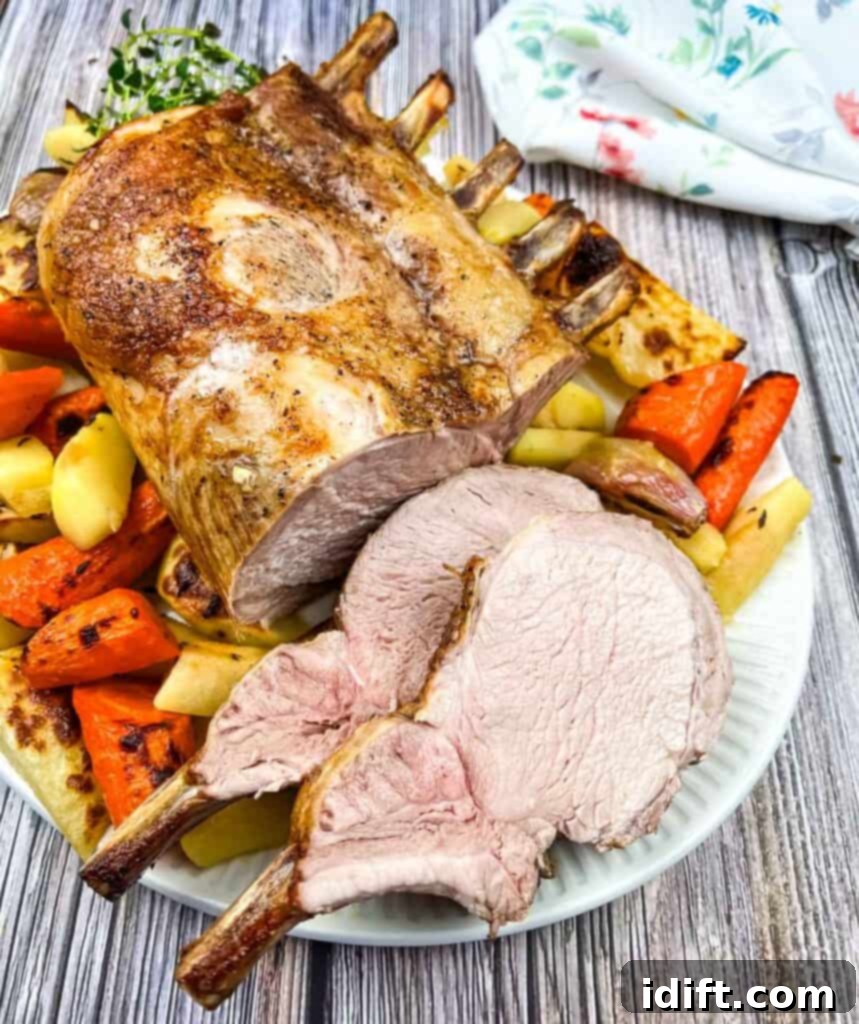
This post may contain affiliate link(s). As an Amazon Associate, I earn from qualifying purchases. See Disclosure.
Few dishes evoke the comfort and satisfaction of a perfectly roasted meal. The aroma alone is enough to make mouths water and spirits lift. Our recipe for Roasted Pork with Apples takes this classic concept and elevates it with thoughtful techniques and complementary flavors, creating a truly memorable dish. What makes this particular pork roast stand out is the all-in-one approach: the main course and its essential sides are roasted together in a single pan, making cleanup a breeze and ensuring every component is infused with delicious savory juices. This isn’t just about convenience; it’s about building layers of flavor that intertwine beautifully, from the savory pork and tender vegetables to the sweet, soft apples and the luscious gravy.
The secret to achieving a roast that is both incredibly juicy and packed with flavor lies in two fundamental techniques: tempering the meat and cooking it “low and slow.” Tempering simply means allowing your pork roast to come to room temperature before it goes into the oven. This crucial step ensures a more even cook from edge to center, preventing the outside from drying out while the inside struggles to catch up. Coupled with a low and slow roasting method, this approach guarantees pork that is fork-tender and bursting with moisture, a stark contrast to the dry, tough results often associated with high-temperature roasting. As a professional chef, I can confidently say that patience in roasting pays off immensely in terms of flavor and texture.
Our specific method for this Roasted Pork with Apples recipe involves a smart sequence to ensure every ingredient reaches its peak perfection. You’ll begin by roasting the pork alongside the heartier vegetables, allowing them to soften and absorb the rich pan drippings. Once they’ve had a head start, the vegetables are briefly removed, and the apples are introduced to the pan. This timing ensures the apples become wonderfully tender and slightly caramelized without turning to mush, perfectly complementing the savory pork. The result is a harmonious medley of textures and tastes, all from a single roasting dish.
Ready to create a culinary masterpiece that will be the highlight of your next meal?
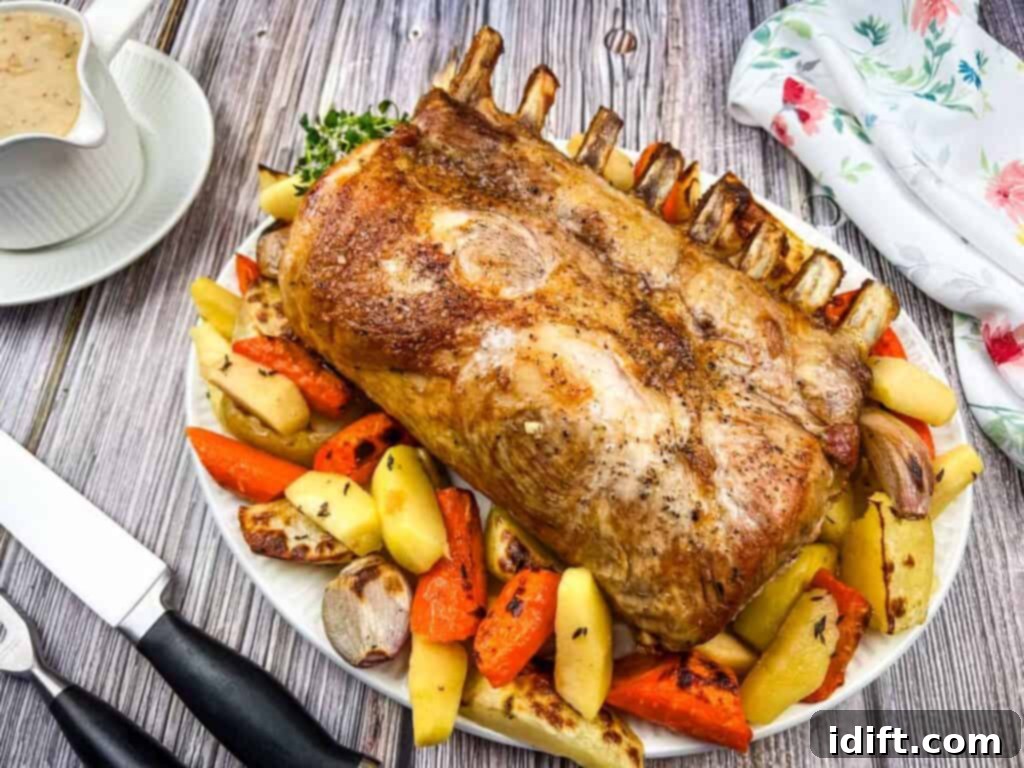
Why You’ll Adore This Pork Roast with Apples Recipe
- Effortless One-Dish Wonder: Say goodbye to juggling multiple pots and pans! This recipe is designed for ultimate convenience, allowing the pork, vegetables, and apples to roast harmoniously in a single dish. This means less time spent on prep and cleanup, giving you more moments to savor with your loved ones. It’s a complete meal in one pan, simplifying even the busiest weeknight dinners or holiday feasts.
- Unforgettable, Rich Gravy: The pan drippings from the roasted pork, vegetables, and apples form the foundation of an intensely flavorful gravy. Enhanced with chicken broth, apple juice, and a touch of mustard and apple cider vinegar, this luscious sauce is truly exceptional. It beautifully complements every component of the dish – from the tender pork to the roasted veggies – and you’ll find yourself wanting to spoon it over everything on your plate!
- Hearty, Wholesome & Comforting: This isn’t just a meal; it’s a hug in a bowl. The combination of succulent pork, tender root vegetables, and sweet, spiced apples creates a hearty and comforting dish that’s perfect for any season. It’s substantial enough to satisfy the hungriest appetites and provides that warm, home-cooked feeling we all crave.
- Feeds a Crowd or Offers Delicious Leftovers: Designed to serve approximately 8 people, this roast is ideal for larger family gatherings, dinner parties, or for simply enjoying delectable leftovers throughout the week. The flavors often deepen overnight, making subsequent meals even more delightful. Its straightforward preparation ensures you can focus on entertaining or relaxing, rather than complex cooking.
- Impressive Yet Simple: Despite its gourmet appearance and rich flavors, this recipe is incredibly easy and straightforward to follow. You don’t need to be an experienced chef to achieve spectacular results. The simple steps and minimal hands-on time make it an accessible option for cooks of all skill levels, guaranteeing a dish that looks and tastes like it took hours of intricate work.
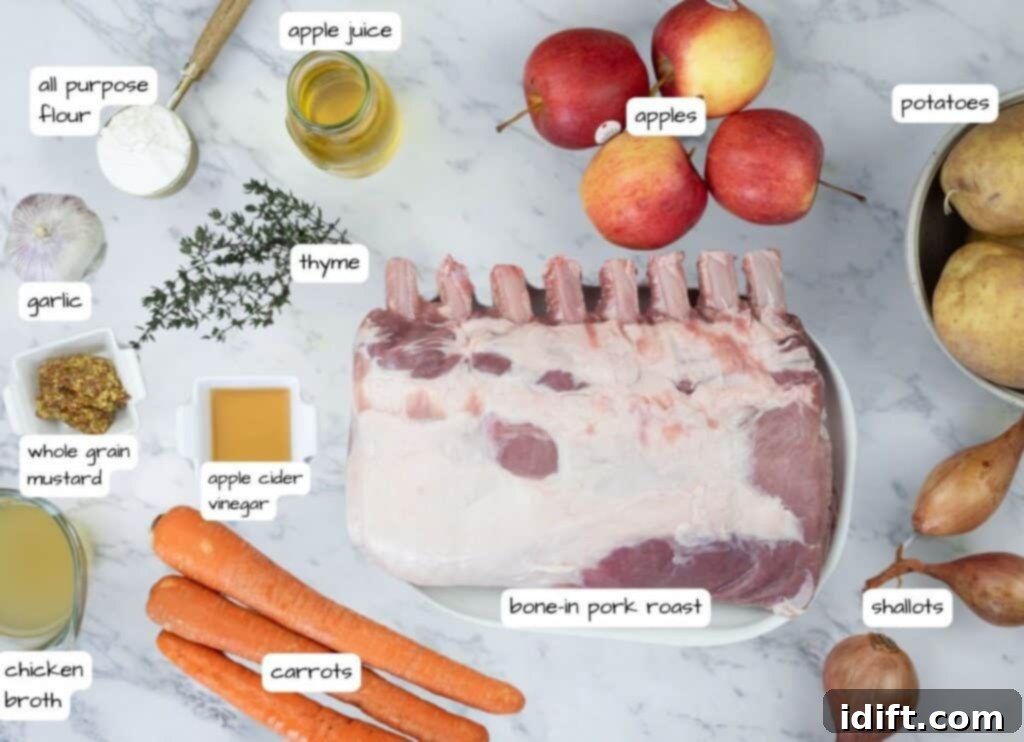
Essential Ingredients for Your Perfect Pork Roast
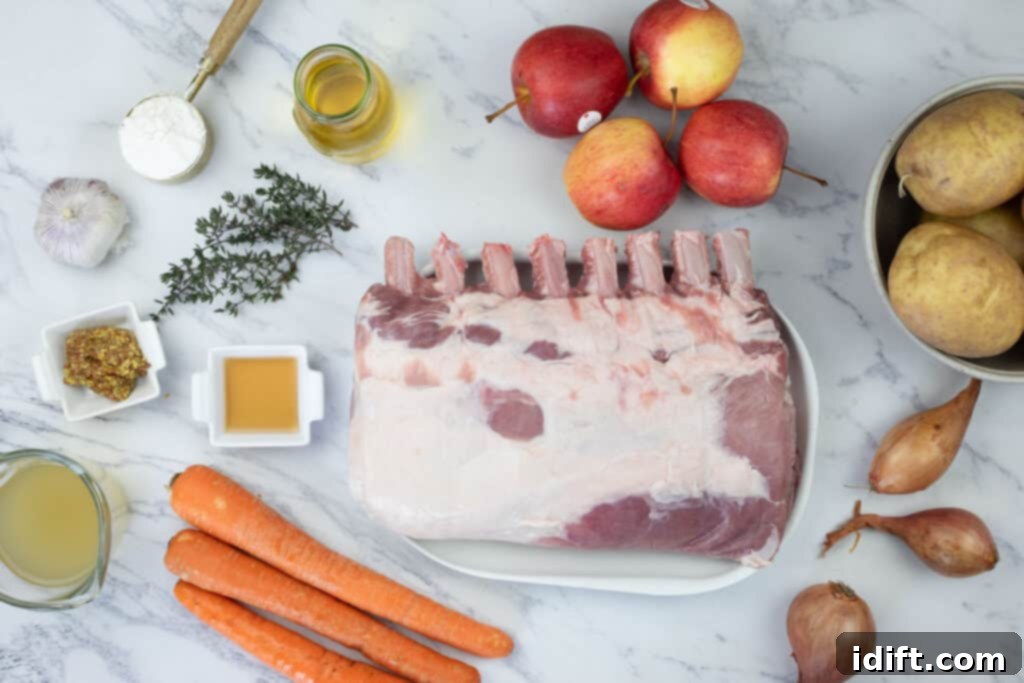
- Bone-in Pork Roast: For this recipe, I highly recommend a bone-in center-cut pork roast, often labeled as a rack roast or rib roast. The bone not only adds incredible flavor to the pan drippings and subsequently the gravy, but it also helps the meat cook more evenly and retain moisture, resulting in a more tender and juicy final product. Aim for a roast weighing about 5 pounds, which typically yields around 8 bones or chops – ideal for two generous family meals or one larger gathering.
- Salt and Pepper: These fundamental seasonings are crucial for bringing out the natural flavors of the pork and vegetables. I prefer using kosher salt for its clean taste and coarser texture, which adheres well to the meat, and freshly ground black pepper for its vibrant, aromatic spice. Season generously for best results.
- Cooking Oil: A neutral-flavored cooking oil like canola or vegetable oil is perfect for searing the pork to create a beautiful golden-brown crust. Olive oil can also be used, adding a subtle fruity note if desired. The oil helps to transfer heat efficiently, creating a delicious exterior on the meat before roasting.
- Potatoes: Hearty and absorbent, potatoes are a classic accompaniment to any roast. Choose starchy varieties like Russet or Yukon Gold, which become wonderfully tender and slightly crispy when roasted. Peel them and cut them into even wedges or substantial chunks to ensure they cook consistently alongside the pork.
- Carrots: Sweet, earthy, and colorful, carrots add both flavor and visual appeal to the dish. Peel them and cut them into 2-inch chunks. They hold their shape well during roasting and develop a lovely sweetness that pairs beautifully with the apples.
- Shallots: These delicate members of the onion family offer a milder, sweeter, and more nuanced flavor than regular onions. Peeled and cut in half (or quarters if they are very large), shallots caramelize beautifully in the roasting pan, contributing depth to the gravy.
- Fresh Garlic: Always opt for fresh garlic cloves over pre-minced varieties. The difference in pungent, aromatic flavor is truly remarkable and essential for the savory base of this roast. Lightly smash the peeled cloves to release their oils before adding them to the pan.
- Fresh Thyme Sprigs: Fragrant and herbaceous, fresh thyme infuses the entire dish with a warm, earthy aroma that complements both pork and apples perfectly. A few sprigs tucked among the vegetables will impart a subtle yet impactful flavor.
- Chicken Broth: Used as the liquid base for roasting and the gravy, chicken broth adds savory depth and ensures a moist cooking environment. Divided into two parts, it contributes significantly to the richness of the final sauce.
- Apple Juice: This key ingredient enhances the apple theme, adding a touch of natural sweetness and fruitiness to the roasting liquid. It marries beautifully with the pork and helps to create a complex, balanced gravy.
- Apples: For roasting, choose firm, slightly tart apples that hold their shape well, such as Gala, Honeycrisp, or Fuji. Avoid overly soft or sweet varieties that might turn mushy. Peel them and cut them into generous wedges to ensure they remain distinct and tender after roasting.
- Apple Cider Vinegar: A splash of apple cider vinegar brightens the flavors in the gravy, cutting through the richness and adding a welcome tang that elevates the entire dish. Its acidity also helps to balance the sweetness of the apples and apple juice.
- Whole Grain Mustard: I prefer Dijon whole grain mustard for its mild tang and textural interest from the mustard seeds. Any good quality grainy mustard will work, but choose one that isn’t too spicy to avoid overpowering the delicate flavors of the roast. It adds a wonderful depth and a slight peppery note to the gravy.
- All-Purpose Flour: Used to create a slurry with chicken broth, the flour acts as a thickening agent for the pan gravy, giving it a smooth, luxurious consistency.
- Butter: A knob of salted butter can be added at the end of the gravy-making process to enrich the sauce, give it a glossy finish, and add a touch of creamy indulgence.
How to Prepare This Mouthwatering Roasted Pork with Apples
- Prepare Your Oven: Begin by preheating your oven to a steady 325°F (160°C). This lower temperature is key to the “low and slow” roasting method, ensuring a tender and juicy pork roast.
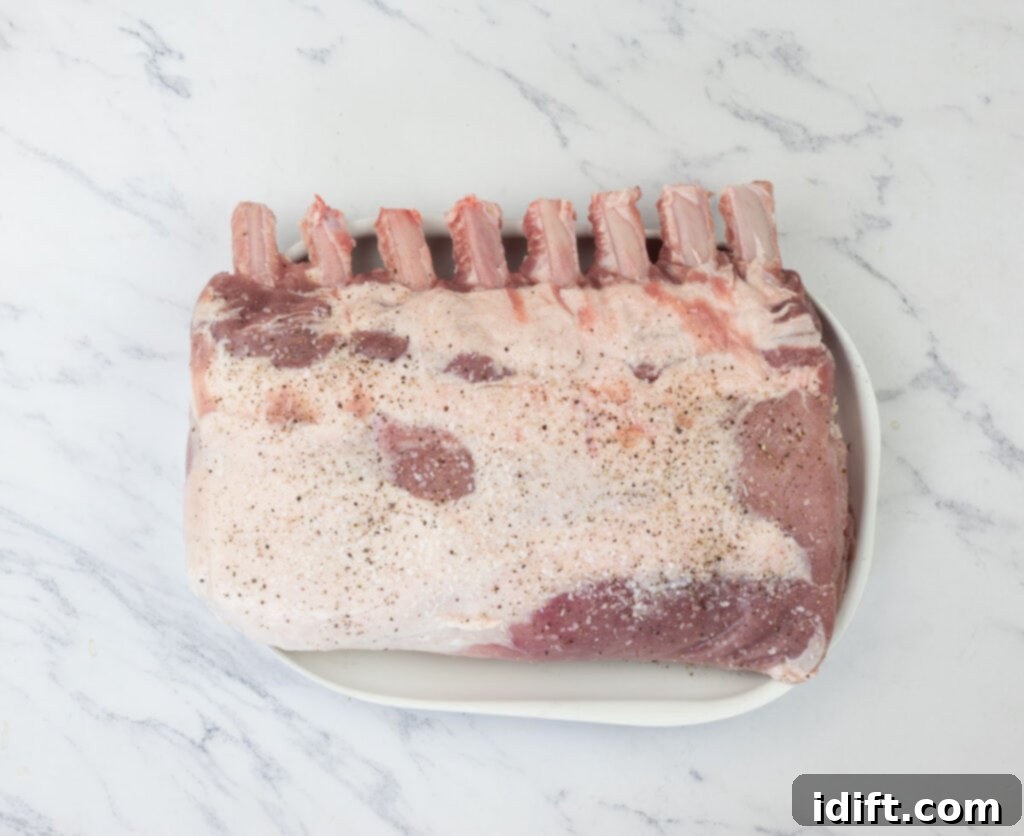
- Season and Sear the Pork: Generously season the entire bone-in pork roast with salt and freshly ground black pepper. In a large, oven-safe skillet or roasting pan (that can also go on the stovetop), heat 3 tablespoons of cooking oil over medium-high heat until shimmering. Carefully place the seasoned roast into the hot oil and brown it on all sides, about 2-3 minutes per side. This searing step creates a beautiful crust and locks in the juices, adding another layer of flavor.
- Prepare the Vegetables: While the pork is searing, prepare your vegetables. Peel the potatoes and cut them into uniform wedges or chunks. Peel the carrots and cut them into 2-inch lengths. Peel the shallots and, if large, cut them in half or quarters. Peel and lightly smash the garlic cloves. Uniform cutting ensures even cooking.
- Season the Vegetables: In a large bowl, toss the prepared potatoes, carrots, shallots, and garlic with the remaining cooking oil. Season them well with salt and pepper. This step ensures the vegetables are flavorful on their own and will contribute richly to the pan drippings.
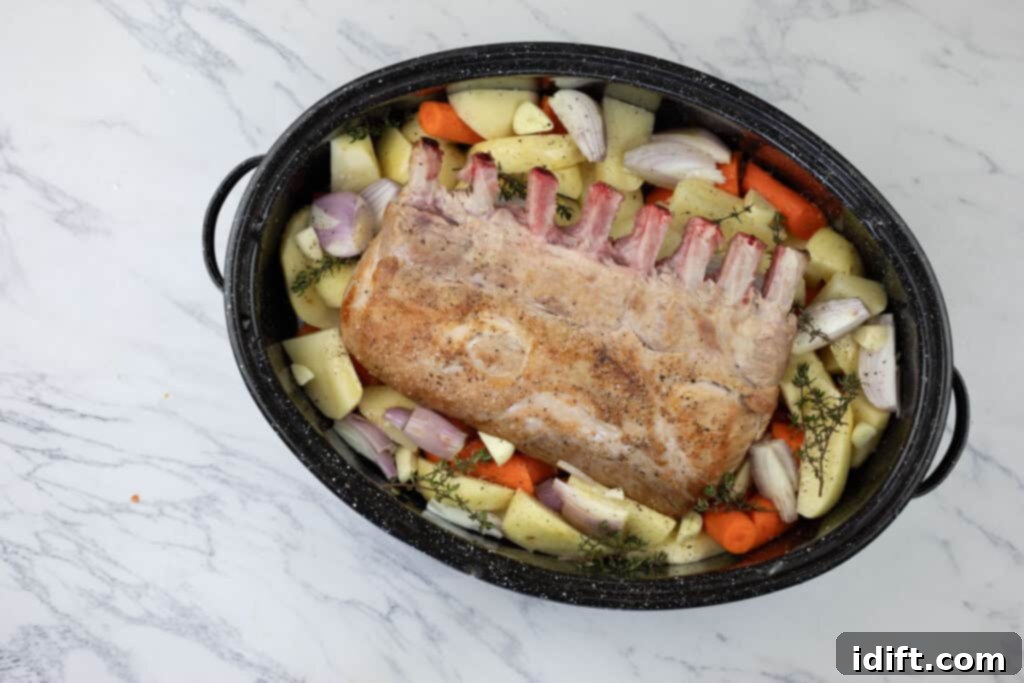
- Assemble for Roasting: Arrange the seasoned vegetables and fresh thyme sprigs evenly across the bottom of your roasting pan or skillet. Create a bed for the pork, then carefully place the seared roast in the center of the vegetables. Pour 1 cup of chicken broth and 1 cup of apple juice into the bottom of the pan around the vegetables. This liquid will keep the roast moist and form the base for your gravy.
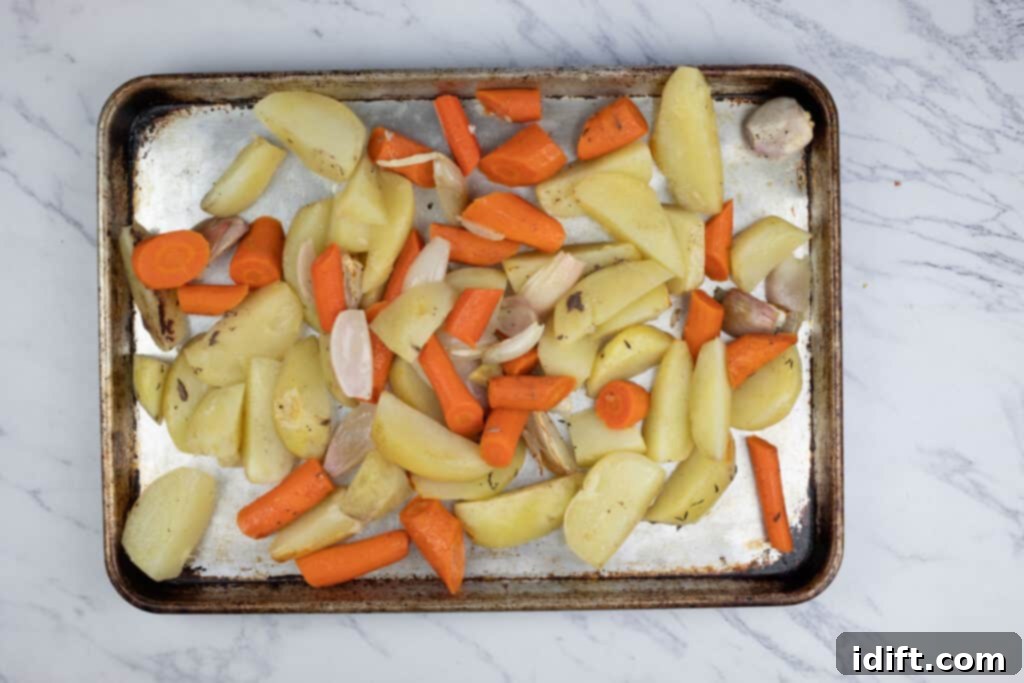
- Initial Roast and Veggie Removal: Place the roasting pan into the preheated oven. Roast the pork at 325°F (160°C) for approximately 45 minutes, or until the internal temperature of the roast reaches 101-105°F (38-40°C) when measured with a meat thermometer inserted into the thickest part, away from the bone. At this point, carefully remove the pan from the oven. Using tongs or a slotted spoon, transfer the partially cooked vegetables to a separate baking sheet, leaving the pork and liquid in the roasting pan.
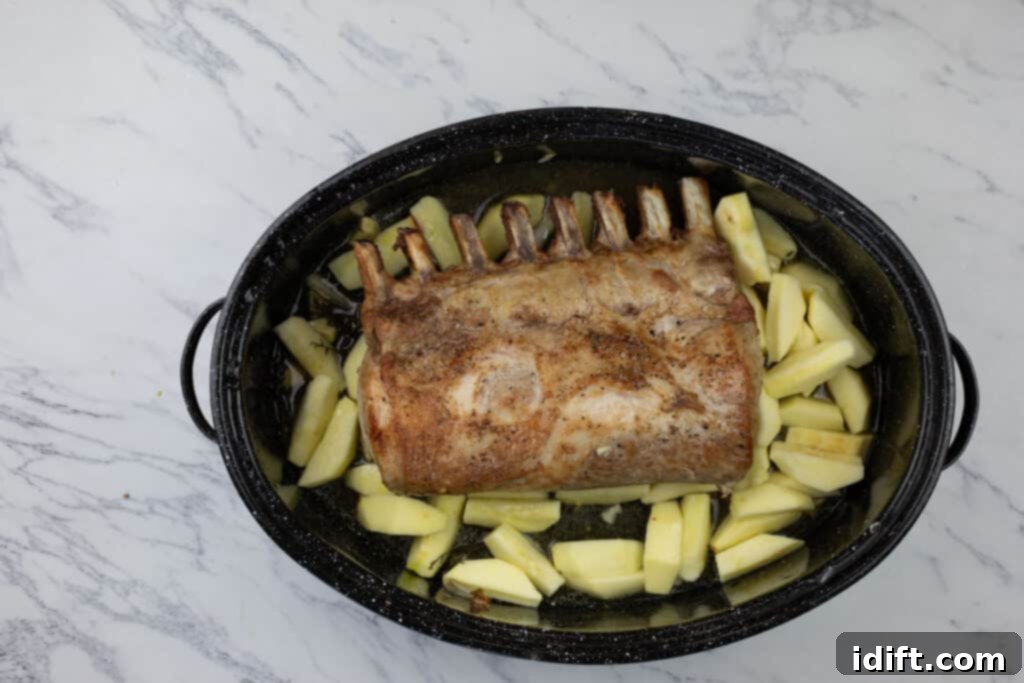
- Add Apples and Finish Roasting: Arrange the peeled and cut apple wedges around the pork in the roasting pan. Return the pan to the oven and continue baking until the pork reaches an internal temperature of 145°F (63°C). This is the safe and ideal temperature for juicy, slightly pink pork. Once the pork reaches temperature, remove it from the oven and transfer it to a clean cutting board. Tent it loosely with foil and let it rest for at least 10-15 minutes. This resting period is crucial for the juices to redistribute, ensuring a tender and moist roast. While the pork rests, scoop the roasted apples out of the roasting pan and place them in a bowl to keep warm.
- Brown the Vegetables: While the pork is resting, turn your oven broiler to high. Place the baking sheet with the reserved vegetables under the broiler for 5-6 minutes, or until they are nicely browned and slightly charred. Keep a close eye on them, as broilers can cook very quickly! If you see any shallots getting too dark, tuck them under other vegetables to prevent burning.
- Prepare the Gravy Slurry: In a small bowl, whisk together the ¼ cup of all-purpose flour with the remaining 1 cup of chicken broth until smooth and no lumps remain. This mixture is called a slurry and will thicken your gravy.
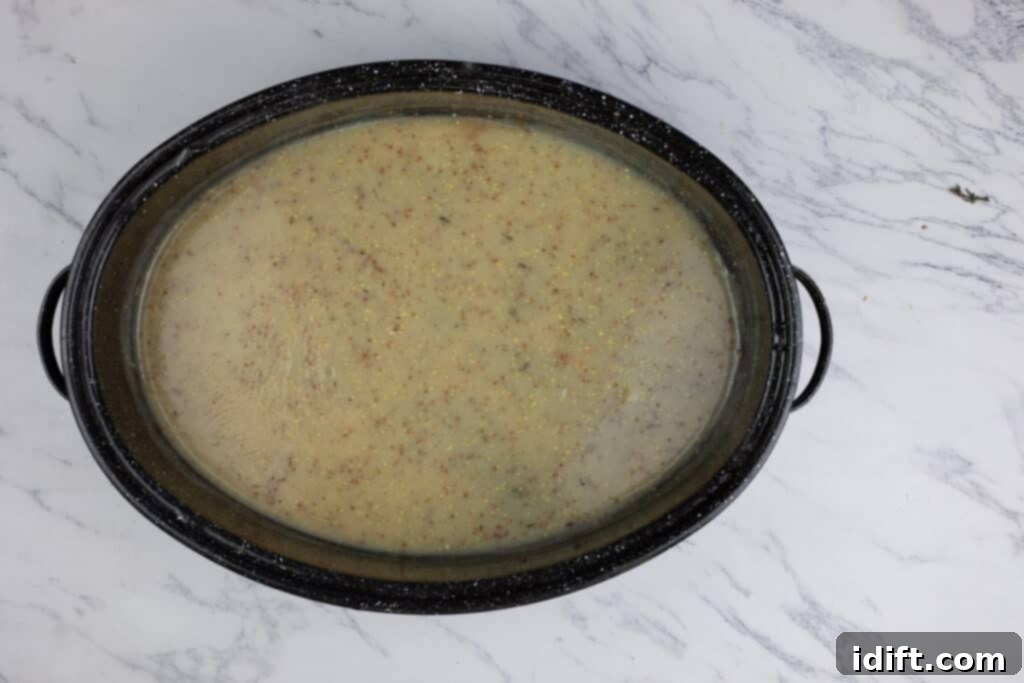
- Make the Gravy: Place the roasting pan (with all the flavorful pan juices) back on the stovetop over low heat. Pour the flour and broth slurry into the pan. Whisk continuously, scraping up any browned bits from the bottom of the pan, until the gravy begins to simmer and thickens to your desired consistency. This should take 2-3 minutes. Remove from heat and stir in the 1 tablespoon of apple cider vinegar and 1 tablespoon of whole grain mustard. Taste and adjust the seasoning with salt and pepper as needed. Simmer for another 2-3 minutes to allow the flavors to meld, then transfer the rich gravy to a serving boat. For an extra touch of richness, you can whisk in a tablespoon of butter at the very end.
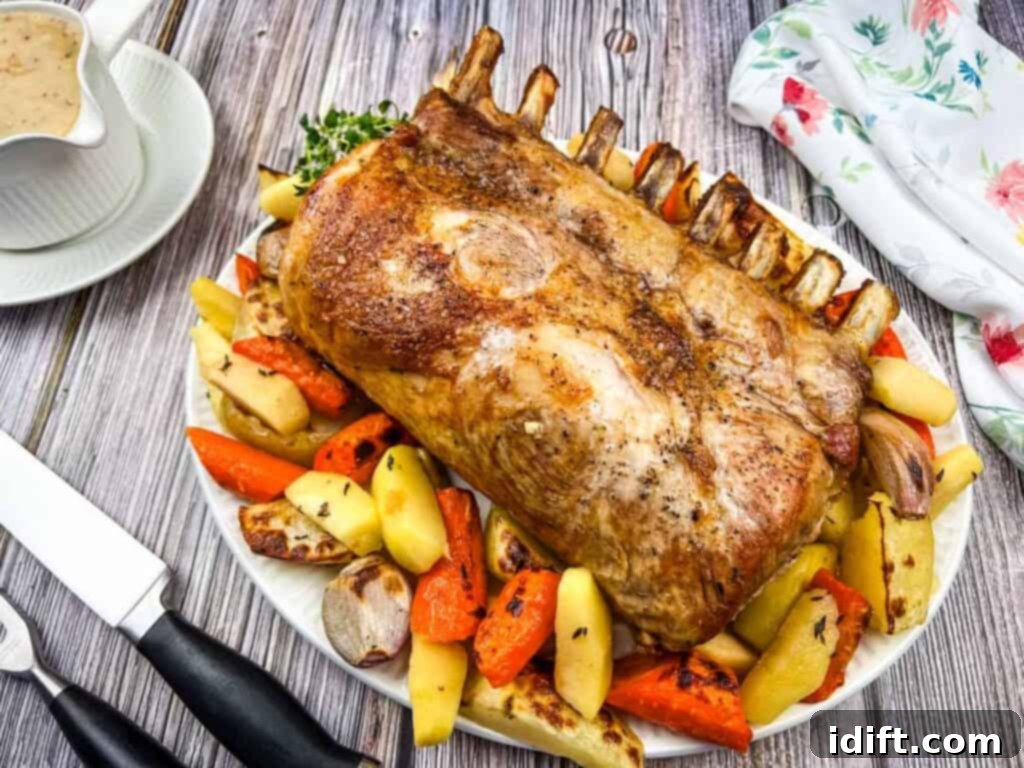
- Slice and Serve: Slice the rested pork roast, cutting evenly between the bones for clean chops. Any accumulated juices on the cutting board should be poured into the gravy – don’t let that flavor go to waste! Serve the sliced pork alongside the beautifully roasted apples, browned vegetables, and the incredible homemade gravy.

Expert Tips for Roasting Success
- Achieve Perfect Juiciness with Three Key Steps: For a pork roast that’s consistently tender and succulent, follow these golden rules. First, always temper your meat by allowing it to sit at room temperature for at least 30-60 minutes before cooking. This helps it cook more evenly. Second, employ the “low and slow” roasting method; cooking at a moderate temperature for a longer period prevents the meat from drying out and ensures a uniform texture. Avoid blasting the temperature high and then turning off the oven, as this can lead to uneven cooking. Third, and perhaps most crucial, let the meat rest generously after roasting – at least 10-15 minutes. This allows the internal juices to redistribute, resulting in a significantly more moist and flavorful slice.
- The Meat Thermometer is Your Best Friend: Eliminate guesswork and ensure your pork is perfectly cooked every time by using a reliable meat thermometer. For a safe and wonderfully juicy pork roast, aim to pull it out of the oven when it reaches an internal temperature of 145°F (63°C). At this temperature, the pork will have a delicate blush of pink, indicating it’s still incredibly moist and delicious, without being overdone. Remember that the temperature will continue to rise slightly as the meat rests.
- Customize Vegetable Tenderness: If you find your vegetables are still a bit too firm after their initial roasting period, don’t worry! Simply transfer them to a separate oven-safe dish and pop them back into the oven to continue cooking while the pork finishes roasting or rests. This allows you to achieve your desired level of tenderness for the veggies without affecting the pork’s perfect cook time. Alternatively, if your oven is busy, you can finish them on the stovetop in a skillet until tender-crisp.
- Choosing the Right Apples: While the recipe suggests Gala, any firm, slightly tart apple works wonderfully. Honeycrisp, Fuji, or Granny Smith are excellent alternatives that hold their shape and offer a balanced sweetness. Avoid softer, sweeter apples like Red Delicious, as they tend to turn mushy during roasting.
- Don’t Rush the Searing: The initial searing of the pork is not just for color; it builds an incredible depth of flavor known as the Maillard reaction. Ensure your pan is hot and give each side enough time (2-3 minutes) to develop a deep golden-brown crust before turning. This extra step is well worth the flavor reward.
- Gravy Customization: While the provided gravy recipe is fantastic, feel free to adjust it to your taste. For a richer gravy, you can add a splash of red wine or a touch of balsamic vinegar alongside the apple cider vinegar. If you prefer a thinner gravy, add more chicken broth. For extra smoothness, strain the gravy before serving.
Recommended Pairings & Recipes
German Pork Loin Slow Cooker
Smoked Pork Rib Roast
Pork Chop with Green Onions
Make It A Complete Meal
While our Pork Roast with Apples is truly a complete meal, boasting hearty protein, delicious carbs from the potatoes, and savory-sweet vegetables, you might want to round out your dining experience with a delightful dessert. Sticking with the apple theme is a fantastic choice! Consider serving Nanna’s Favorite Apple Cake for a truly comforting finish, or perhaps the decadent Brown Butter Apple Blondies for a rich, chewy treat. For a lighter touch, a crisp green salad dressed with a simple vinaigrette can be a refreshing start to this robust meal.
Storage and Reheating Tips
Leftover Roasted Pork with Apples is a true treasure! To ensure it remains delicious, store any leftovers in an airtight container in the refrigerator for up to three days. For optimal reheating, gently warm slices of pork and vegetables in a pan on the stovetop over low heat, adding a splash of chicken broth or apple juice to prevent drying. You can also reheat it in the oven at 300°F (150°C) until warmed through. The gravy can be reheated separately in a small saucepan, adding a little water or broth if it has thickened too much.
Frequently Asked Questions (FAQ)
- Can I use a boneless pork roast? Yes, you can. A boneless pork loin or sirloin roast will work, but cooking times may be slightly shorter. Keep a close eye on the internal temperature to prevent overcooking, as boneless cuts can dry out more easily. The flavor of the gravy might also be slightly less rich without the bone.
- What if I don’t have fresh thyme? While fresh thyme offers the best aroma and flavor, you can substitute it with dried thyme. Use about 1 teaspoon of dried thyme for every tablespoon of fresh sprigs called for in the recipe.
- Can I use different vegetables? Absolutely! Feel free to customize your roast with other root vegetables like parsnips, sweet potatoes, or even butternut squash. Ensure they are cut into similar-sized chunks as the potatoes and carrots to ensure even cooking.
- My gravy is too thin/too thick. How can I fix it? If your gravy is too thin, you can simmer it longer to reduce and thicken, or create a small slurry with a teaspoon of cornstarch mixed with cold water and whisk it into the simmering gravy until it reaches your desired consistency. If it’s too thick, simply whisk in a little more chicken broth or water until it thins out.
- Can I prepare this dish ahead of time? You can do some prep work in advance. Prepare and chop all your vegetables and apples a day ahead and store them in separate airtight containers in the refrigerator. You can also season the pork a few hours before roasting. The actual roasting and gravy-making steps are best done just before serving for the freshest taste and texture.

Save this recipe, and we’ll send it to your inbox. Plus, Chef Jenn will send you more great recipes every week!

Print
Pin
Pork Roast With Apples
Ingredients
- 5 pound bone in pork roast (about 5 pounds)
- 3 tablespoons cooking oil
- salt and pepper
- 1 pound potatoes (peeled and cut into wedges)
- 1 pound carrots (peeled and cut into 2-inch chunks)
- 3 shallots (peeled and cut in half)
- 6 cloves garlic (peeled and smashed)
- 4 sprigs fresh thyme
- 2 cups chicken broth (divided)
- 1 cup apple juice
- 4-5 apples (about 1 pound, peeled and cut into wedges)
- ¼ cup all-purpose flour
- 1 tablespoon whole grain mustard
- 1 tablespoon apple cider vinegar
Instructions
- Preheat your oven to 325°F (160°C).
- Season the roast generously with salt and pepper. Heat 3 tablespoons of oil in a large skillet or roasting pan over medium-high heat. Brown the roast on all sides for 2-3 minutes per side.
- While the meat browns, prepare the vegetables: peel and cut potatoes into chunks, carrots into 2-inch lengths, and peel shallots and garlic cloves (cut shallots in half if large).
- Toss the prepared vegetables with the remaining oil and season with salt and pepper.
- Arrange the seasoned vegetables and thyme sprigs in the bottom of the baking dish, then place the seared roast in the middle. Add 1 cup of chicken broth and 1 cup of apple juice to the pan.
- Roast the pork at 325°F (160°C) for about 45 minutes, or until its internal temperature reaches 101-105°F (38-40°C). Remove the vegetables from the pan and transfer them to a baking sheet.
- Add the cut apples to the baking dish around the pork. Continue baking until the pork reaches 145°F (63°C). Remove the pork to a cutting board to rest, and scoop the apples into a bowl to keep warm.
- Once the roast is out, turn the broiler to high. Broil the vegetables for 5-6 minutes until browned. Ensure shallots are tucked under to prevent burning.
- To make the gravy, mix ¼ cup flour with the remaining 1 cup chicken broth to create a slurry. Add this slurry to the pan juices in the roasting dish.
- Turn the heat to low and whisk constantly until the gravy simmers and thickens. Stir in the apple cider vinegar and whole grain mustard. Adjust seasoning as needed. Simmer for 2-3 minutes, then transfer to a gravy boat.
- Slice the rested roast evenly between the bones. Pour any accumulated juices from the cutting board into the gravy. Serve the pork along with the roasted apples, vegetables, and rich gravy.
Notes
Chef Jenn’s Tips
- There are 3 steps to perfectly juicy and tender meat. 1. Temper the meat first so that it comes to room temperature before cooking. 2. Cooking the meat low and slow. I’m not a fan of blasting the temperature high and then turning off the oven or other cooking hacks. 3. Let the meat rest for at least 10-15 minutes before cutting.
- Use a meat thermometer to ensure the pork is perfectly cooked without being overdone. Pull the pork out of the oven at 145-F and it’ll still have a blush of pink and still be juicy and delicious.
- If your vegetables are still too hard after you take them out of the oven, pop them into another oven-safe dish and let them cook in the oven as the roast finishes cooking.
Nutrition
A Note on Nutritional Information
Nutritional information for this recipe is provided as a courtesy and is calculated based on available online ingredient information. It is only an approximate value. The accuracy of the nutritional information for any recipe on this site cannot be guaranteed.