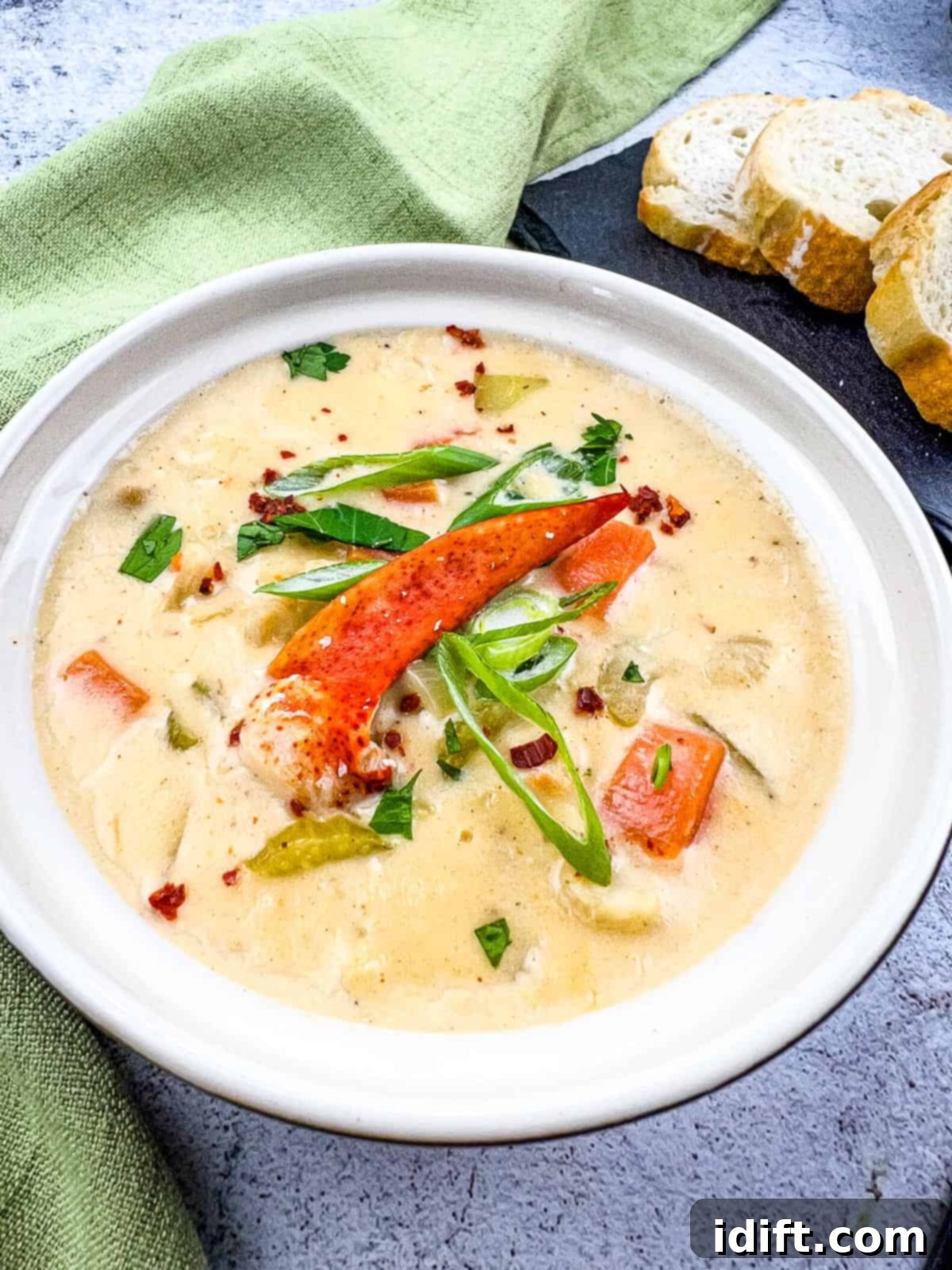
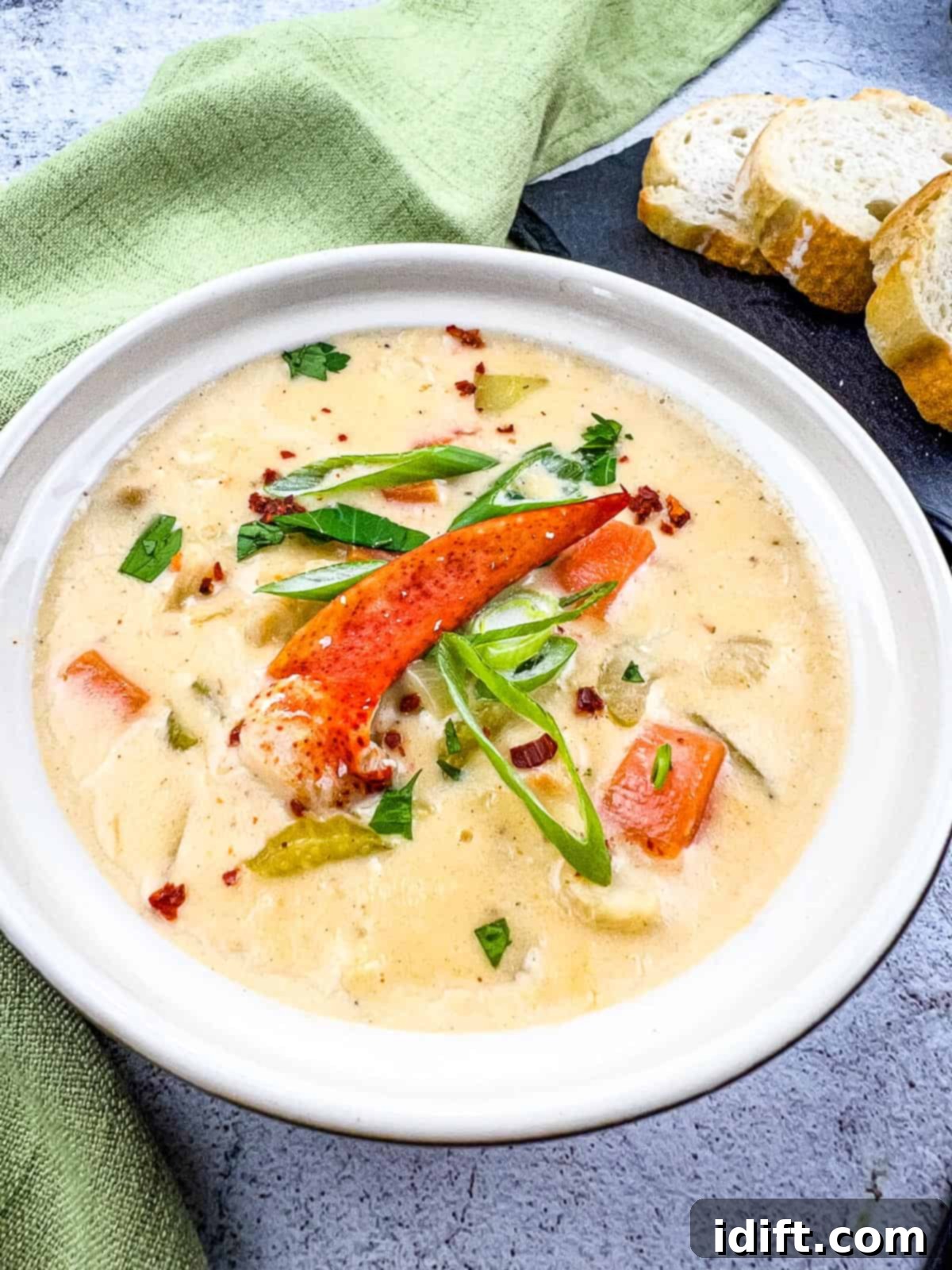
Experience the rich culinary heritage of the East Coast with this unparalleled Lobster Chowder recipe. Thick, exquisitely creamy, and brimming with succulent, sweet chunks of lobster, this dish truly reigns as the monarch of all chowders. Far from being an intimidating gourmet creation, this hearty and satisfying soup is surprisingly straightforward to prepare, making it an ideal choice for a comforting weeknight dinner or an impressive centerpiece for a special gathering. So, gather your ingredients and your favorite soup pot, and prepare to embark on a delicious journey to the heart of New England’s classic seafood tradition.
This post may contain affiliate link(s). As an Amazon Associate, I earn from qualifying purchases. See Disclosure.
It’s fascinating to reflect on the remarkable transformation of lobsters, now revered as one of the ultimate luxury foods. Historically, these plentiful crustaceans were often considered a food for the impoverished, even used as fertilizer, and frequently discarded as inedible by early settlers. Today, however, lobsters are globally celebrated, highly sought-after, and command a prime spot on menus ranging from the most exclusive high-end restaurants to cherished family dinners prepared lovingly at home. Their journey from unwanted bottom-feeder to culinary icon is a testament to evolving tastes and the discovery of their incredible flavor profile.
For those fortunate enough to reside along the picturesque East Coast, indulging in fresh lobsters might be a more regular occurrence, whether steamed whole, nestled in a buttery roll, or stirred into a vibrant bisque. But geography shouldn’t limit your culinary adventures. This exquisite Lobster Chowder recipe is meticulously designed to be simple and accessible, allowing anyone, regardless of their location, to recreate the authentic taste of a coastal delicacy right in their own kitchen. We’ll guide you through every step to ensure your homemade lobster chowder rivals any restaurant offering.
Why You’ll Adore This Easy Lobster Chowder Recipe
- Unrivaled Texture and Flavor: This chowder is exceptionally thick, wonderfully creamy, and generously packed with large, tender chunks of sweet lobster meat. Each spoonful delivers a rich, satisfying mouthfeel that’s simply irresistible.
- Effortlessly Delicious: Don’t let its gourmet appeal intimidate you. This recipe is designed for ease, making it perfectly achievable for home cooks of all skill levels. The result is a profoundly delicious meal that tastes like it came from a five-star restaurant.
- Freezer-Friendly Convenience: Planning ahead or want to enjoy it later? This lobster chowder freezes beautifully, allowing you to savor its incredible flavors whenever the craving strikes. Simply thaw and gently reheat for a quick, luxurious meal.
- A Taste of New England at Home: Transport your taste buds to the charming shores of New England with every bite. This authentic recipe captures the essence of classic coastal cuisine, bringing warmth and comfort to your table.
- Perfect for Any Occasion: Whether you’re looking for a hearty weeknight dinner to fend off the chill, a sophisticated appetizer for a dinner party, or a comforting bowl of pure indulgence, this lobster chowder fits the bill perfectly.
The Indispensable Secret to Crafting the Ultimate Lobster Chowder
While many believe that liberal amounts of cream are the sole key to a stellar chowder, the true secret to achieving a restaurant-quality, deeply flavorful, and utterly delicious lobster chowder lies far deeper: it’s all in the stock. Much like any truly exceptional soup, the foundation of flavor must be built layer by layer, and for lobster chowder, that crucial first layer is a rich, aromatic lobster stock. It provides an unparalleled depth of savory, briny goodness that simply cannot be replicated with generic broths.
Of course, if homemade lobster stock isn’t an option, you can certainly use high-quality chicken, vegetable, or even a good seafood broth or stock. However, for the most authentic and intensely flavorful experience, we wholeheartedly encourage you to make your own. The process is surprisingly simple, and if you have saved lobster shells (a practice we highly recommend!), you’re already halfway to creating a stock that will elevate your chowder from good to absolutely extraordinary.
How to Prepare Essential Homemade Lobster Stock
Creating your own lobster stock is a straightforward process that yields immense flavor rewards, transforming your chowder from merely delicious to truly unforgettable. Don’t let the idea of making stock from scratch daunt you; it’s mostly hands-off simmering time. By utilizing lobster shells – a common byproduct that many discard – you’re extracting every last bit of their sweet, oceanic essence. This concentrated flavor forms the backbone of your chowder, providing a depth and authenticity that store-bought alternatives simply cannot match. You can save lobster shells in your freezer until you’ve accumulated enough to make a batch.
To make this flavorful stock, simply combine the following ingredients in a large, heavy-bottomed soup pot. Allow the mixture to gently simmer for about 90 minutes, allowing all the rich flavors to meld and intensify. Afterward, strain the stock thoroughly, discarding the solids. The resulting liquid gold is your base for the most incredible lobster chowder. Any unused stock can be frozen for future culinary endeavors, ensuring you always have this secret ingredient on hand for whenever the chowder craving strikes!
- 10-12 cups cold water
- 4-6 cups lobster shells (including legs, bodies, and heads – the more, the merrier, for maximum flavor!)
- 1 large yellow or white onion, roughly chopped
- 2 stalks celery, roughly chopped
- 1 large carrot, roughly chopped
- 2 cloves garlic, lightly smashed
- 1 tablespoon tomato paste (adds a subtle umami depth and color)
Explore More Seafood and Comfort Food Delights
If you’re savoring the rich flavors of this Lobster Chowder, you’re likely to enjoy these other delightful and easy-to-make recipes. Expand your culinary repertoire with more delicious seafood creations or discover other hearty dishes perfect for any day of the week.
Key Ingredients for an Authentic Lobster Chowder
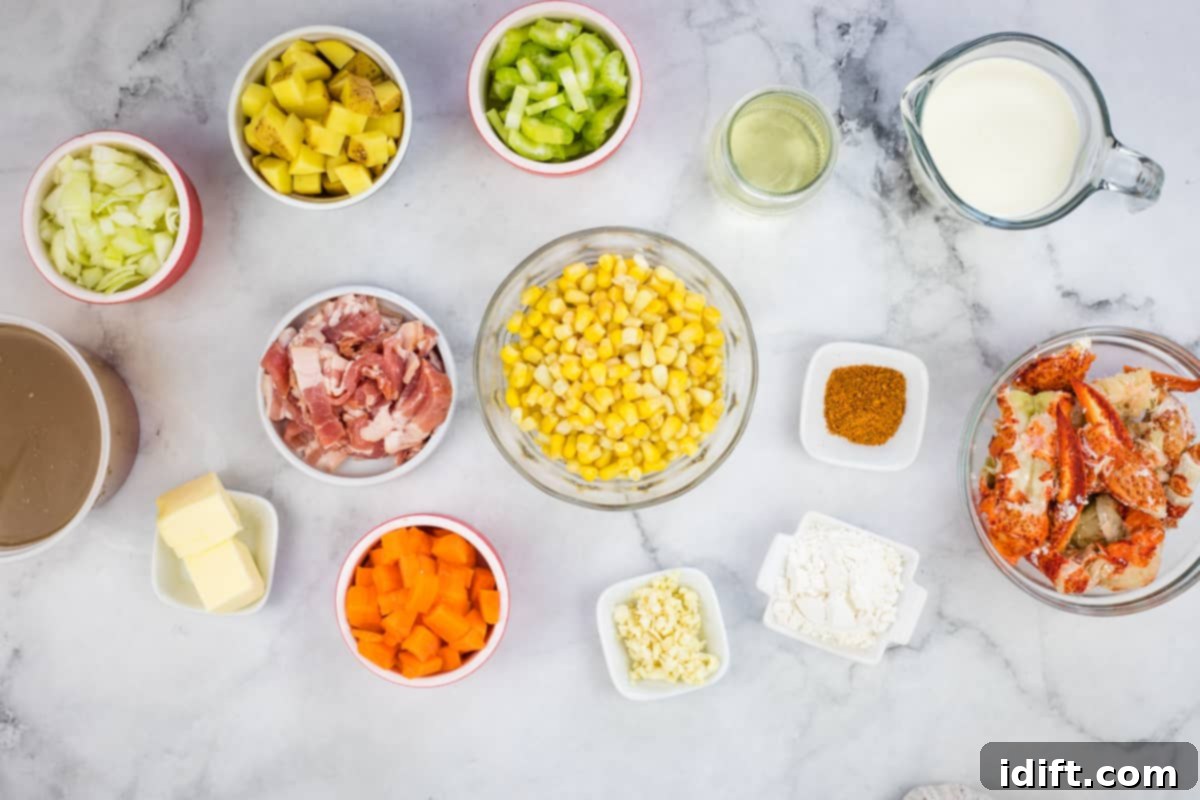
Crafting the perfect lobster chowder involves a harmonious blend of fresh, high-quality ingredients that contribute to its rich texture and unparalleled flavor. Each component plays a vital role in building the layers of taste that make this New England classic so beloved. Here’s a detailed look at what you’ll need and some tips for selection:
- Lobster Stock: The absolute foundation of flavor. Homemade lobster stock, prepared from the shells, is highly recommended for its intense depth and authentic oceanic taste. If time is a constraint, a good quality chicken, vegetable, or seafood broth can be used as a substitute, though the final flavor will be noticeably different.
- Lobster Meat: The star of the show! You’ll need cooked lobster meat. This can be sourced from pre-cooked whole lobsters, tails, or claws. Freshly cooked and picked lobster meat will offer the best texture and flavor, but high-quality frozen cooked lobster can also work beautifully. Ensure it’s diced into sizable, succulent chunks.
- Bacon: A few slices of smoky bacon are crucial, not just for the flavor of the rendered fat, but also for the savory crunch of the cooked bacon itself (which can be used as a garnish or in other dishes). The rendered bacon fat provides a foundational layer of richness and flavor that butter alone cannot replicate. For a vegetarian option, use a neutral oil like canola or vegetable oil.
- Butter: Essential for sautéing the aromatics and adding to the overall luxurious, creamy texture of the chowder. Both salted or unsalted butter work; just adjust the added salt accordingly.
- Onion: Diced white or yellow onion forms the aromatic base. When sautéed until translucent, it releases a sweet, pungent flavor that is critical to the chowder’s profile.
- Carrot: Finely diced carrots add a touch of sweetness, vibrant color, and an earthy depth that complements the seafood. Cut them into small, bite-sized pieces so they cook evenly and integrate well into the chowder.
- Celery: Also diced small, celery provides a subtle bitterness and freshness that balances the richness of the other ingredients, completing the classic mirepoix base.
- Garlic: Freshly minced garlic is always superior to pre-minced for its pungent aroma and robust flavor. It’s an indispensable aromatic for almost any savory soup.
- Potatoes: Small-diced, starchy potatoes (like Russets or Yukon Golds) are key to a thick, satisfying chowder. They absorb the flavors of the broth and break down slightly during cooking, contributing to the creamy consistency.
- Corn: Frozen corn niblets are perfectly fine and convenient. They add bursts of sweetness and a lovely texture contrast. Fresh corn cut from the cob in season would be an even more delightful addition.
- White Wine: (Optional but highly suggested) A dry white wine, such as Sauvignon Blanc or Pinot Grigio, is used for deglazing the pot. It adds a layer of bright acidity and complex flavor, scraping up any delicious browned bits from the bottom of the pot.
- Old Bay Seasoning: This iconic blend of spices and herbs is a secret weapon for seafood dishes. It provides a distinctive, savory, and slightly spicy flavor profile that makes this chowder truly perfect, imparting a classic East Coast taste.
- All-Purpose Flour: Used to create a roux with the butter and bacon fat, the flour acts as a thickening agent, giving the chowder its signature rich, velvety body.
- Cream: For the ultimate luxurious texture, heavy cream (or heavy whipping cream) is recommended. It delivers the richest, most decadent chowder. Half and half can be used for a slightly lighter version, and milk or unsweetened evaporated milk are also options if you prefer less richness, but heavy cream undoubtedly produces the most superior result.
- Salt and Pepper: Essential for seasoning to taste. Start with a moderate amount and adjust at the end, as the stock and bacon can already contribute significant salinity.
Simple Steps to Prepare Delicious Lobster Chowder
Making this hearty and flavorful lobster chowder is a rewarding experience, and you’ll find the process remarkably straightforward. Follow these steps carefully, and you’ll be enjoying a bowl of homemade East Coast comfort in no time. For a precise list of ingredient quantities and detailed measurements, please refer to the complete recipe card located at the bottom of this page.
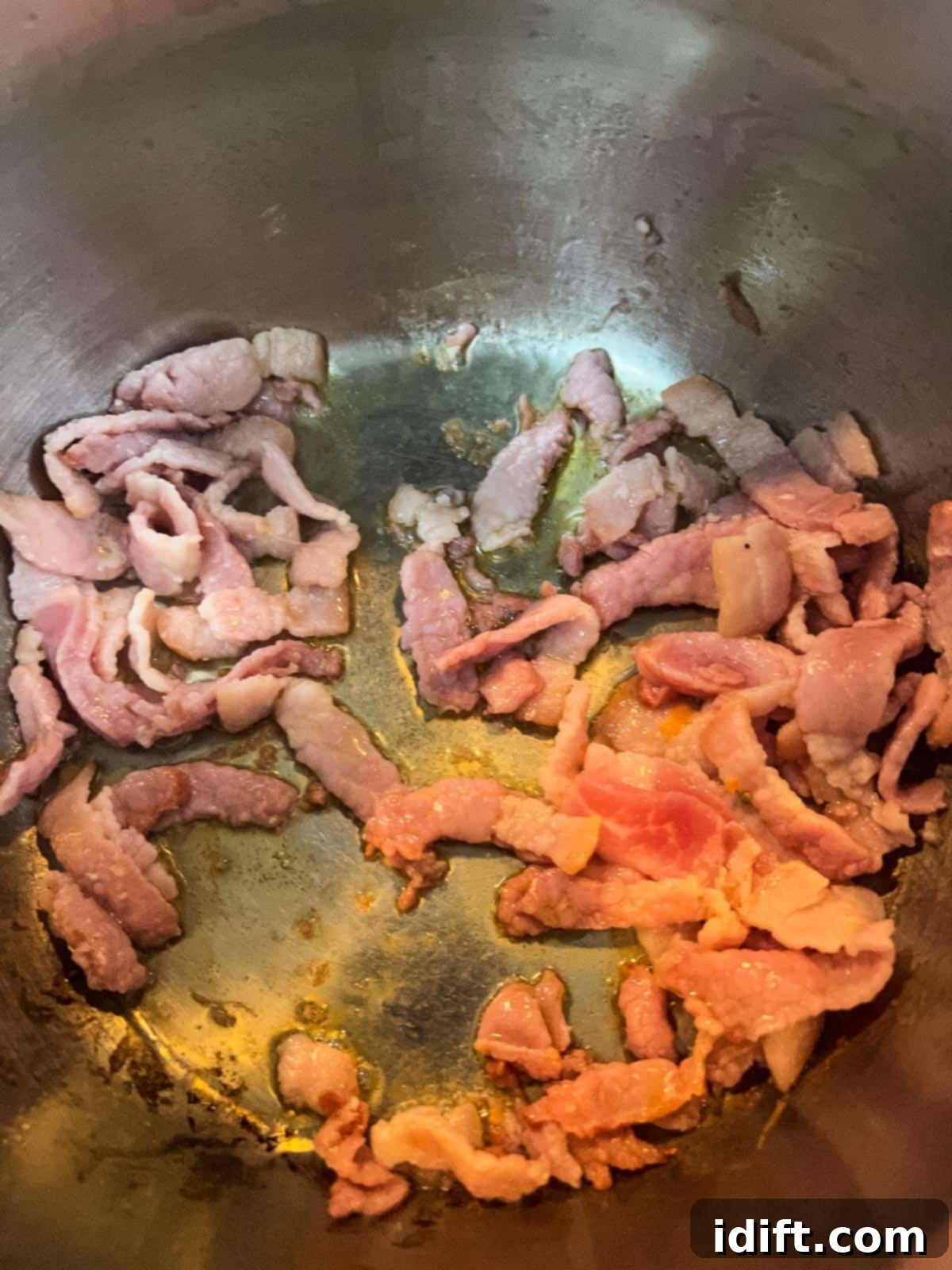
- Render the Bacon: Begin by frying the bacon slices in a large, heavy-bottomed soup pot over medium heat. Cook until they are wonderfully crisp and have rendered most of their fat. This usually takes about 4-5 minutes. Once crisp, remove the bacon from the pot and set it aside for another use (or crumble it as a garnish for your chowder!). The goal here is to keep the flavorful bacon fat in the pot, as it forms the first layer of depth for our chowder.
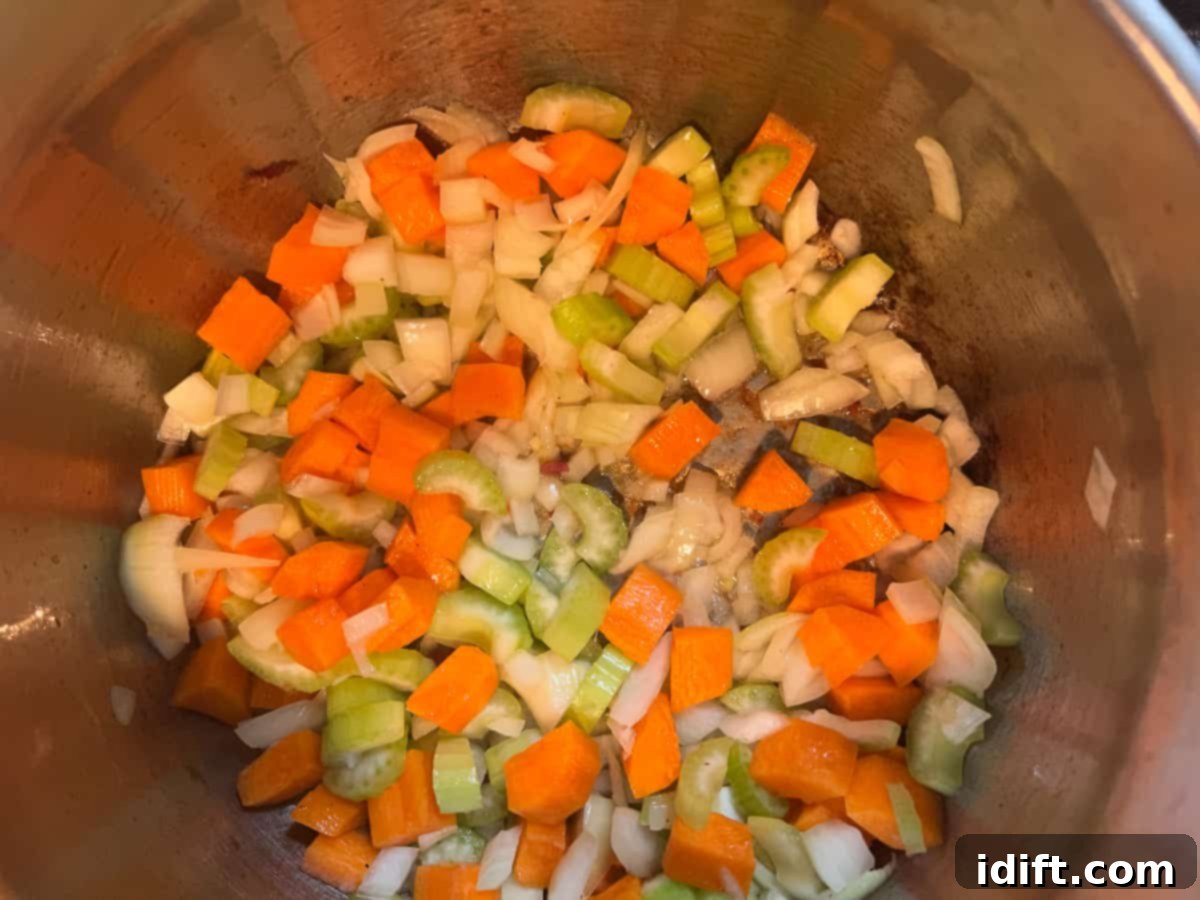
- Sauté the Aromatics: Add the butter to the hot bacon fat in the pot. Once the butter has melted and is gently bubbling, add the diced onions, carrots, and celery. Sauté these vegetables, stirring occasionally, until they become soft and translucent, which typically takes about 8-10 minutes. This step is crucial for building the flavor base. Then, stir in the minced garlic and Old Bay seasoning, cooking for just one more minute until fragrant. Be careful not to burn the garlic.
- Deglaze with Wine: Pour the white wine into the pot, scraping up any browned bits that may have accumulated on the bottom of the pan. This process, called deglazing, adds incredible depth of flavor. Allow the wine to simmer and reduce until most of it has evaporated, typically 2-3 minutes, leaving behind its concentrated essence.
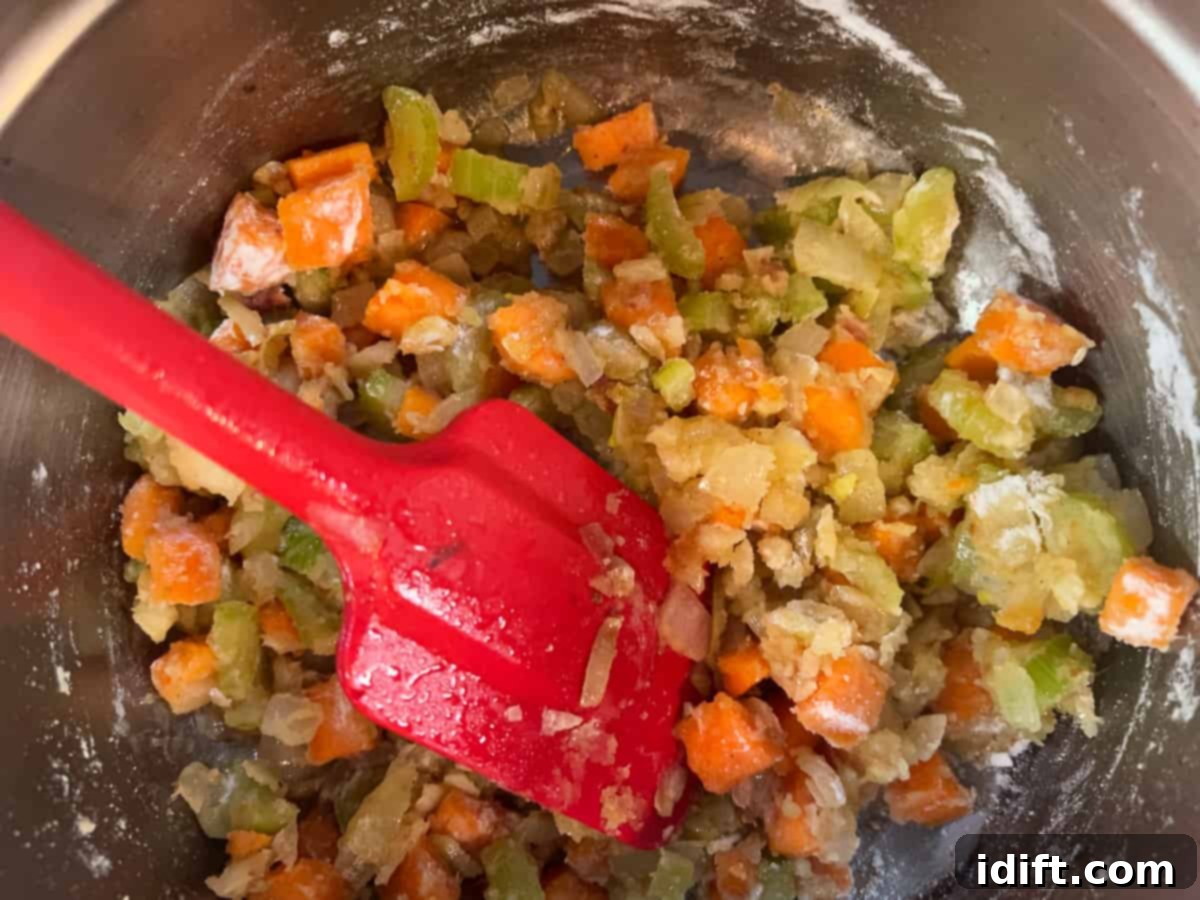
- Create the Roux: Temporarily turn off the heat. Sprinkle the all-purpose flour over the sautéed vegetables and whisk it vigorously until no dry spots remain and the flour is fully incorporated, forming a thick paste (a roux). This roux will be your primary thickener.
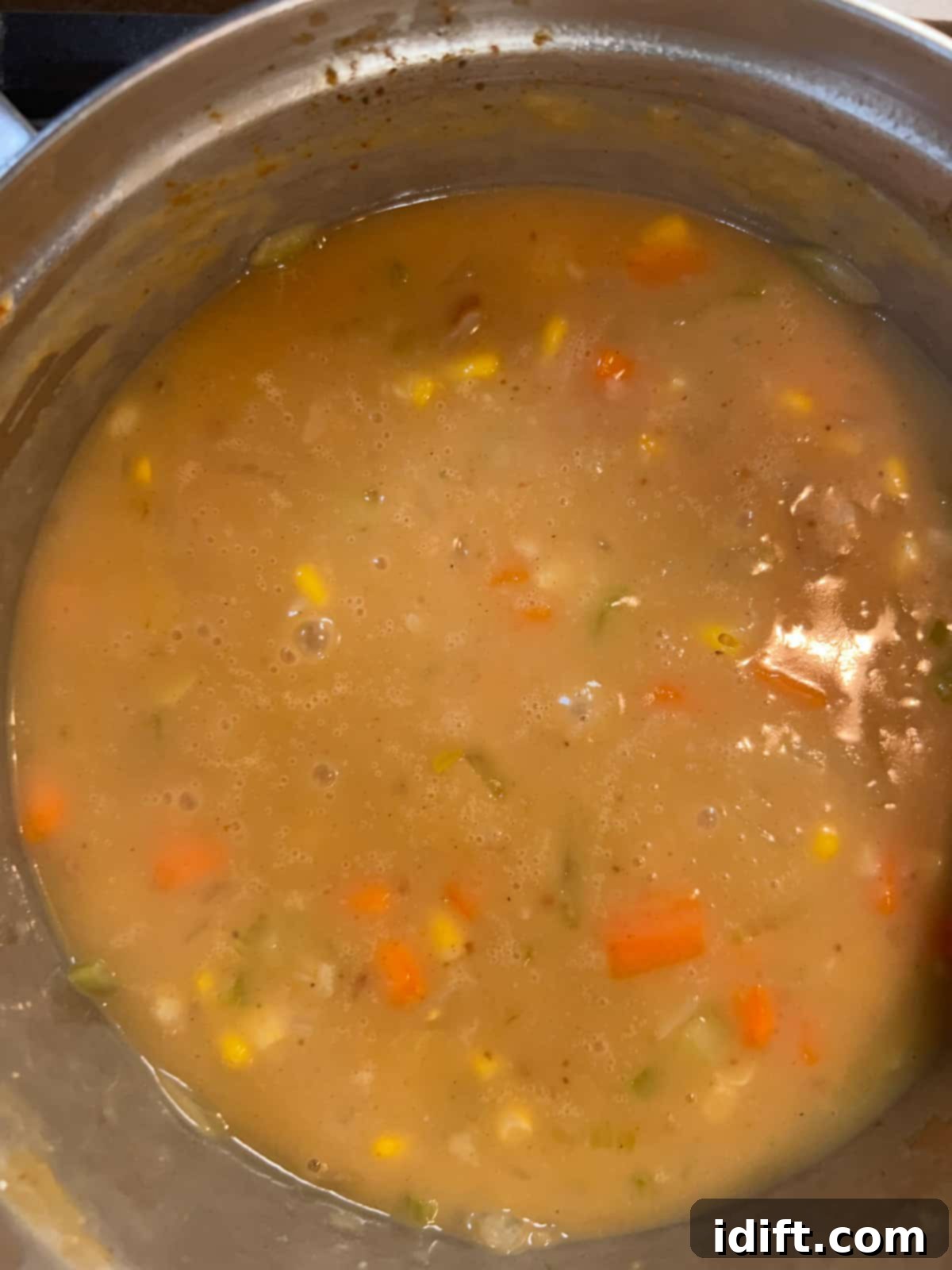
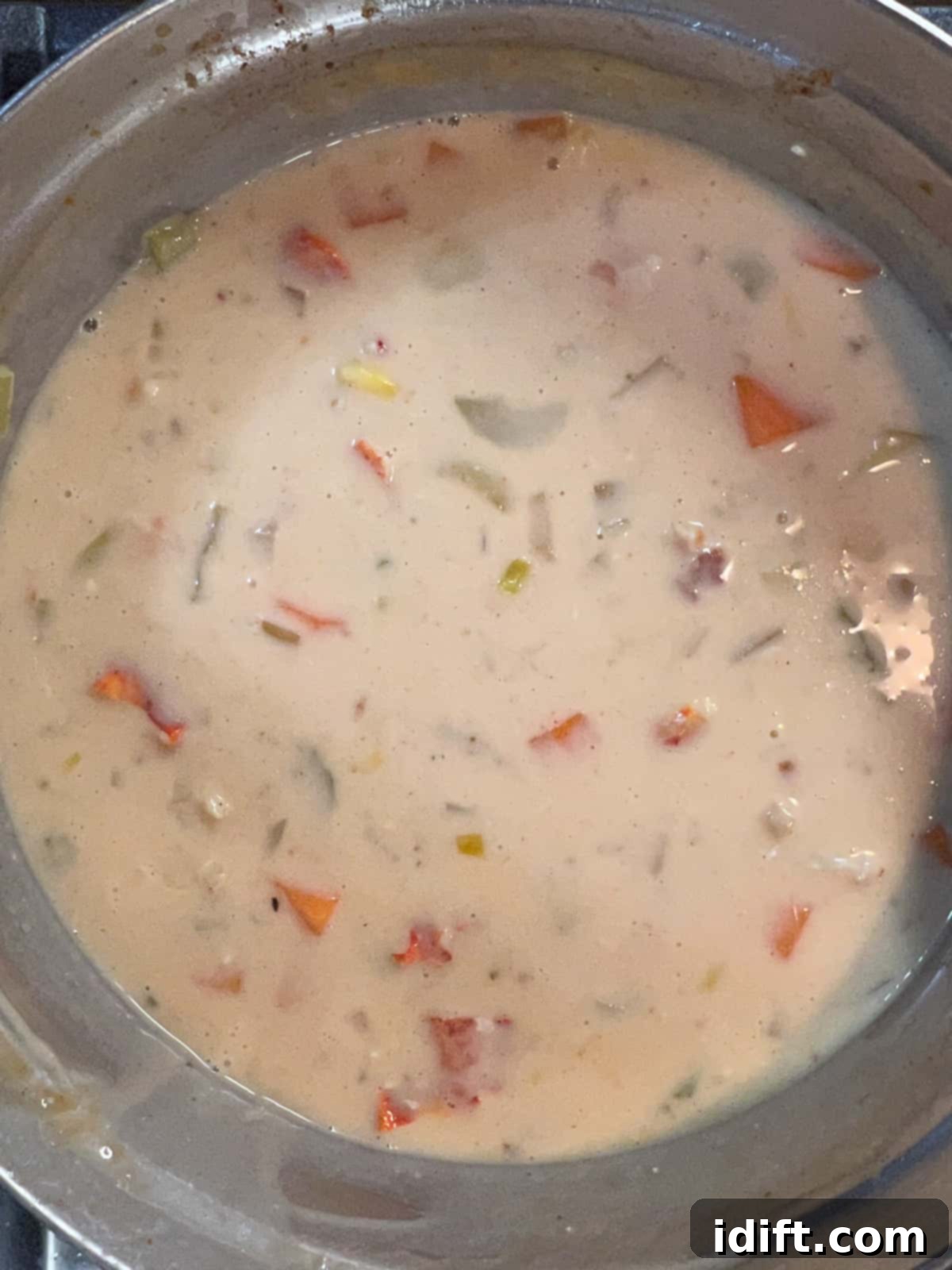
- Gradually Add Stock and Simmer: Slowly begin to whisk in the lobster stock, adding it in small increments initially to prevent lumps. Continue whisking constantly until the mixture is completely smooth and lump-free. Once all the stock is incorporated, turn the heat back to low, cover the pot with a lid, and let it gently simmer for 20 minutes. This allows the flavors to meld and the roux to fully thicken the base.
- Introduce Potatoes, Corn, and Lobster: After the initial simmering, add the diced potatoes to the pot. Continue to cook for another 5-10 minutes, or until the potatoes are just tender when pierced with a fork. Next, stir in the corn niblets and the diced lobster chunks.
- Finish with Cream and Season: Finally, pour in the heavy cream (or your chosen dairy). Stir gently to combine. Season the chowder generously with salt and freshly ground black pepper to taste. Continue to heat the chowder through for just a few minutes, ensuring it’s hot but do not allow it to come to a rolling boil once the cream is added, as this can cause it to curdle.
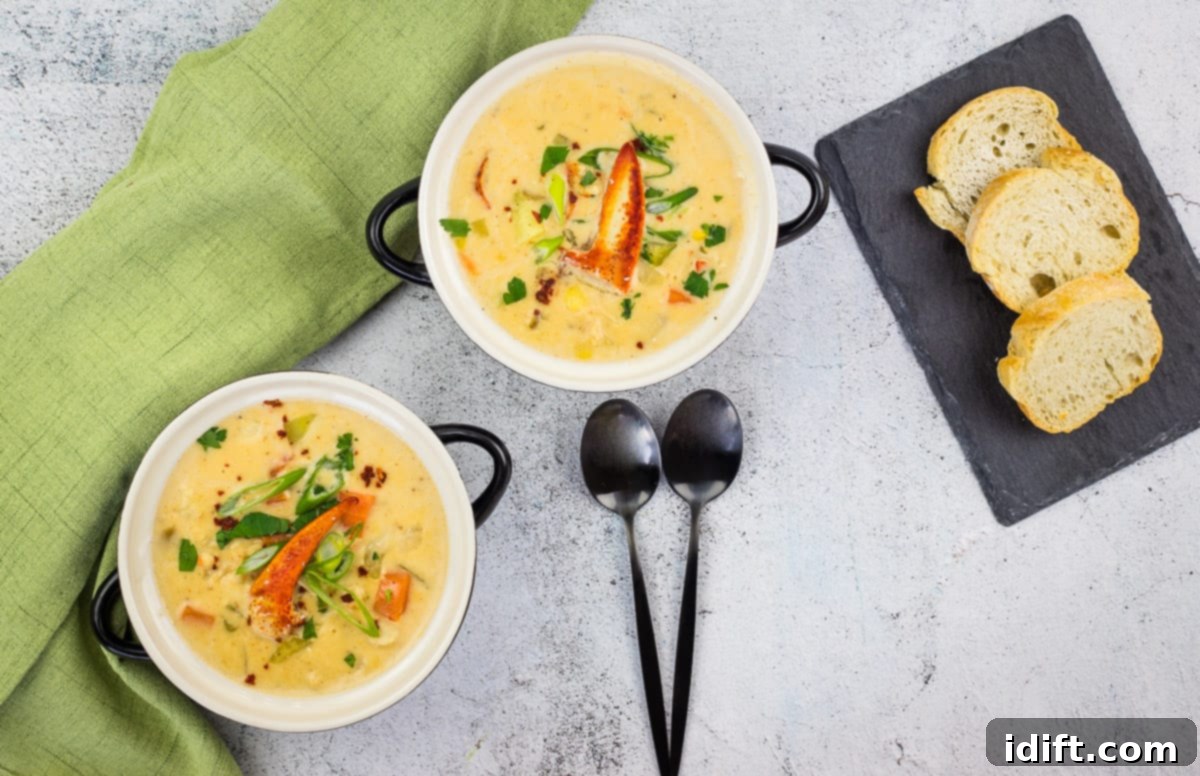
- Serve and Savor: Ladle the steaming hot lobster chowder into bowls. Garnish with a sprinkle of fresh parsley or some reserved lobster claw meat for an elegant touch. Serve immediately and enjoy this incredibly rich and satisfying East Coast classic!
Expert Tips from Chef Jenn for Perfect Chowder Every Time
Achieving a truly exceptional lobster chowder involves a few insider tricks that can elevate your dish from good to gourmet. Chef Jenn shares her valuable insights to help you master this classic comfort food, ensuring every batch is as delicious and satisfying as possible.
- Harness the Power of Homemade Stock: Never underestimate the impact of homemade lobster stock. It’s the absolute foundation of flavor. Make it a habit to save all your lobster shells (from tails, claws, and bodies) in a freezer-safe bag. Once you’ve accumulated enough, dedicate an afternoon to making a large batch of stock. Freeze the stock in smaller portions (like 2-cup containers or even ice cube trays for quick flavor boosts) so you always have this liquid gold ready for impromptu chowder-making sessions throughout the year.
- Handle Lobster Meat with Care: Cooked lobster meat is delicate and can easily become tough and rubbery if overcooked. The key is gentle heating. Always add your cooked lobster chunks at the very end of the cooking process, just after the potatoes are tender and the cream has been stirred in. Simply heat it through for a few minutes until warmed, preserving its tender texture and sweet flavor.
- Elevate Your Presentation: For a truly elegant presentation, reserve a few choice pieces of lobster claw meat or some finely diced tail meat. These can be beautifully arranged on top of each bowl just before serving, signaling the luxurious star ingredient within. A sprinkle of fresh chopped chives or parsley also adds a lovely pop of color and freshness.
- Spice It Up (Optional): If you appreciate a subtle warmth and a touch of heat in your chowder, consider adding a small pinch of cayenne pepper along with the Old Bay seasoning. Start with a quarter teaspoon and adjust to your preference. It adds a delightful kick without overpowering the delicate lobster flavor.
- Avoid Over-Stirring: Once the potatoes are added and begin to soften, avoid aggressive stirring. This can break down the potatoes too much, leading to a gluey texture rather than distinct, tender chunks. Stir gently and only as needed.
- Taste and Adjust Seasoning: Always taste your chowder before serving. The saltiness can vary depending on your stock and bacon. Adjust with additional salt and freshly ground black pepper as needed to achieve the perfect balance of flavors.
Crafting the Perfect Meal Around Lobster Chowder
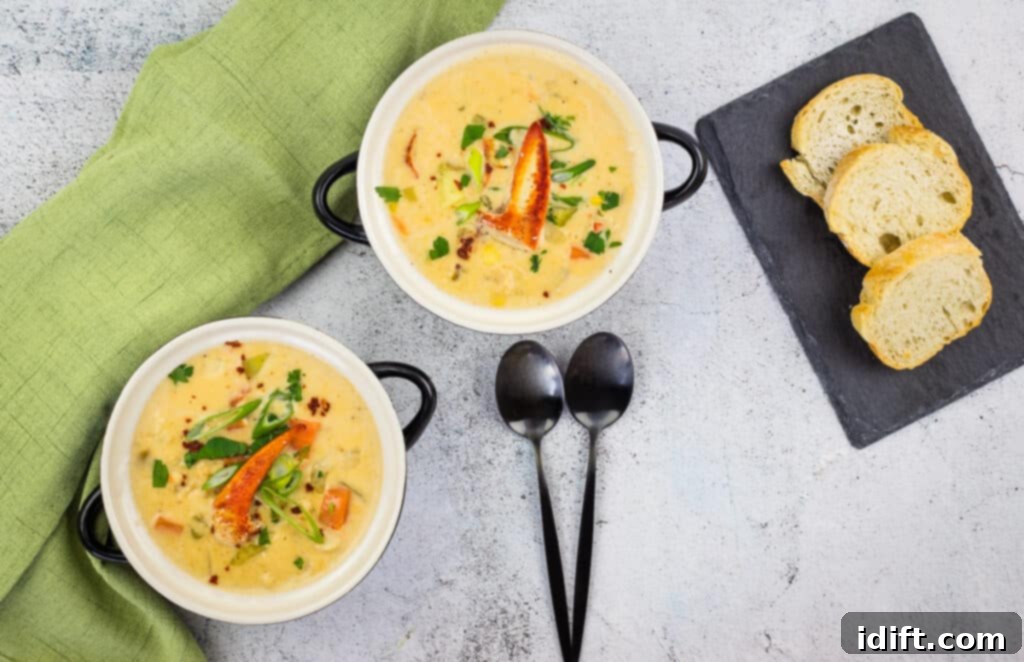
This New England Lobster Chowder is so exceptionally rich, thick, chunky, and profoundly hearty that it stands magnificently as a complete meal all on its own. Its robust character and generous portions of seafood and vegetables ensure that a single bowl is often enough to satisfy even the most robust appetite. However, if you’re looking to enhance the dining experience or present it as part of a larger feast, there are wonderful accompaniments that complement its luxurious flavor profile beautifully.
Consider serving this exquisite chowder as a sophisticated prelude to other seafood-centric main courses, such as perfectly seafood-stuffed salmon, or even alongside a perfectly cooked, juicy steak for a surf-and-turf inspired dinner. The creamy richness of the chowder provides a delightful contrast to grilled or roasted meats. For a more traditional pairing, nothing beats a thick slice or a rustic heel of crusty sourdough bread, ideal for soaking up every last drop of the delectable broth. A light, crisp salad, perhaps with a bright vinaigrette, offers a refreshing counterpoint to the chowder’s richness. And for a unique textural addition, these air fryer sweet potato chips add a delightful crunch and hint of sweetness that pairs surprisingly well with the savory notes of the lobster. A crisp white wine or a light ale would also make an excellent beverage pairing.
Frequently Asked Questions About New England Lobster Chowder
Absolutely not! While lobster chowder might sound intimidating, this recipe is designed to be incredibly approachable for home cooks. The most “involved” part is often making the lobster stock, but with our detailed instructions, even that becomes simple. Once your stock is ready (which you can do ahead of time!), the actual chowder assembly can be completed in approximately 45 minutes. It’s an easy-to-follow recipe that yields impressive results.
Lobster chowder is a quintessential New England seafood soup, renowned for its luxurious thick and creamy consistency. It’s generously laden with hearty, chunky vegetables such as tender potatoes, sweet corn, aromatic carrots, onions, and celery. The defining characteristic, of course, is the abundance of sweet, succulent lobster meat that permeates every spoonful, creating a truly decadent and comforting dish.
Like most seafood dishes, lobster chowder is best enjoyed fresh. It will keep well in an airtight container in your refrigerator for about 2-3 days. Due to the perishable nature of seafood and cream, we don’t recommend storing it for much longer in the fridge. For extended storage, lobster chowder freezes remarkably well. Allow it to cool completely, then transfer it to freezer-safe containers or bags, leaving a little headspace. It can be frozen for up to 2-3 months. Thaw overnight in the refrigerator and reheat gently on the stovetop, stirring frequently, to prevent separation.
While both are creamy lobster soups, they differ in texture and preparation. Lobster chowder is thick and hearty, characterized by its chunky ingredients like potatoes, corn, and visible pieces of lobster meat. It’s often thickened with a roux. A lobster bisque, on the other hand, is traditionally a smooth, velvety soup, often pureed to a fine consistency and typically enriched with cream and sometimes brandy or sherry. The lobster flavor in bisque is often extracted more intensely from shells that are ground and simmered, resulting in a more refined and often lighter texture without the distinct vegetable chunks.
Step By Step Visual Guide

Join our community! Get Chef Jenn’s latest recipes and culinary tips delivered straight to your inbox every week.

Print
Pin
Classic New England Lobster Chowder
Course
Seafood, Soup, Main Dish
Cuisine
American, New England
Keyword
chowder, creamy soup, lobster, lobster chowder, seafood soup, New England chowder, homemade lobster chowder
Prep Time
20 minutes
Cook Time
20 minutes
Servings
8
servings
Calories
296
kcal
Author
Chef Jenn
Ingredients
-
4
slices
bacon -
2
tablespoons
butter -
1
cup
diced onion -
1
cup
diced celery -
1
cup
diced carrots -
1
tablespoon
minced garlic -
2
teaspoons
Old Bay seasoning -
1/3
cup
dry white wine -
1/4
cup
all purpose flour -
6
cups
lobster stock -
1 1/2
cups
diced potatoes -
1
cup
corn niblets -
2
cups
lobster meat
diced -
1
cup
heavy whipping cream -
salt and pepper
to taste
Instructions
- Fry the bacon in a large soup pot over medium heat until crisp, about 4 minutes, then set the bacon aside for another use. You only need the bacon fat.
- Add the butter to the bacon fat then saute the onions, carrots, and celery until soft and translucent. Add the garlic and Old Bay seasoning and cook an additional minute.
- Deglaze the pan with white wine and let most of it evaporate.
- Turn off the heat and whisk in the flour, then slowly add the lobster stock whisking until smooth.
- Turn the heat back to low, cover the pot with a lid, and simmer for 20 minutes.
- Add the potatoes and cook an additional 5-10 minutes or until just tender. Then, add the corn and lobster chunks.
- Stir in the cream, season with salt and pepper, and heat through.
- Serve and enjoy!
Notes
Chef Jenn’s Additional Tips
- Stock Ahead for Ease: Always save lobster shells in the freezer until you have enough to make a generous batch of stock. This homemade stock can then be frozen in portions, ready to be used for easy, flavor-packed soup making all year long, whenever the craving for a rich chowder strikes.
- Gentle Lobster Handling: Avoid boiling the delicate lobster meat in the chowder, as this will inevitably make it tough and chewy. Instead, add the cooked lobster chunks only at the very end of the cooking time, just allowing them to heat through gently to preserve their tender texture and sweet flavor.
- Garnish for Elegance: For an impressive presentation, set aside a few beautiful pieces of lobster claw meat. These make a stunning and delicious garnish when placed on top of each serving, showcasing the premium ingredient within.
- A Touch of Heat: If you appreciate a subtle kick, add a small pinch of cayenne pepper to your chowder along with the Old Bay seasoning. It enhances the overall flavor profile without overpowering the delicate lobster.
Nutrition
Serving:
1.5
cups
|
Calories:
296
kcal
|
Carbohydrates:
20
g
|
Protein:
17
g
|
Fat:
16
g
|
Saturated Fat:
9
g
|
Polyunsaturated Fat:
1
g
|
Monounsaturated Fat:
4
g
|
Trans Fat:
1
g
|
Cholesterol:
117
mg
|
Sodium:
889
mg
|
Potassium:
644
mg
|
Fiber:
3
g
|
Sugar:
4
g
|
Vitamin A:
3329
IU
|
Vitamin C:
12
mg
|
Calcium:
154
mg
|
Iron:
1
mg
A Note on Nutritional Information
Nutritional information for this recipe is provided as a courtesy and is calculated based on available online ingredient information. It is only an approximate value. The accuracy of the nutritional information for any recipe on this site cannot be guaranteed.
WANT MORE DELICIOUS AND EASY RECIPES?
- Smoked Cream Cheese: An Unexpectedly Delicious Appetizer
- The 50 Best Traeger Recipes for Ultimate BBQ Flavor
- Perfectly Tender Smoked Pulled Pork from Your Grill
- Mastering the Art of Cooking Steaks on a Blackstone Griddle