Before you ignite the flames and unleash the tantalizing aromas of your next barbecue, ensure your outdoor kitchen is perfectly provisioned. Having the right arsenal of grill tools isn’t just about convenience; it’s about safety, precision, and elevating your grilling game from good to absolutely outstanding. You don’t need an overwhelming collection of gadgets, but a thoughtfully curated selection of high-quality essentials will make all the difference.
While the market is flooded with elaborate grilling kits, often packed with tools you’ll rarely use, the core essentials are surprisingly few. A robust, long-handled spatula, a versatile pair of tongs, and a few other key items are truly all you need to tackle almost any grilling challenge. Investing in quality over quantity will ensure your tools stand the test of time and countless cookouts.
If your grilling adventures extend beyond the backyard, make sure you’re prepared for any environment. Explore these smart tips for setting up an efficient camping kitchen, ensuring your outdoor culinary skills can shine wherever you go.
Grill Spatulas: Where Size, Strength, and Safety Intersect
A high-quality grill spatula is more than just a flipper; it’s an extension of your arm, crucial for manipulating food on intense heat. When selecting the ideal spatula, four critical factors come into play: appropriate length, unyielding construction, a generously wide head, and a comfortable, soft grip. An added bonus is a sturdy hook for convenient hanging on your grill’s side shelf.
The importance of length cannot be overstated. Keeping your hands a safe distance from the blistering heat of the grill grates is paramount for both comfort and injury prevention. Grill spatulas measuring at least 16 inches provide that essential buffer, allowing you to confidently flip burgers, rotate steaks, and maneuver delicate items without fear of singeing your hands or arms.
To assess a spatula’s construction strength, apply a gentle bend test. If the tool exhibits excessive flexibility or “give,” it’s likely too flimsy for the rigors of grilling. A truly robust spatula, typically made from high-grade stainless steel, should feel substantial and resist bending, ensuring it can effortlessly support and lift heavy cuts of meat, entire fish, or multiple burgers without buckling.
The size and shape of the spatula head are equally important and should align with your typical grilling repertoire. Most standard grill spatulas are perfectly adequate for flipping burgers, sausages, and smaller cuts of chicken. However, if your culinary ambitions include larger items like whole grilled fish, a substantial rack of ribs, or a whole grilled chicken, consider acquiring a second spatula with a significantly larger, broader head. Again, always prioritize strength and stability in its construction.
An ergonomic, soft-grip handle not only enhances comfort during long grilling sessions but also provides a secure hold, preventing slips even with greasy hands. Many premium spatulas feature handles made of silicone or heat-resistant plastics. For an excellent example of thoughtful design, consider this grill spatula from OXO. It embodies their signature Good Grips handle for superior non-slip comfort, combined with robust, sturdy construction and an ideal length for safety and control.
Grill Tongs: Finding Your Perfect Pair for Precision and Control
Grill tongs are arguably the most frequently used tool in any pitmaster’s arsenal, making the right choice critical for effective and comfortable grilling. The market offers a surprising variety in design and functionality, so a hands-on test to determine what feels most comfortable and efficient for you is highly recommended.
Begin by examining the tips of the tongs. They commonly come in two primary styles: scalloped edges, designed to gently yet securely grip delicate foods without piercing or damaging them, and more pointed or serrated edges, which offer an ironclad grip on heavier or more slippery items. The most versatile tongs often feature a hybrid design, or reversible tips, allowing you to switch between the preferred grip style depending on the food you’re handling.
The locking mechanism at the handle end of the tongs, coupled with a spring, dictates how easily they open, close, and store. There are three common locking styles:
- **The Pull-Out Tab:** This classic design features a metal tab that, when pulled out, locks the tongs closed for storage or pushes back in to release the spring and open them for use. It’s simple, reliable, and widely adopted.
- **The Slide-Over Collar:** A more modern approach involves a metal collar that slides along the length of the tongs. When moved towards the handle, it allows the tongs to spring open. Pushing it towards the tips locks the tongs firmly closed, making them compact for storage.
- **The Lever-Operated Lock:** Less common but highly convenient, this mechanism features a lever near the hinge that allows for one-handed operation. A quick press against your leg or a firm surface unlocks the tongs, making them incredibly efficient during busy grilling moments.
While less prevalent today, scissor-handled tongs exist, operating without a spring or locking mechanism, relying solely on manual pressure. These offer a different feel, often preferred for specific tasks, but lack the spring-assisted grip and compact storage of modern locking tongs. Consider a well-regarded option like these heavy-duty 16-inch stainless steel tongs, which often combine durability with functional design.
Finally, consider the maximum opening width of the tongs. If you have smaller hands, an overly wide opening can be uncomfortable and require excessive hand strength, leading to fatigue. Seek a pair that feels balanced and allows for comfortable control across its full range of motion. The ideal tongs should feel like a natural extension of your hand, offering effortless precision.
Mastering Temperatures with a Digital Meat Thermometer
Achieving grilling perfection, whether it’s perfectly seared steak or fall-off-the-bone ribs, hinges on one crucial element: precise temperature control. A digital meat thermometer is not merely a convenience; it’s an indispensable tool for both food safety and culinary excellence. It guarantees your food reaches the proper internal temperature to eliminate harmful bacteria, while simultaneously preventing overcooking, which can lead to dry, unappetizing results. Never risk ruining an expensive cut like a tomahawk steak or a succulent beef roast due to guesswork; accurate temperature guidance is your secret weapon.
Several styles of digital meat thermometers cater to different grilling needs, varying in features and price points:
- **Instant-Read Thermometers:** These handheld devices provide ultra-fast and highly accurate temperature readings. The undisputed gold standard in this category is often considered the Thermapen One by Thermoworks. Known for its exceptional precision, it delivers an accurate reading in just one second, making it ideal for checking doneness without significant heat loss from your grill. While other brands offer similar basic technology, they often lack the Thermapen’s unparalleled speed and pinpoint accuracy. An instant-read thermometer is perfect for quick checks on steaks, burgers, chicken pieces, and fish.
- **Leave-In Thermometers:** For larger cuts of meat that require longer cooking times, such as a smoked brisket or pork shoulder, a leave-in meat thermometer is invaluable. These thermometers feature a probe that remains inserted in the thickest part of the meat (avoiding bone) throughout the cooking process. A heat-resistant wire connects the probe to an external digital display, providing continuous, real-time temperature updates without needing to open the grill lid. Many modern grills and smokers even come with built-in versions of this technology.
- **Wireless Thermometers:** Offering ultimate convenience, wireless thermometers transmit temperature data directly to your smartphone or a separate receiver. This allows you to monitor your cook from a distance, freeing you from being tethered to the grill. However, their accuracy can sometimes be affected by factors like grill wall thickness, distance, and environmental interference, so it’s wise to choose a reputable brand for reliable performance. Products like the ThermoPro TP829 Wireless Meat Thermometer offer extended range and multiple probes for comprehensive monitoring.
“When it comes to arming yourself with the grill tools you need, it’s best not to overthink it, but also, not to skimp. Quality will last. I love my Thermapen instant-read meat thermometer, a great set of long tongs, a good sharp knife and all-natural fuel. I love Cowboy all-natural charcoal and their fire starters so my food always has the great flavor of wood and not chemical lighter fluid.”
Kita Roberts, Girl Carnivore
Proper use involves inserting the probe into the thickest part of the meat, avoiding bone, which can give an inaccurate reading. Always clean your probes thoroughly after each use to prevent cross-contamination and ensure longevity.
A Cast Iron Skillet: The Ultimate Grill Game Changer
Unlock an entirely new dimension of culinary possibilities on your grill with the addition of a cast iron skillet. Far from being limited to indoor stovetop use, cast iron is exceptionally well-suited for grilling due to its remarkable ability to withstand and evenly distribute intense direct heat. This transforms your grill into a versatile outdoor cooking station, expanding your menu far beyond traditional steaks and burgers.
By simply placing a cast iron skillet directly on your grill grates, you effectively convert a portion of your grill into a searing hot stovetop or even an oven. If you’re cooking over gas, you can easily adjust the burner temperature beneath the skillet to suit your recipe, whether it’s a gentle simmer or a blistering sear. For those who prefer the authentic flavor of charcoal, you can strategically vary the amount of coals placed directly beneath the skillet to achieve different temperature zones, making it perfect for anything from delicate vegetables to crusty bread.
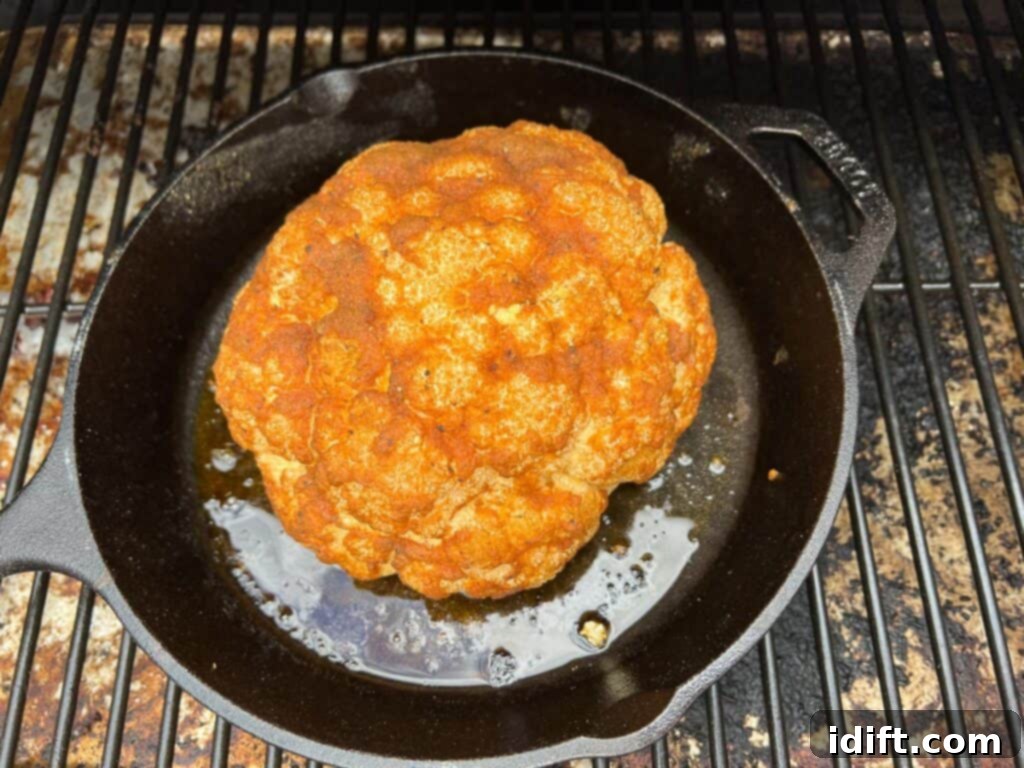
When selecting a cast iron skillet for grilling, consider the dimensions of your specific grill. Grills with smaller, rounded lids might not accommodate skillets with traditional long handles, as the lid may not close properly. Fortunately, many manufacturers offer cast iron skillets equipped with two smaller, opposing side handles, which are far more grill-friendly. A 12-inch skillet is a highly versatile size that fits comfortably on most backyard grills, making it ideal for achieving a perfect reverse-sear on steaks, sautéing vibrant vegetables, or even preparing crispy fried potatoes.
Once you discover the versatility of cast iron on the grill, you’ll likely want to expand your collection. A cast iron griddle is perfect for making irresistible smash burgers, fluffy pancakes, or grilled sandwiches. A cast iron sauce pot or Dutch oven can handle boiling pasta, simmering beans, or crafting delectable sauces, all without heating up your indoor kitchen. The possibilities are truly endless, transforming your grill into a full-fledged outdoor culinary station. After each use, it’s crucial to clean your cast iron properly to maintain its seasoning and ensure it’s always ready for your next gourmet adventure.
“In the heat of the summer, I hate to turn on my stove and oven and make my hot house even hotter. I love to use my grill to cook and bake some of my favorite dishes outside. By using grill-safe dishes like a cast iron skillet, I can turn my grill into a stovetop or oven and make everything from pizza to roast potatoes and so much more.”
Michelle Price, Honest and Truly
The Pitmaster’s Gauntlet: 3 Essential Types of Grilling Gloves
Safety and hygiene are paramount when grilling, and a well-equipped pitmaster understands the critical role of specialized gloves. There are three distinct types of gloves that are truly essential for a safe, clean, and efficient grilling experience.
1. Heat-Resistant Gloves: Your Shield Against the Flames
First and foremost, a high-quality pair of heat-resistant grilling gloves is an absolute must-have. These are your primary defense against the intense heat radiating from the grill and hot coals. Constructed from advanced materials like aramid fibers (Kevlar, Nomex) or heavy-duty silicone, these gloves provide a robust thermal barrier, protecting your hands when you need to reach deep into the grill, adjust hot grates, reposition burning coals, or handle hot pans and rotisserie components. Look for gloves with a high temperature rating and extended cuffs to protect your wrists and forearms. Flexibility is also key, allowing for dexterity while ensuring maximum protection.
2. Nitrile Disposable Gloves: The Hygiene Hero
The second indispensable type of glove is a pair of nitrile disposable gloves. Nitrile, a synthetic rubber, offers superior strength and puncture resistance compared to traditional latex, making it ideal for food handling. These gloves are a game-changer for maintaining hygiene and preventing cross-contamination in your outdoor kitchen. They are particularly brilliant for messy tasks like seasoning raw meat, mixing marinades, or, as many pitmasters will attest, for shredding tender pulled pork.
Nitrile gloves should fit snugly, almost like a second skin, to ensure maximum dexterity. Their primary benefit lies in their disposability: simply don the gloves for raw meat prep, execute your task, and then remove them. This leaves your bare hands free of contaminants, allowing you to transition seamlessly to other cooking steps or serve food without the need for constant hand washing runs to the sink. They are an essential barrier for any task involving raw ingredients, particularly poultry and pork.
3. Cotton Glove Liners: Comfort and Enhanced Heat Protection
The third essential pair, often overlooked but highly valued by experienced pitmasters, are cotton glove liners, sometimes affectionately called “hand savers” or “hot hands.” These thin, knit cotton gloves are worn underneath your nitrile disposable gloves. Their primary purpose is to provide an additional layer of thermal insulation, allowing you to handle hot food directly (like shredding hot pulled pork or moving warm meat around) without burning your hands. While they do not replace the extreme heat resistance of dedicated grilling gloves (and the outer nitrile layer will melt if exposed to direct grill grate heat), they excel in situations where you need to touch warm items for extended periods under a sanitary barrier.
When purchasing glove liners, opt for natural knit cotton over synthetic materials like polyester, as synthetics can melt when exposed to high temperatures, creating a hazardous situation. Ensure they fit well under your nitrile gloves without bunching. This three-tiered glove system – heavy-duty heat gloves for extreme heat, nitrile gloves for hygiene, and cotton liners for comfortable handling of warm food – provides comprehensive protection and significantly enhances your efficiency and safety at the grill.
By equipping yourself with these indispensable grill tools, you won’t just be cooking; you’ll be unlocking the true potential of your grill and mastering the art of outdoor cooking, one perfectly prepared meal at a time. Invest wisely, grill safely, and savor every moment.
This article was originally published on Food Drink Life.